

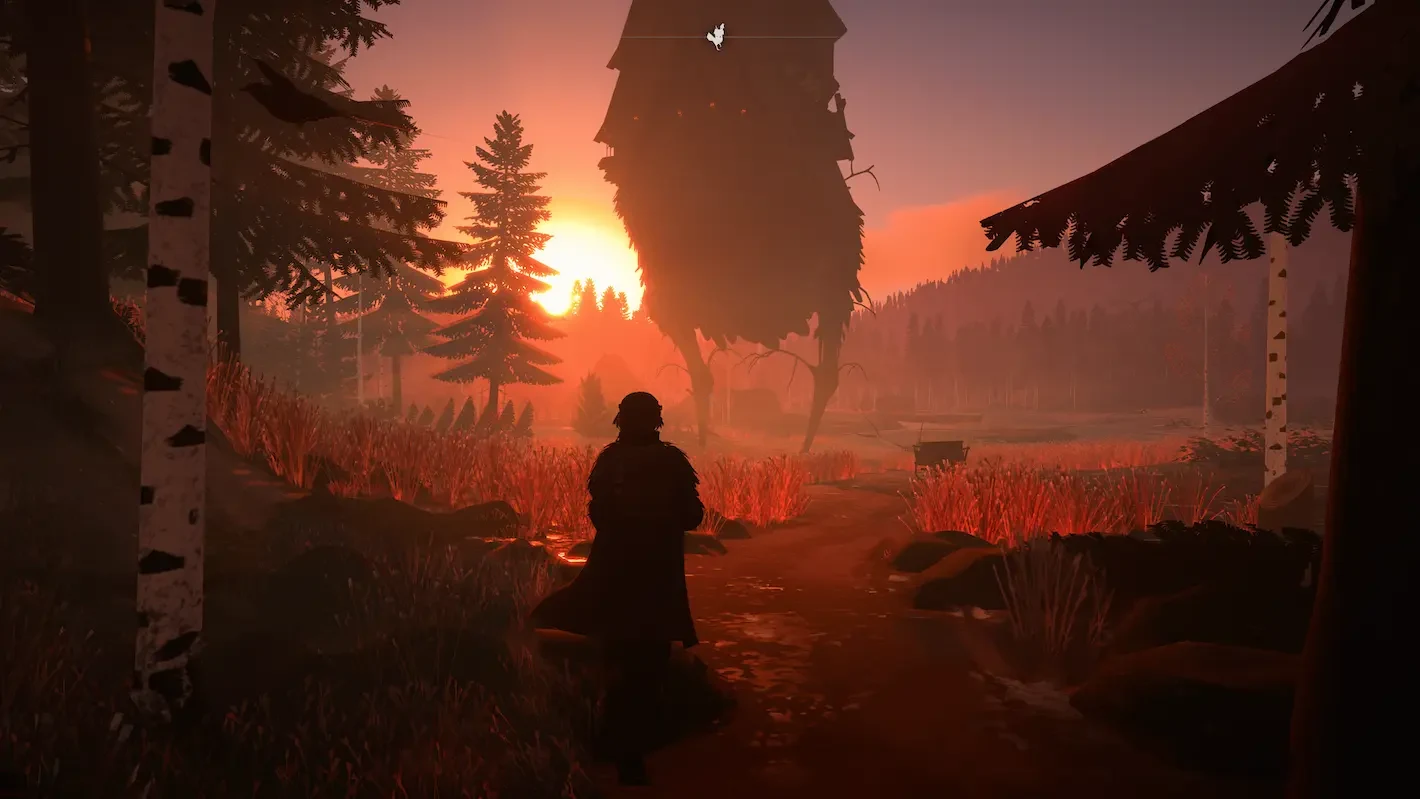
REKA 1.0 is live, and Emberstorm says the final chapter of Reka and Baba Jaga’s story is now playable. For anyone waiting for the witchcraft adventure to have an ending before buying, that is the important change. The separate promise of better performance needs a different kind of evidence.
The October 26 release follows Early Access, which began on September 12, 2024. REKA is a single-player game about exploring a world inspired by Slavic folklore and building a home on chicken legs. This is reported buyer analysis, not a hands-on review: we have not played the finale or tested the release build.
An ending changes the reason to return
The developer’s launch announcement says the closing chapter is ready, alongside more side quests, shrines and collectibles. That gives story-focused players a concrete reason to revisit a game they may have put aside. They are no longer being asked to buy into an unfinished central story on the strength of a promised future update.
It does not tell us whether the ending works. A completion announcement establishes availability, not the quality of the writing, the pacing of the last chapter or how satisfying the payoff feels. Those are questions for people who have actually reached it in this build.
The distinction matters especially here because REKA sells two attractions together. One is the apprentice-witch story under Baba Jaga. The other is the freedom to build and decorate a traveling cottage, forage and explore. Someone interested mainly in the house may have had a reason to play throughout Early Access. Someone waiting for narrative closure has a much clearer entry point today.
The official launch trailer is below. It is publisher footage, not evidence from our play session.
Building tools matter beyond a longer feature list
Emberstorm’s launch post describes additional wood types and clay, batch building and deletion, a rotation compass, improved snapping and better roofing. The test is what happens when a modest hut becomes a larger home: do these tools make construction less fiddly? More materials expand the look; easier selection and placement could change the work involved in getting there.
That is an interpretation of the advertised tools, not a claim that we have found them comfortable. The official screenshot shows the clay-wall selection and a building interface beside a multi-storey house. It illustrates the construction pitch without proving how reliably the controls behave.
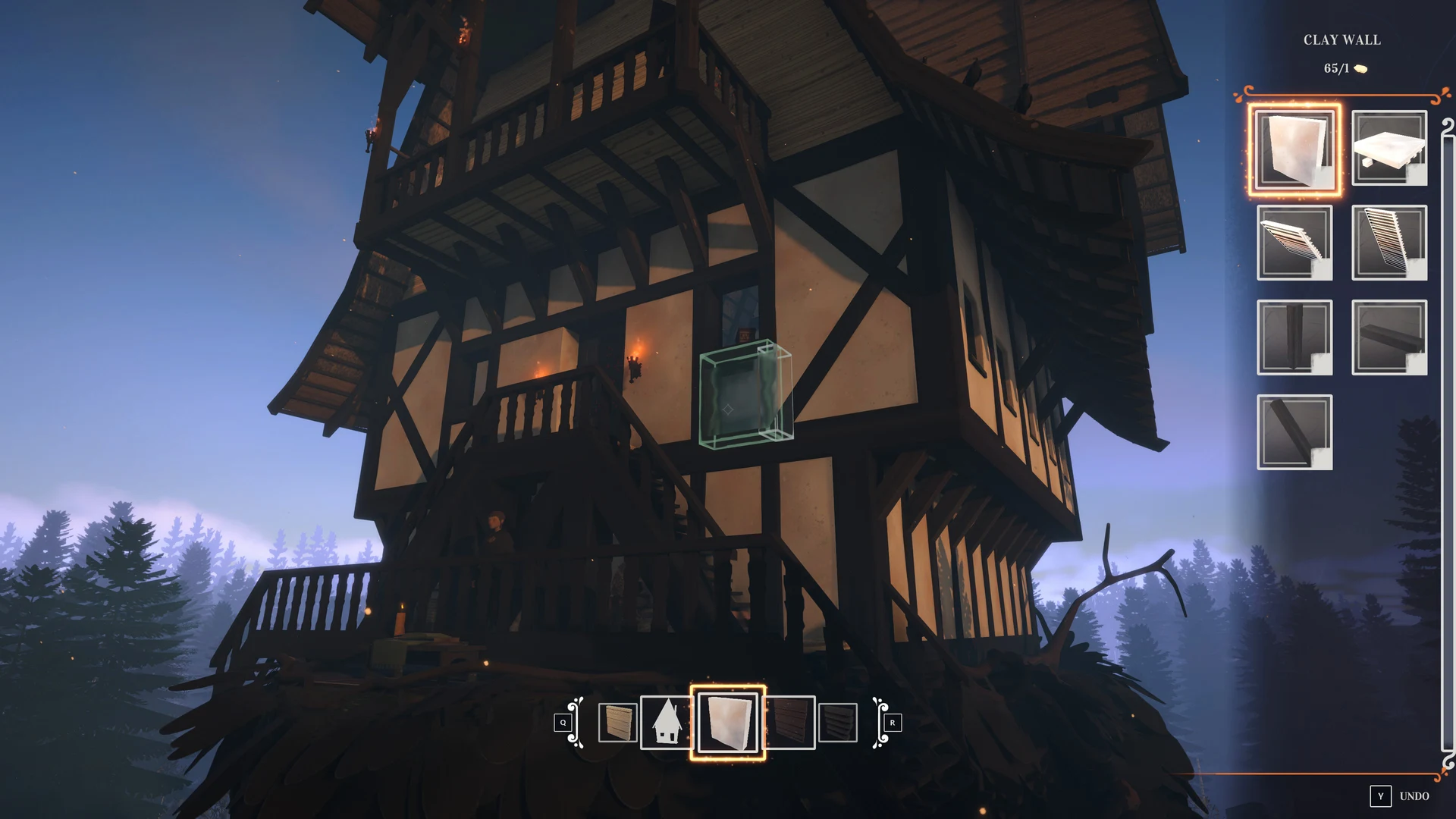
Official press screenshot: Emberstorm Entertainment / Fireshine Games. Promotional capture, not our gameplay.
The launch list also needs a date check. Adjustable autosaving and building improvements already appear in the October 8 patch notes. The 1.0 post brings those changes into the full-release proposition; it should not be read as proof that every listed feature arrived for the first time on October 26.
The performance claim still needs a test
The launch post says optimization focused on large houses and villages with many lights. That is a relevant target for a game whose building systems encourage players to keep adding things. But the announcement contains no independent frame-time comparison, and we have not run one.
There is a reason to keep that boundary clear. In August, the developer postponed the planned August 18 full release, citing bugs, performance and playtest feedback. Today’s launch ends that delay. It does not, by itself, demonstrate that every issue behind it has disappeared.
Two named Steam accounts offer useful pre-launch context, with strict limits. In an October 25 Early Access review, lunatea praised exploration, building and folklore while describing fiddly construction, repetitive quests and clipping. Ravynmancer’s October 24 account reported lighting shifts, stutter and hangs, despite carrying a Recommended flag. These are individual reports about an earlier state, not a representative survey or a verdict on today’s release.
They explain what a useful follow-up test would examine: building a substantial home, moving through busy scenes and checking whether interruptions persist. Repeating those old complaints as current facts would be unfair. Calling them fixed without testing would be equally unsupported.
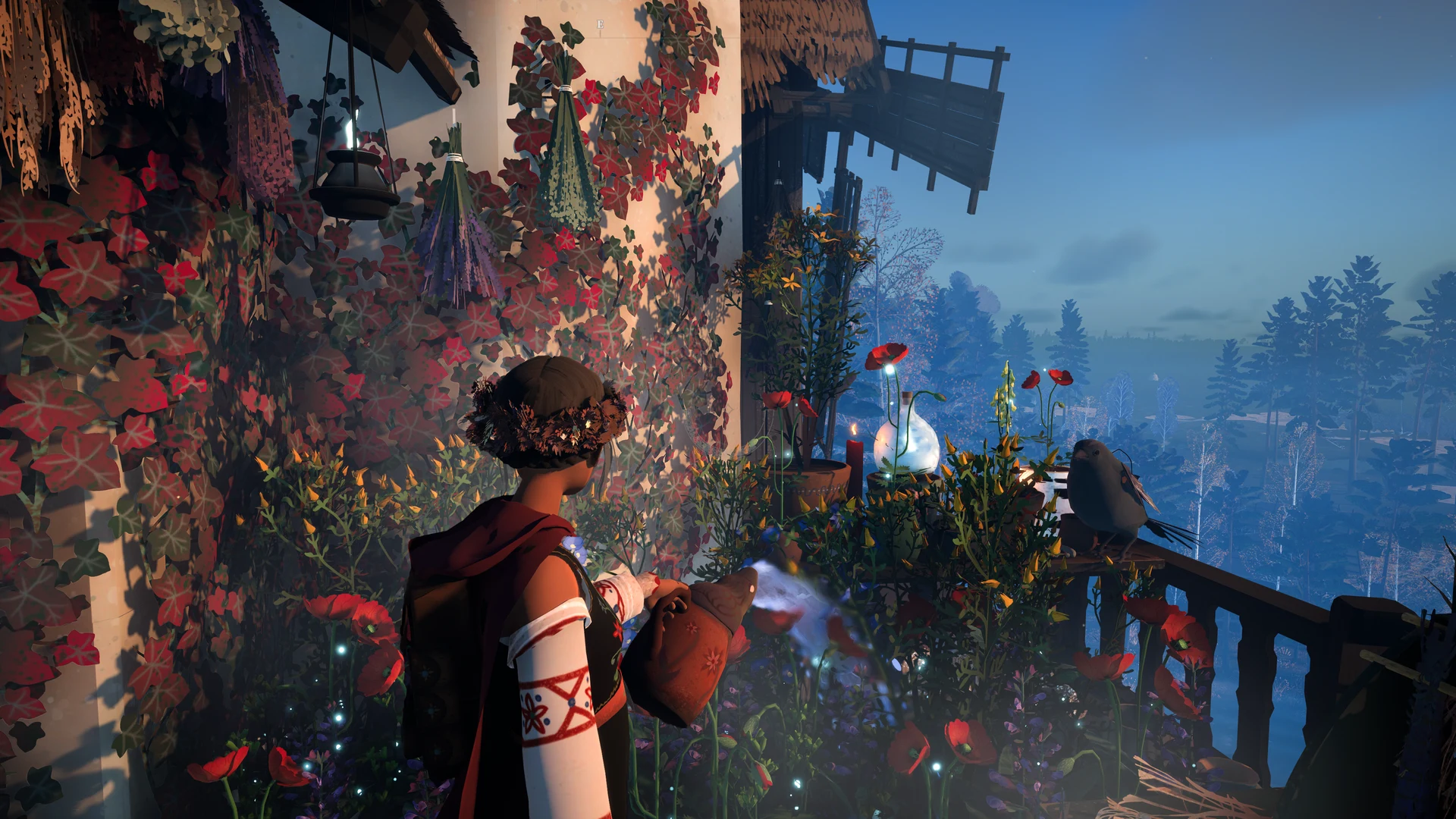
Official press screenshot: Emberstorm Entertainment / Fireshine Games. This scene illustrates home decoration, not measured release-build performance.
What buyers can check now
The rendered US Steam page checked on October 26 lists the base game at $12.99 against $19.99, a 35% discount ending November 7. That is a dated US offer, not a worldwide checkout price. The page also lists a demo, Polish interface and subtitles, and Steam Deck Verified status. The badge is an official compatibility signal, not our battery-life or performance test.
Some official surfaces lag behind the launch: the publisher product page still has coming-soon wording, while the legacy store API returns older fields. The dated developer announcement and actual storefront agree on the full release. We use those for today’s availability rather than treating stale metadata as a second launch schedule.
For a new buyer, the demo is the practical way to see whether the exploration and cottage-building rhythm appeals. It cannot certify the finale or every late-game performance scenario. Returning players should read the current notes before revisiting their house; we have not verified save migration and are not claiming a wipe is required.
The buying case is now clearer: REKA has reached its announced story conclusion. If that was your missing condition, today matters. If you were waiting specifically for proof of technical repair, look for build-specific testing rather than letting the 1.0 label answer for it.
For another reported look at an autumn adventure, see our Allogloom buyer analysis, or browse the gaming archive.