


Novus Orbis reached version 1.0 on November 13 with a useful question for deckbuilder players: how many cards can you afford to play before the enemy attacks? Seizo Games’ rules make that question part of your own turn. Playing another card advances the enemy’s action countdown, so building a stronger sequence also brings incoming damage closer.
That makes the release worth a look beyond its introductory discount. It asks you to manage the timing of a hand, not simply spend every available resource before passing. Whether that remains satisfying across repeated runs needs play evidence. The published rules explain the trade-off; they cannot supply a verdict on its balance.
A longer combo has a cost
The official Steam description says that card order affects combo strength. Each card played advances an enemy’s countdown by one step, while ending the turn advances it by two. Those rules create two linked decisions: what to play next, and whether setting up that play leaves enough room to defend.
Ending a turn therefore advances the threat too. Think of the system as a shared timing budget: the card you want for a larger combo may also move an attack into reach. That is an interpretation of the developer’s stated rules, not an observation from our own run.
The store advertises three classes, more than 300 cards, 100 Blessings and ten pets. Those are developer-supplied content totals. The more important buying question is whether you want enemies acting during your turn rather than waiting politely for it to finish.
The distinction matters when comparing another deckbuilder with Slay the Spire 2. A large card pool is an inventory claim; the countdown is a rule that changes what you consider before playing a card. It gives a prospective buyer a more useful question than whether the screenshots look familiar: do you want another consequence attached to extending your turn?
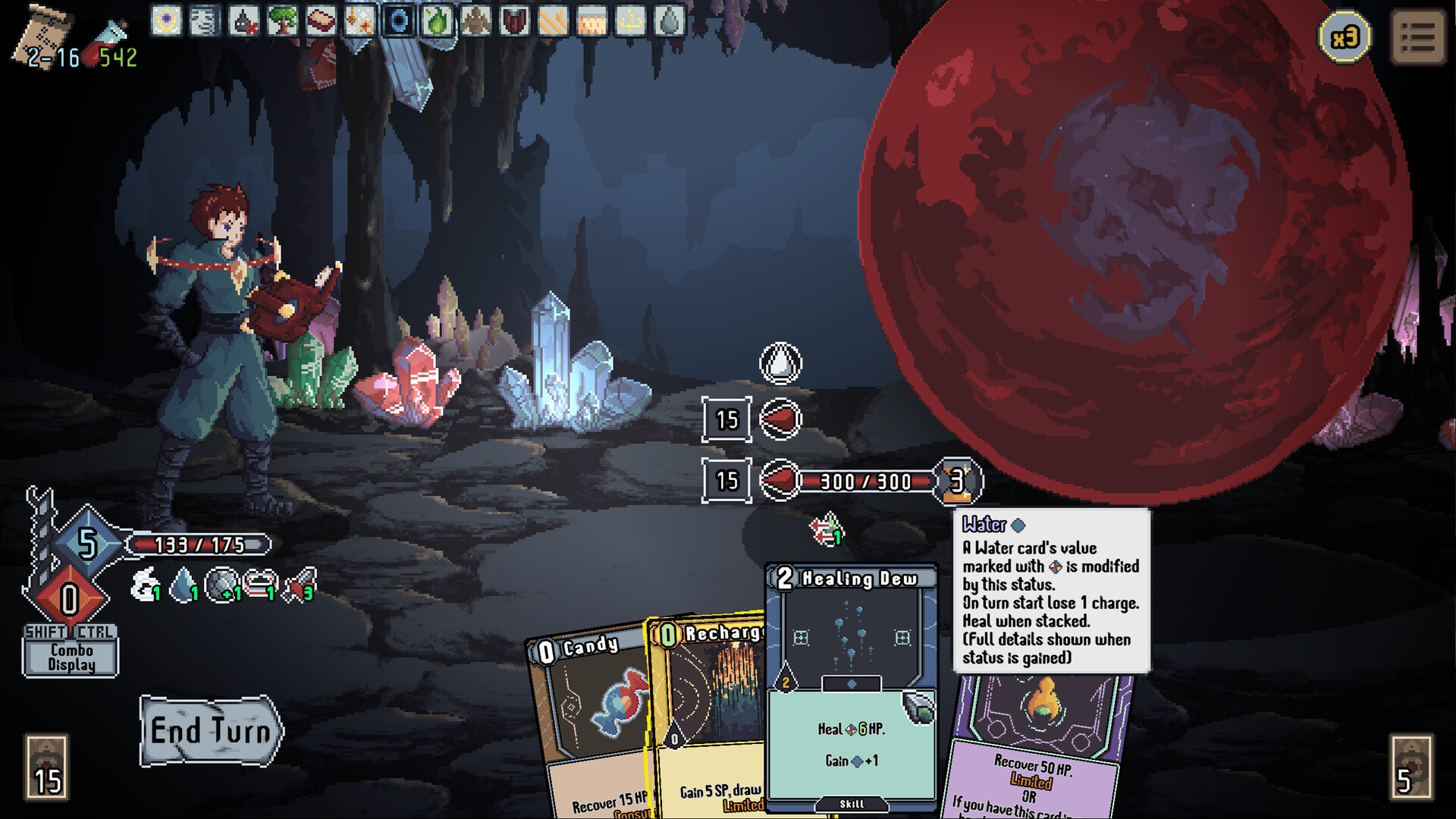
© Seizo Games / 2 Left Thumbs. Supplied press-kit image predating launch; not our capture or evidence of the 1.0 changes.
Returning players should read the actual 1.0 changes
The November 13 release notes add five languages, bringing the announced total to eight. Polish is not among them. Portal frames now distinguish room content more clearly, and tutorial replay is available from class selection.
Endless Mode also changes. The notes describe an increasing loss of Blessings on successive loops and escalating Worn-card removal from loop five. That deserves attention from returning players whose old expectations depend on how a long run develops. It is not evidence that every old build still works, or that the new balance is better.
There is a long fix list covering saving, softlocks and interface problems. The developer also acknowledges remaining bugs and labels some fixes tentative. Version 1.0 is a release milestone, not a clean bill of technical health.
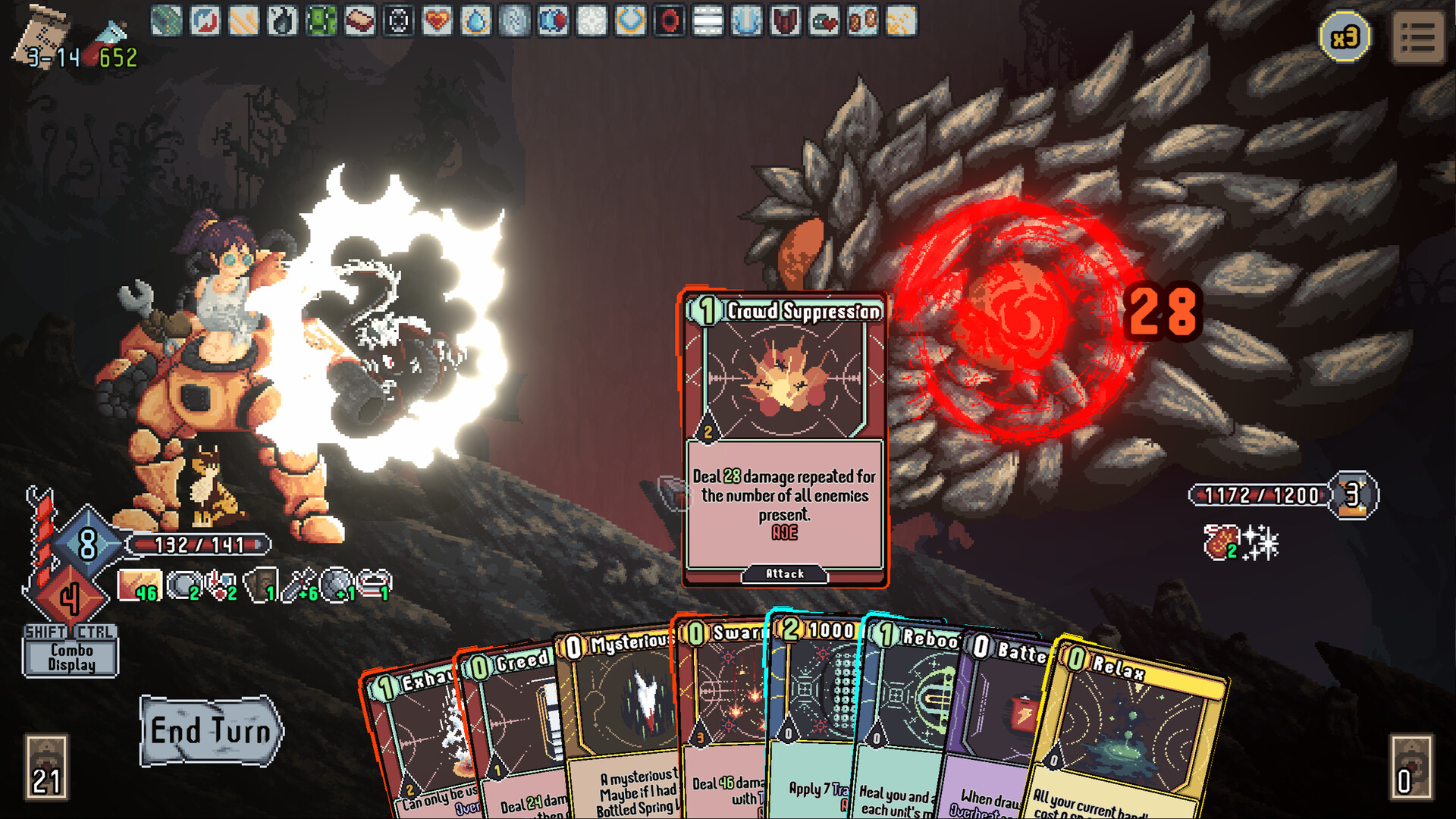
© Seizo Games / 2 Left Thumbs. Supplied press-kit image predating launch; not our capture or evidence of the 1.0 changes.
Older praise is not a launch verdict
The US Steam listing checked on November 14 around 00:17 UTC showed a $11.99 introductory price against $19.99, with the offer displayed through November 23. That is a dated regional offer, not a permanent price or a promise about other storefronts.
At a fresh November 14 check around 00:17 UTC, the same page showed Very Positive feedback: 95% of 67 reviews. A separate ten-card English sample collected on November 13 consisted entirely of older Early Access reviews. Its praise for combo planning and complaints about polish can help identify questions to investigate; it cannot establish how the released 1.0 build is being received.
The historical accounts are specific. The Goombruh liked the combo addition, while The Secret Formula highlighted countdown planning. CorsairZero disliked the pace and reported a battle softlock during Early Access. These are named experiences from an older build, not a vote on launch quality. The release notes do not establish that CorsairZero’s particular problem is fixed.
That leaves two separate buying questions: whether the rules suit you, and whether the current build meets your tolerance for technical trouble. The first can be explored through the documented mechanics. The second still needs current play evidence. Readers following indie games should keep that distinction even when an introductory price makes trying something unfamiliar tempting.
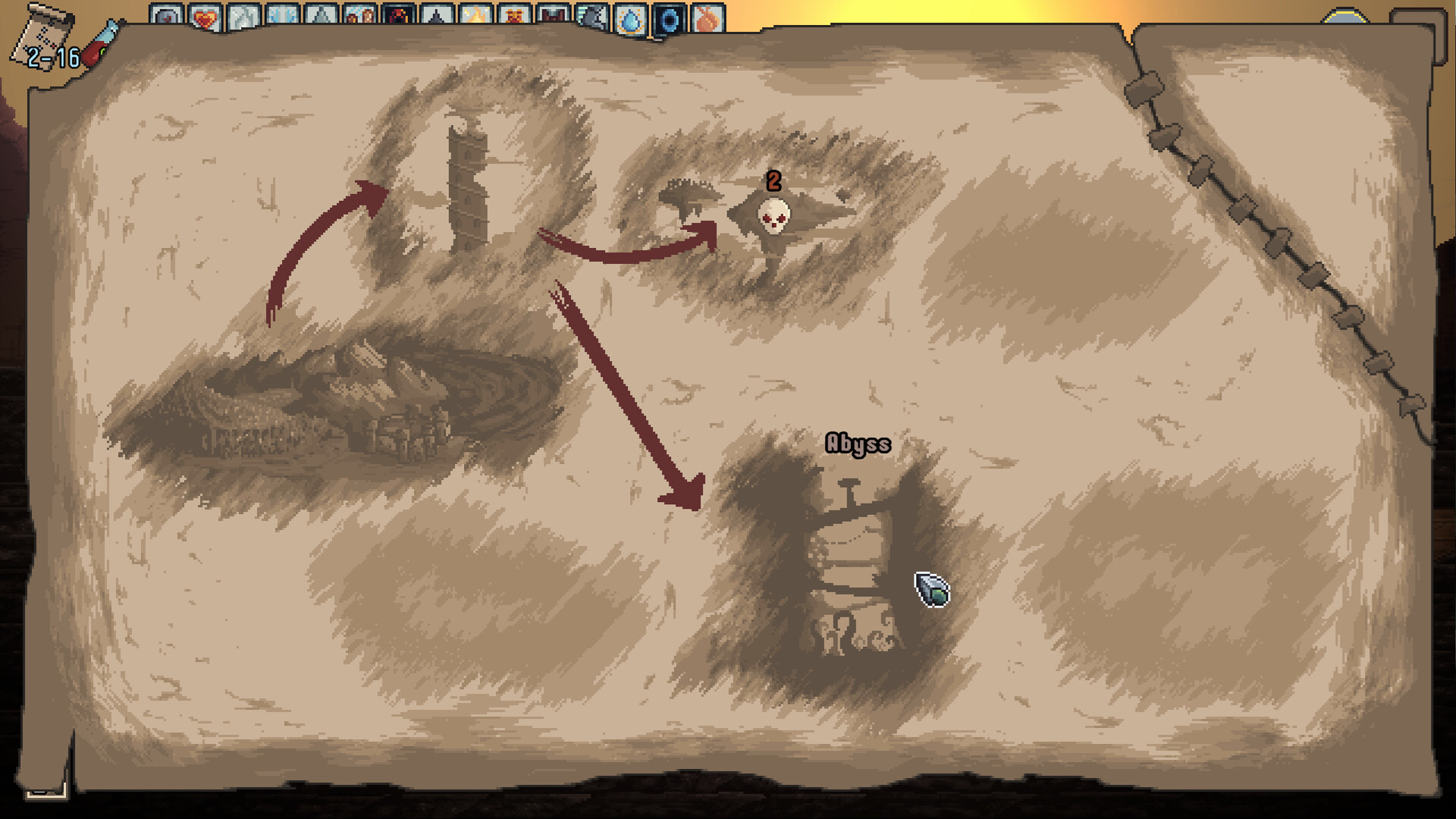
© Seizo Games / 2 Left Thumbs. Supplied press-kit image predating launch; not our capture or evidence of the 1.0 changes.
For a prospective buyer, the clearest distinction is the countdown rule. If choosing when to stop a hand sounds as interesting as extending it, Novus Orbis has a specific pitch worth examining. If unresolved bugs are a deal-breaker, the developer’s own caveat matters more than the 1.0 label. A current stability assessment and a post-launch reception sample remain the next checks, not conclusions this article can manufacture.