

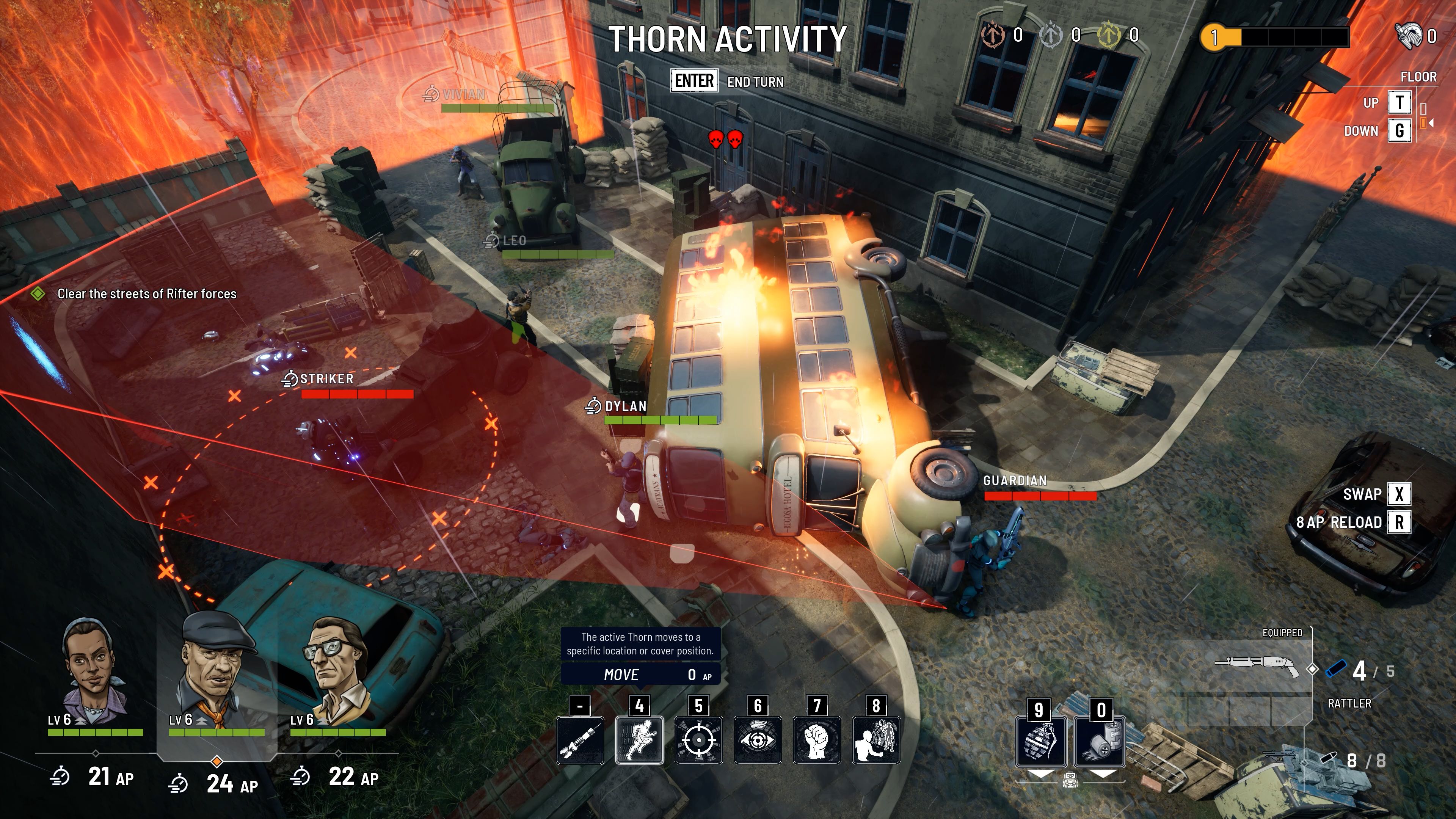
Every Day We Fight left Early Access on October 22 with a progression rework that targets a specific frustration: having to explore for resources to keep your characters advancing. Signal Space Lab says rewards now follow every fight. That is the most useful reason to reconsider the game, ahead of the longer gun list or the launch discount.
The US Steam listing checked for this article offers the Windows game for $11.99 instead of $29.99, with the promotion displayed through November 5. Those are regional storefront terms, not a permanent price cut. This is reported analysis of the announced overhaul, not a hands-on review. We have not tested 1.0 progression, old-save compatibility or performance.
Combat rewards matter more than the item count
The official 1.0 notes say progression is now tied to combat, with rewards after each fight. Exploration remains available, but the developer says it is no longer necessary to keep developing the characters. For someone who liked the battles but disliked gathering resources between them, that is a more consequential promise than another weapon category.
There is a concrete older complaint to compare it with. In an October 8 Early Access review, doglywolf praised the hybrid concept but criticized limited gear and the effort needed to craft disposable equipment. That dated text explains the buying question; it does not prove the same problem persists in 1.0. Nor does a patch announcement establish that the economy now feels generous.
The practical test is the gap between finishing a battle and obtaining something worth using in the next one. A guaranteed reward can shorten that gap, but its value still depends on what drops, what crafting costs and how quickly equipment becomes useful. The notes establish the intended direction. They cannot answer those pacing questions on their own.
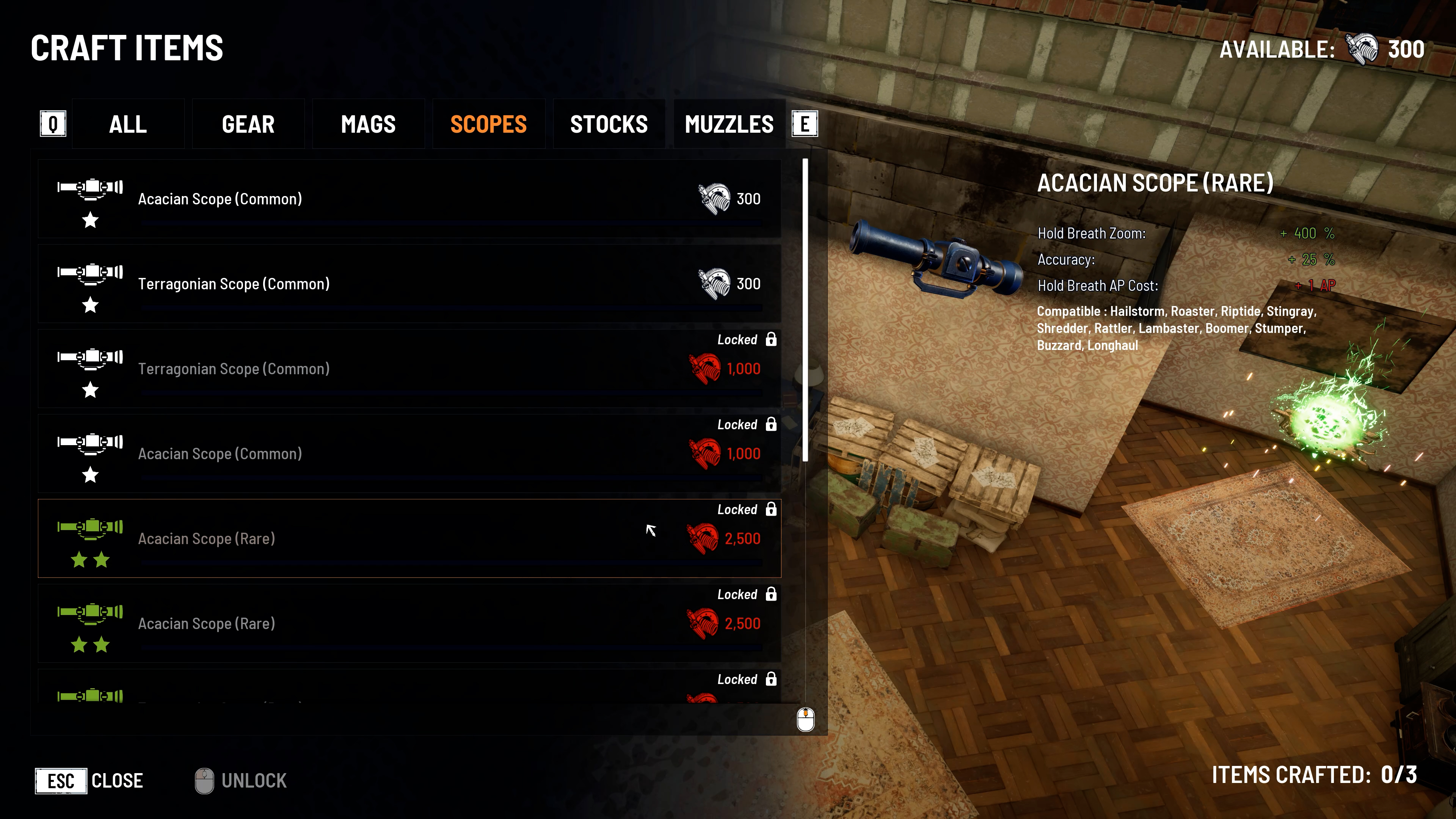
Signal Space Lab / Wild Hog Games, official 1.0 creator-kit image. Promotional capture, not our progression test; exact capture build unverified.
More guns should create decisions, not just inventory
The developer lists five new guns: the Boomer explosive launcher, Shredder heavy machine gun, Roaster flamethrower, Stumper shotgun sidearm and Riptide automatic pistol sidearm. It also announces 52 new gun parts, including 13 epic parts with distinctive perks. These are stated additions, not our count of unlocked equipment.
The strongest interpretation is that 1.0 tries to address both sides of the older complaint: how often rewards arrive and how much variety they contain. That is a sensible target for a time-loop tactics game. Still, more parts do not automatically mean more worthwhile builds. Whether the new options compete well with existing equipment requires actual play and balance evidence.
The announcement also separates new 1.0 content from improvements accumulated during Early Access. Manual and in-combat saves, customizable difficulty and interface improvements appear in that earlier-work recap. Calling all of them brand-new launch features would overstate what changed on October 22.
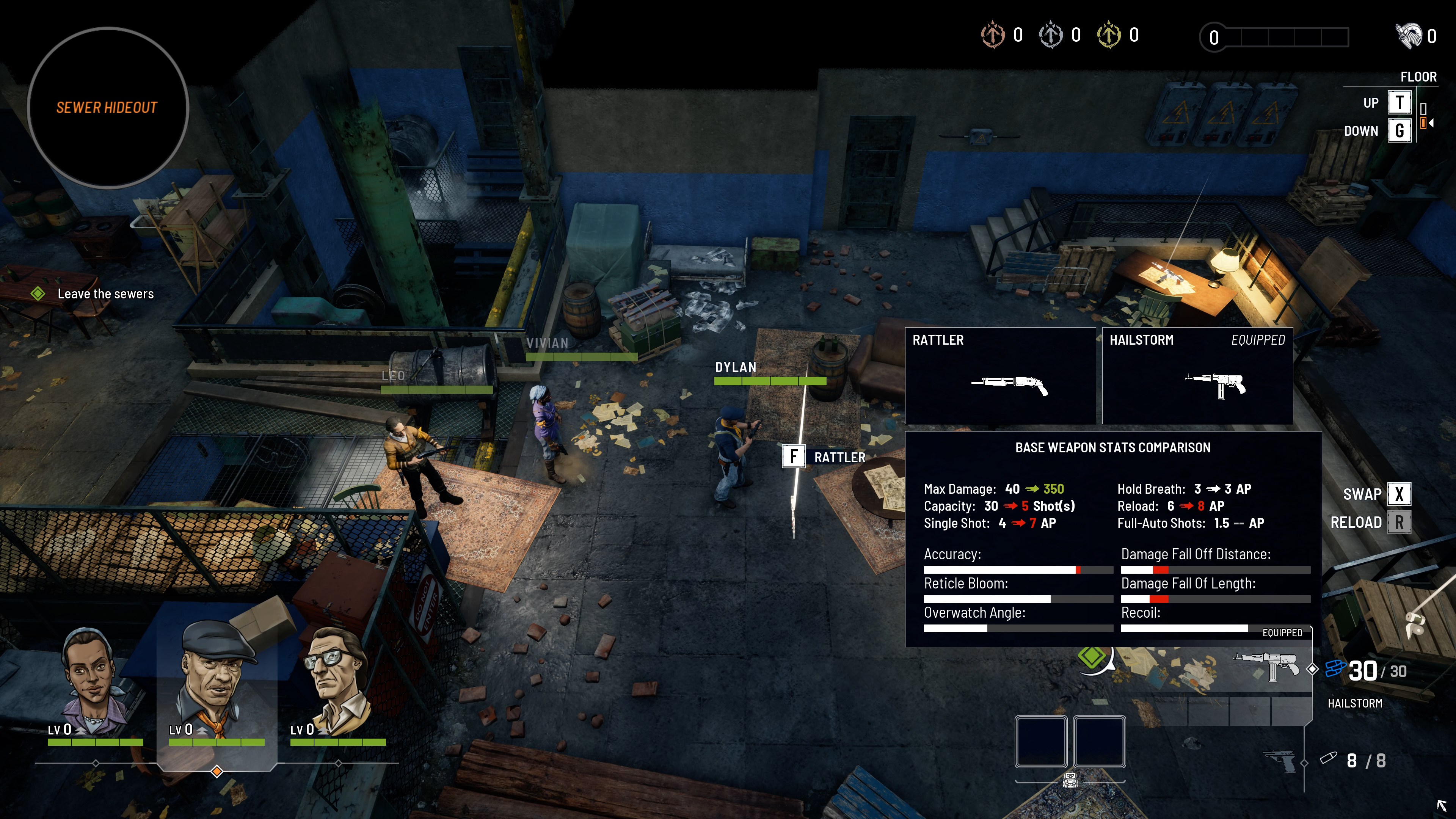
Signal Space Lab / Wild Hog Games, official promotional image. Displayed weapon values are not our balance measurements.
The hybrid design is still the first buying filter
Every Day We Fight combines tactical positioning with direct aiming, rather than leaving every shot to a detached command. The Steam description makes that mixture central to controlling its three-person team. Expanded equipment does not turn it into a conventional, purely command-driven tactics game.
A brief October 22 account from Edgewalker objects specifically to the first-person shooting. Its roughly twelve minutes of recorded play cannot assess campaign progression or establish that aiming is broken. It can flag a preference mismatch: liking turn-based planning does not guarantee liking the shooting layered onto it. One account is not a community verdict.
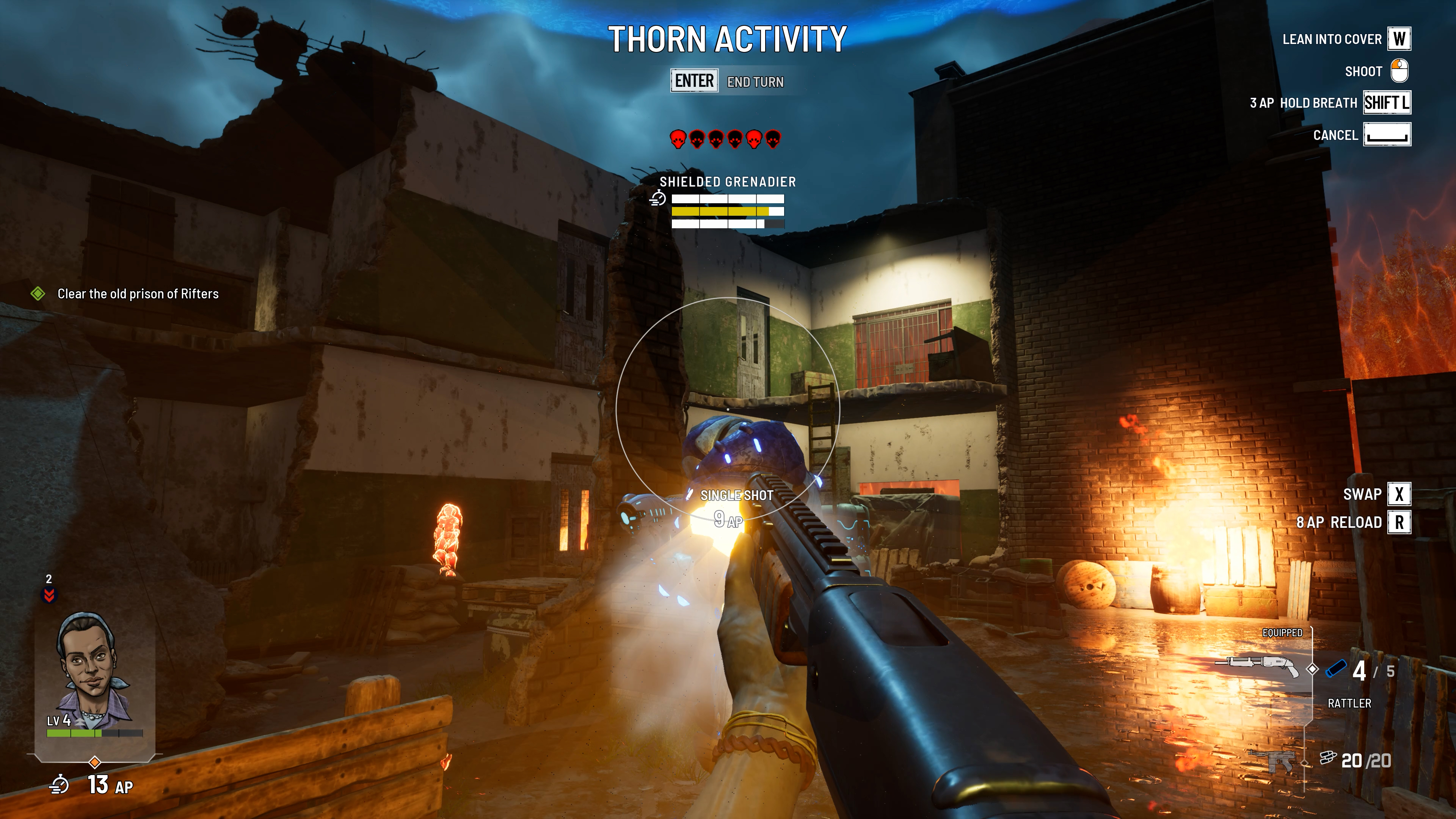
Signal Space Lab / Wild Hog Games, official creator-kit screenshot. This illustrates direct aiming, not a measured control or performance result.
Who has a reason to take another look?
The new Ambush and Sabotage missions give the overhaul another practical dimension. According to the developer, Sabotage raises Heat for better loot, while Ambush lowers it; higher Heat means harder fights. Reshuffled combat zones and the post-campaign Forever War mode are further announced additions. Their appeal depends on enjoying the underlying combat, not simply wanting a longer checklist.
For a returning player whose sticking point was equipment scarcity or resource gathering, the notes now address the right questions. For someone who disliked manual aiming or wanted a larger party, the lower entry price is a weaker argument. Buying a cheaper version of the wrong design does not fix that mismatch.
Our Battleplan analysis covers a different approach to command, while the PC gaming archive collects other buyer checks. Here, the next useful evidence is sustained 1.0 play showing reward quality and pacing. The release supplies a credible reason to reassess those systems, not proof that the reassessment must end positively.