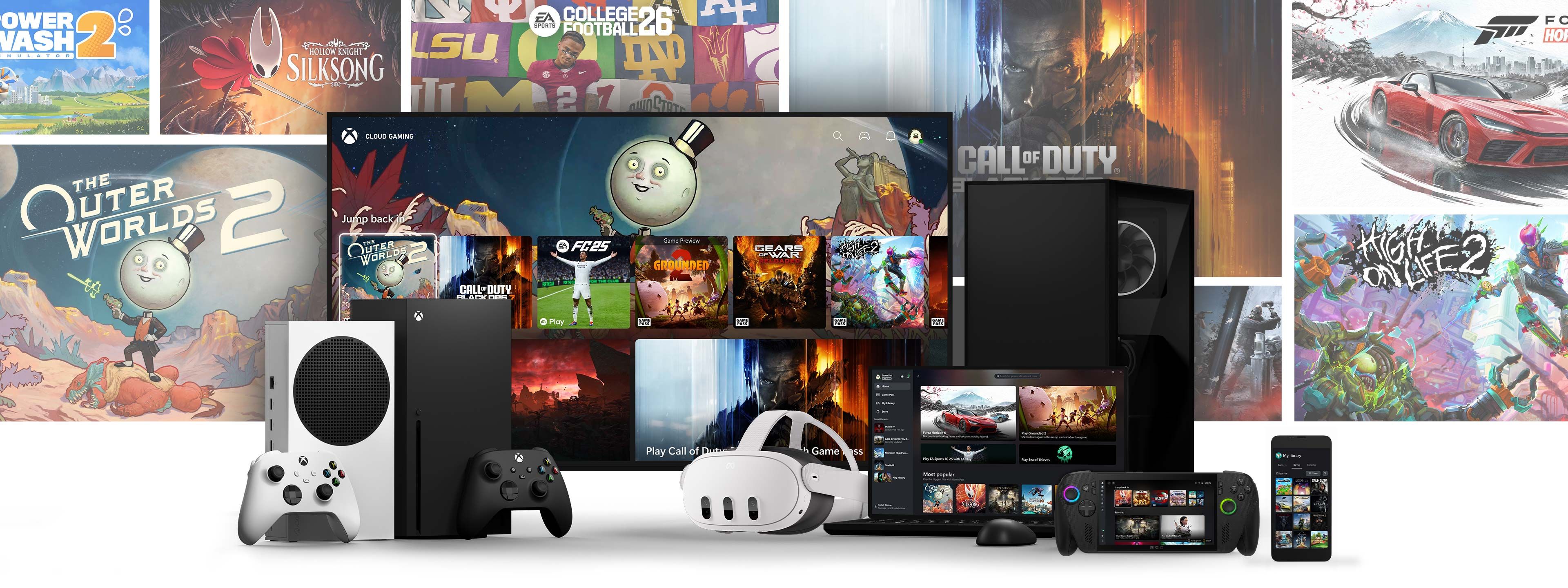

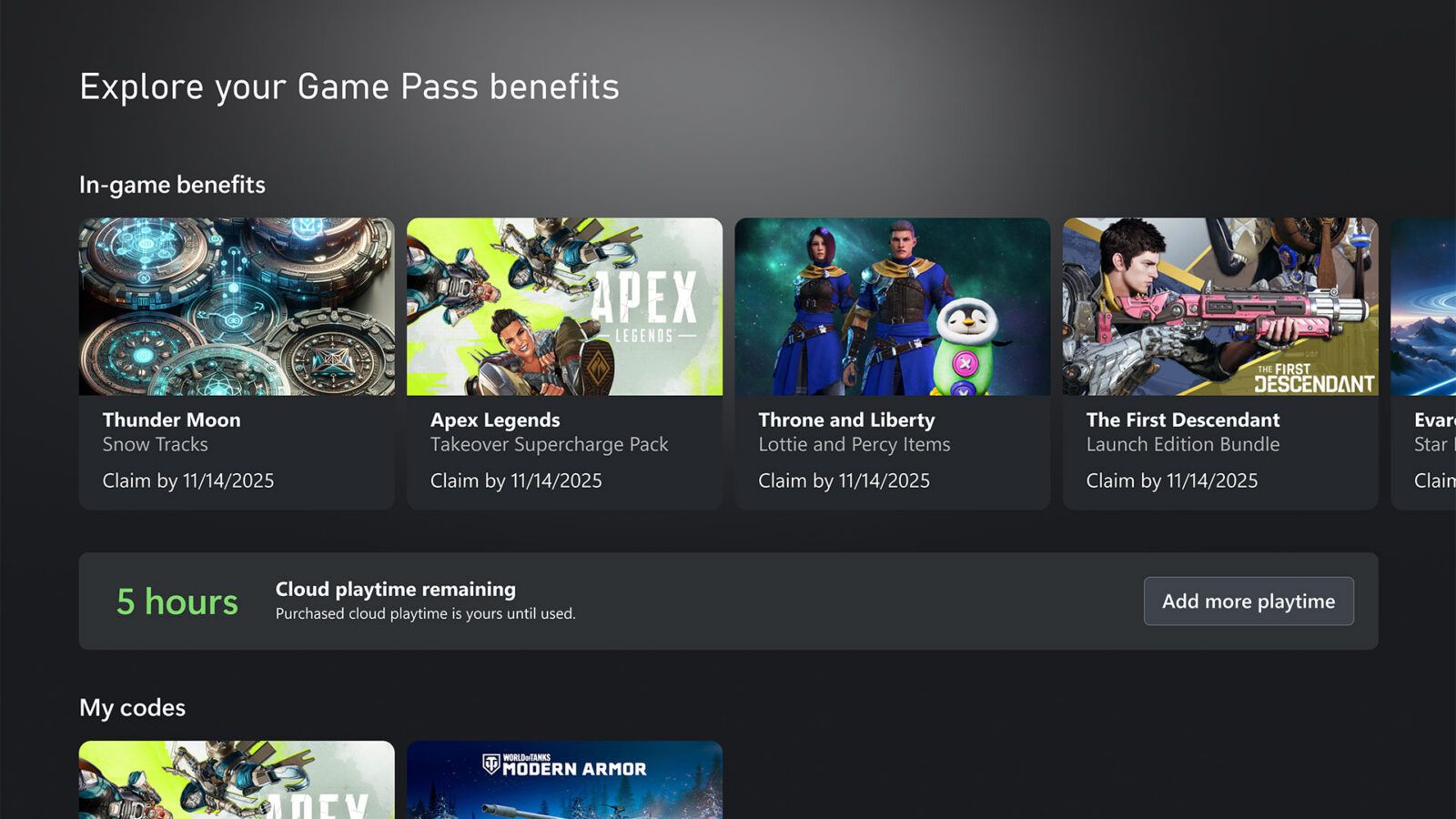
Xbox is putting hard monthly limits on cloud gaming in November 2026. The official Xbox Wire post, rechecked on Friday, September 4, 2026 around 3:18 p.m. ET / 19:18 UTC, still says Game Pass Ultimate will get 15 hours a month, Premium gets 10, and Essential gets 5. Extra cloud time will be sold later through the Xbox Store. Microsoft also says non-subscribers will be able to buy cloud hours to stream eligible games they already own.
That is a real platform move. It is also a much bigger change to the Game Pass value pitch than the neat “only 4 percent of subscribers are affected” line suggests.
The clean fact pattern is simple
Microsoft is not killing cloud gaming. It is turning cloud from an unlimited included perk into a metered one.
The live U.S. Game Pass page still matches the Xbox Wire post. On Friday afternoon, September 4, it still showed 5 hours per month for Essential, 10 for Premium, and 15 for Ultimate. It also still left PC Game Pass without cloud gaming in the listed benefits.
That matters because cloud was never just a side gimmick. It was useful in a few very practical ways:
- testing a game before a big download
- playing away from the console
- keeping older Xbox hardware relevant a little longer
Xbox’s own post still leans on that last point. It says cloud can help Xbox One owners access eligible Xbox Series X|S games without an immediate hardware upgrade.
Why the 4 percent line does not settle the argument
Microsoft says it expects the new limits to affect 4 percent of Game Pass subscribers. That may be true. It is also not the same thing as saying the people who actually rely on cloud will barely notice.
The missing denominator is the whole story. Xbox did not publish how many Game Pass subscribers use cloud at all in a normal month, let alone how many use it heavily enough to hit 5, 10, or 15 hours. If cloud is mostly a sampler perk, these caps may land lightly. If cloud is a routine way to play for a smaller but dedicated slice of the audience, the value cut is much sharper than the headline tries to make it sound.
That is the honest reason this belongs in analysis instead of a thin policy rewrite. The hard numbers are clear. The real buyer impact is still being partially hidden by how Microsoft framed them.
The pay-as-you-go option is real, but the missing price is doing a lot of work
The other half of the announcement is not just about limits. Xbox also says that, beginning in November 2026, people without a Game Pass subscription will be able to buy cloud playtime and stream eligible games they own on supported devices.
That could be useful. A lighter, occasional-user lane makes sense for players who do not want a recurring subscription.
It also keeps the article from going too far in one direction. Xbox is not only shrinking access. It is also widening the entry point.
The problem is that the buyer math still cannot be finished. Microsoft has not published the price, the bundle size, the rollover rules, the market-by-market availability, or the eligible owned-game list for that pay-as-you-go option. Until those details arrive, the new model is easier to describe than to recommend.

The useful read right now
The cleanest read on Friday, September 4, 2026 is not that Xbox cloud is dead, and it is not that this only matters to a tiny fringe.
It is that Game Pass cloud gaming is becoming a measured perk instead of a flexible safety net. For occasional players, that may barely register. For anyone who used cloud as a regular part of the subscription, November turns convenience into a meter and leaves the replacement price off the table for now.
That is why this story is stronger than a quick outrage hit or a shrug. Xbox is still expanding where cloud can go, but it is getting stricter about how much of it subscribers can actually use before the extra bill starts.
For more GameGuideDog coverage, browse our console section, compare the access-rule side of Xbox’s strategy in Xbox disc-to-digital test raises ownership questions, revisit an older subscription snapshot in Xbox Game Pass April 2026 wave 2, or open the latest English stories.