
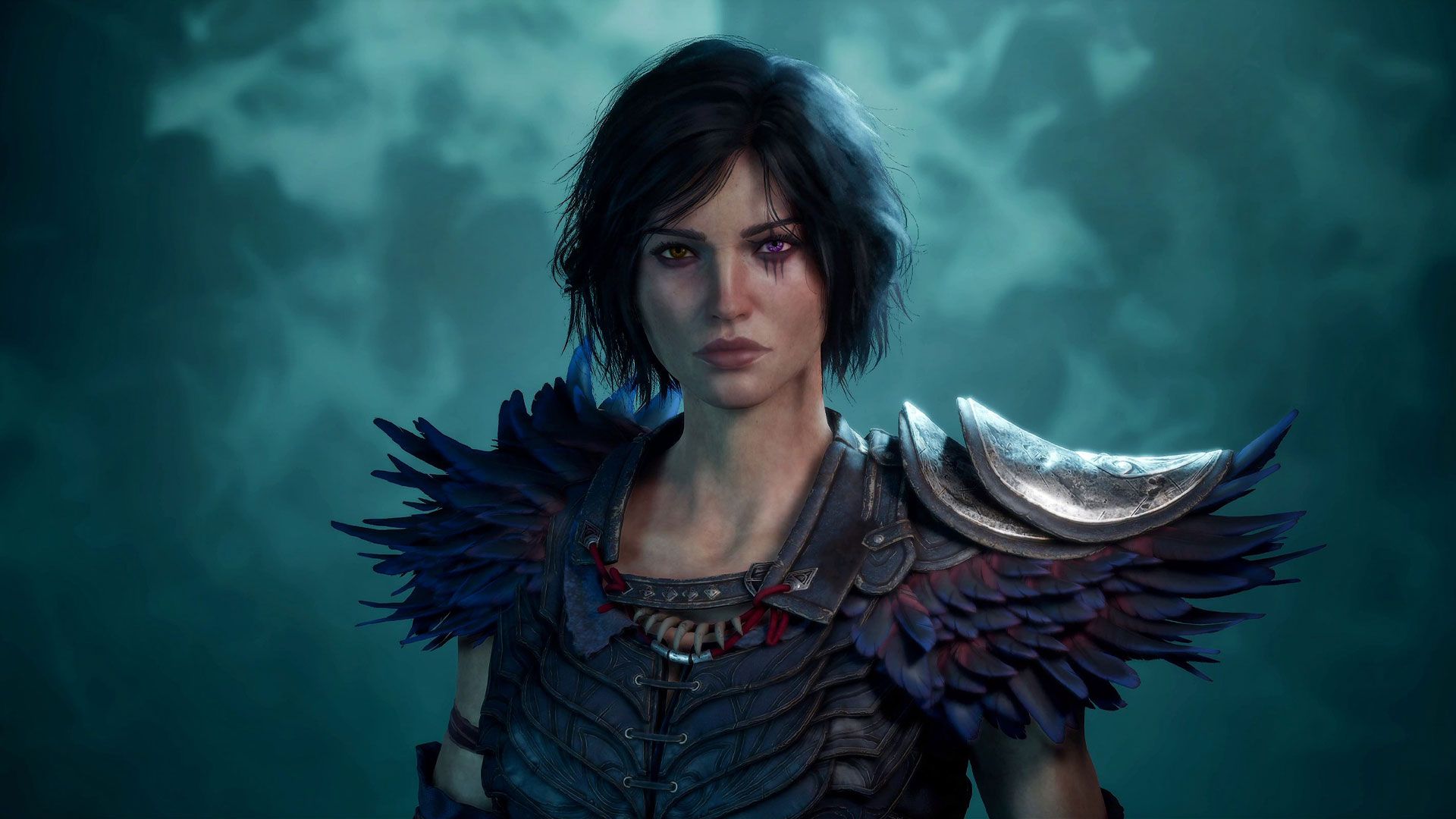
Warlock: Dungeons & Dragons finally has enough real Gamescom material to read as a product, not just as a mood-heavy reveal with a strong license behind it. The useful new layer comes from Xbox Wire’s August 28, 2026 hands-off demo writeup, which spends its time on spell interactions, exploration logic, and environmental problem-solving instead of broad cinematic positioning. The live official site and Steam page back up the practical basics too: Kaatri is the lead, Darkon is the setting, Wizards of the Coast is publishing, the game is still targeting 2027, and Steam still shows no user reviews.
That matters because this is where a D&D action game either starts looking like a real systems pitch or stays stuck as a branding exercise. Right now, Warlock looks more believable than it did earlier in the week. It still does not look proven.
Gamescom finally gave the magic pitch a shape
The best thing about the Xbox Wire piece is that it stops talking in fog.
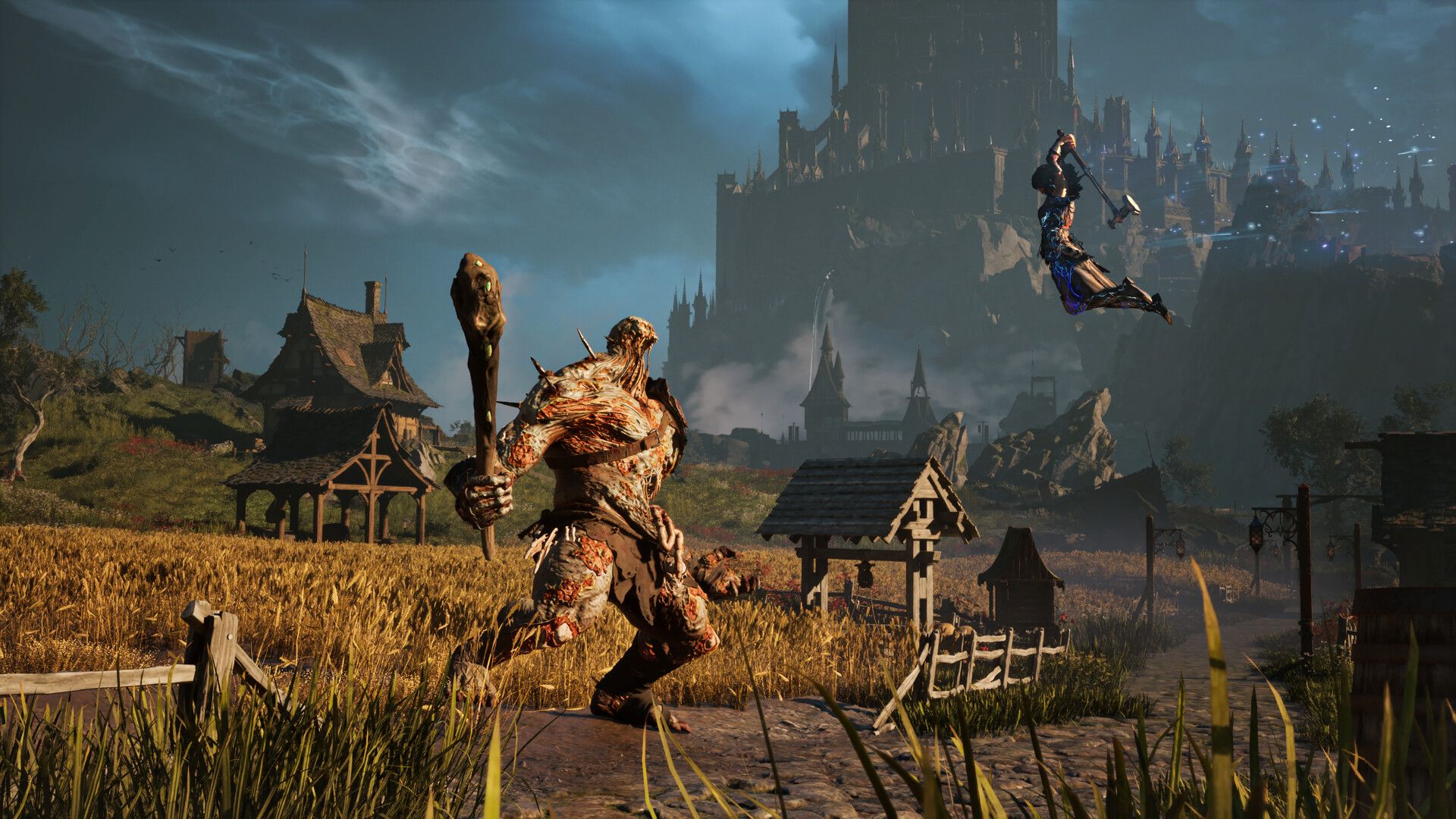
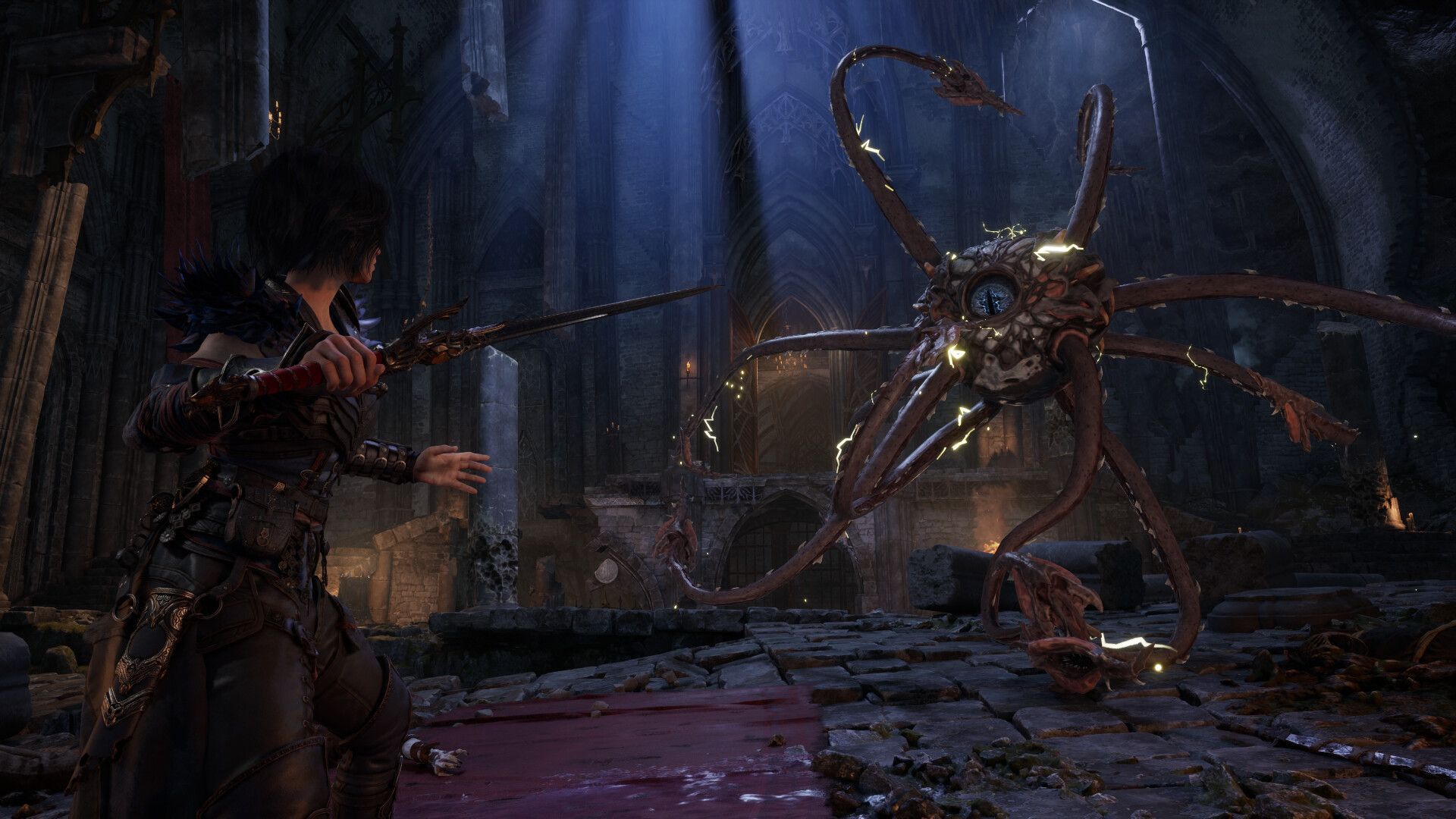
The official writeup describes a game where the same obstacle can be solved in several ways. Telekinesis can throw scenery, turn a boulder into cover, or move water to kill a fire. Black Tentacles can become part of traversal. Misty Step, Otherworldly Leap, and Eldritch Blast are all framed as tools, not just hotbar damage buttons. Later in the demo, Xbox Wire describes Kaatri casting Downpour to change the weather, then chaining Witch Bolt through rain and metal to fry a whole enemy group indirectly.
That is the first time this cycle has made Warlock feel like more than generic fantasy combat with D&D nouns on top.
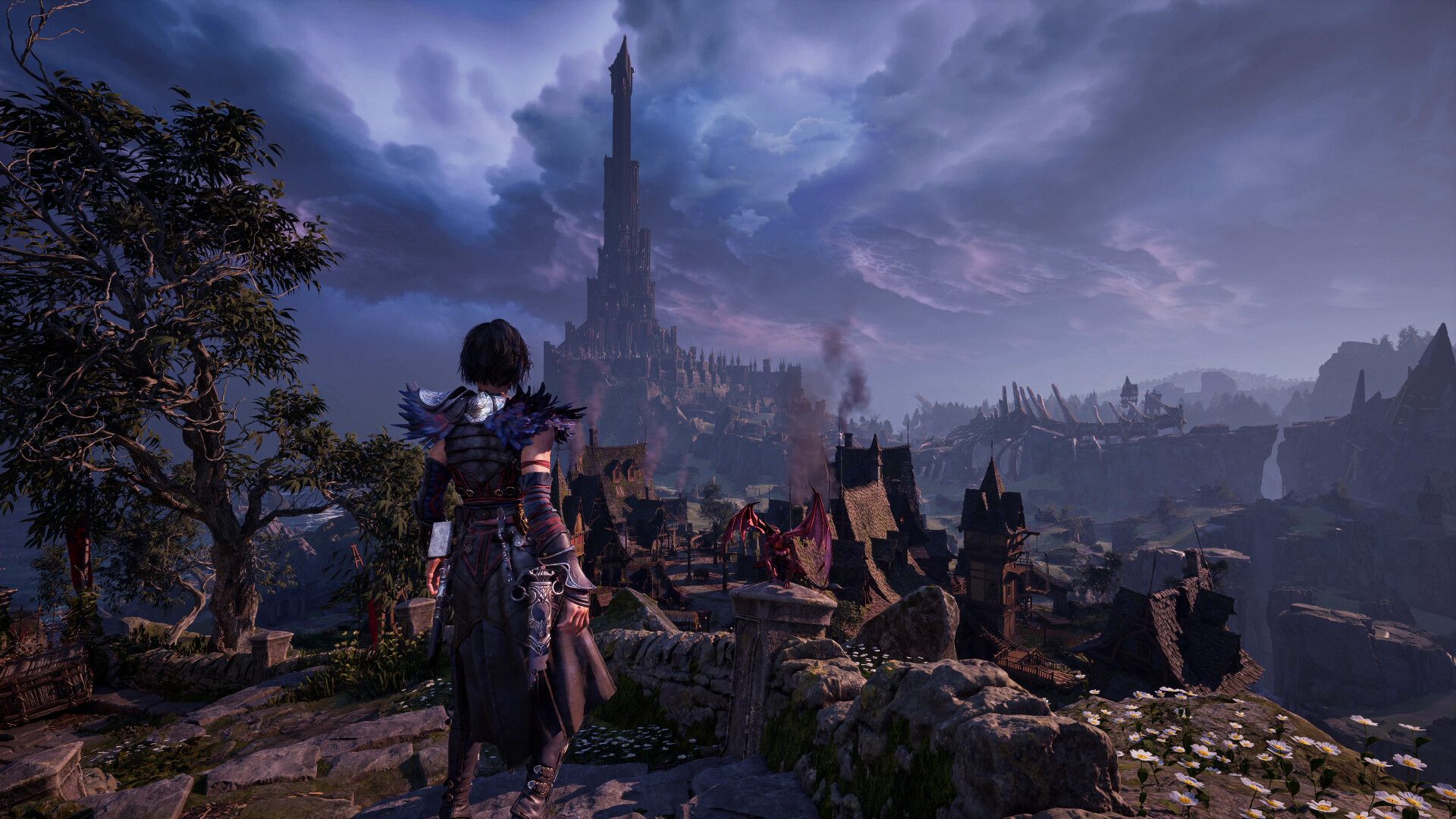
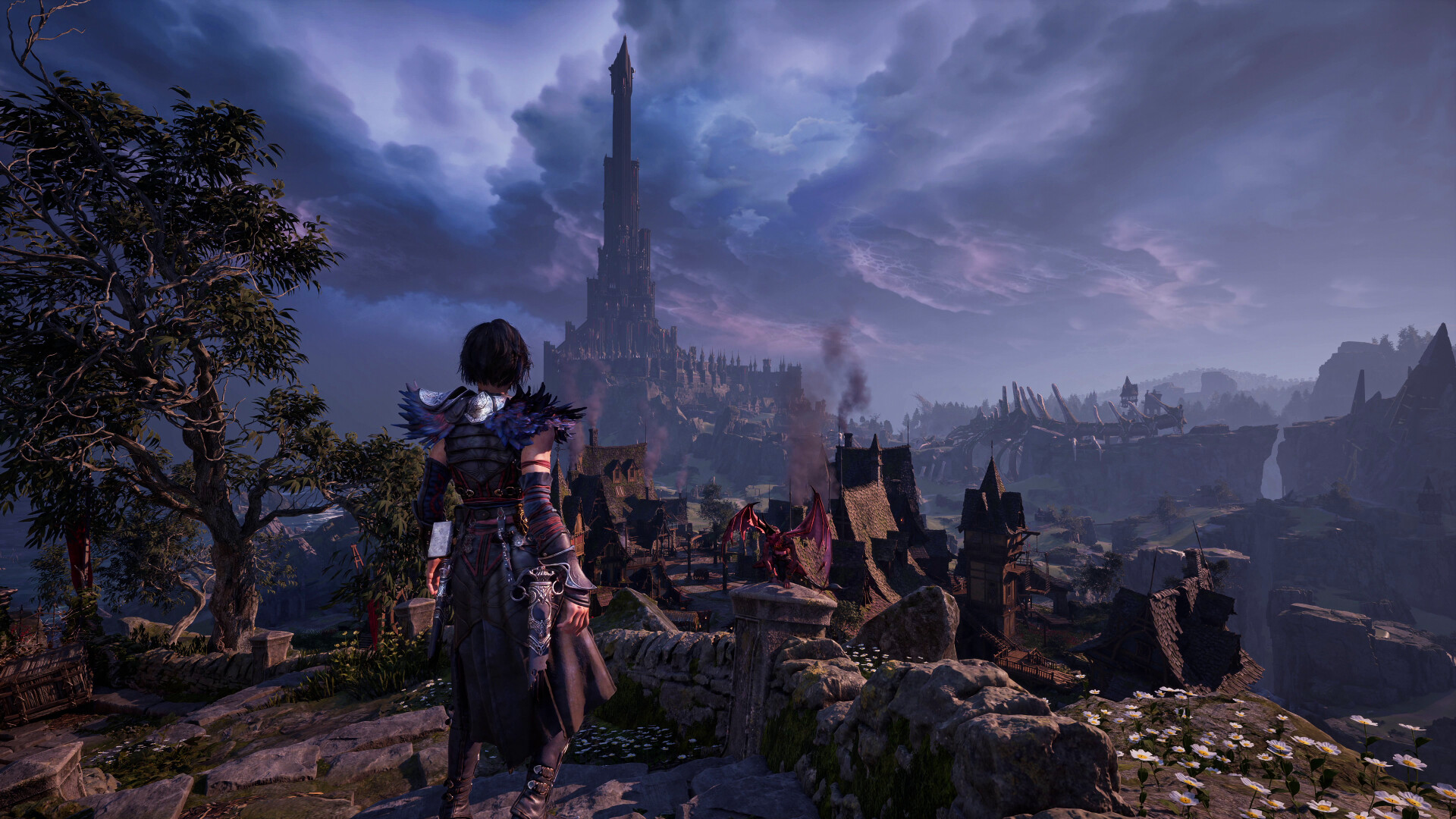
The official site helps the same case from a different angle. It keeps foregrounding Kaatri’s pact with Tasha, the corrupted realm of Darkon, and a spell list built around interaction rather than pure damage. Even when the site’s copy gets theatrical, the named spell pages do useful work because they show the studio wants players to think in combinations.
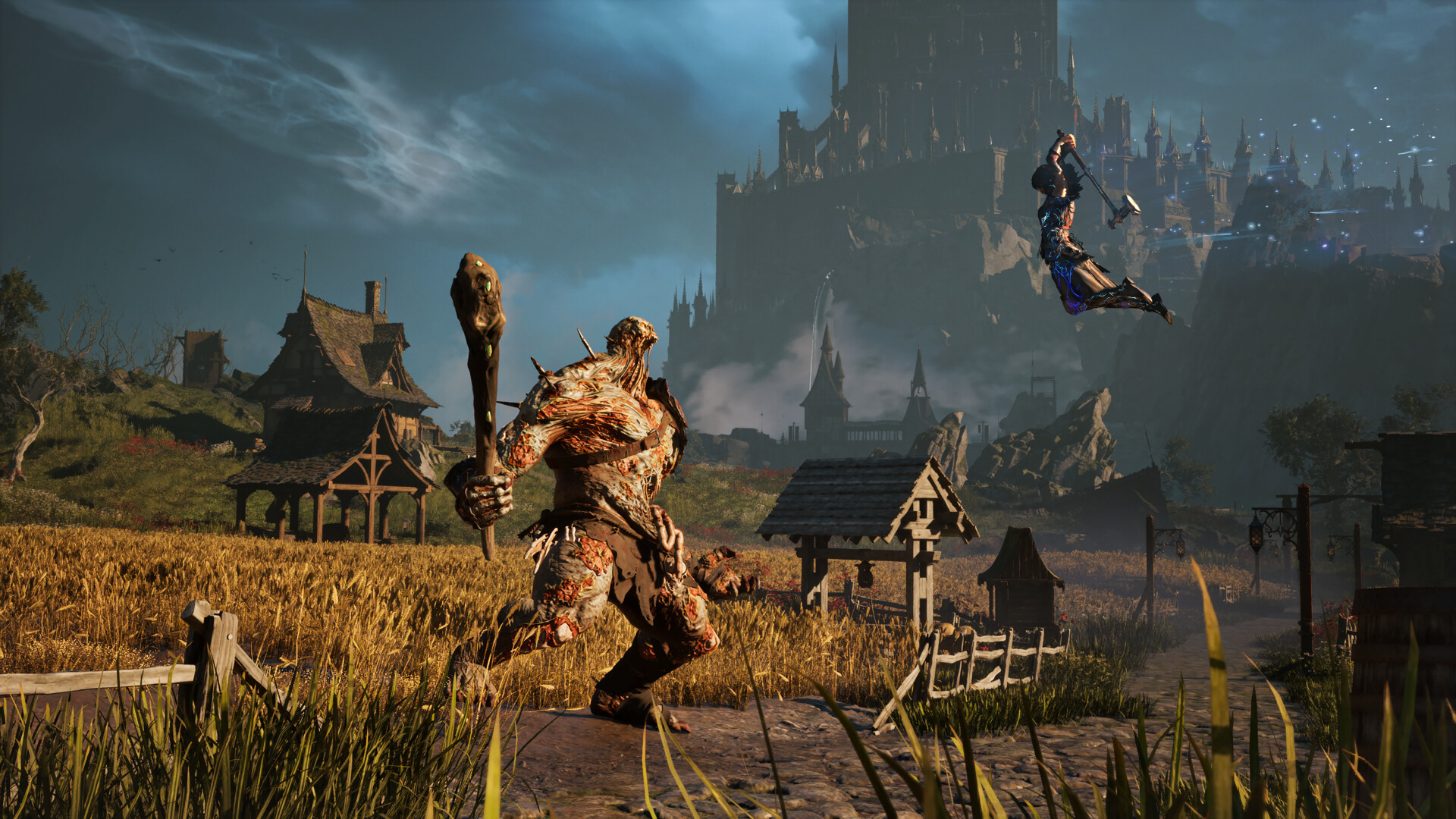
The strongest promise here is flexibility
If the official material is pointing at anything real, it is not “big fantasy world.” Plenty of games can claim that.
The sharper promise is that Warlock wants spellcasting to behave like a language. You are not just matching one colored key to one colored door. You are supposed to read a space, notice what the environment is giving you, and decide whether to cross it, break it, reroute it, or weaponize it.
That is a much better pitch for a D&D adaptation than simply promising swords, monsters, and lore names. It fits the source material’s spirit more cleanly because the appeal is player problem-solving, not just statted-up action.
It also explains why the current read is worth publishing even without player reception. A lot of reveal coverage says a game “looks ambitious” and leaves it there. Xbox Wire’s examples are concrete enough to let players ask a more useful question: is Invoke building a real systemic action game, or just staging a very polished demo that makes a narrow set of interactions look broader than they are?
The store layer is helpful mostly because it keeps the limits visible
Steam is doing two jobs at once here.
First, it confirms the product is real in practical terms. The page for app 3714800 is live, lists Invoke Studios as developer and Wizards of the Coast as publisher, keeps the release window at 2027, and frames the game as a single-player, third-person action-adventure with full controller support and Family Sharing. It also shows Windows on the storefront side and lists 12 supported written languages.
Second, it tells you exactly what this story cannot claim yet. Steam still has no user reviews. There is no usable player-count signal beyond the junk result: 42 response on the current-players endpoint. There is no price, no edition structure, and no final PC requirements sheet worth treating as live buyer guidance.
That is why the cleanest read still stops early. This is a stronger product-facing story than a trailer rewrite, but it is still a trust-the-official-demo story.
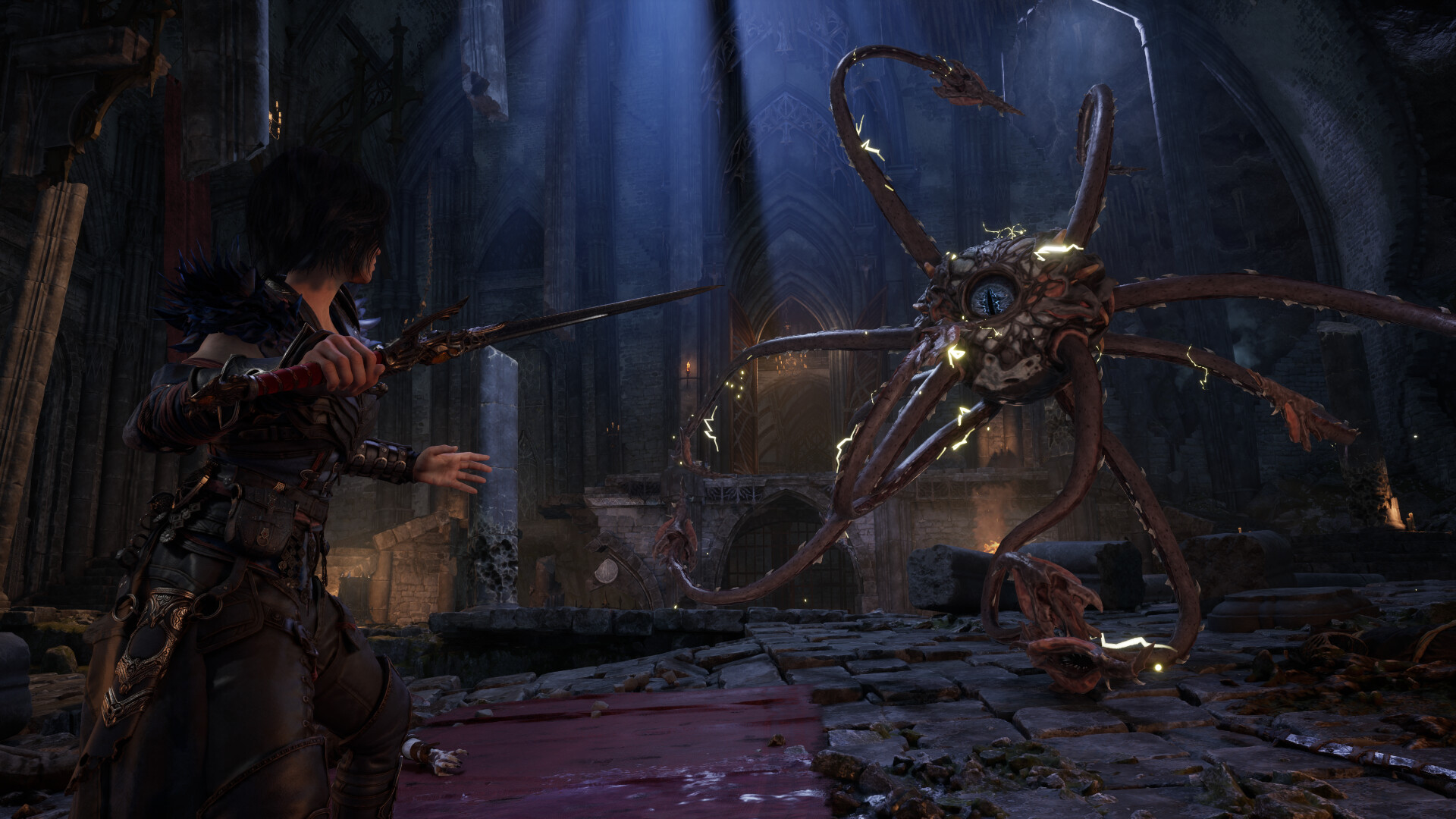
Platform clarity is better than before, but not fully clean
There is one source-layer wrinkle worth keeping visible.
The August 28 Xbox Wire post closes with Warlock: Dungeons & Dragons comes to Xbox Series X|S in 2027. The live Steam page obviously confirms a PC storefront presence. An older Hasbro official announcement is what widens that picture to PC, PlayStation 5, and Xbox. That does not mean the broader platform story is fake. It means the freshest Gamescom post and the older reveal-era announcement are not doing the same job.
That distinction matters because this story is strongest when it stays disciplined. Players do not need us to flatten every official source into one cleaner sentence than the evidence allows.
The honest GameGuideDog read
Warlock is in better shape after Gamescom than it was before Gamescom. That part is real. Xbox finally put a specific magic-and-exploration argument on the table, and it is interesting for the right reasons. It suggests a game built around choice, improvisation, and environmental play instead of one more fantasy action lane where the D&D branding mostly lives in the names.
But there is still no public verdict to lean on, no independent hands-on from us, no price, no final specs, and no proof that the broader combat loop stays sharp once players are outside a carefully staged demo.
So the useful takeaway is simple: Warlock: Dungeons & Dragons now looks like a real 2027 watchlist game because the official Gamescom beat finally explains how its systems are supposed to breathe. It still does not give buyers enough evidence to trust the feel, the scope, or the final consistency yet.
For more GameGuideDog coverage, browse our gaming section, revisit another Xbox-led Gamescom package in our Metro 2039 Gamescom analysis, compare a different official systems-focused follow-up in our Fable Gamescom combat analysis, or open the latest English stories.