

War of the Dragon: The Wheel of Time now has the number that matters after the noise dies down. The Kickstarter is closed, and the public post-campaign result shows $1,166,993 pledged by 6,156 backers for Dire Wolf’s official tabletop adaptation of Robert Jordan’s fantasy series.
That makes this a different story than the June 9 breakout read. Back then, the question was whether the campaign had escaped the usual licensed-game curiosity window. Now the answer is cleaner: yes. A campaign that started with a $50,000 goal, ran from May 27 to June 23, and finished above $1.16 million is no longer just riding a familiar logo.
Why the final total matters
The obvious reason is scale. Kicktraq’s archive lists the project as successfully funded with 6,156 backers, a $190 average pledge, and $1,166,993 of a $50,000 goal. Launch Oracle shows the same final pledge and backer totals. That is a strong enough result to treat War of the Dragon as one of the clearer tabletop crowdfunding signals of June.
The more useful reason is fit. Dire Wolf has enough tabletop credibility that the publisher name changes the read. This is the studio behind Dune: Imperium and Clank!, and its official pitch for War of the Dragon is not just “Wheel of Time on a board.” Dire Wolf describes a two-player grand-strategy game built around tableau building, set collection, and area control.
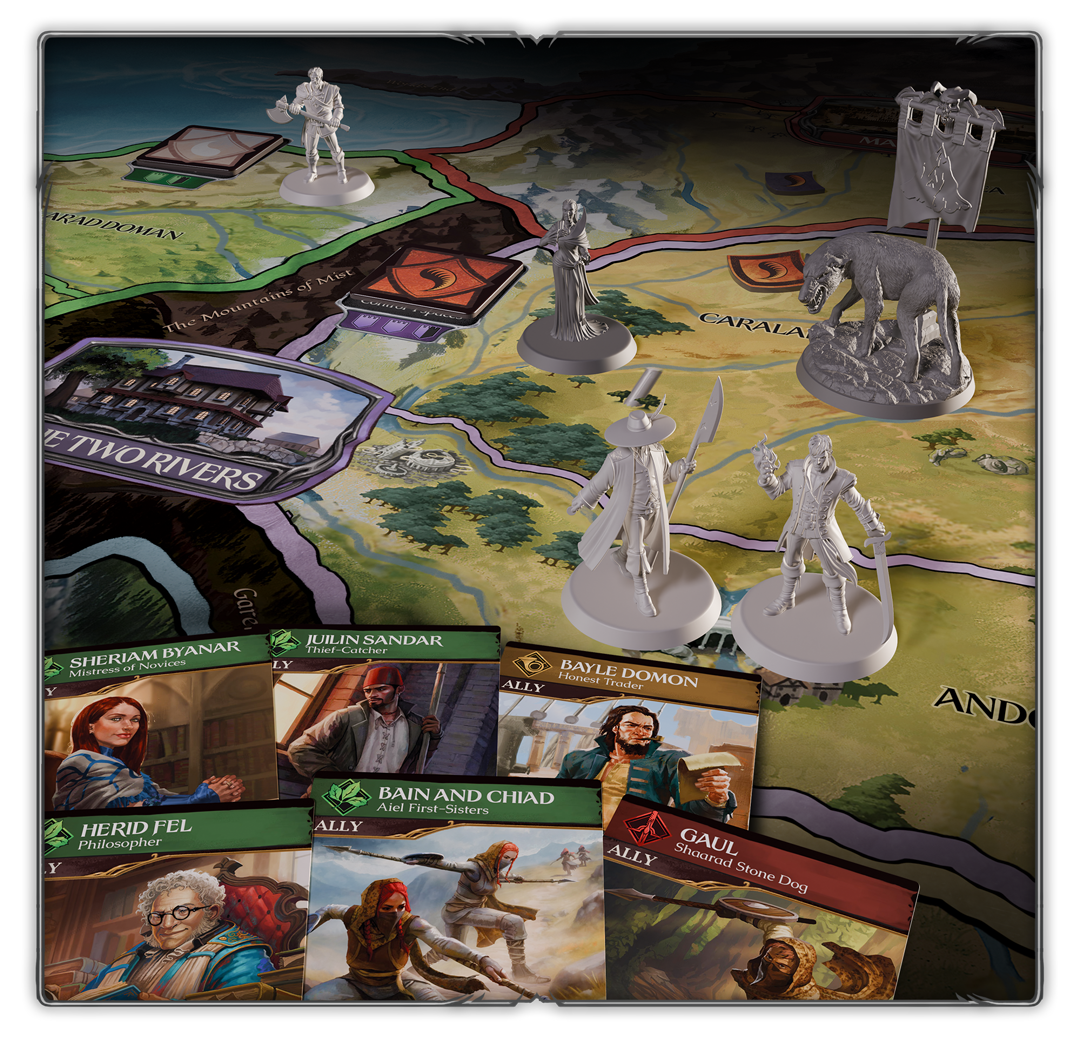
That gives fans something concrete to evaluate. The campaign sold a struggle between Light and Shadow across the Westlands, with shorter Hero Mode and larger Epic Mode structures covering the road from The Battle of the Two Rivers to The Last Battle. The late-campaign update also added a meaningful solo-player signal: Solo Mode was revealed after fan demand, with Dire Wolf framing it as an option for players who want to face the Shadow alone.
This is still not a review
The guardrail is important because the final number is easy to overread. A million-dollar finish proves demand. It does not prove balance, pacing, fulfillment quality, or whether the full epic mode will feel as sharp as it sounds once ordinary tables have it.
What the final result does prove is that Dire Wolf found a real audience for this adaptation. The campaign did not merely clear its goal; it closed with enough backers to make The Wheel of Time feel like a live tabletop property, not a one-week nostalgia spike.
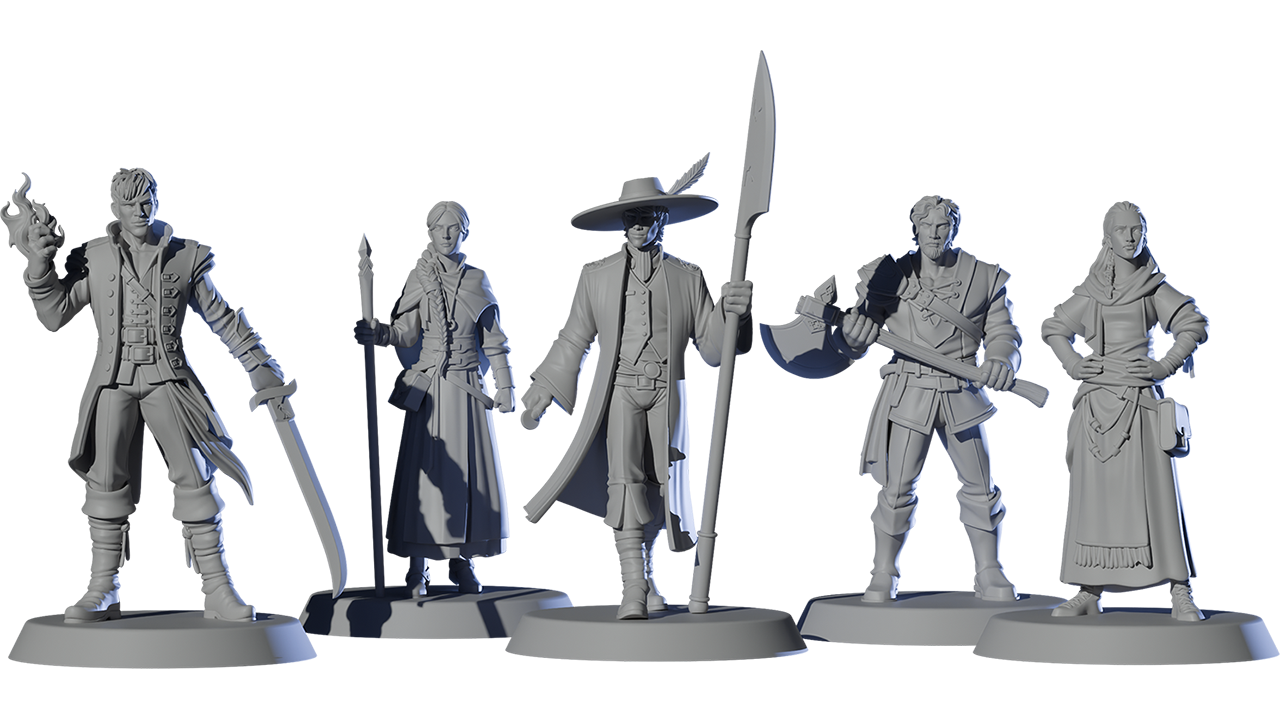
The timing helps explain the heat. The Wheel of Time still has a large fantasy readership, the TV version left fans with unfinished energy, and this is billed as the first-ever official board-game adaptation of the series. For tabletop buyers, the stronger hook is that Dire Wolf seems to be aiming at a strategic adaptation of the saga’s wars, missions, heroes, and endgame pressure instead of a lightweight tie-in.
The clean post-campaign read
The campaign is over, so this is not a “back now” recommendation. It is a watchlist marker. War of the Dragon: The Wheel of Time closed with a final total big enough to justify attention through previews, late pledges, retail plans, and eventual hands-on coverage.
If Dire Wolf can make the two-player Light-versus-Shadow structure carry the weight of the books without collapsing into procedural bookkeeping, this could be one of the more important fantasy strategy boxes coming out of 2026 crowdfunding. For now, the honest takeaway is narrower but still strong: the audience showed up, the final total held, and Wheel of Time has a real board-game signal to follow.
For more tabletop coverage, visit our board-games lane, read the earlier Wheel of Time Kickstarter breakout, check the latest Altera final-weekend Gamefound read, or catch the Halo: Campaign Evolved board-game reveal.