
War of the Dragon: The Wheel of Time has moved past the usual “big fantasy IP meets Kickstarter” headline. When rechecked on June 9, the official campaign page showed $777,424 pledged, 3,879 backers, a $50,000 goal, 14 days to go, and Kickstarter’s Project We Love badge.
That is enough to treat this as a real crowdfunding breakout instead of a thin press rewrite. The more useful question is why this one is moving. Part of the answer is obvious: The Wheel of Time is still a heavyweight fantasy name. The other part is that Dire Wolf is not some random license grabber. This is the publisher behind Dune: Imperium and Clank!, which gives the campaign a stronger tabletop read than a generic adaptation would get.
The official pitch has more shape than empty IP recycling
Dire Wolf’s own announcement frames War of the Dragon as the first board-game adaptation of Robert Jordan’s series. More importantly, the publisher is at least specific about what kind of game it wants this to be: a two-player grand-strategy game built on tableau building, set collection, and area control, with both a simpler Hero Mode and a larger-scale Epic Mode.
That specificity matters. Licensed projects get flimsy fast when the only real hook is the logo on the box. Here, Dire Wolf is pitching a system that sounds like it is trying to translate the books’ long war, shifting control, and character-driven power swings into something more concrete than fan-service art.
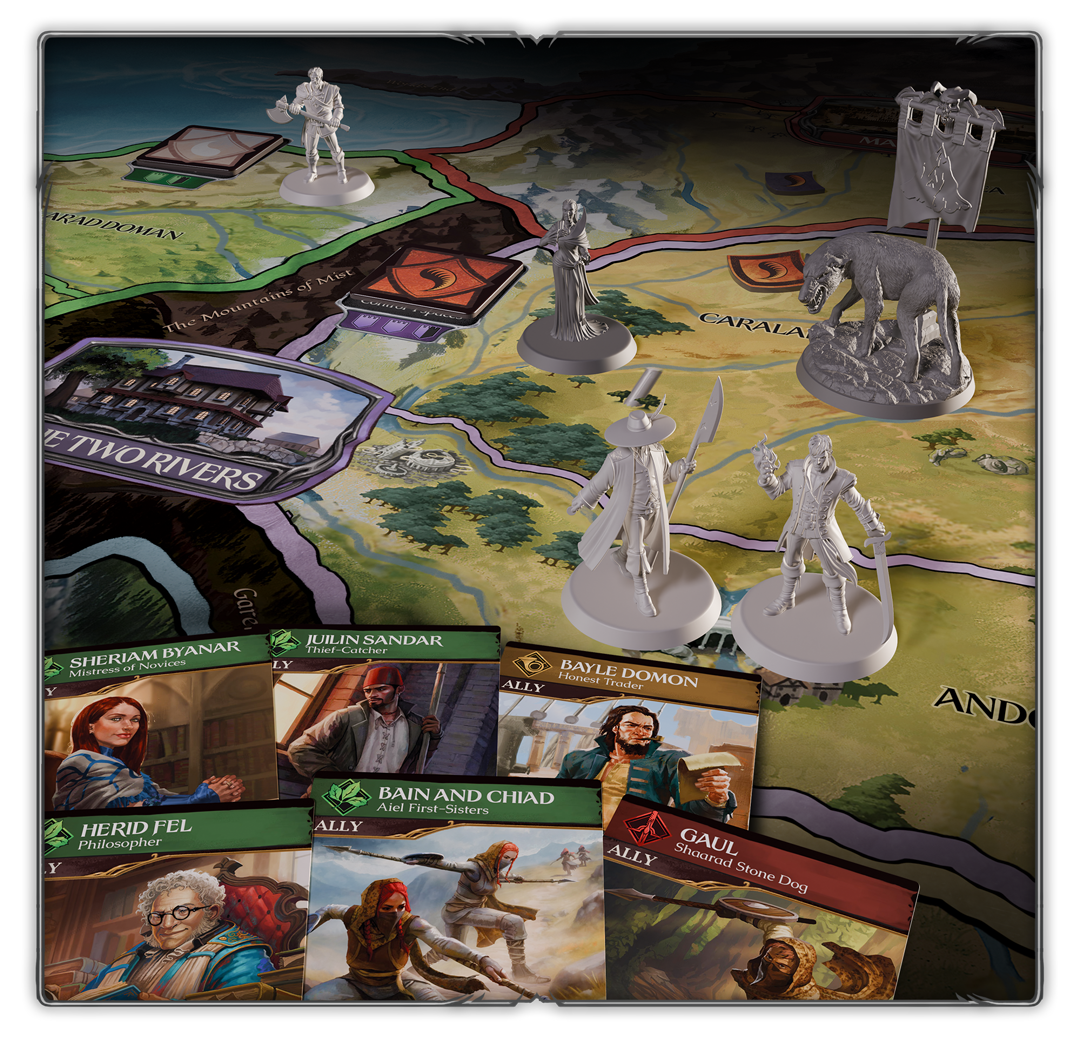
The scope pitch is also bigger than a single-season tie-in. Dire Wolf says the box pulls material from all 14 books, stretching from The Battle of the Two Rivers to The Last Battle. That does not guarantee the design lands, but it does explain why the campaign is catching both tabletop attention and mainstream fantasy curiosity.
The breakout angle is real, but the guardrails still matter
The live numbers do the heavy lifting on their own. A campaign sitting above 15 times its goal with nearly 3,900 backers and two weeks still on the clock is not small-project noise. The official page also gives it a little extra platform signal through Project We Love, while outlets like IGN and TechRaptor picked it up quickly enough to show this is traveling beyond Dire Wolf’s own channels.
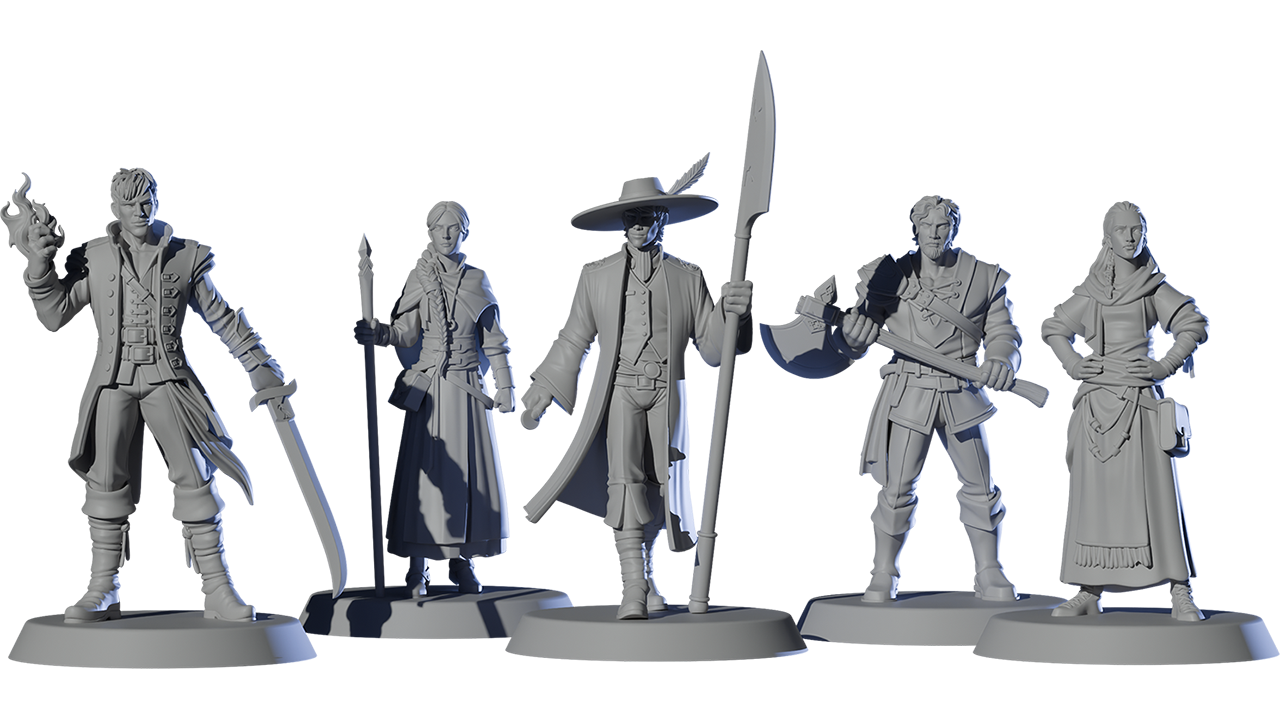
The brakes matter just as much. This is not a review, and it is not proof that the finished game will be great. Crowdfunding heat can tell you that people want in; it cannot tell you whether the final balance, pacing, or component execution will hold up. The honest read today is narrower: the campaign is live, the official pitch is specific, and the funding line is strong enough to make it worth watching right now.
What changes for buyers and fans now
If you are a Wheel of Time fan who only notices board games once they are already halfway gone, this is the useful checkpoint. The campaign is live, the publisher has put real mechanical detail on the table, and the buyer signal is broad enough to separate it from random licensed clutter.
What is still unresolved is the part that always matters most with crowdfunding: how well the game actually plays once the box is in people’s hands. Until then, the clean takeaway is simpler than the hype cycle: War of the Dragon is one of the stronger live tabletop campaigns on the board today, and this one has enough evidence behind it to justify real attention.
For more tabletop coverage, visit our board-games lane, catch the recent Vampire Survivors late-pledge buyer watch, revisit the Earthborne Trailblazer Kickstarter breakout, or check our earlier Concordia Special Edition Gamefound heat read.