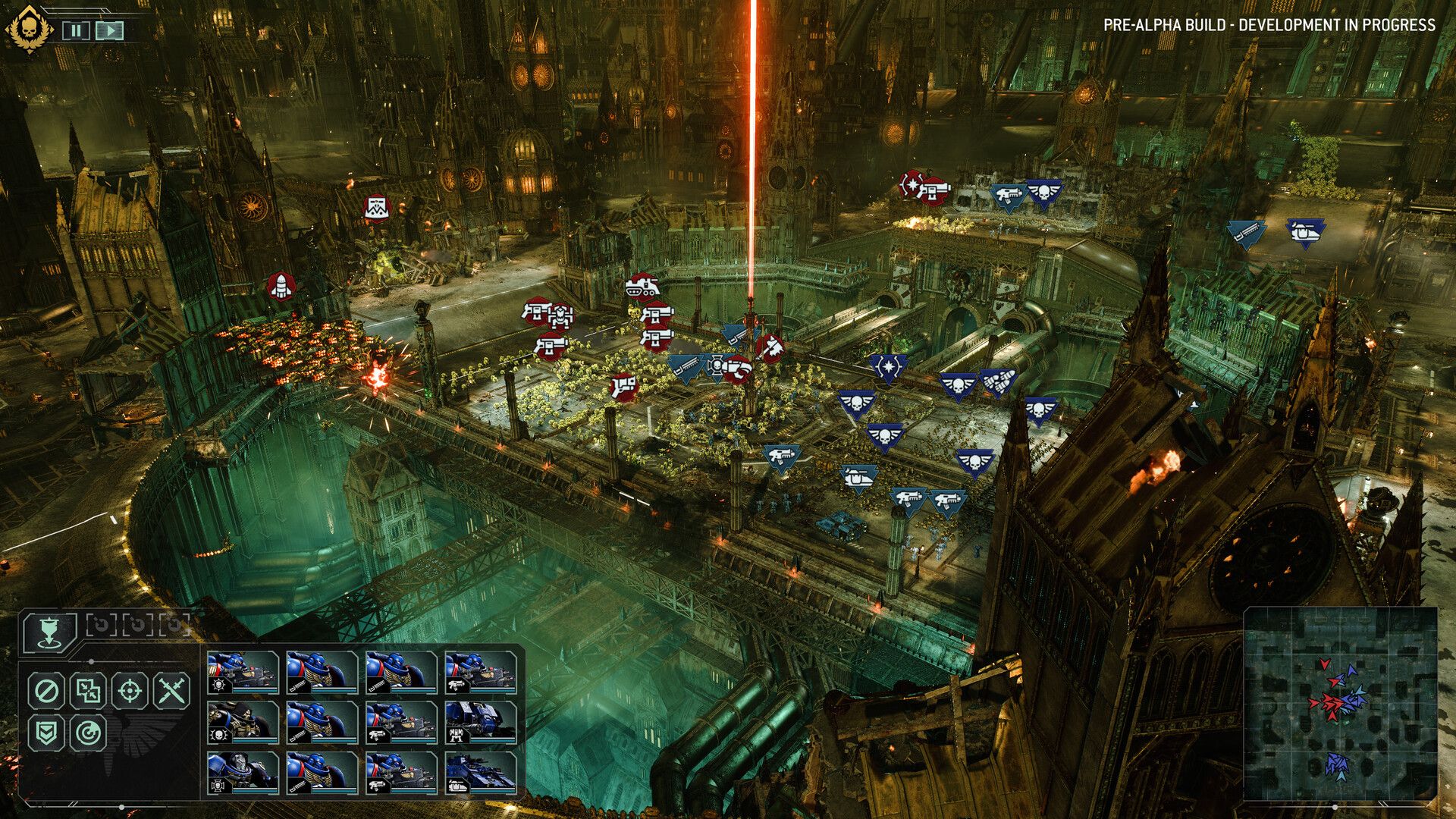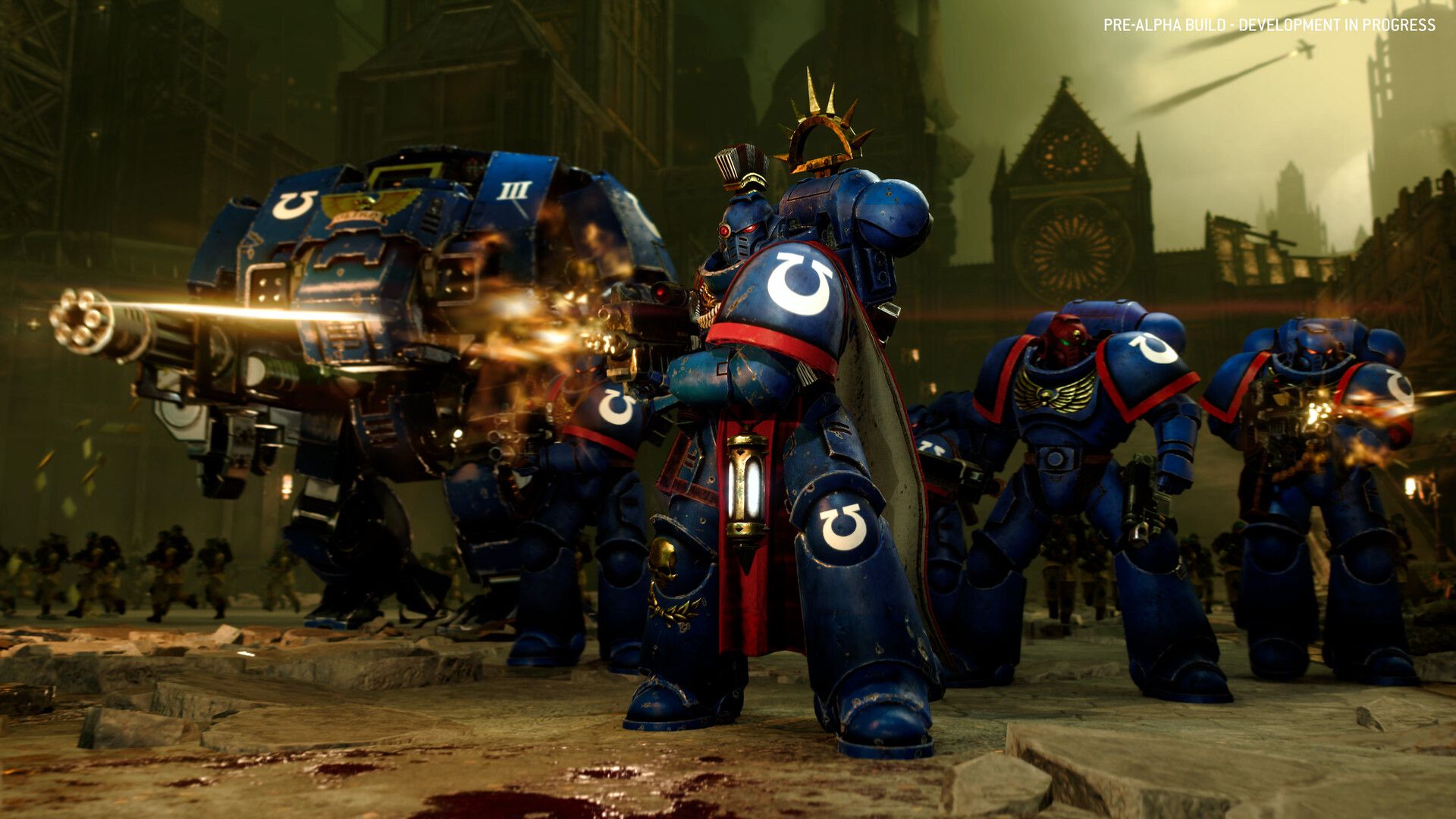

Total War: WARHAMMER 40,000 finally looks like a game you can argue about instead of a logo you can project onto. On Thursday, July 23, 2026, Creative Assembly used its first Alpha Strike livestream to show a full battle and put ranged combat at the center of the pitch. That matters because this project was never going to live or die on faction recognition alone. The real risk was simpler: could Total War translate Warhammer 40K’s gun-heavy battlefield logic without feeling like fantasy melee rules wearing a bolter skin?
The public answer is still incomplete, but it got a lot more interesting after this stream. The official surfaces still do not give a release date or a price. They do give something more useful for Sunday morning analysis: a clearer sign that Creative Assembly knows the pressure point. This game has to make cover, fire lanes, reinforcement timing, command structure, and battlefield destruction feel central. If those pieces stay decorative, the whole 40K pivot gets shaky fast.
This had to be about ranged warfare, not just scale
Scale was never the hard sell. The official Steam page already made that part easy: four flagship factions, a galactic sandbox, big real-time battles, orbital bombardment, destructible terrain, and battlefield abilities that reshape the map. That is enough to make a reveal trailer work. It is not enough to prove the combat loop can carry Warhammer 40,000 specifically.
That is why the July 22, 2026 Creative Assembly press release mattered. It did not promise another vague showcase. It explicitly framed the next day’s event as a full battle plus a ranged-combat mechanics deep dive. In other words, the studio pointed directly at the part players were most likely to distrust.
That was the right call. A 40K strategy game that cannot make ranged positioning, suppression pressure, and combined-arms timing feel legible is going to get torn apart no matter how pretty its walkers look from orbit.
The first useful sign is that the studio seems to understand the real problem
GameGuideDog did not get hands-on time with the build, so this is not a preview verdict. But the public packet is strong enough to support one honest read: Creative Assembly appears to be building this around actual battlefield geometry instead of treating guns as just louder archers.
The official Steam copy already backs part of that up. It talks about destructible terrain, reinforcements, and strategic abilities where every impact reshapes the terrain, creating new cover and fresh tactical opportunities. That is still marketing language, but it is at least the right marketing language for this universe.
The finer texture comes from the stream coverage published on July 23 and July 24, 2026. PC Gamer described the Alpha Strike battle as an Astra Militarum defense against Orks and pulled out specific systems such as line of sight, suppression, reserves, and unit-level battlefield behavior. Windows Central treated the same stream as the first real unedited look at how ranged combat might hold together, which matters because this is also a console story now, not a PC-only side lane.
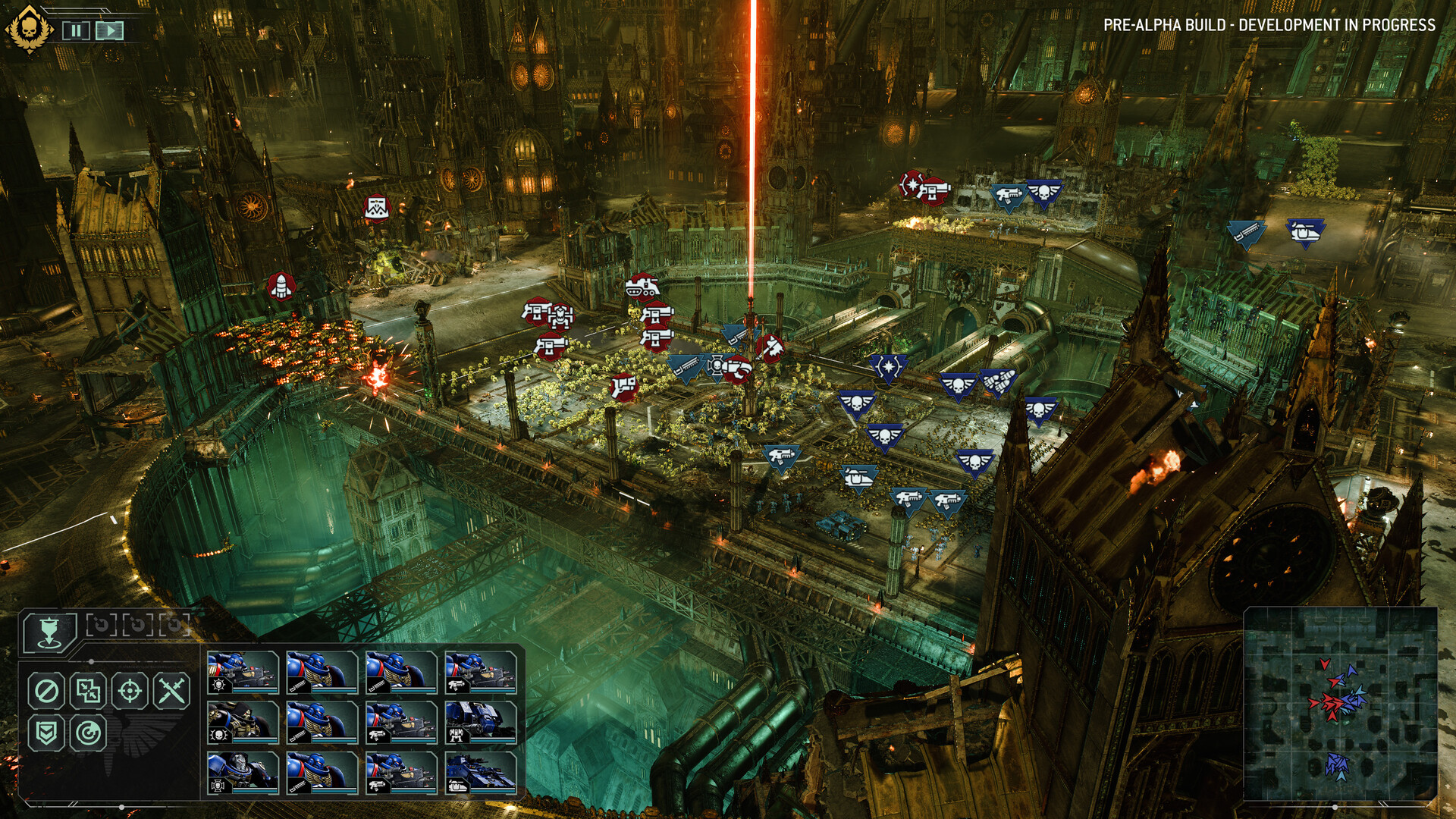
Those are reported observations from a public stream, not final-balance proof. Still, the shape matters. If the public read is already talking about cover, fire discipline, reserves, and command dependency, then the game is at least attacking the right design problem.
Astra Militarum was a smart way to run the first public battle
Creative Assembly could have led with spectacle-first factions and tried to win the room that way. Instead, the packet says the showcased battle centered on Astra Militarum defending against Orks. That is a much better systems test.
Why? Because Astra Militarum is one of the clearest stress tests for whether the game understands 40K’s battlefield identity. An Imperial Guard army should not just be “lots of units.” It should feel like a formation that depends on orders, overlapping fields of fire, armor support, and keeping pressure from turning into panic. If that kind of faction reads well, the larger case for the game gets much stronger.
That does not mean the issue is solved. A curated pre-release battle can still hide a lot. The stream cannot tell players how readable the late campaign gets, how smart the AI stays under heavy ranged chaos, or whether consoles hold up once artillery, infantry, walkers, and destruction all pile onto the same scene. But leading with a faction that exposes those questions instead of dodging them was the right editorial choice from the studio.
The campaign pitch is still attractive, but the battle rules remain the real test
The broader official framing is easy to like. The Total War announcement hub and the Steam page both sell the same broad fantasy: wage war across a galactic sandbox, capture planets, upgrade fleets, build your war machine, then drop into huge battles over installations and strongholds. That is a powerful headline concept.
The problem is that strong strategy headlines can survive a long time without proving the minute-to-minute combat rhythm. That is why this Alpha Strike beat matters more than another lore-heavy article or cinematic trailer would have. It gave the project a public mechanics checkpoint.
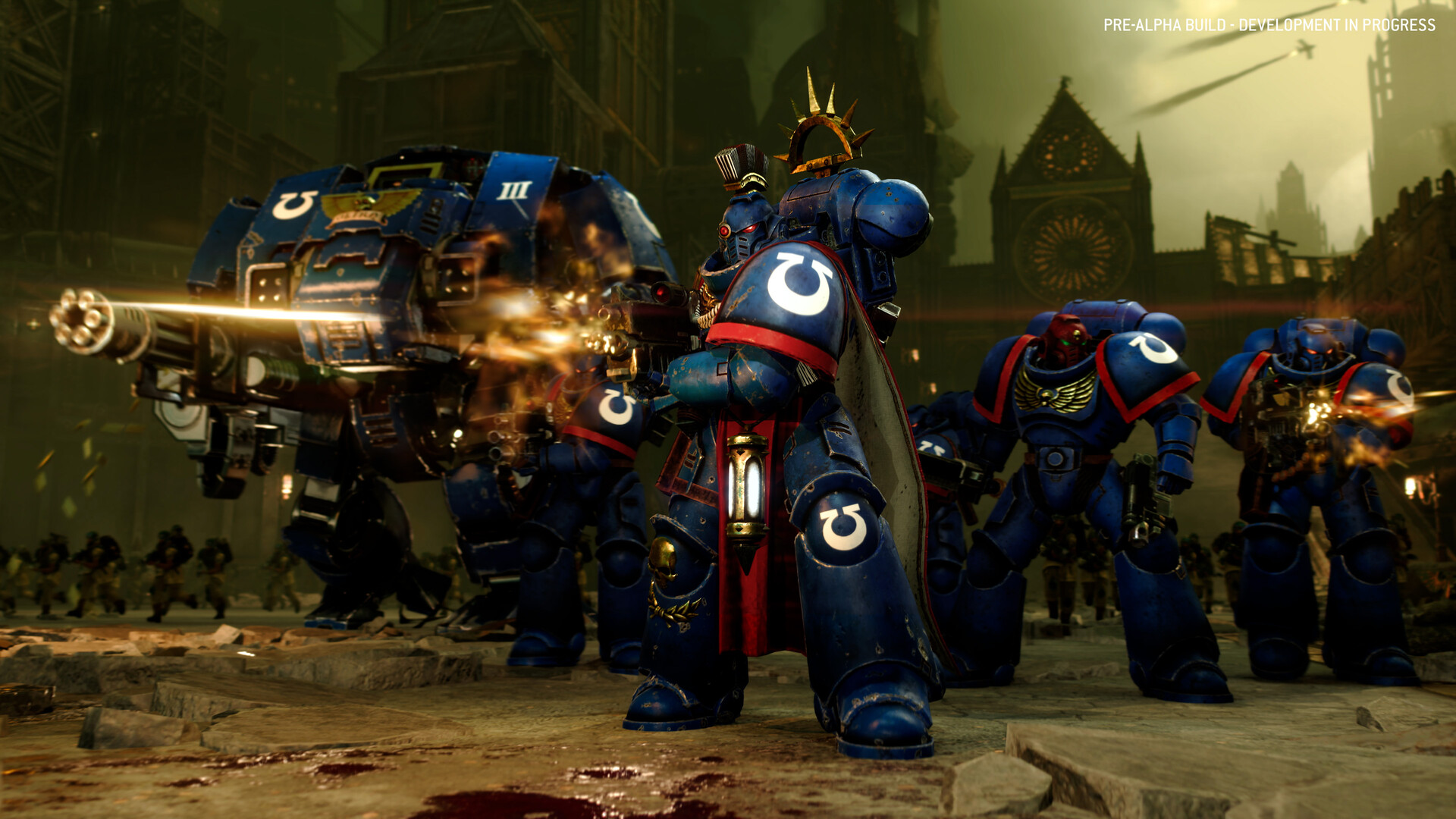
The safest current conclusion is not “Creative Assembly has nailed it.” It is narrower than that. The studio finally showed enough that players can stop asking whether it understands the assignment at all. The public answer now looks closer to yes, it understands the assignment. The much harder follow-up is whether it can sustain that quality across factions, maps, campaign length, and console play.
What players can safely believe on Sunday, July 26, 2026
The clean facts are these:
- The first Alpha Strike livestream happened on July 23, 2026.
- Creative Assembly explicitly framed it around a full battle and ranged combat.
- The official Steam page still lists the game as to be announced, with no public release date.
- Officially named headline factions remain Space Marines, Orks, Aeldari, and Astra Militarum.
- The official feature set includes a galactic campaign layer, destructible terrain, reinforcements, and battle abilities that reshape terrain.
The limits matter too:
- This is not a GameGuideDog review or hands-on preview.
- There is still no public price, date, or final performance read.
- Reported stream specifics like suppression or line-of-sight behavior should stay tied to the public stream coverage unless Creative Assembly publishes a deeper official breakdown.
- One strong livestream does not prove the whole campaign-and-battle package is solved.
That still leaves the story worth publishing. The useful angle on Sunday, July 26, 2026 is not blind hype. It is that Total War: WARHAMMER 40,000 finally showed the exact area where skepticism was justified, and the first serious public read suggests Creative Assembly may actually be building around the right combat logic instead of hoping the license does the work for it.
For more GameGuideDog coverage, browse our gaming section, compare another official systems read in God of War: Laufey gets a February 2027 date, revisit our broader Bethesda roadmap analysis, or open the latest English stories.