

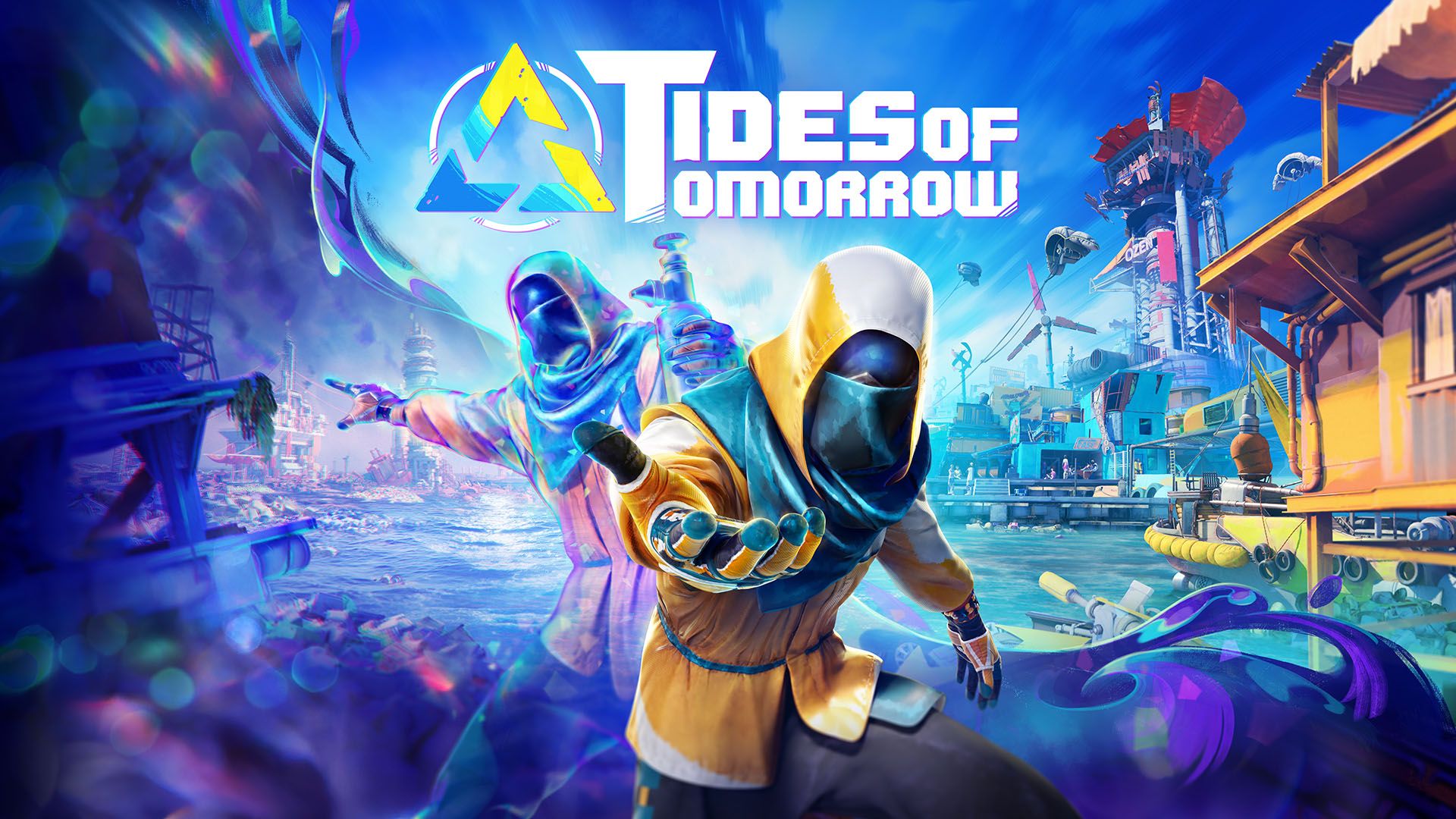
Tides of Tomorrow is out now on Xbox Series X|S, and on paper it could have been easy to shrug off as another pretty narrative game trying to sell atmosphere first and specifics later. The official launch material gives it a better hook than that. DigixArt is pushing a system called Story-Link, where another player’s decisions can change the state of the world you step into, while your own choices then ripple forward to the next run.
That does not automatically make this a hit. It does make the launch story more useful than the usual day-one fog. Xbox’s official post and the store listing give players three concrete reasons to pay attention now: the game is live on April 22, it is priced at $29.99, and its biggest mechanical idea is clear enough to judge before first-week reaction piles in.
What makes Story-Link more than a marketing label
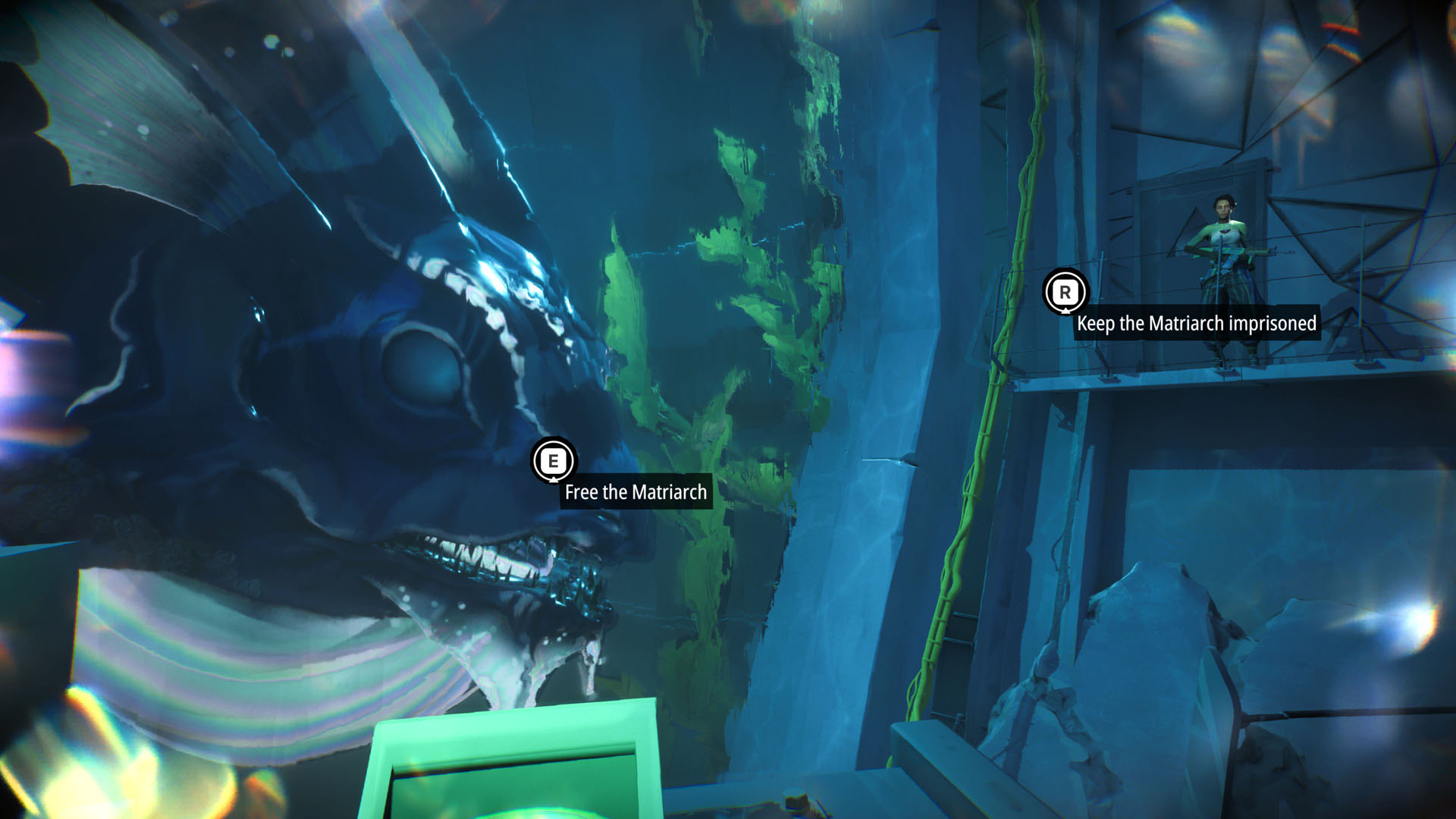
The easiest way to oversell Tides of Tomorrow would be to call it a revolutionary shared-world narrative game and move on. The official explanation is more grounded than that. DigixArt says you follow the Story-Link of someone who played before you, whether that is a friend, a streamer, a stranger, or even a developer. Their earlier actions can change the narrative state of each island you reach.
That means the pitch is not simply “choices matter,” which every narrative game claims sooner or later. It is that previous players can leave visible consequences in your version of the story, while you still keep control over your own larger arc. Xbox Wire frames that balance as one of the game’s main design problems during development, and that is exactly the right thing for players to watch. If the system works, Tides gets a real identity. If it does not, the whole concept risks feeling like decorative tech around a familiar branching campaign.
The official post also points to a trait system tied to your behavior. Survivalist, Cooperative, or Troublemaker-style traits are meant to evolve from your decisions, unlock later opportunities, and shape how your playthrough develops. That adds some weight to the broader claim. This is not presented as a one-off gimmick bolted onto the intro. DigixArt is selling Story-Link and player-shaped consequences as the backbone of the whole run.
What players can actually verify today
The clean part of this story is that the launch package is not all vapor. The Xbox Store confirms Xbox Series X|S support, single-player focus, and console features including 4K Ultra HD and 60 fps+. That matters because it keeps the platform line honest. This is not an everything-boxes release. It is a current-generation Xbox launch with a fairly direct store pitch.
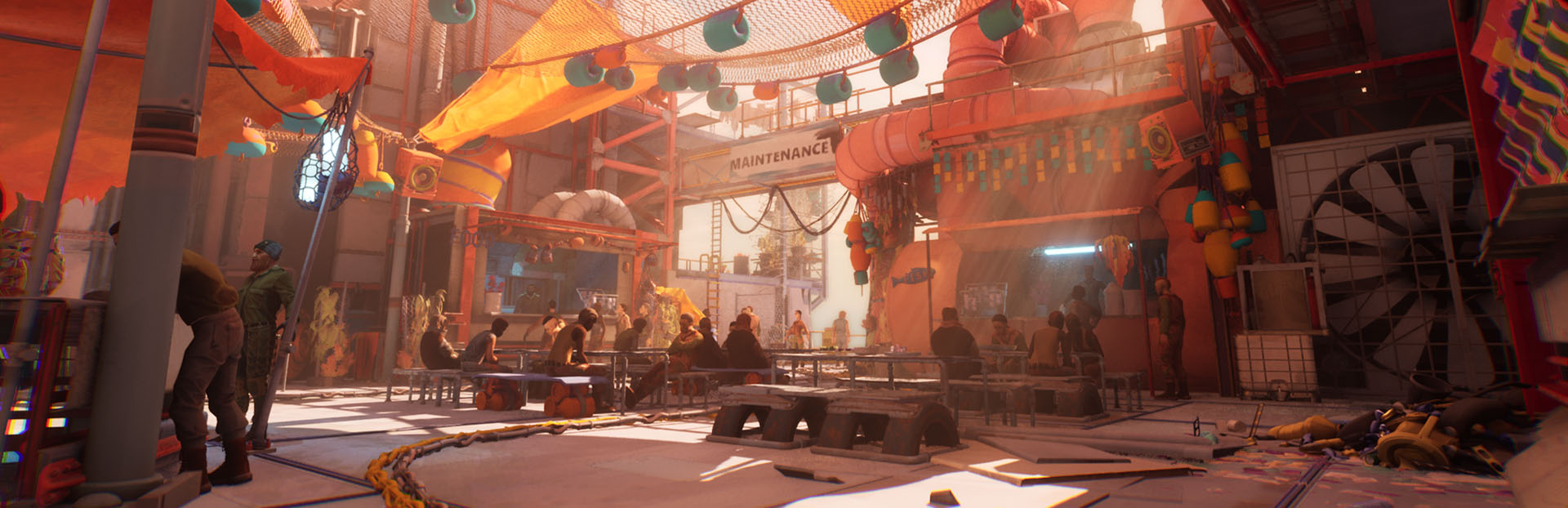
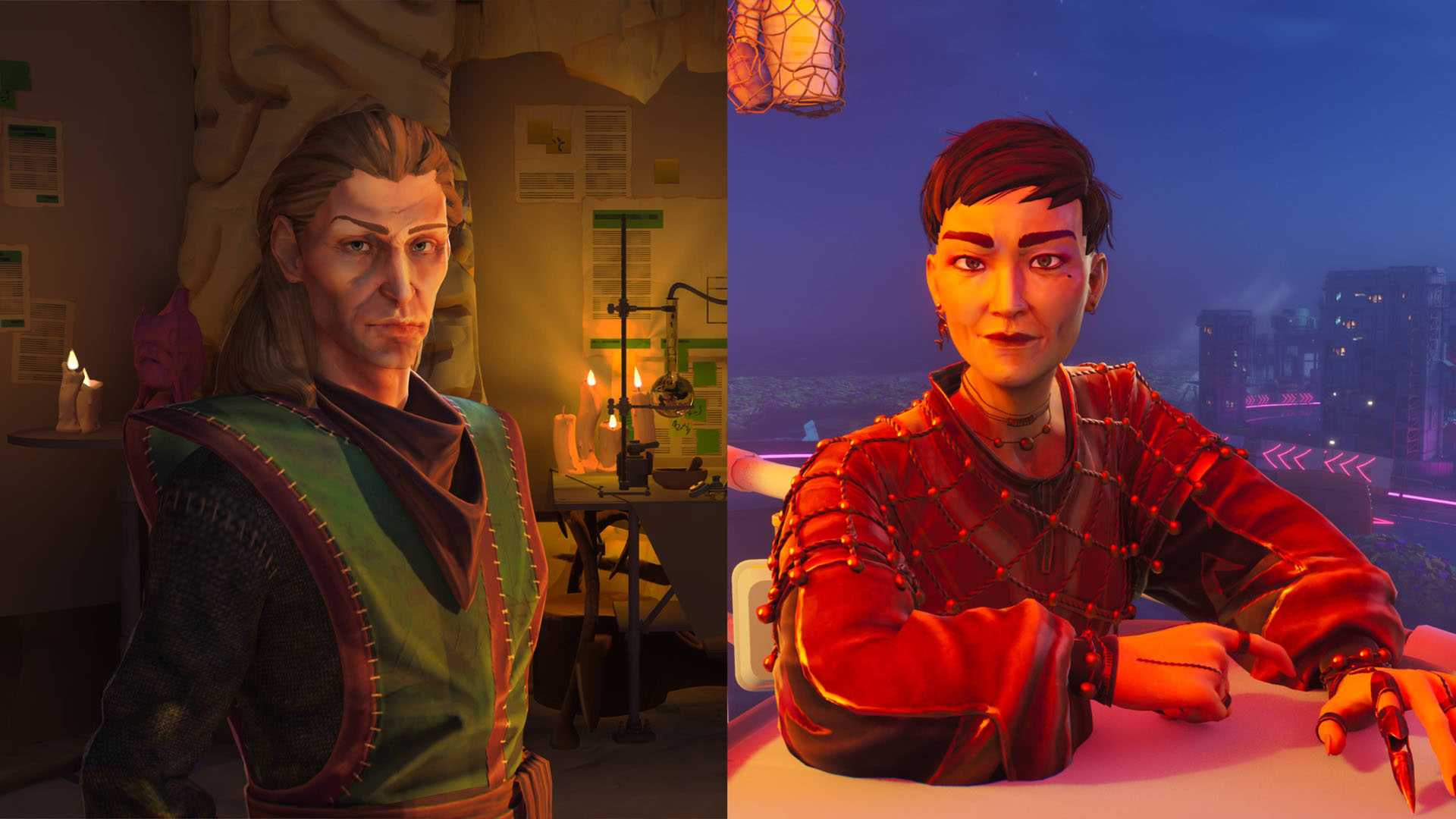
The official copy also gives a better sense of what you are doing moment to moment. You are sailing between floating locations, managing resources in a world hit by a disease called Plastemia, and dealing with factions including Marauders, Reclaimers, and Mystics. Some of the small choices are framed as practical tradeoffs rather than simple morality toggles. DigixArt specifically calls out resource decisions, like whether you share medicine or keep it, as choices that can come back later.
That is the useful read right now. Tides of Tomorrow is not arriving as a blank-box mystery. It is launching with a defined mechanic, a visible platform scope, and a real price. For players scanning a crowded week, that is enough to decide whether this is a day-one curiosity, a wishlist add, or something to leave alone until post-launch impressions settle.
The honest limit of the launch-day case
There is still a big difference between a clear concept and a game that actually lands. We do not have first-week retention data, broad player reaction, or proof yet that Story-Link creates meaningful variety instead of shallow branching with better branding. We also do not know how often those inherited changes will feel surprising versus scripted.
Still, the evidence is strong enough for one clean conclusion: Tides of Tomorrow has a better launch angle than most narrative-action games get. The official material explains what makes it different, and the store page gives enough hard detail to treat it like a real release decision instead of vague mood-board marketing.
The next checkpoint is simple. Once players get real time with it, the question stops being whether Story-Link sounds smart on a blog post. It becomes whether those inherited choices actually make each run feel meaningfully different.
For more GameGuideDog coverage, browse our gaming section, check the latest English stories, catch our Diablo IV skill tree overhaul report, or revisit our Gran Turismo 7 update 1.69 brief.