
The Sinking City 2 finally has the kind of launch-week package that can tempt a preorder. On Saturday, August 15, 2026, the official facts were clean: Steam still listed the game for August 18, 2026, Frogwares’ own June 8 post still pointed to a free one-hour demo on Steam, and the store still had three editions priced at $49.99, $54.99, and $59.99.
What it still did not have was the one thing that matters most before you pay extra: user reviews. Steam’s official review summary was still at 0, and the current-player endpoint was only 42. That number is too small and too prelaunch to treat as reception. So the honest buyer read is much simpler than the premium-edition page wants it to be: play the demo first, buy the standard edition if you are already sold, and wait for real release-day evidence if you are not.
The launch facts are strong enough, but they are still launch facts
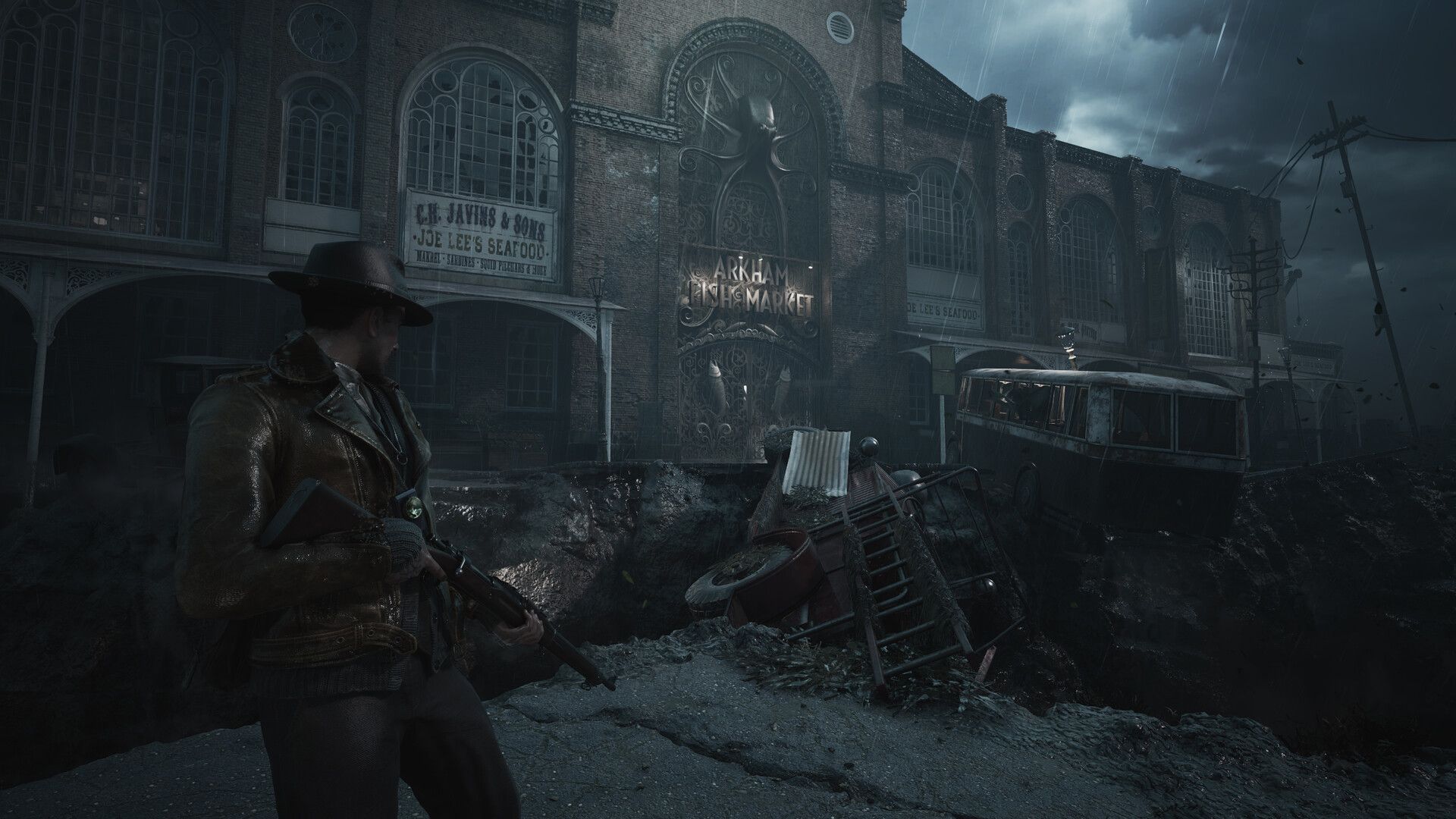
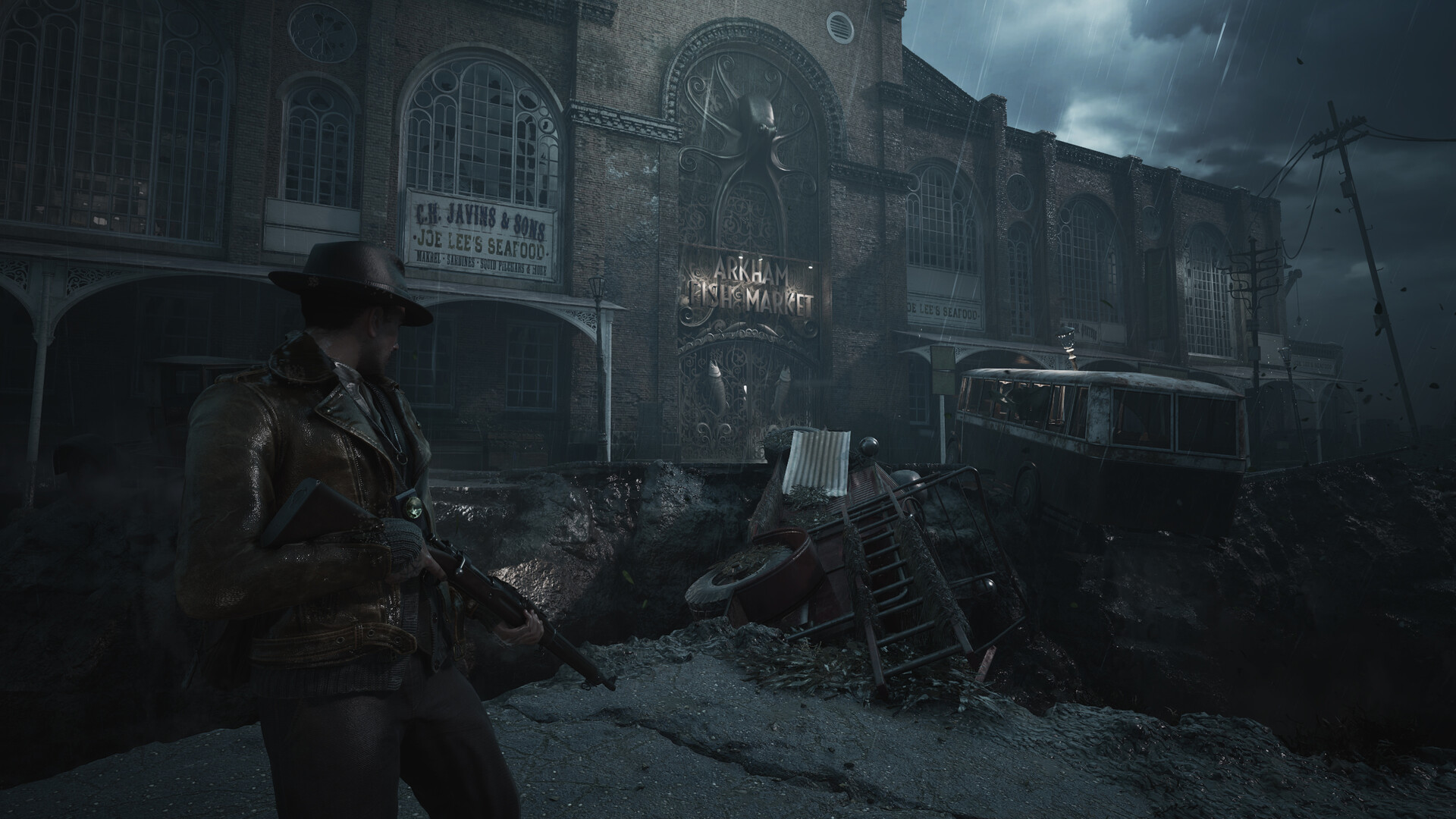
Frogwares is not being vague here. The studio’s official post says The Sinking City 2 launches on Tuesday, August 18, 2026 for PC, PS5, and Xbox Series X|S. On Steam, the PC page lines up with that date and keeps the core pitch tight: this is a third-person survival horror set in 1920s Arkham, with a heavier emphasis on tension, inventory pressure, puzzles, shortcuts, and optional investigations that can unlock safer routes or better supplies.
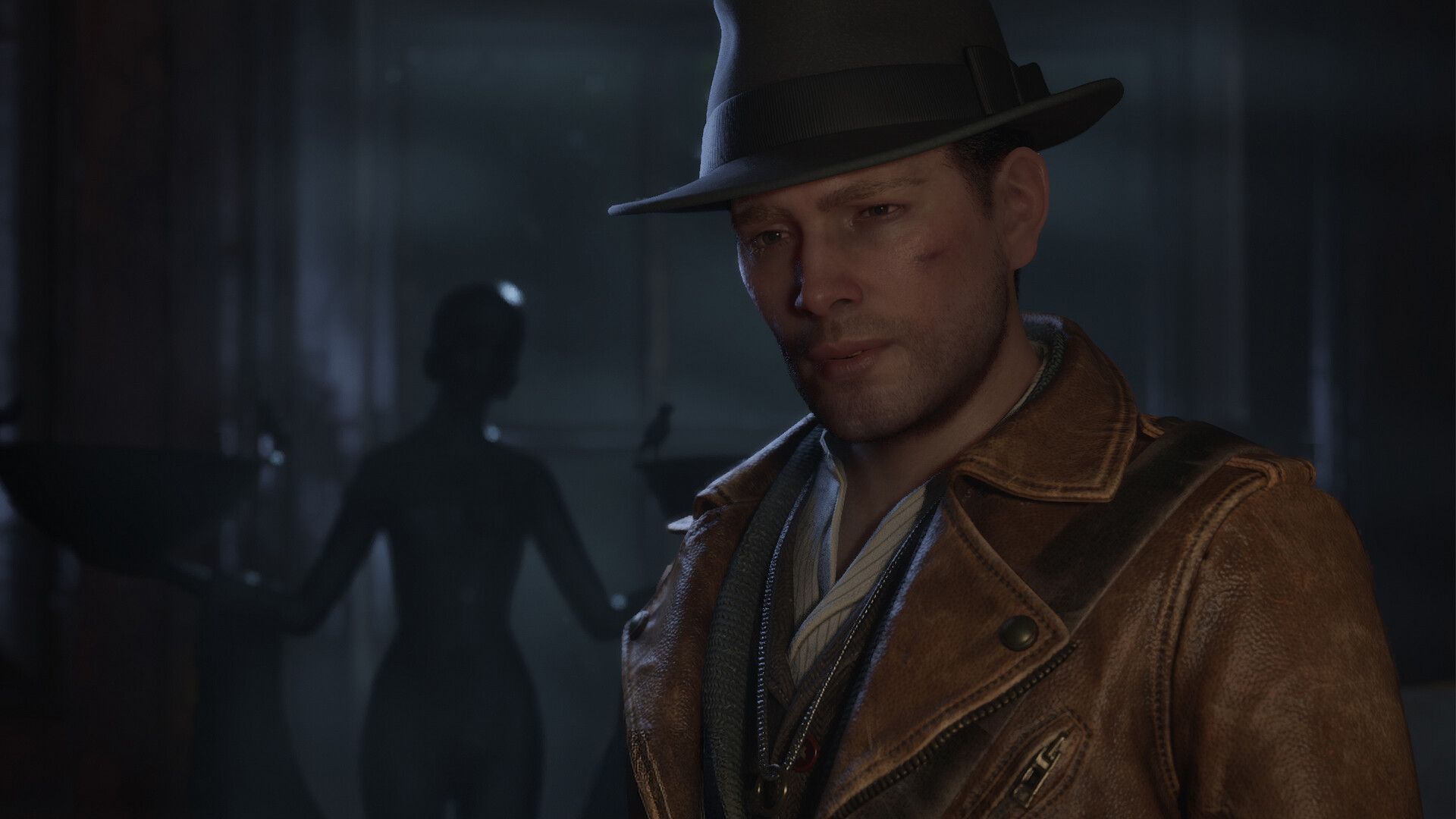
That is a useful shift to understand before launch. The original Sinking City was known as much for detective structure and rough edges as for atmosphere. The sequel’s official material is selling a more direct survival-horror lane. That makes the game easier to read as a launch-week buyer story, because the question is not just “when does it come out?” It is also “do you want this sharper horror pivot enough to buy before the public verdict exists?”
Right now, the evidence says you should be careful with that second question.
Steam gives you three prices, but only one smart premium use case
Steam’s appdetails object still lists Standard at $49.99, Deluxe at $54.99, and Premium at $59.99 in the U.S. The store’s preorder language also pushes a simple bonus across editions: pre-order any edition to claim the Chthonic Arsenal. The stronger upsell is on the premium side. Steam’s detailed description explicitly says Premium Edition includes 24-hour advanced access, the Arkham Field Kit, and The Holloway Manor side mission.
That is real value only for a narrow kind of buyer. If you already know you are playing this game at launch, if one extra day matters to you, and if you are comfortable paying before performance or pacing impressions settle, Premium is at least clear about what it is selling.
But most buyers are not in that lane. For everyone else, premium access is just paying for earlier uncertainty.
The demo changes the math more than the premium page does
The best official counterweight to the upsell is not a critic quote or a leak. It is Frogwares’ own free demo. The studio’s launch post says the one-hour Steam demo is available now. That matters because it gives cautious players a real off-ramp from the launch-week panic cycle.
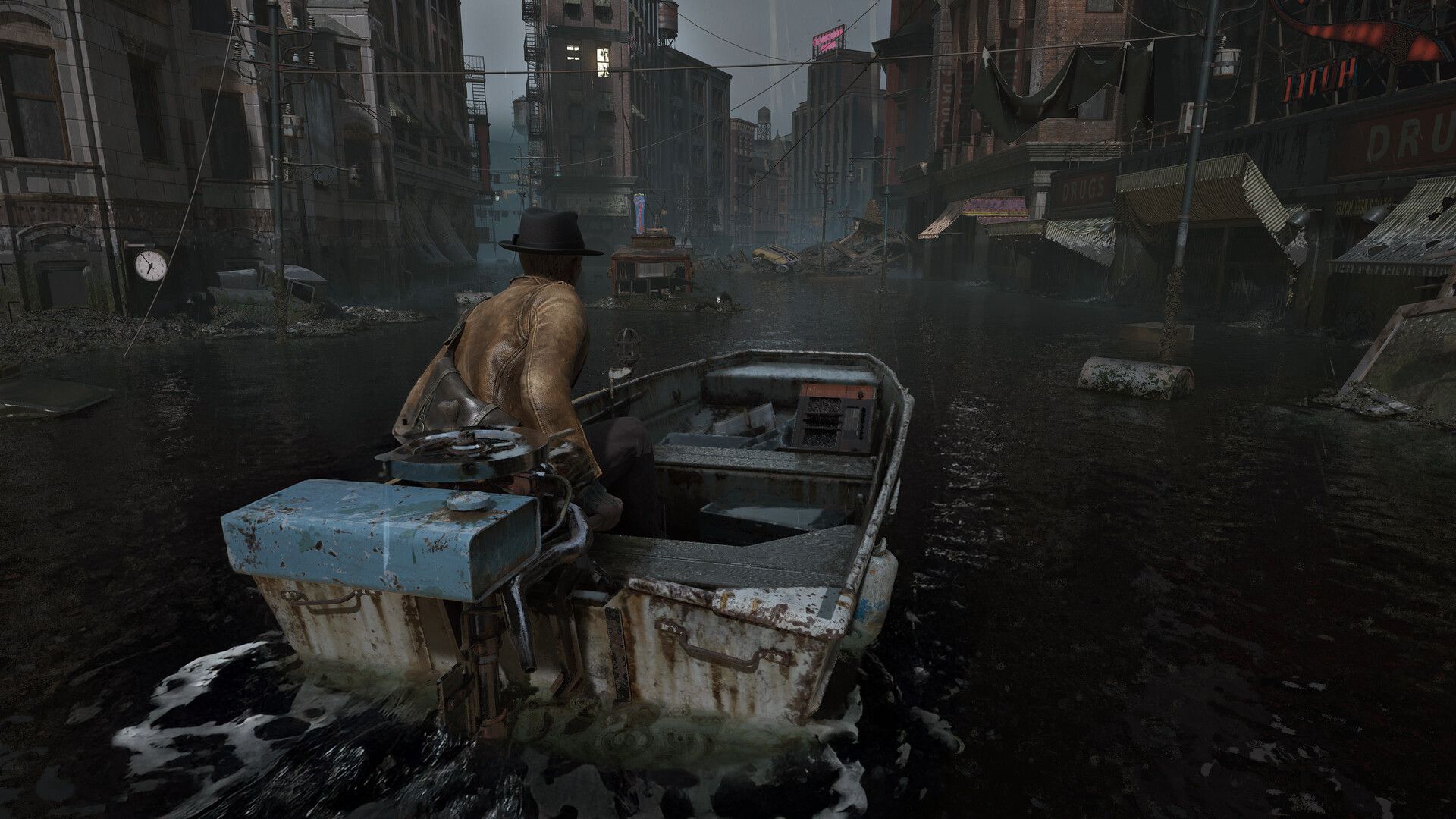
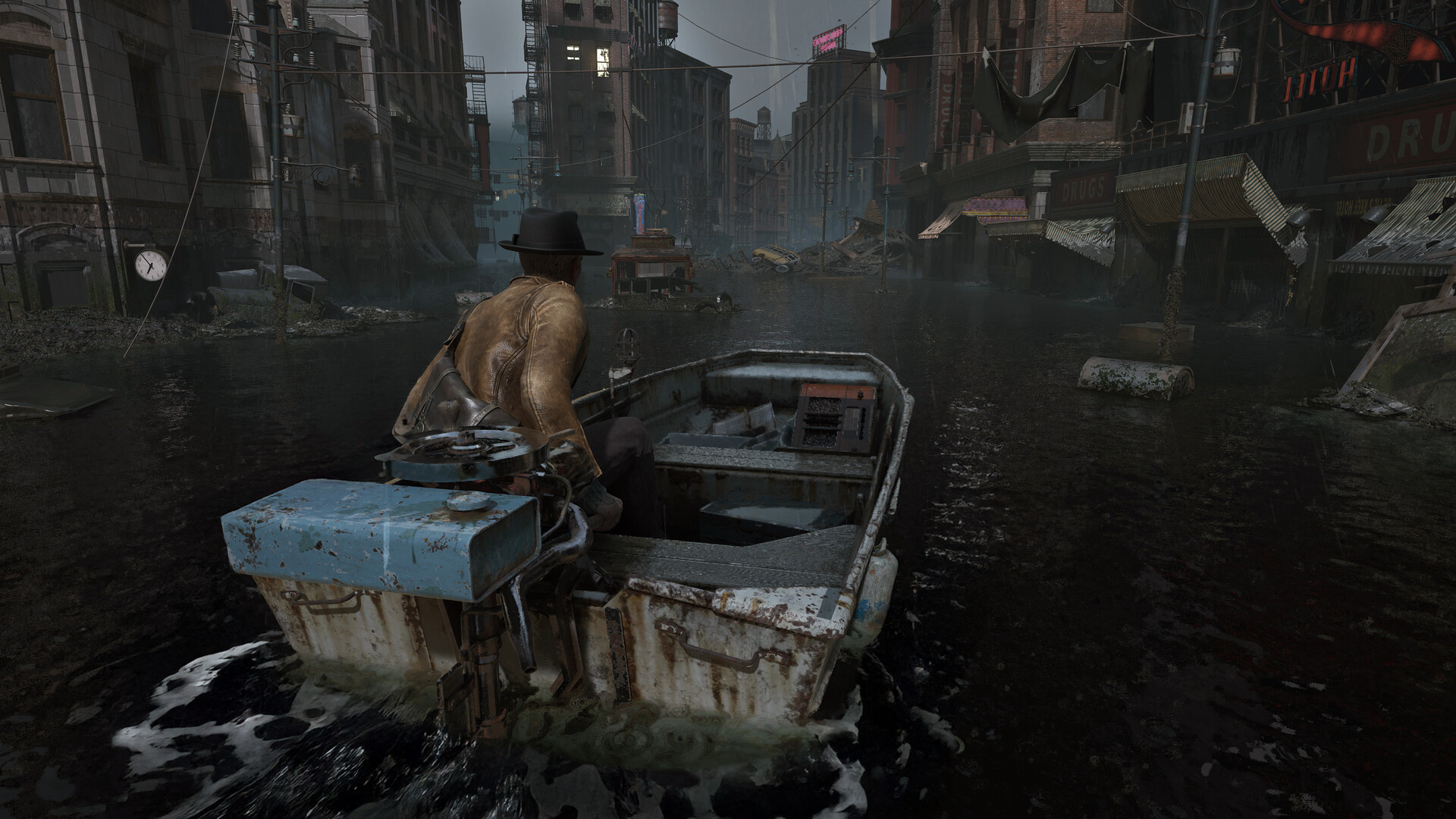
If you are interested in tone, basic combat feel, movement, atmosphere, and whether Arkham’s flood-soaked horror actually works for you, the demo is the cleanest first step. It will not answer every important question. A one-hour slice cannot settle late-game pacing, technical stability across a longer run, or whether the survival-horror pivot holds up after the opening. But it is still better evidence than buying the premium edition and hoping the release build lands.
Steam’s own current-player endpoint helps underline that point. At our recheck it returned 42 players. That does not mean the game is dead. It means the number is still prelaunch noise, likely tied to demo use or background edge cases, not real release momentum. Without review data, without a live audience at scale, and without a finished public build on the clock, there is no honest way to spin this into an “everyone is jumping in early” story.
The hardware ask is another reason not to buy blind
Steam’s requirements are not absurd, but they are not throwaway either. The official minimum still calls for Windows 11 x64, 16 GB RAM, a GTX 1070 or RX 5700, and 70 GB on an SSD, with the target framed as 1080p/30fps on Low. The recommended line is much heavier: 32 GB RAM and either an RTX 4070 Ti or RX 7900 XT for 1440p/60fps on Medium.
That is exactly the kind of spec spread that should slow buyers down. The sequel may end up running well. It may also ship with the usual launch-week shader or optimization complaints that hit big PC releases before patches arrive. We do not know yet, and the official materials do not pretend to answer it.
So if you are buying on Steam specifically, the safest move is to treat the demo and the hardware table as the real story, not the one-day-early badge.
The clean buy-or-wait read on August 15
The Sinking City 2 looks properly staged for launch. The official Steam page is complete. The edition structure is clear. Frogwares has a real demo live. The survival-horror pitch is legible, and the game’s horror-first identity is easier to understand than it was months ago.
That still does not make this a smart blind premium buy for most people. On Saturday, August 15, 2026, the strongest honest advice is:
- play the free demo first if you are undecided
- buy the standard edition if the demo and the horror pivot already have you sold
- wait for August 18 performance and review evidence if you care more about launch quality than about being one day early
That is not anti-hype. It is just the only buyer framing the current evidence actually supports.
For more GameGuideDog coverage, browse our gaming section, revisit the earlier STALKER 2: Cost of Hope expansion story, compare another launch-window buyer read in our Doom: The Dark Ages Revelations buyer analysis, or open the latest English stories.