

The Blood of Dawnwalker has spent a lot of its pre-release life trading on an easy headline: former Witcher talent, vampires, dark fantasy, big promise. The new PlayStation Blog extended-demo breakdown is the first time the game has looked more useful than that. The real hook is not just atmosphere. It is a structure where quests, some dialogue choices, and even parts of progression can cost time, while the story keeps moving even when those choices go badly.
That is enough to make this a real analysis story. It is still not a review, not a hands-on verdict, and not preorder advice. GameGuideDog has no direct play basis here. But the official packet is finally strong enough to ask a sharper question: can Rebel Wolves make time pressure feel meaningful without turning the whole RPG into a stress tax?
The 30-day clock is the first idea worth taking seriously
According to the official preview, protagonist Coen has 30 days and nights to save his family. That is not just a story frame sitting harmlessly in the background. Rebel Wolves says major actions can move the clock forward, including some side quests, certain dialogue choices, and learning particular abilities.
That changes the tone of the whole game immediately. A lot of RPGs promise consequences, then quietly let players clear every village problem, finish every faction chain, and still arrive at the finale as if time never mattered. Dawnwalker is pitching the opposite. The world is supposed to keep moving, and some missed outcomes are meant to stay missed.
The official quotes are careful on that point. Konrad Tomaszkiewicz says the system was tested to avoid punishing players just for doing things, while Mateusz Tomaszkiewicz says running out of time is not necessarily a hard game over. That is the best version of this pitch. Time pressure matters, but it is meant to create tradeoffs, not just panic.
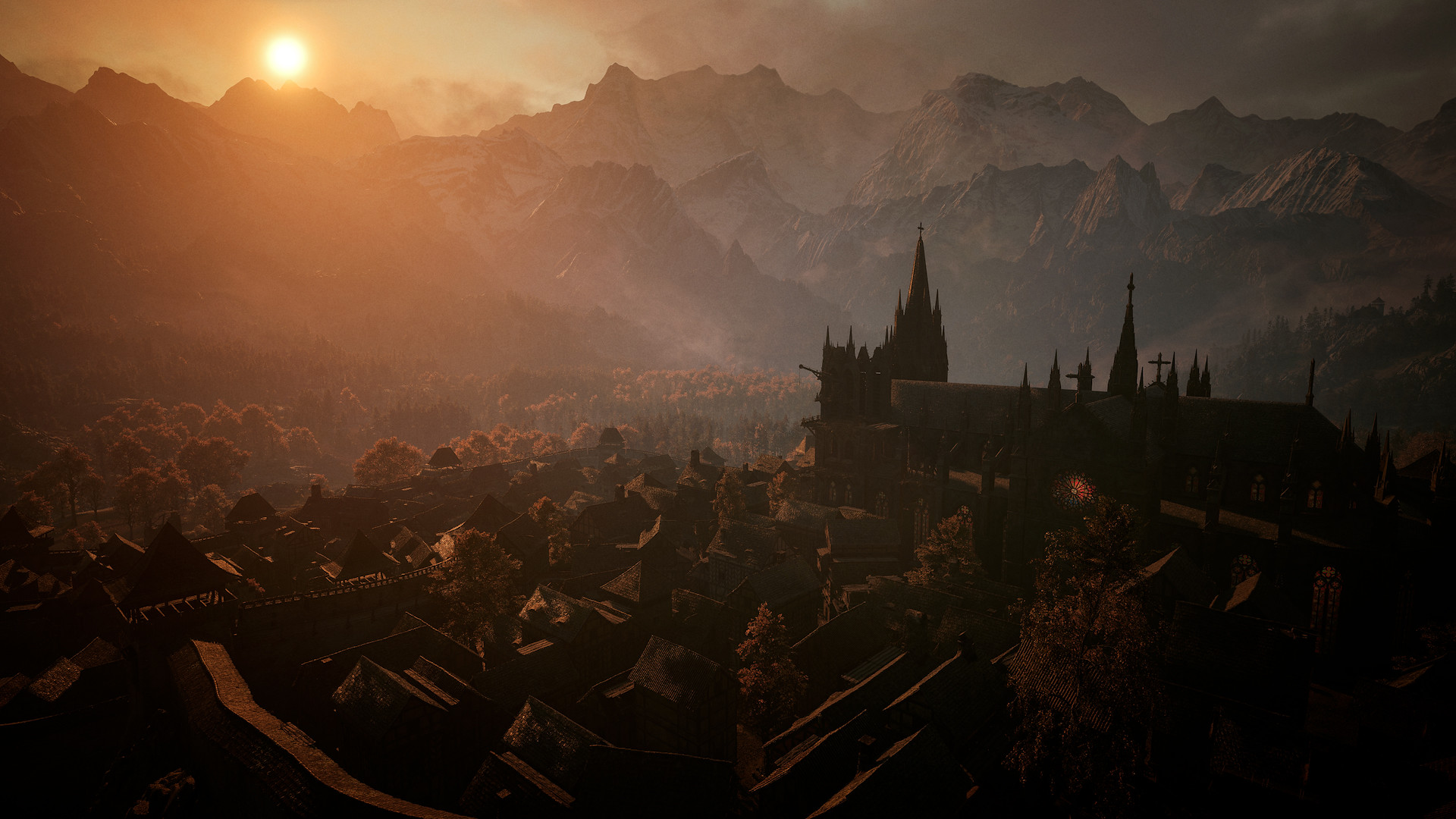
Why this could be the part that separates Dawnwalker from generic vampire-RPG noise
The vampire setup is easy to sell. The harder part is making choices feel expensive in a way players can actually notice. Dawnwalker at least sounds like it understands that problem.
The preview describes a blood hunger system that can overpower dialogue, forcing a red “Give in to the hunger” option when Coen is depleted. It also lays out a day-night split where different NPCs, quests, and abilities are available depending on the time of day. Add the skill-tree branches for witchcraft, vampiric powers, and sword fighting, plus abilities locked behind specific vampiric blood, and you can see the intended shape: this is supposed to be a role-playing game where build path, timing, and morality keep colliding.
That does not prove the execution works. Plenty of RPGs sound great in system bullet points and flatten out once you start playing. But this is the first official Dawnwalker material that suggests a real design thesis instead of a mood board with fangs.
The release-date split matters because players will notice it fast
There is one detail Publish should not smooth over: the release date is not displayed the same way across official storefronts.
- PlayStation Blog says the game is coming to PS5 on September 3, 2026.
- The official PlayStation product page matches that 9/3/2026 timing.
- Steam currently lists the PC release as Sep 2, 2026 and shows a $69.99 price.
The clean read right now is a platform or regional timing difference, not a contradiction big enough to kill the story. But it is still a live mismatch, and pretending both stores say the same thing would be sloppy. If you are tracking this for PC, the Steam date currently lands a day earlier than the PS5-facing messaging.
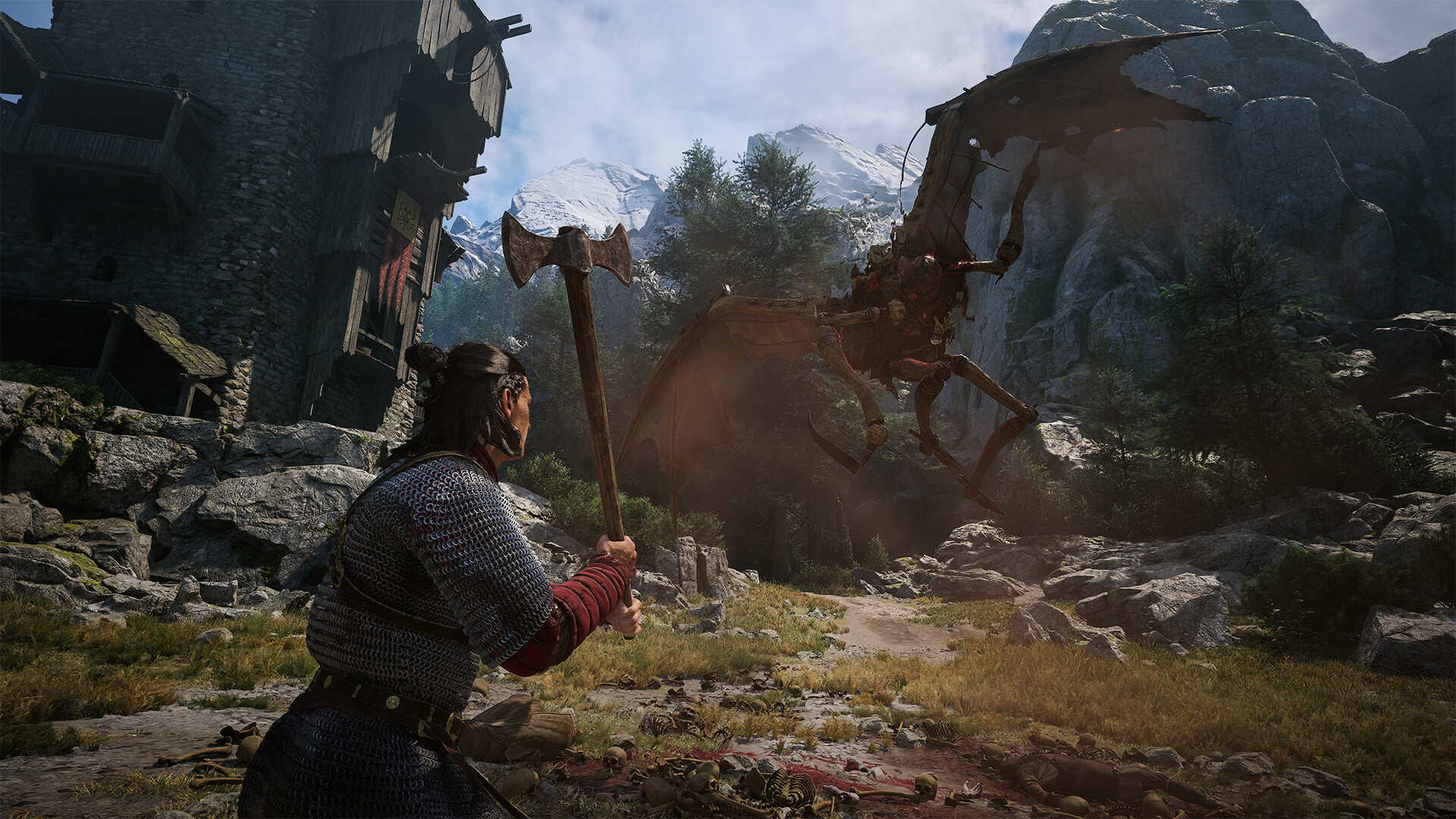
What the official packet supports, and what it still does not
The good news is that the packet has more than one bucket of proof. PlayStation gives the long-form design framing and named developer quotes. The PS5 store page fills in practical metadata like offline single-player play, DualSense vibration support, and 14 accessibility features. Steam adds the PC-facing buyer details, including Windows support, full controller support, and the current U.S. price.
The bad news is just as important. There is still no GameGuideDog hands-on basis, no performance read, no player consensus worth citing, and no reason yet to talk like this game has already solved its biggest design risk. Even the internally quoted 55 to 70 hour completion range should be treated as a developer-side estimate, not a promise of what most players will actually experience.
So the honest takeaway stays narrow. The Blood of Dawnwalker looks more interesting now because its time-and-consequence systems finally sound like the main event, not just decoration around the vampire fantasy. That is enough to move it onto a serious watchlist. It is not enough to turn it into a verdict.
If Rebel Wolves lands this structure, Dawnwalker could end up feeling sharper than the usual dark-fantasy action RPG. If it does not, the vampire pitch will stop carrying so much weight very quickly. That is the real checkpoint now.
For more GameGuideDog coverage, browse our gaming section, check the latest English stories, revisit our earlier Assassin’s Creed Black Flag Resynced date report, or read our recent Slay the Spire 2 review snapshot.