

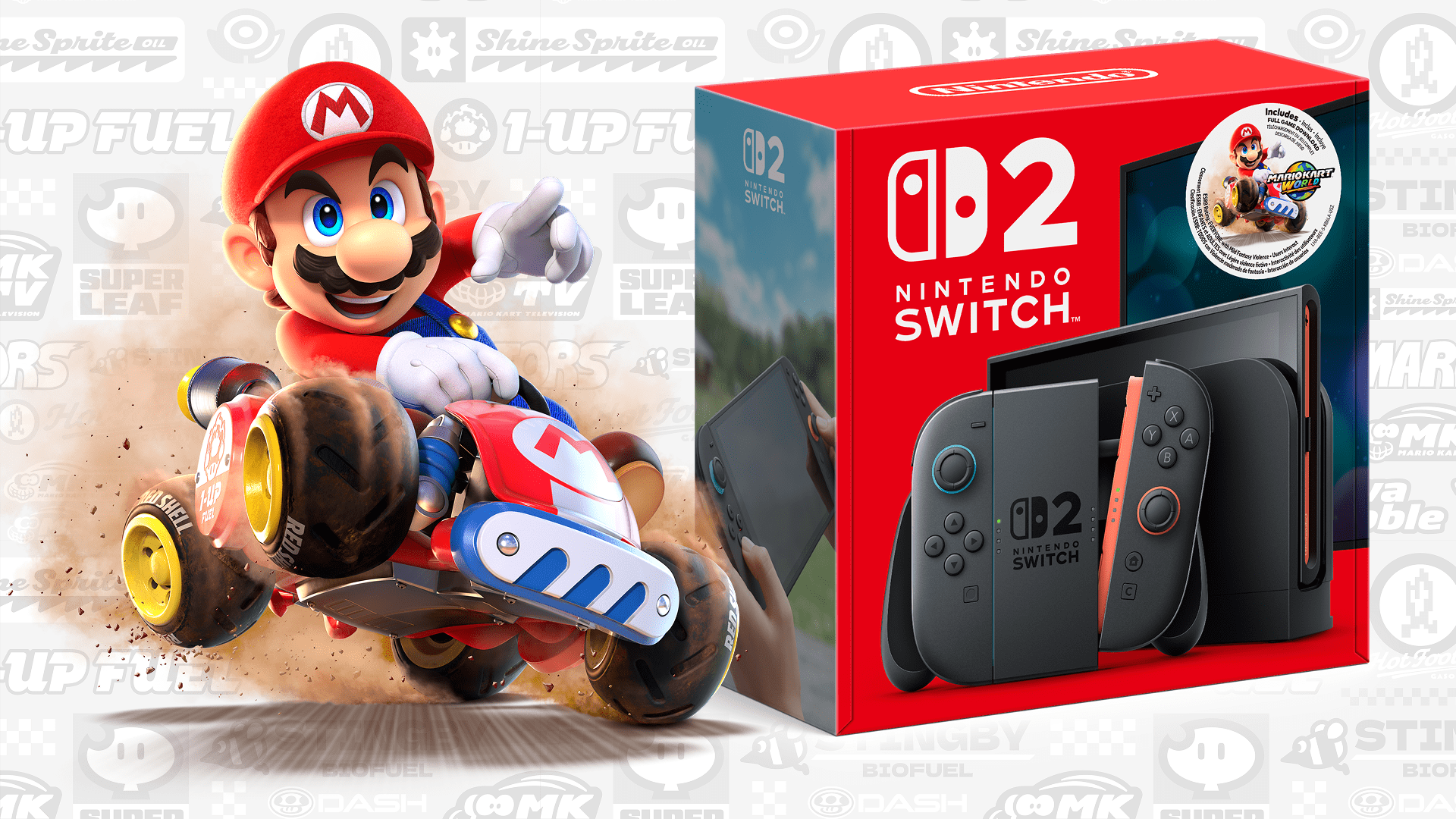
Switch 2 just posted a first-year U.S. sales mark that is hard to wave away as launch noise. Circana-derived May 2026 reporting puts Nintendo’s system at 5.9 million U.S. units sold across its first twelve months, which makes it the second fastest-selling video game hardware platform in tracked U.S. history since 1995, behind Game Boy Advance at 6.5 million.
That is the clean fact. The more useful read is what it says about the hardware market right now. Nintendo’s demand story looks a lot clearer than the rest of the field.
This is a real momentum signal, not just another Switch 2 cheerleading post
The May 2026 Circana snapshot does two separate things for Nintendo. First, it gives Switch 2 a headline number that is easy to understand. Second, it says the platform also led May 2026 U.S. hardware and 2026 year-to-date U.S. hardware in both units and dollar sales.
That matters because it turns the conversation away from vague “strong start” language and into something firmer. Switch 2 is no longer just a hot launch week with good vibes around it. It has a real first-year benchmark behind it, and the benchmark is unusually strong.
This is still Circana-derived reporting, not a detailed Nintendo disclosure of U.S. sell-through by quarter. Keep that line clean. But once the public tracker picture says 5.9 million in year one and second fastest since 1995, the burden shifts. People arguing that Switch 2 momentum is soft now need stronger evidence than hand-waving.
The hardware story is cleaner than the global one, and that distinction matters
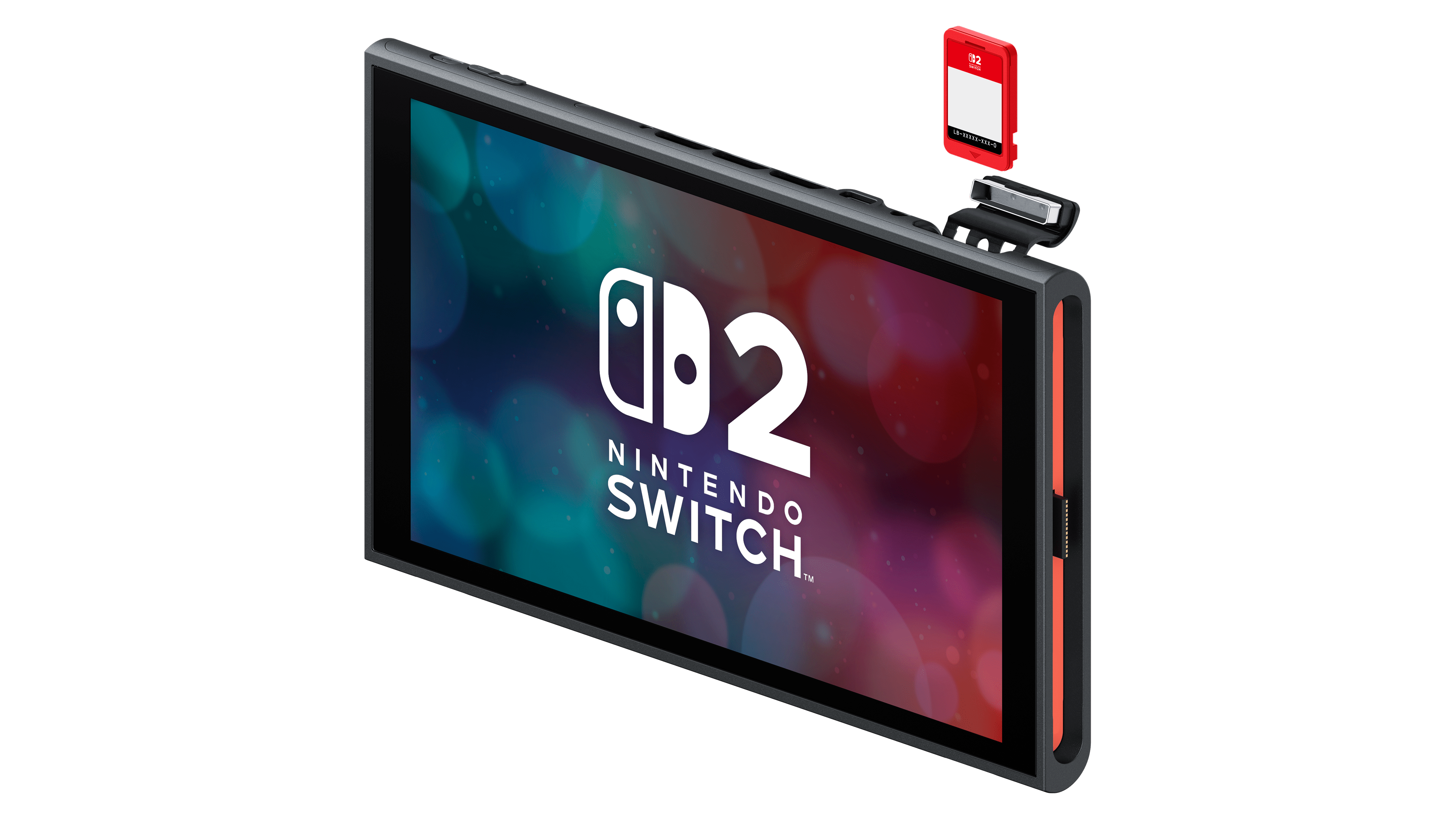
Nintendo’s own IR page gives a different but still useful number set: 19.86 million Switch 2 hardware units worldwide and 48.71 million software units worldwide as of March 31, 2026.
Do not mash those figures together with the U.S. Circana number as if they are the same measurement. They are not. The practical reason to use both is narrower. Circana helps explain current U.S. demand shape. Nintendo IR helps show that the platform already has real global scale behind it.
That combination is enough to make this more than a routine chart-watch item. Buyers are not looking at a system that is still trying to prove basic traction. They are looking at a platform that already has a substantial worldwide base and, at least in the U.S., a first-year sales pace that sits near the top of the modern hardware board.
This does not prove rivals are dead. It does prove Nintendo has the least confused pitch
This is the part that needs discipline. 5.9 million U.S. units in year one does not prove permanent dominance. It does not prove PlayStation or Xbox are finished. It does not mean every buyer should rush out and buy a Switch 2 this week.
What it does support is a narrower conclusion: Nintendo currently has the cleanest hardware demand signal in the market.
Recent rival-hardware stories have often been harder to read because they get tangled up in price pressure, value questions, or mixed platform narratives. Switch 2 still has its own caveats. It is not cheap. It still needs software cadence to hold. It still has to turn early demand into a longer cycle. But the basic pitch is cleaner than most of what buyers have been hearing elsewhere.
The honest takeaway for buyers and watchers
If you already thought Switch 2 looked like the strongest current console demand story, this data backs you up. If you thought the early heat might fade into a more ordinary first year, the May Circana picture argues the opposite.
That still does not make this a victory-lap article. The useful question is not whether Nintendo won a console-war argument on social media. The useful question is whether the platform still looks like it has real momentum after the launch rush. Right now, the answer is yes.
The next checkpoint is obvious: June 2026 Circana data, which will include the comparable launch-month view and show whether this pace still looks as sharp once the first-year milestone is behind it. Until then, the safe read is strong enough on its own: Switch 2 has already put together one of the best first U.S. hardware years on the board, and that makes Nintendo’s hardware story easier to trust than most of the competition’s.
For more GameGuideDog coverage, browse our hardware section, revisit our earlier Switch 2 price-hike analysis, read our Nintendo Switch 2 launch buying analysis, or check the latest English stories.