

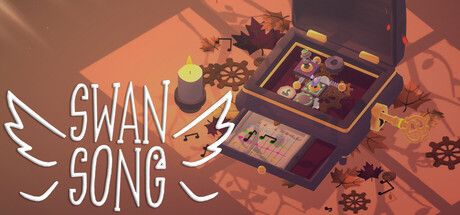
Swan Song is the kind of launch-week game that needs a narrower read than the store tags suggest. OpenCritic sits at 76 from 13 critic reviews, Steam shows 45 positive user reviews and zero negative ones across all languages, and the official current-player API was only at 6 when I checked the package again on June 8. That is enough for a real review snapshot. It is not enough to pretend this is a breakout hit, and it is definitely not enough to turn a tiny review sample into fake consensus.
That restraint matters because the game itself looks stronger than its scale. Business Goose Studios is selling Swan Song as a cozy puzzle game set inside a magical music box, but the official copy and the early criticism both push the same caveat back into view: this is also a story about grief, loss, and terminal illness. The honest pitch is not “small relaxing puzzler.” It is “small puzzler with a soft surface and heavier emotional weight underneath.”
The launch facts are clean now
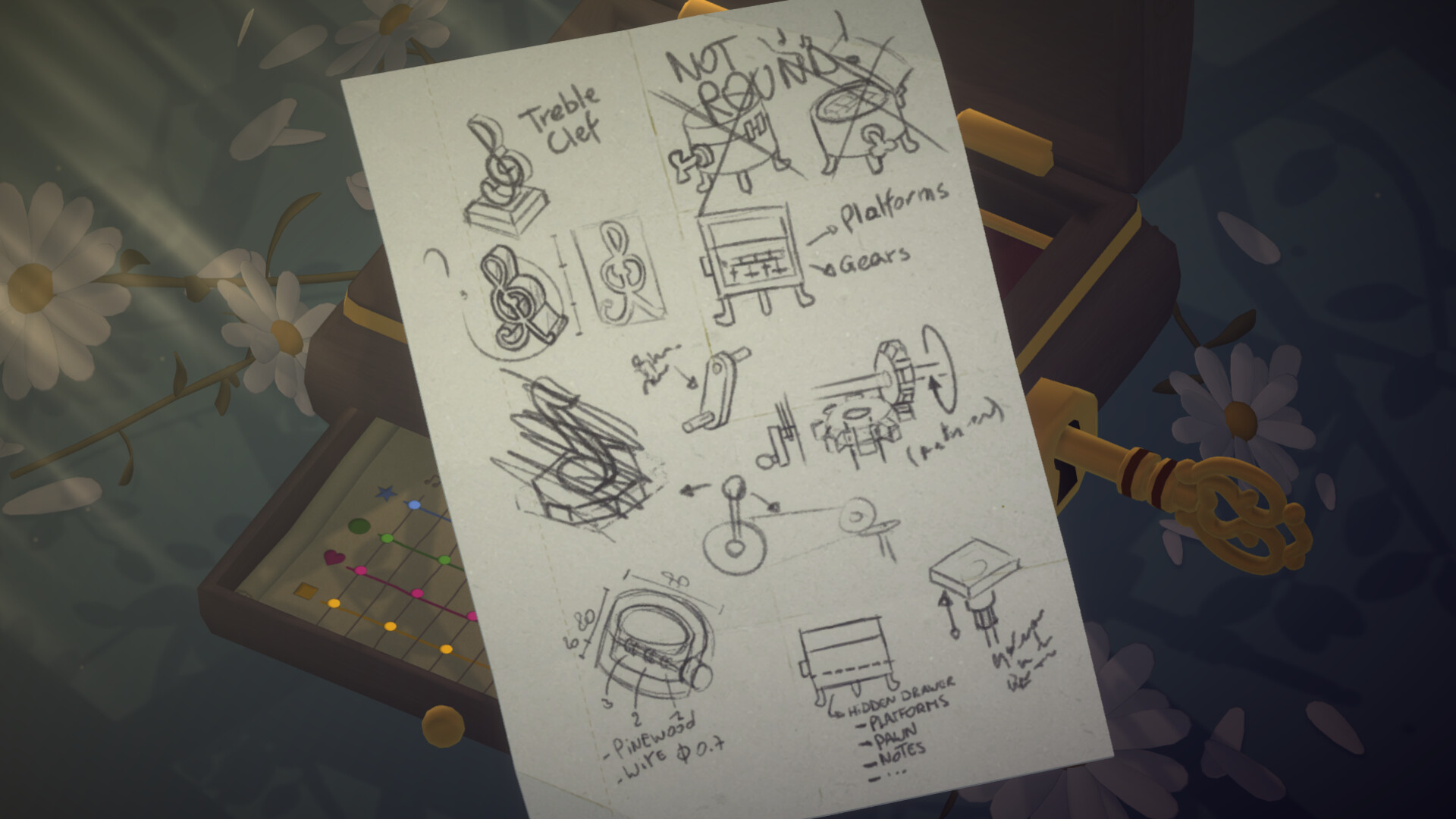
Steam lists June 4, 2026 as the release date, Business Goose Studios as both developer and publisher, and $7.99 as the base price, with a 20 percent launch discount dropping it to $6.39 during this check. The official feature list is unusually concrete for a game this small: 9 story chapters, 108 puzzles, secret levels, voice acting, and an 11-track soundtrack by Jamal Green, plus planned free updates after launch including a level editor and Steam Workshop support.
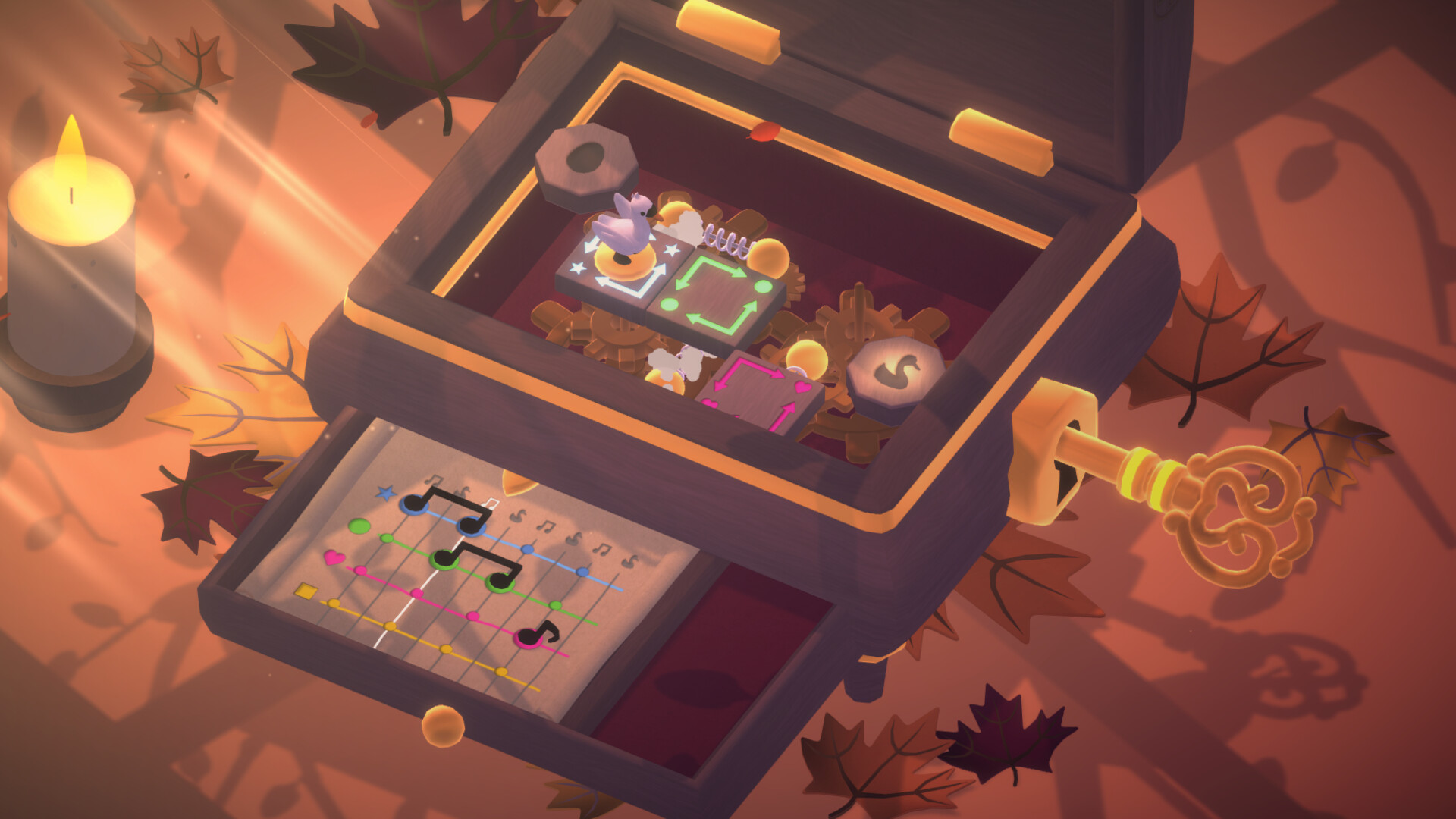
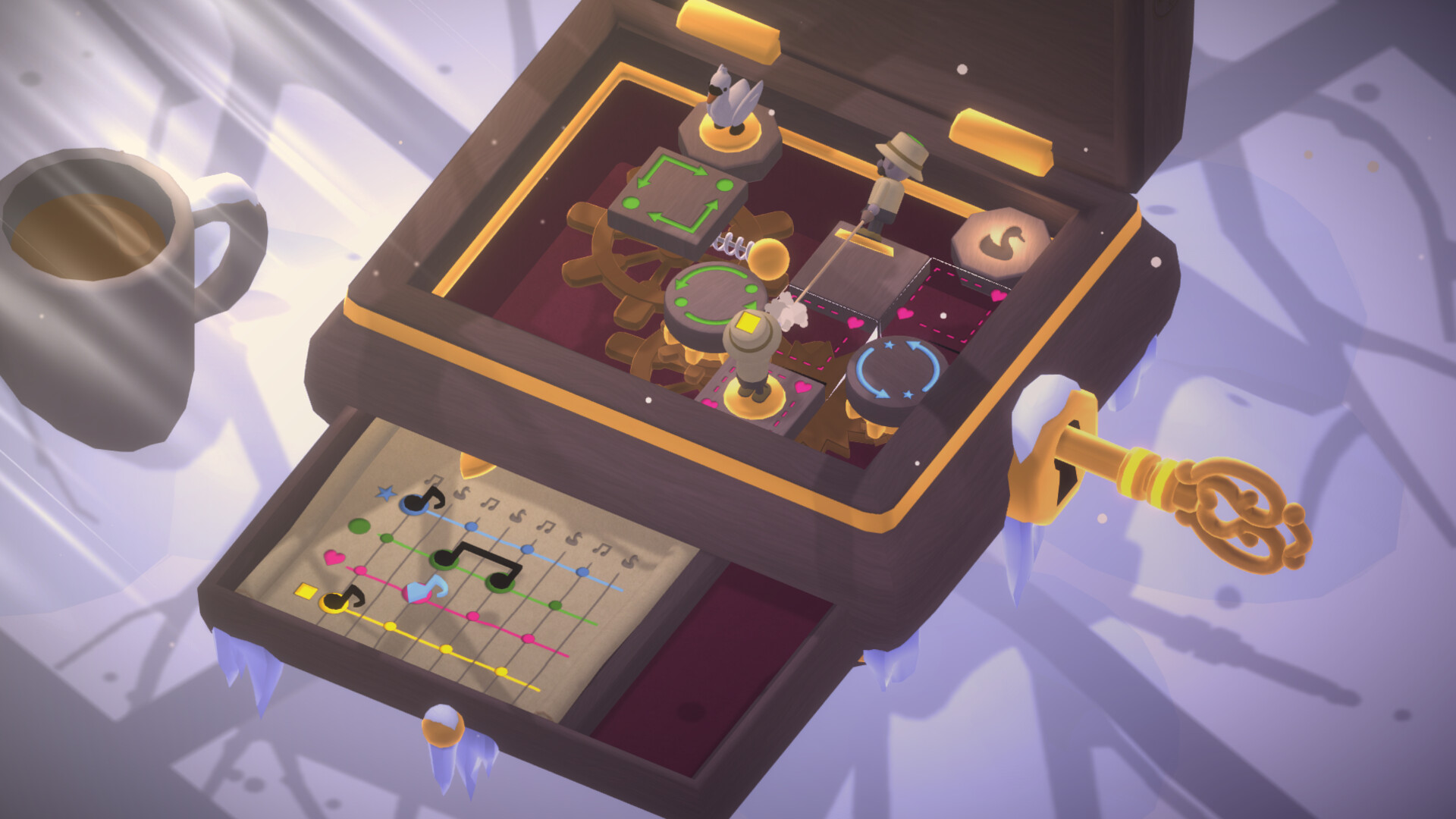
That makes the value proposition pretty legible. Swan Song is not trying to sell endless scale or prestige-RPG scope. It is selling a short, authored puzzle game with a specific mechanic: you place notes in a music box, trigger the sequence, and guide a swan through each stage.
Critics mostly agree on what works
The most useful thing about the early critic spread is that it is coherent without being uniform. OpenCritic’s 76 average and 69 percent recommendation rate point to a good launch, not a runaway one. The visible review pattern is consistent: critics tend to like the puzzle design, the handcrafted presentation, and the way the story threads grief into the mechanics without turning the whole thing into melodrama.
The caveats are consistent too. Some reviewers wanted a hint system or softer accessibility ramp. Others liked the emotional frame but still ran into puzzle friction or a touch of repetition. That is a healthy review-snapshot shape because it tells readers where the line is. Swan Song does not look broadly broken. It looks like a niche game that lands best if you want thoughtful puzzle structure and can tolerate a few sharper edges.
Steam is positive, but the audience is tiny
The early Steam reaction is almost unusually clean. 45 positive reviews and 0 negative ones is a very friendly first read, and the sampled English-language user reviews line up with the critic take more often than not. Players keep pointing to the same strengths: satisfying puzzle escalation, strong music, expressive voice work, and an emotional story that hits harder than the cute presentation suggests.
But the scale is the whole point here. Six current players on the official API is not a hit signal. It is a reminder that this is still a tiny launch finding a tiny audience. Even the Steam review count, while useful, is still small enough that the tone can move fast if later players bounce off the friction points critics already flagged.
That does not kill the story. It just changes it. The honest read is not that Swan Song suddenly became the next cozy phenomenon. The honest read is that it appears to be a good discovery candidate for puzzle players who do not need a big crowd to validate the purchase.
What this review snapshot can honestly say
Right now, Swan Song looks like a credible launch-week recommendation for players who want a compact puzzle game with real atmosphere and no fake comfort blanket around its grief themes. The critic spread is solid, the first Steam response is warmer than you usually get from a game this small, and the price is low enough that the risk is easier to read.
What this snapshot still cannot do is upgrade itself into a full review. GameGuideDog did not play Swan Song firsthand, and the user-review base is still too narrow to pretend the audience verdict is settled. For now, the useful conclusion is smaller and cleaner: Swan Song looks promising for puzzle fans, but its story is quality discovery, not momentum.
For more GameGuideDog coverage, browse our reviews section, revisit the recent Zero Parades review snapshot, read the earlier Coffee Talk Tokyo review snapshot, or check the latest English articles.