

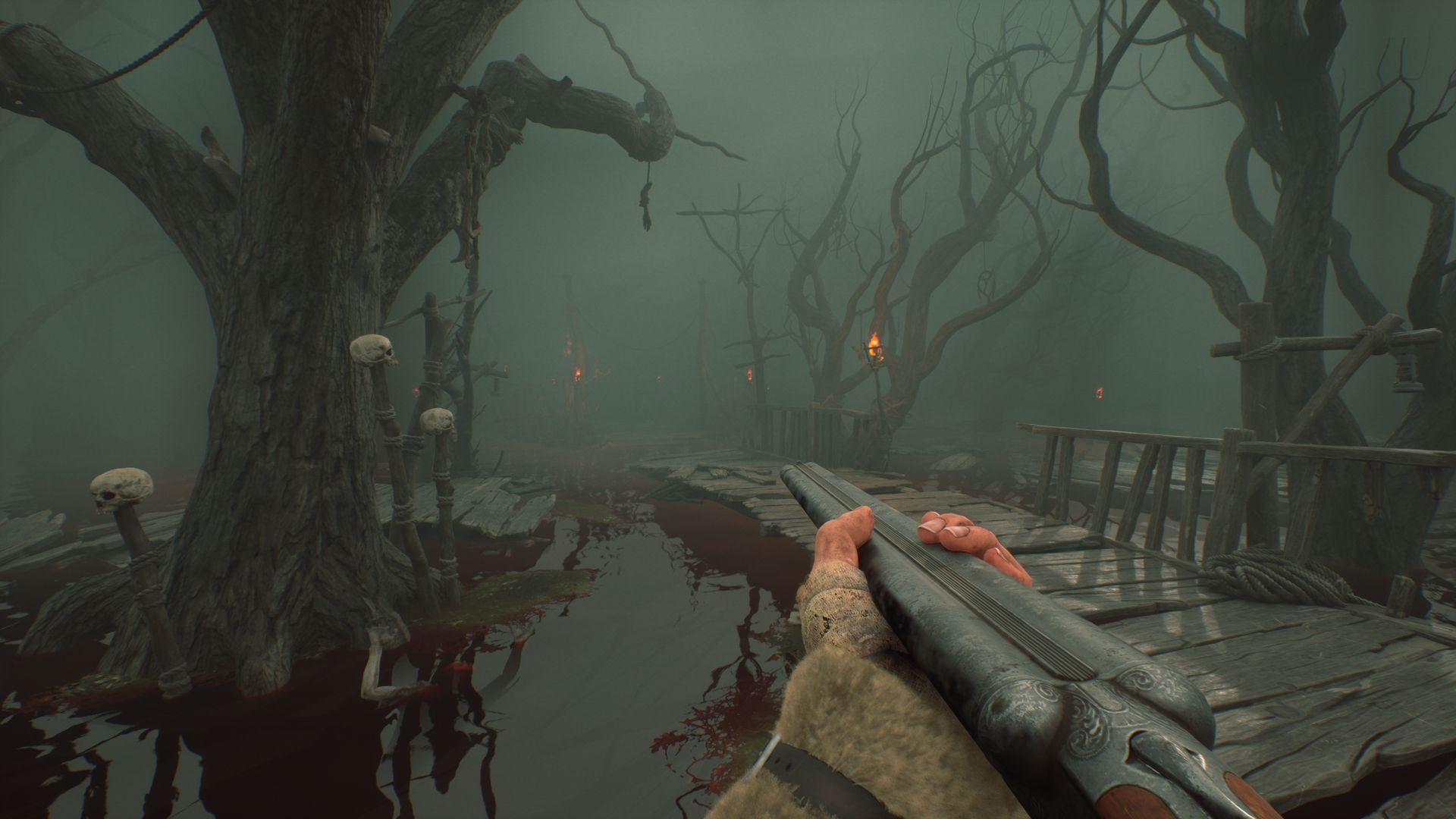
Stygian: Outer Gods has reached version 1.0 on PC, but returning Early Access players should read the save warning before loading their old run. The developer says those files can still be used. It nevertheless strongly recommends a fresh playthrough to avoid unexpected technical issues. That is a recommendation to restart, not a mandatory wipe.
For new buyers, the other practical checks are hardware and handheld support. The US Steam page checked on October 26 lists a $19.99 introductory price, down from $24.99, through November 2. It also marks the game Steam Deck Unsupported. A release discount does not make those requirements disappear.
This is a reported buyer analysis, not a firsthand review. We have not tested version 1.0, migrated a save or measured performance.
Returning players have a choice, with a clear warning
The October 26 launch announcement says 1.0 brings Jack Harrison’s story to its conclusion. The preceding October 19 post advertised a new chapter, puzzles, artifacts, weapons, enemies and a boss encounter. Those are the developer’s descriptions of what the full release adds, not our judgment of the finale.
Returning owners may already have hours invested. That makes the save advice worth reading. The official post permits continuing that progress while recommending a new save to reduce the risk of unexpected technical problems. It does not identify a specific guaranteed failure, say every old save is broken or require owners to delete anything.
The decision depends on what you want from the return. If you are ready to replay from the beginning, starting fresh follows the developer’s stated advice. If carrying over progress is essential, the announcement leaves a technical uncertainty that a launch-day label cannot resolve. We cannot certify that an old run will behave correctly.
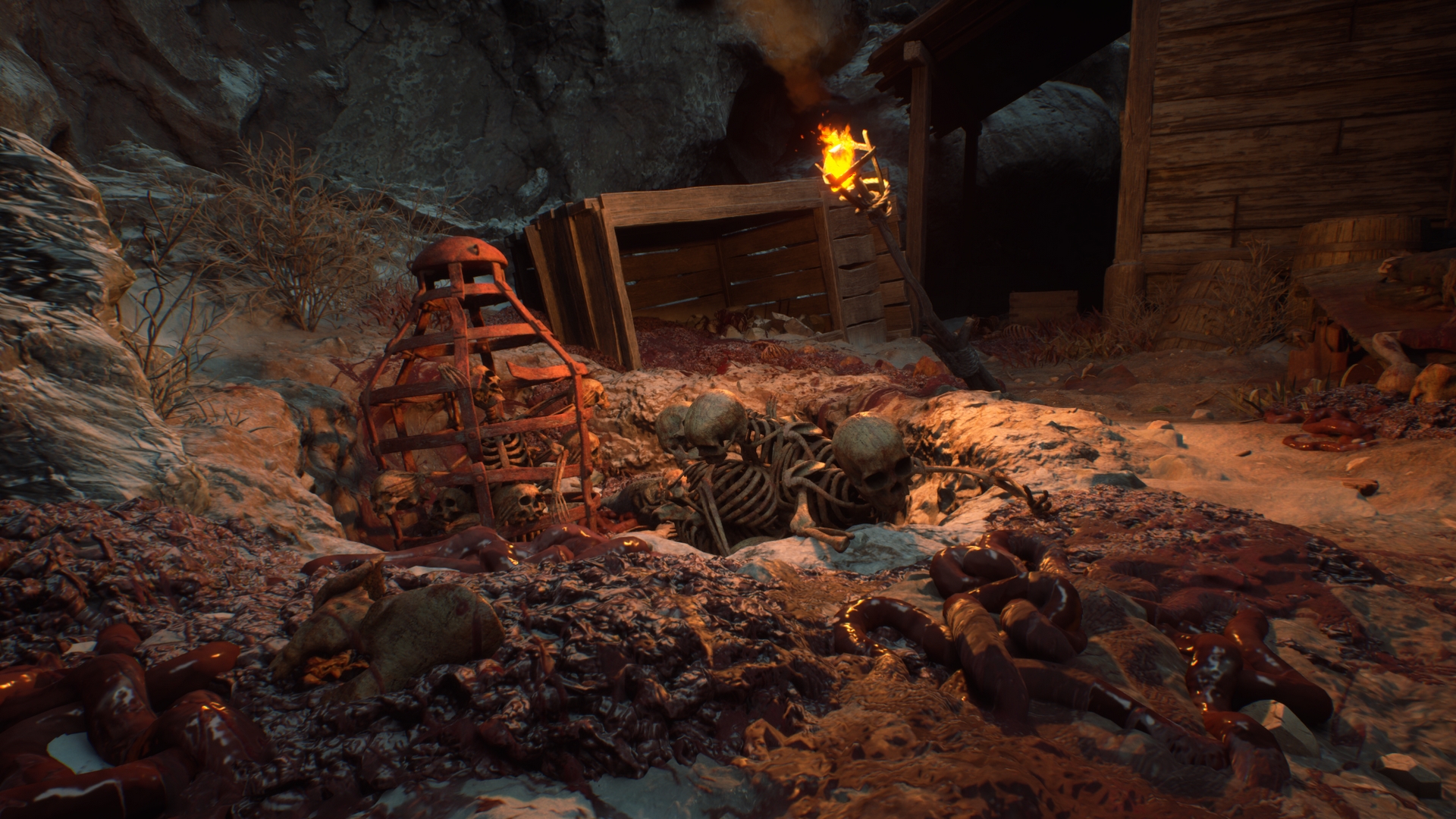
Misterial Games / Fulqrum Publishing, official press kit. Historical Early Access promotional screenshot from the August 2025 Souls of the Silent Tide folder, not our capture or proof of the 1.0 build.
The PC requirements are part of the buying decision
The launch post claims improved performance and stability, but also cautions that its use of Nanite and Lumen does not remove the minimum hardware requirements. Treat the improvement as a developer claim. There are no independent benchmarks in this report.
The current Steam listing specifies Windows 10 64-bit, an Intel i5-10600 or Ryzen 5 3600, 16GB RAM, DirectX 12 and 25GB of available storage at minimum. Its GPU entry names the RTX 3050 or RX 6600 with 8GB VRAM, then lists older high-end alternatives: RTX 2060 Super, GTX 1080 Ti and RX 5700 XT, with DLSS/TSR enabled.
That combined GPU/upscaler wording is the source’s own. It should not be read as a claim that every named card supports DLSS, or that any of these configurations guarantees a particular frame rate. Check the actual card and available upscaling options rather than treating the slash as interchangeable technology.
Recommended specifications rise to an i7-10700K or Ryzen 7 5700X3D, 32GB RAM and an RTX 3080 or RX 6800 XT with 10GB-plus VRAM; an NVMe SSD is recommended. For a buyer near the minimum, the unanswered question is still measured performance on comparable hardware. The 1.0 announcement does not supply that answer.
Steam Deck Unsupported is equally worth checking before buying for a handheld. It is the platform’s current classification, not our own compatibility test. Neither partial controller support nor the availability of the PC version establishes a good Deck experience.
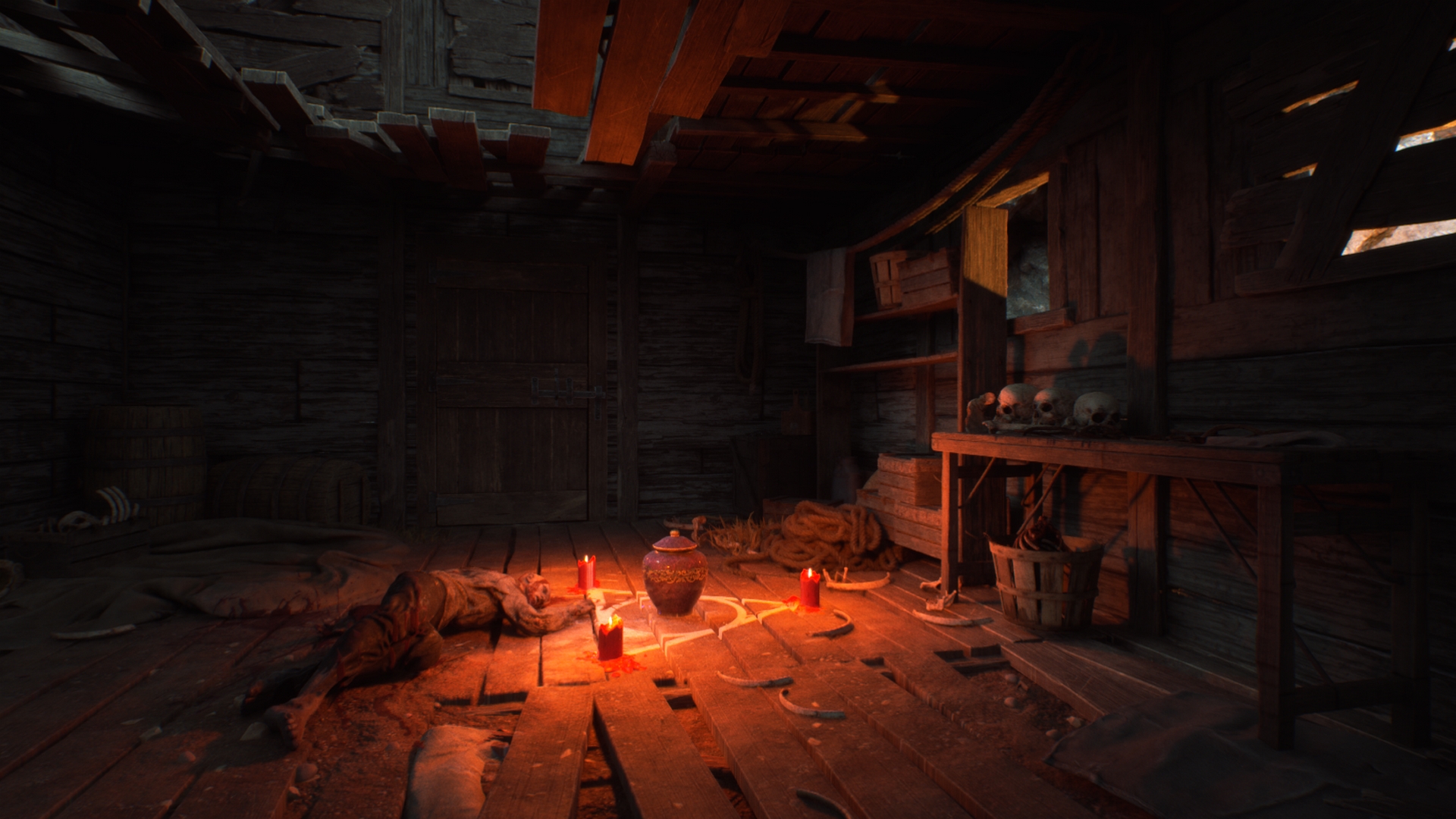
Misterial Games / Fulqrum Publishing, historical Early Access press screenshot. Supplied imagery illustrates the setting, not tested performance or the final release’s technical condition.
Early Access reviews cannot settle the 1.0 verdict
Steam showed Mostly Positive with 522 reviews at the October 26 check. That total includes Early Access history; it is not a pool of 522 assessments of the finished version.
Two directly checked accounts show why dates matter. Kermit’s review, posted October 23 and updated October 25, criticizes combat timing, stutters and inventory or progression problems. It predates 1.0 and cannot prove those issues remain. UltraBRO2000’s October 26 recommendation gives brief praise, but the profile shows 10.9 hours total and zero in the last two weeks. A new posting date does not establish play on the launch build.
Neither account is consensus. Together they are a reason to distinguish old experience, current marketing and actual post-release testing instead of blending them into a repair verdict.
For returning owners, the useful next step is deciding whether a fresh run is acceptable. For prospective buyers, compare the listed hardware and Deck status with where you intend to play. The full story is now available according to the developer; the evidence here does not establish how well its ending or technical changes land.
More PC coverage is in our PC gaming archive. Our Scramble Knights Online buyer analysis likewise separates a developer’s release scope from a tested verdict.