

Back in the earlier reveal cycle, Stranger Than Heaven looked like an RGG game with a strong title, a strong mood, and a lot of unanswered questions. The June 11 hands-on wave finally gives it a cleaner argument. Based on Xbox Wire’s direct demo report and the matching official PlayStation product page, the interesting swing is not just that the game spans multiple eras. It is that RGG seems willing to rebuild the feel of hand-to-hand combat from the controller layout upward.
That is enough for a real analysis story. It is still not a GameGuideDog review, not a GameGuideDog hands-on, and not proof that the full campaign nails the landing. GameGuideDog did not play this demo. But the packet now supports a better question than the May 6 watch story ever could: is Stranger Than Heaven changing the fight deeply enough to stop feeling like another familiar RGG brawler in period clothing?
The big change is not cosmetic — it starts at the buttons
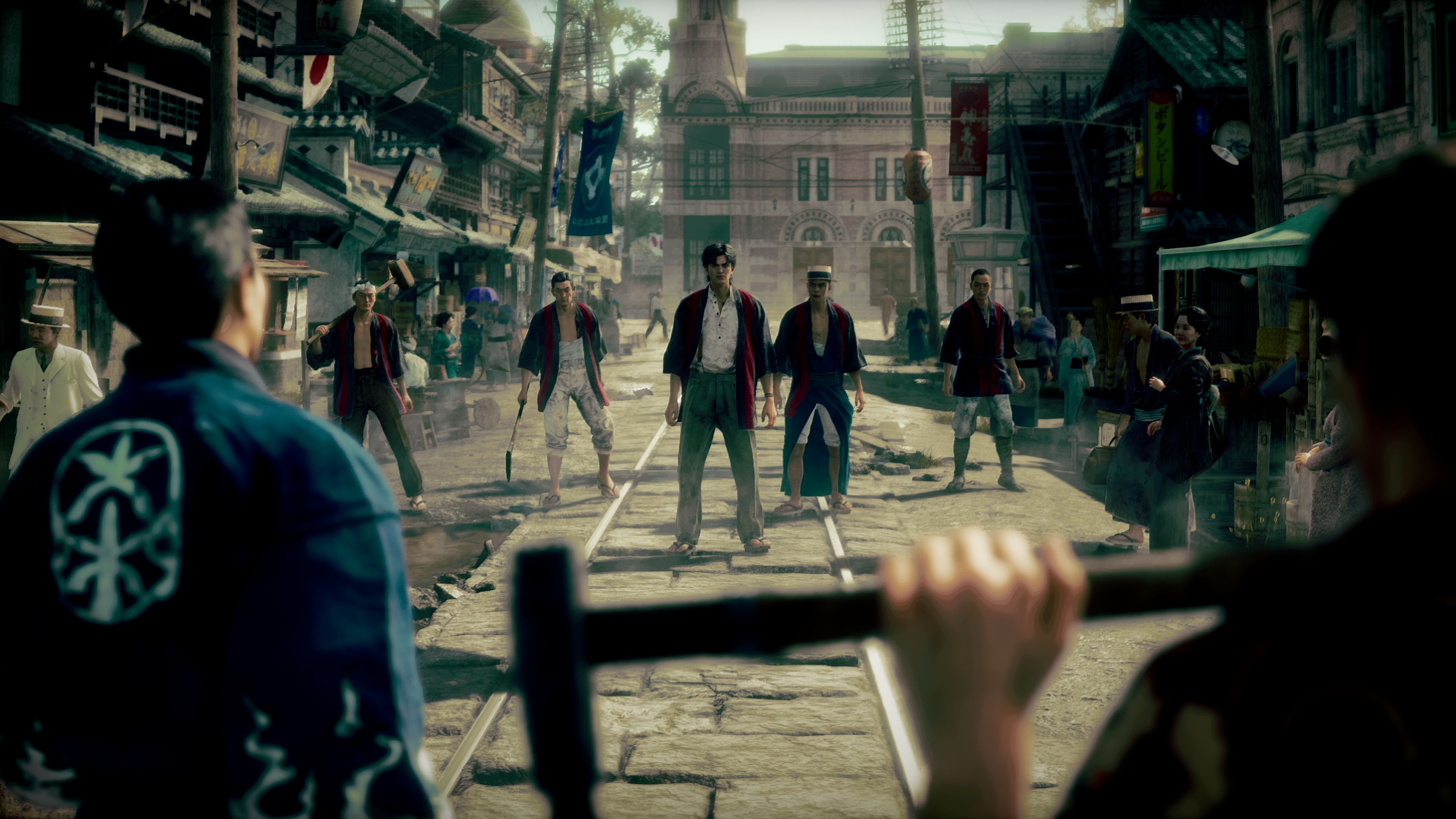
The Xbox Wire report is unusually specific, and that is why this package works. The demo is described as combat-focused, with encounters set across 1915 Kokura in Fukuoka, 1929 Kure in Hiroshima, and 1943 Minami in Osaka. More importantly, the write-up says Makoto’s left- and right-side attacks are mapped across the shoulder buttons and triggers instead of leaning on the usual face-button mash rhythm.
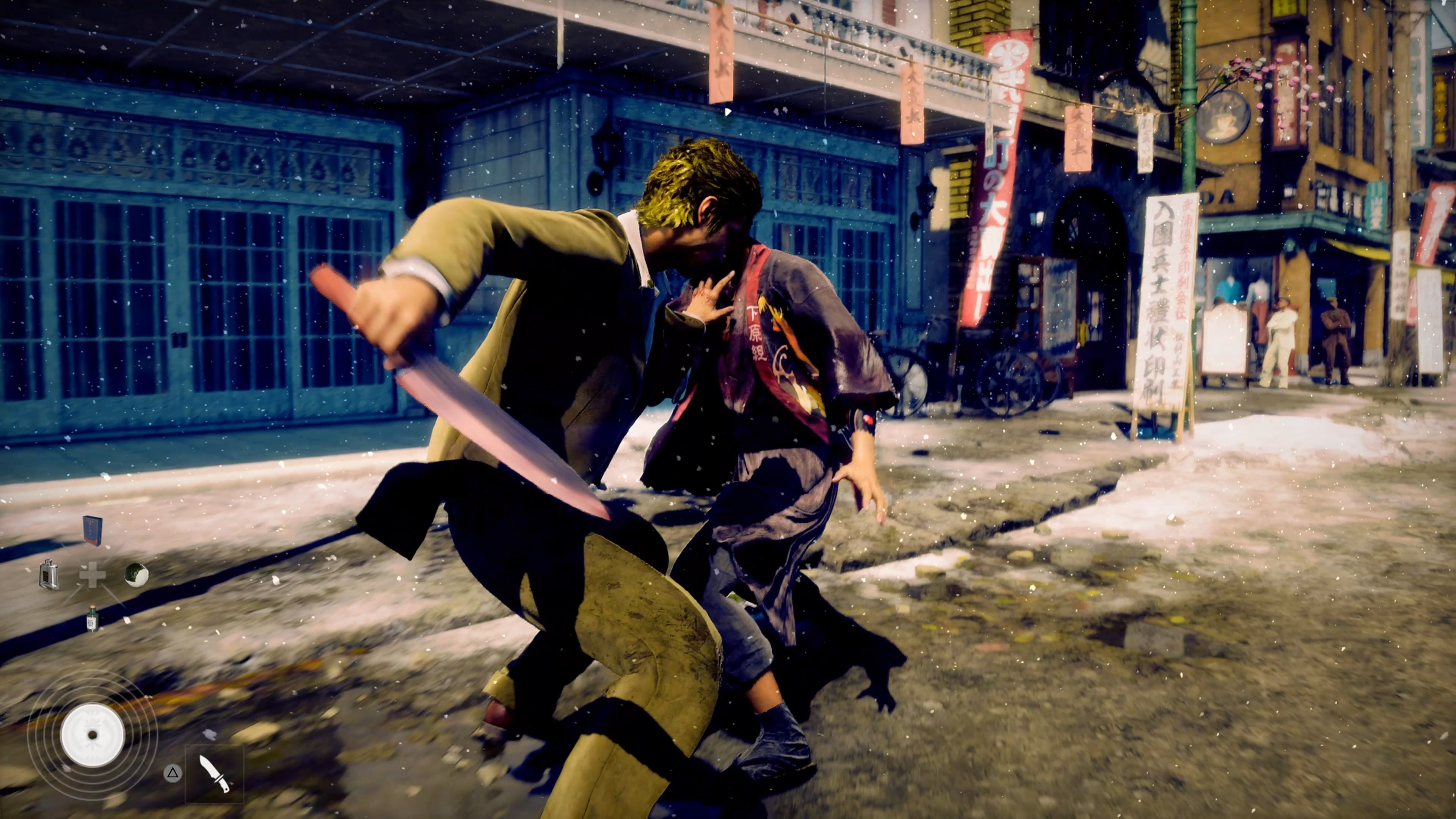
That matters because it changes the whole body language of a fight. If LB and LT control left-side light and heavy strikes while RB and RT control the right side, the player is no longer just choosing a combo string. They are committing to stance, direction, timing, and recovery in a much more deliberate way.
That is the real hook here. Plenty of games advertise “brutal” combat. Much fewer change the actual grammar of how you read and throw hits.
The extra systems only matter because the base loop already sounds heavier
The same official hands-on says grapples, blocks, parries, dodges, knockdowns, and weapon switching sit on top of that left-right framework. On paper, that sounds like a lot. In practice, what makes it interesting is that the report does not frame those elements as flashy add-ons. It frames them as extensions of a more granular core system.
That is where the analysis sharpens up. Older RGG combat has often been satisfying because of impact, animation flavor, and environmental chaos. Stranger Than Heaven appears to be chasing something a little stricter. The Xbox write-up keeps returning to weight, commitment, and the need to read counters instead of sleepwalking through a basic thug cleanup.
Even the weapon notes point in that direction. The demo reportedly included knives, a crowbar, and a sledgehammer, with the piece stressing that those tools feel more persistent than the loose improvised pickups players may associate with earlier games. That sounds less like temporary slapstick and more like building a personal combat loadout inside the fight.
The safest read is not “this solves everything” — it is “RGG finally has a mechanical thesis”
This is the part where the piece needs discipline. The June 11 evidence does not prove the full campaign structure, progression balance, enemy variety, or story quality. It also does not justify pretending that every preview outlet reached the same conclusion. There is clear interest in the combat pivot, but interest is not consensus.
What the official material does support is narrower and more useful: Stranger Than Heaven now looks like a game with a mechanical thesis, not just a historical-crime vibe and an expensive trailer.
The official PlayStation page reinforces that read. Its store description leans hard on independent left- and right-side control, blocking with one hand while countering with the other, and mastering a wide weapon set across five eras and five cities. That does not verify quality by itself. It does show that the combat pitch is not just one journalist’s colorful summary. It is part of the official product framing.
That distinction matters. When both an official hands-on report and a first-party store page keep emphasizing the same combat identity, it becomes much easier to argue that this is the real design bet — not just a trailer flourish that disappears once the controller is in your hands.
Why this June 11 wave matters more than the earlier May watch story
The earlier five-eras reveal made Stranger Than Heaven easier to track. This new hands-on wave makes it easier to understand. That is a much bigger step.
A lot of reveal-stage coverage asks players to get excited about scale, setting, and ambition before the game has explained how it actually feels to play. Stranger Than Heaven has now crossed that line. The useful signal is no longer just that it spans decades. It is that the combat system may force players to fight with more intention than the studio’s recent reputation alone would suggest.
That is also why this works as an analysis instead of another hype recap. If the final game delivers on this structure, Stranger Than Heaven could feel less like RGG repainting its usual brawler instincts and more like a genuine attempt to rethink how every punch, parry, and weapon commit lands.
That is still a promise, not a verdict. But it is the first time this project has looked like more than a stylish watch-list curiosity.
For more GameGuideDog coverage, browse our gaming section, revisit our earlier Stranger Than Heaven five-eras reveal story, compare another recent official hands-on package in our Tomb Raider: Legacy of Atlantis analysis, or catch another SGF-season read in our Final Fantasy VII Revelation reveal analysis.