
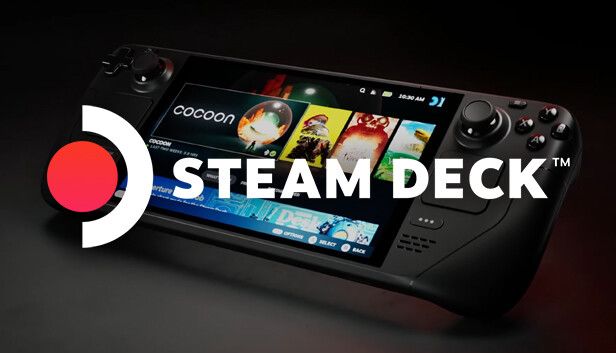
Valve’s new SteamOS 3.8.0 Preview is not a tiny cleanup patch. It touches the Steam Deck BIOS, desktop mode, Bluetooth wake, audio behavior, non-Deck handheld support, and even early support for upcoming Steam Machine hardware. It also comes with the warning that matters most: this is still a Preview-channel build, not a stable recommendation for everyone.
That framing matters because the update is broad enough to look tempting. Valve lists an updated Arch base, a newer graphics driver with performance and stability fixes, better VRR frame pacing, fixes for some session crashes when closing games, and improved support for screencasts in Game Mode. On paper, this is one of the wider SteamOS preview drops in a while.
What Valve changed in SteamOS 3.8 Preview
The official patch notes split the update into several sections: General, Bluetooth, Audio, Accessibility, Desktop Mode, System Firmware, Non-Deck, and Developer. That alone tells you Valve is not just poking at one corner of the stack.
For Steam Deck owners, the firmware section is a practical headline. Valve says the update includes Steam Deck LCD BIOS v133 and Steam Deck OLED BIOS v114, with security updates in both branches. The LCD side also gets a new “Memory Power Down” setup option and preliminary hibernation support. On OLED, Valve says the charging LED now changes color when the charge limit is reached instead of waiting for a full 100 percent charge.
Desktop Mode is another big part of the patch. KDE Plasma moves from 6.2.5 to 6.4.3 and now uses Wayland by default. Valve also says the update adds support for external HDR displays, VRR displays, and per-display scale factors, while fixing several cases where Desktop Mode could run worse than Game Mode.
The update also cleans up smaller but real annoyances. Valve says Bluetooth Wake is re-enabled for Steam Deck LCD, HDMI surround configuration is now exposed when available, mono audio can be forced, and some audio underrun issues after sleep and resume have been fixed.
Why the third-party handheld section may matter most
The most interesting part of this patch may be outside the Deck itself. Valve says SteamOS 3.8 Preview improves compatibility with recent Intel and AMD platforms, greatly improves video memory management on discrete GPU systems, and fixes a boot issue tied to the SteamOS chainloader on some newer desktop UEFI setups.
It also expands support for a growing list of handhelds. Valve names the OneXPlayer F1 series, GPD Win 5, GPD Win Mini, Anbernic Win600, OrangePi NEO, Lenovo Legion Go, OneXPlayer X1 series, and Lenovo Legion Go 2. There is also new controller, TDP, and speaker audio support listed for the ASUS ROG Xbox Ally series.
That does not mean every non-Deck device suddenly becomes a perfect SteamOS machine overnight. The safe read is narrower than that. Valve is clearly pushing harder on SteamOS as a broader handheld platform, but the patch notes are still patch notes, not a full compatibility guarantee.
The catch: Valve is still calling this a Preview build
This is the part players should not skip. Valve explicitly says the update is for the Steam Deck Preview channel and includes features that are still being tested. It also flags a known issue: users who are not already opted into Preview updates may get pushed back to the Beta channel when trying to opt in, unless they enable Advanced Update Channels in developer settings.
So yes, this update looks useful. But it is useful in the specific way Preview software is useful. If you like testing new features, tracking firmware changes, or running SteamOS on third-party handhelds, there is a lot here. If you just want the least annoying version of your Deck, waiting for stable is still the cleaner move.
If you want more GameGuideDog coverage after this one, you can browse the wider gaming section, check the latest English articles, or read our recent CS2 patch coverage.
The short version is simple: SteamOS 3.8 Preview is a big platform update with real firmware, desktop, and handheld-compatibility changes. It also still comes with Preview-channel risk attached. The changelog is broad. The recommendation is not.