
Starsand Island has the one thing a lot of softer 1.0 stories never get: a public Steam sample big enough to matter on day one. On Tuesday, August 18, 2026 around 1:18 PM America/New_York and 2026-08-18 17:18 UTC, Valve’s public store surfaces showed 6,235 total all-language reviews, 145 recent reviews at Mixed, and 1,806 players in game.
That split is the story.
The top-line badge still looks healthy. The fresh-launch complaint line looks rougher than the older lifetime score suggests. So this is not a clean “cozy hit lands perfectly” article. It is a buyer snapshot about a game that clearly has traction, but also clearly walked into 1.0 with some expectations it did not fully satisfy.
The audience is real, and so is the gap between old goodwill and new friction
Steam now shows Starsand Island as fully released on August 18, 2026, with the U.S. price at $39.99 and a launch discount dropping it to $31.99 through September 1. That is not speculative anymore. Neither is the audience.
More than six thousand total reviews is enough to say this game did not arrive to an empty room. Even the public player-count read looks healthy for a cozy life sim outside the usual blockbuster lane. 1,806 players in game is not absurd breakout heat, but it is absolutely real launch-day traffic.
The problem is that the live launch conversation is not as comfortable as the lifetime badge makes it look. Steam still shows Very Positive overall, but the newer 145-review recent window has slipped to Mixed. That is the exact kind of contrast buyers should care about, because it usually means the older goodwill survived while the newest update cycle introduced sharper arguments.
The positive lane still makes sense
The broad appeal did not vanish overnight.
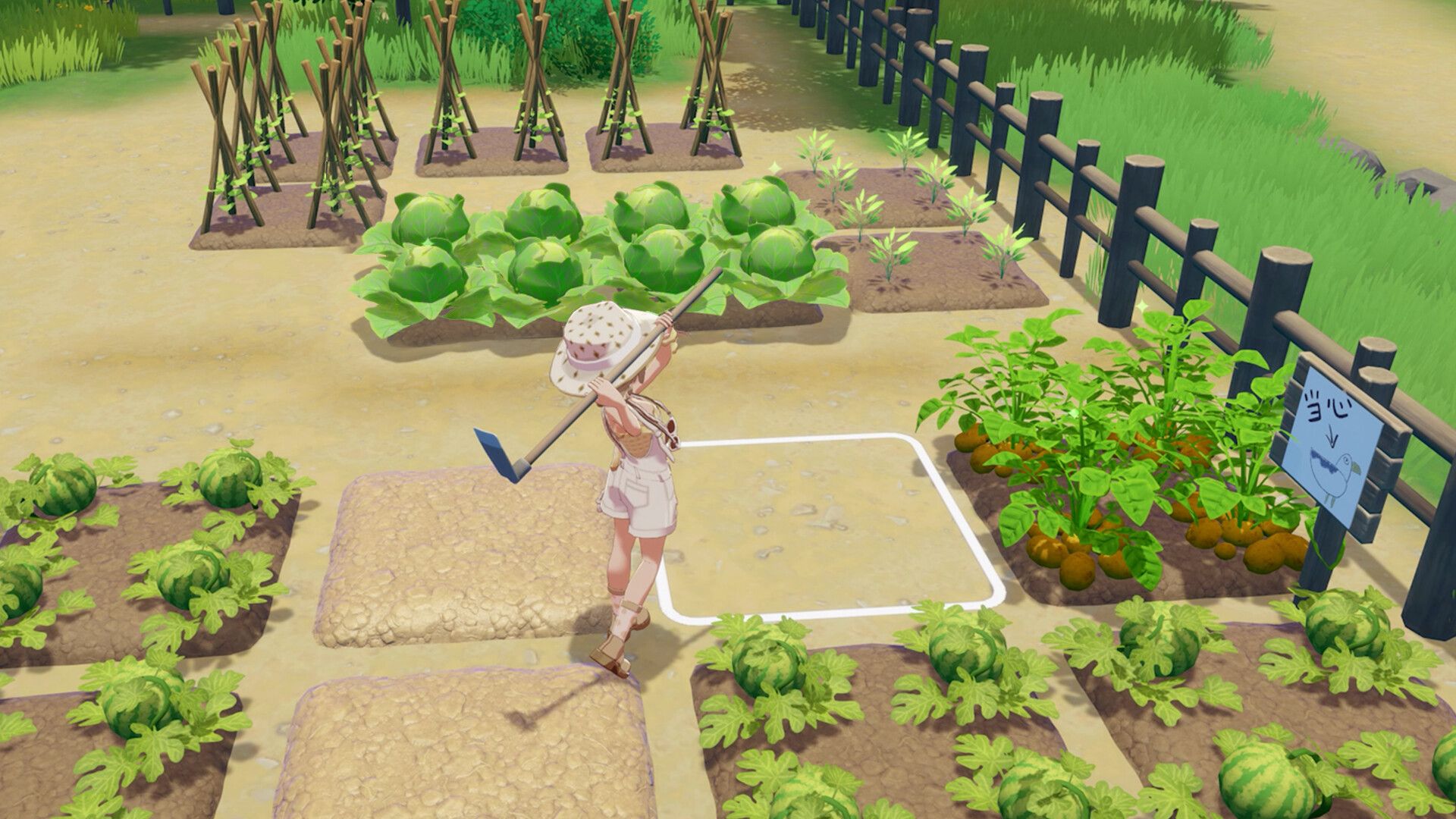
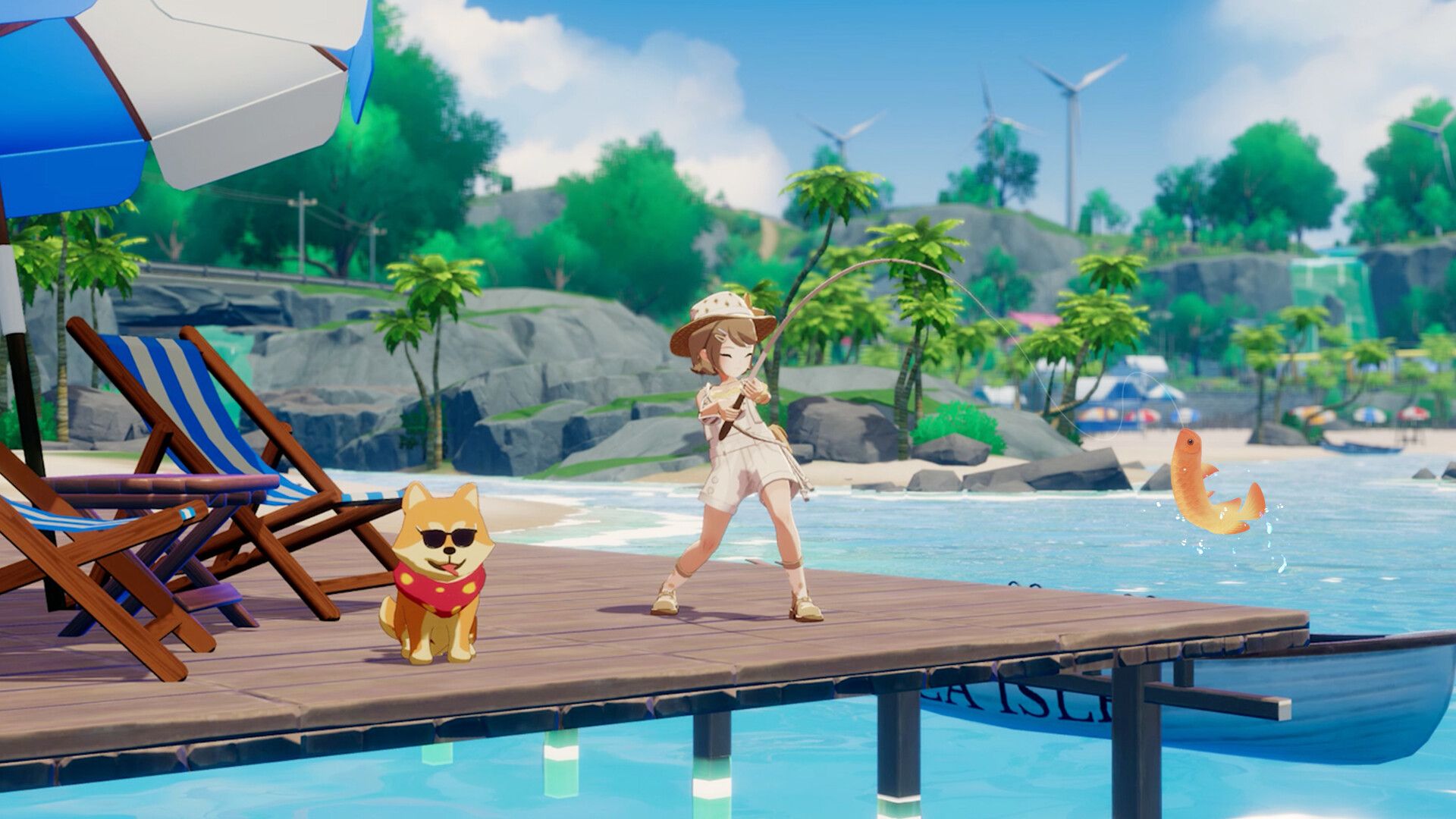
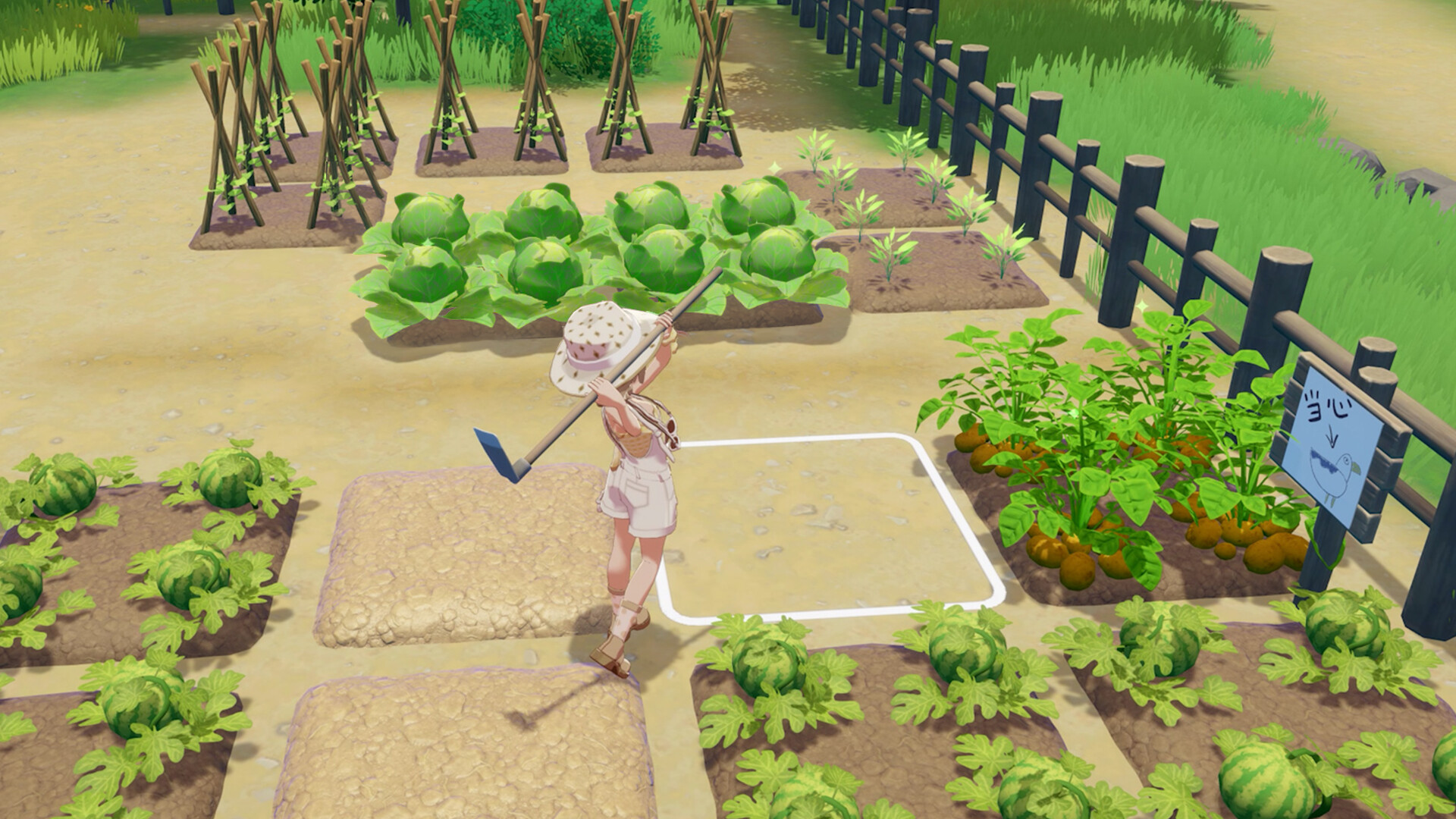
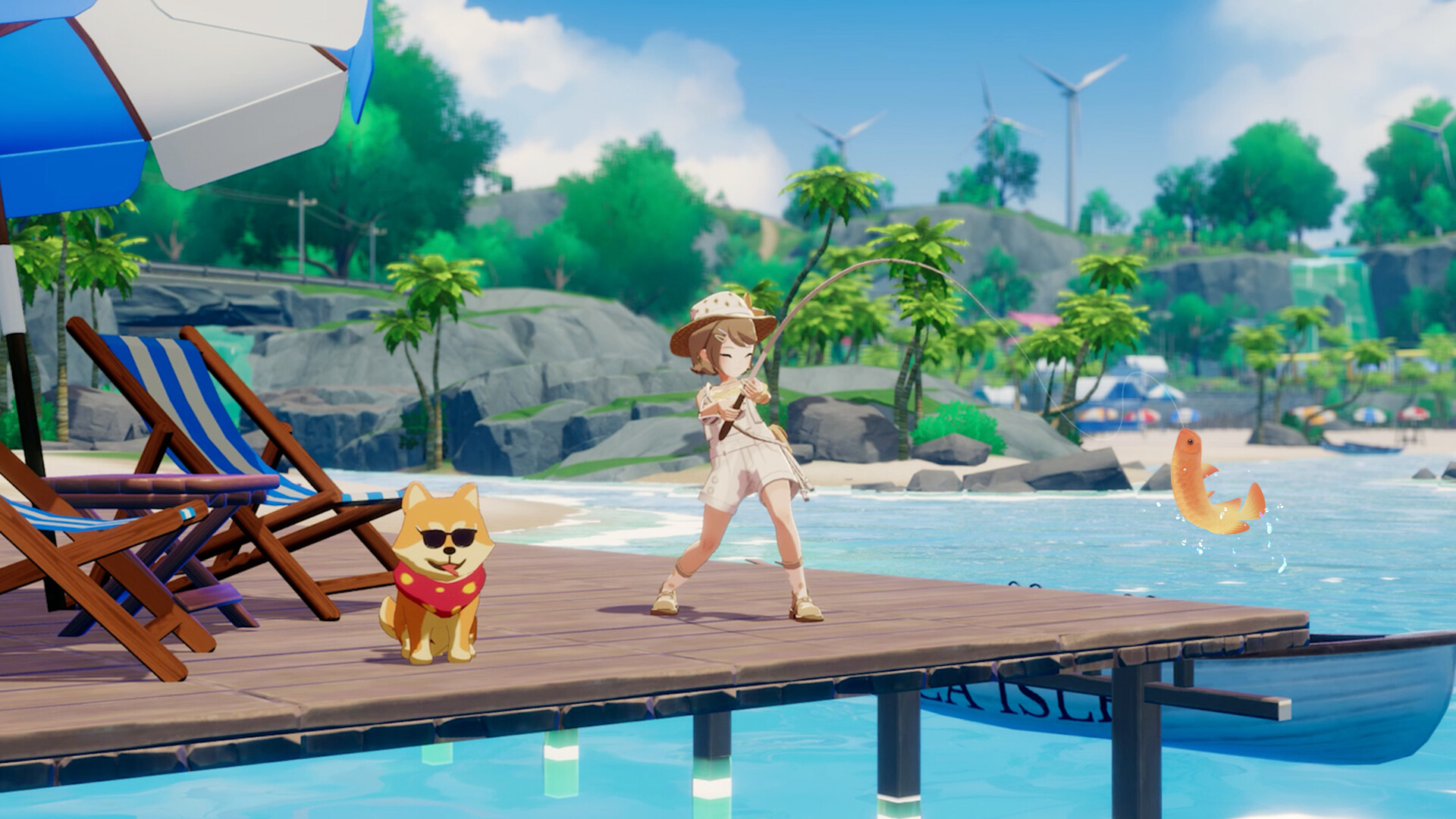
The game’s strengths are still easy to read in the public Steam picture and in the older review base that built the current lifetime score. Players clearly respond to the cozy island fantasy, the farming and decorating loop, the relaxed mood, and the idea of a bigger life-sim space built around animals, exploration, and a softer daily routine. If that pitch already worked for you during Early Access, the 1.0 launch does not suddenly erase the reasons people were here.
That is why this cannot be framed as a collapse story. It is not one.
The official 1.0 launch note also gives the update a real headline feature. Seed Sparkle Lab pushed online multiplayer for up to four players as the major release-day addition. On paper, that sounds like the kind of change that should make the full version feel broader and easier to recommend.
The issue is that the public reaction line shows many players did not read the result that cleanly.
The 1.0 complaint lane is the part buyers cannot skip
The sharpest caution themes are not vague.
Fresh visible Steam complaints keep circling around multiplayer expectations, thin-feeling 1.0 additions, and bugs or lingering rough edges that buyers hoped the full-release label would clear up. Some reviews describe co-op as closer to a helper-style drop-in than the shared-progression setup players wanted. Others argue that the step from Early Access to 1.0 does not feel big enough for the new price and the formal full-release label.
That does not mean every complaint is equally representative. It does mean the roughest launch-day concerns are concrete enough to take seriously.
This is also where restraint matters. A mixed recent window from 145 reviews is meaningful. It is not proof that the whole audience turned on the game. The honest version is narrower: the long-tail audience still looks strong, but the newest 1.0 read is much less comfortable than the lifetime badge implies.
So what changed for buyers on August 18?
The answer is not “the game is secretly bad now.” The answer is that the safest read got more specific.
Before launch, the clean hope was obvious: 1.0 plus multiplayer might turn Starsand Island into an easier blanket recommendation for cozy-life-sim players. After launch, the public evidence is more useful and less flattering. The audience is there. The goodwill is real. But the newest complaints suggest some players expected a fuller, cleaner, and more transformative version of the game than the one that actually shipped today.
That matters because $31.99 is not throwaway pricing for this genre. At that price, buyers are not just asking whether the game has charm. They are asking whether the full release feels like a real full release.
Right now, the answer looks mixed in exactly the way the recent Steam slice says it is mixed. If you already liked the core Starsand Island idea and mostly wanted proof that the game had a real audience after 1.0, you have it. If you needed proof that multiplayer and the broader 1.0 package resolved the game’s bigger trust issues, the public launch-day read does not give you that all-clear.
The honest buyer call
Starsand Island still looks commercially alive and publicly relevant after 1.0. That alone separates it from weaker cozy launches that never earn a second look.
But the cleaner takeaway is not “go buy it because the badge is green.” It is closer to this: the lifetime Steam picture says the foundation works, while the launch-day recent slice says the 1.0 promise is being argued over in public right now.
That makes this an easy recommendation only for players who were already sold on the core loop and can tolerate some launch-week friction. If you were depending on 1.0 and multiplayer to erase doubts about depth, polish, or co-op structure, the smarter move is to wait for another patch cycle and a larger recent-review sample.
That is not a weak answer. It is the useful one. Starsand Island has real 1.0 traction. It just does not have a clean 1.0 victory lap.
For more GameGuideDog coverage, browse our reviews section, compare another launch-day caution piece in our The Sinking City 2 review snapshot, revisit a stronger early-access Steam read in WE ARE SO DEAD early-access analysis, or open the latest English stories.