

Slay the Spire 2 is exactly the kind of game that attracts fake certainty too fast, so the right way to cover it today is as a review snapshot, not a pretend full review. GameGuideDog does not have a first-hand editorial playthrough basis here. What we do have is still strong enough to matter: official Mega Crit materials, the live Steam store and review signal, and credible external criticism that broadly points in the same direction.
That direction is pretty clear. Slay the Spire 2 already looks like one of Steam’s safest Early Access recommendations for players who want a deckbuilder with real bite. The sequel does not appear to be winning with noise or sequel inflation. It looks strong because it understands the original game’s loop and pushes it without flattening it.
What this review snapshot is, and what it is not
The evidence base supports an honest evaluative piece in the reviews lane, but it does not support a fake “we finished and scored it ourselves” posture.
So the useful version is narrower:
- official Mega Crit materials confirm the current feature set, Early Access intent, and release framing
- the Steam store confirms the current price, tags, Early Access scope, and live player-facing positioning
- external critical coverage gives us a real checkpoint on how the sequel is landing beyond pure marketing copy
- the public player signal on Steam is strong enough to treat the momentum as real, not synthetic launch-week fog
That is enough to say something useful about the game’s current shape. It is not enough to pretend the caveats have vanished.
Why the sequel already looks smart
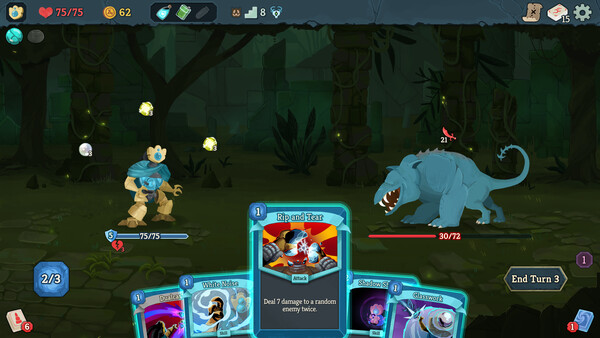
The strongest thing Slay the Spire 2 seems to understand is that sequels do not need to panic. The first game became foundational because its run structure was brutally readable and endlessly tense: route choices mattered, relics mattered, deck identity mattered, and greed usually got punished sooner or later.
The sequel appears to respect that instead of trying to bury it under spectacle. The official feature framing, the current Steam positioning, and the broader review conversation all point toward the same conclusion: this is an expansion of the original game’s strengths, not a confused attempt to outgrow them.
The Steam signal matters here more than usual
Steam is not just a shop window for a game like this. It is part of the review surface. Slay the Spire 2 is currently framed there as Indie, Strategy, Early Access, with user tags clustering around exactly the right ideas: deckbuilding, roguelike structure, strategy depth, and co-op.
That matters because a card roguelike does not get a free pass from its audience. If the run-to-run tension weakens, if the new classes do not justify themselves, or if the sequel feels solved too quickly, the player-review pattern usually gets noisy fast.
Instead, the broad message around the game is more encouraging: the sequel keeps the original’s identity alive, the current build already feels substantial, and the added systems appear to create new choices rather than just more clutter.
The best current argument for buying in
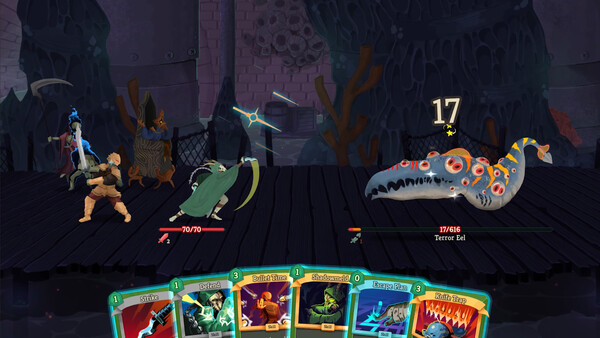
The most convincing buyer-facing argument is not that Slay the Spire 2 is already content-complete. It is that the current build appears to have the right foundation.
Mega Crit’s own messaging says Early Access is being used for balancing, quality-of-life work, experimental ideas, bug fixes, and more content. Steam also makes the caveat explicit: this is still an unfinished game, and players who only want the most polished final form may be better off waiting.
But that caveat is not the same thing as a red flag. In this case it reads more like a realistic label on a game type that genuinely benefits from live iteration.
Where the caution still belongs
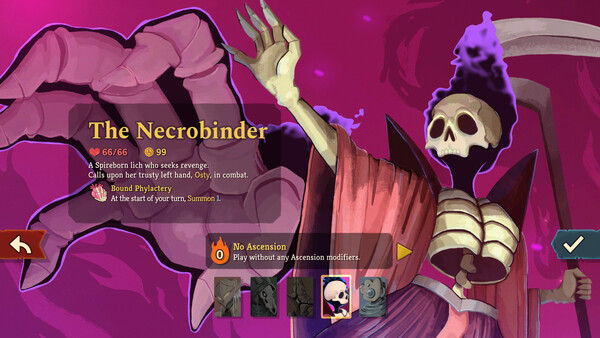
The obvious caution is still the correct one: Early Access is not a technicality. More content, more balancing, more fixes, and a fuller long-term version are still part of the plan. That matters for players who want the cleanest and most complete possible package before committing a lot of time.
There is also a taste caveat. Slay the Spire 2 seems to be leaning toward refinement over dramatic reinvention. For a lot of players, especially people who loved the first game, that is probably the right move. For players who wanted a sequel that violently breaks from the original formula, it may feel more evolutionary than revolutionary.
GameGuideDog call
Slay the Spire 2 looks like a strong review-lane recommendation right now, but as a review snapshot, not a fake definitive verdict. The official materials, Steam-facing player signal, and external critical read all point toward a sequel that is already doing serious design work rather than coasting on recognition.
If you loved the first game, live in deckbuilders, or enjoy systems that punish sloppy choices and reward mastery, this already looks worth your attention. If you only buy these games once they are fully matured, the wait is still a reasonable call.
For more GameGuideDog coverage, browse the reviews section, catch the latest English stories, revisit our Overwatch 2 Season 2: Summit report, or check the current Hades II Xbox Game Pass launch story.