
Silent Hill: Townfall has spent months in an awkward place. The trailers looked expensive. The premise sounded promising. The first-person shift felt risky enough to matter. But until now, most of the real conversation still depended on projection. The Wednesday, July 29, 2026 PlayStation Blog hands-on changes that by finally giving the game a usable shape.
That still does not make this a GameGuideDog hands-on, a review, or any kind of verdict. The fresh details come from PlayStation Blog contributor Phil Hornshaw’s report after about four hours with the game, not from our own play session. What the packet supports is narrower and better: Silent Hill: Townfall finally looks like a game with a real first-person thesis instead of a recognizable brand hiding inside prestige horror fog.
The first useful update is that Townfall seems built around pressure, not spectacle
The headline change is not just that Townfall is in first person. We already knew that. The more important point is how the official hands-on says that perspective is being used.
Hornshaw’s report frames combat, stealth, and movement through St. Amelia as tense precisely because first person limits how much safety or spatial certainty the player gets. Konami’s earlier June reveal framing pointed the same way, but the July 29 hands-on makes it feel less theoretical. This does not read like a game chasing loud action. It reads like one trying to make every close encounter feel ugly, cramped, and slightly mistrusted.
That matters for Silent Hill more than it would for a generic horror release. The series has always worked best when threat is half physical and half interpretive. If Townfall can make players doubt what they are seeing while still forcing them into bad, immediate decisions, then first person is doing real work instead of serving as a marketable camera gimmick.
St. Amelia looks like more than a spooky map with a famous logo attached
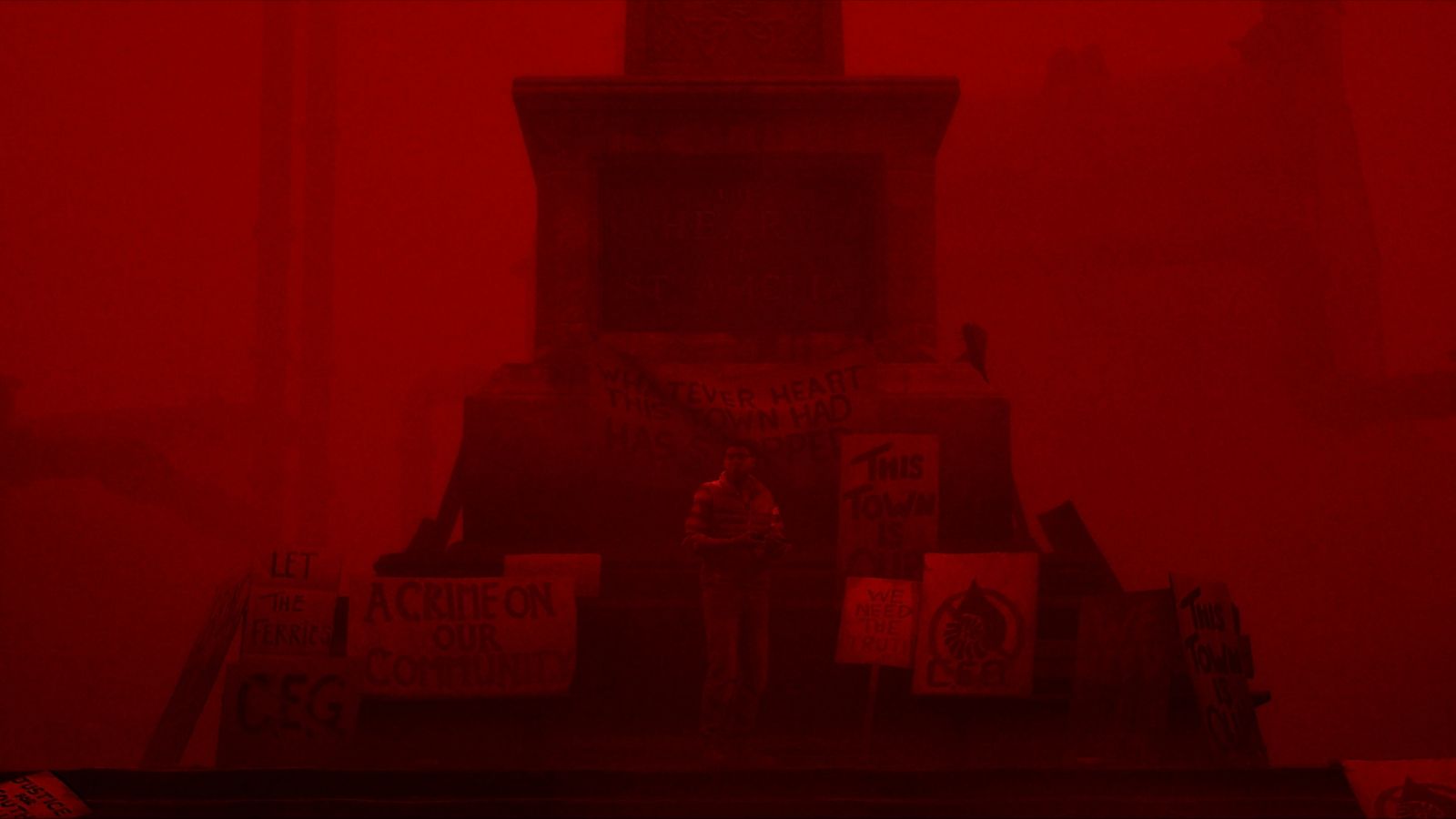
The hands-on’s early details around St. Amelia are doing a lot for the game’s identity. Simon arrives in a Scottish town that seems both abandoned and still haunted by social noise: shouting, flashes, protest traces, and the lingering sense that the place has not finished collapsing. That is a stronger starting point than a plain “foggy town full of monsters” pitch.
Konami’s official materials already positioned Townfall as a full-length, self-contained story set in Scotland. The new preview pass makes that setting sound purposeful rather than cosmetic. Simon’s connection to the town, the fragments of its past, and the warped transition into the Otherworld all suggest a game trying to root its horror in civic memory and personal damage at the same time.
That does not prove the writing lands. But it does make Townfall feel more specific. Silent Hill needs that. A series this old can too easily fall into recognizable symbols with no new emotional architecture under them.
The CRTV might be the mechanic that keeps this from becoming routine
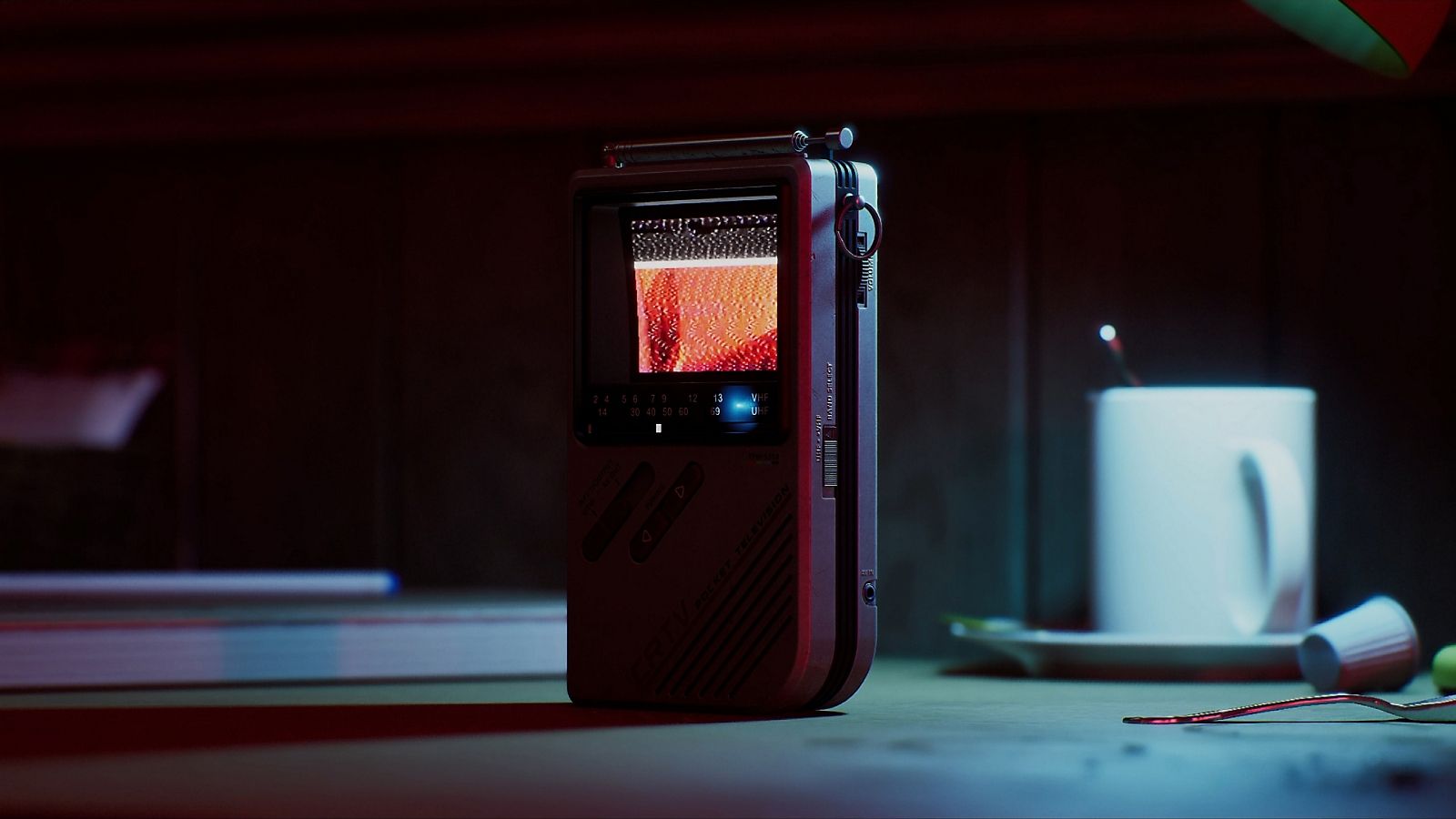
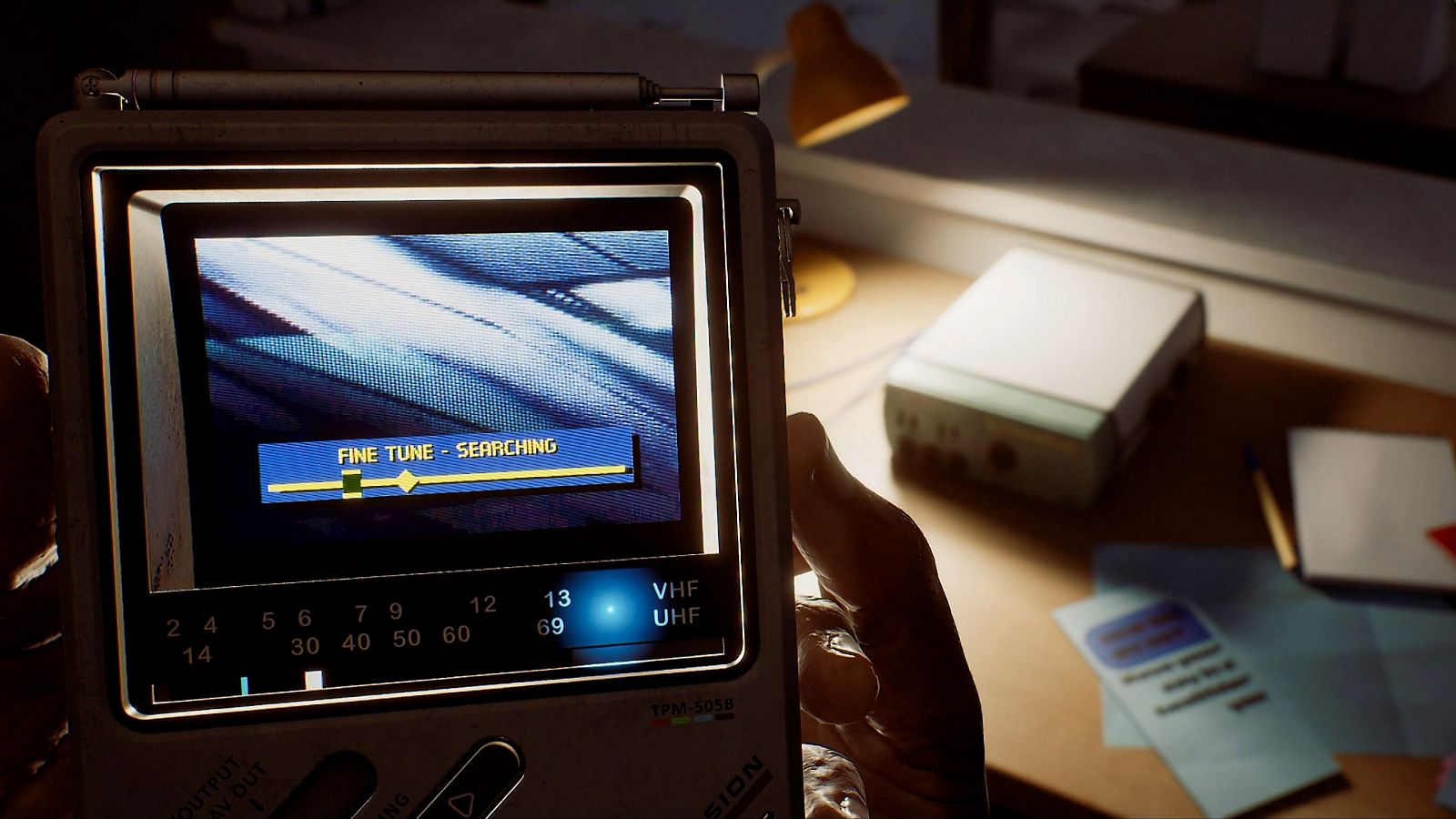
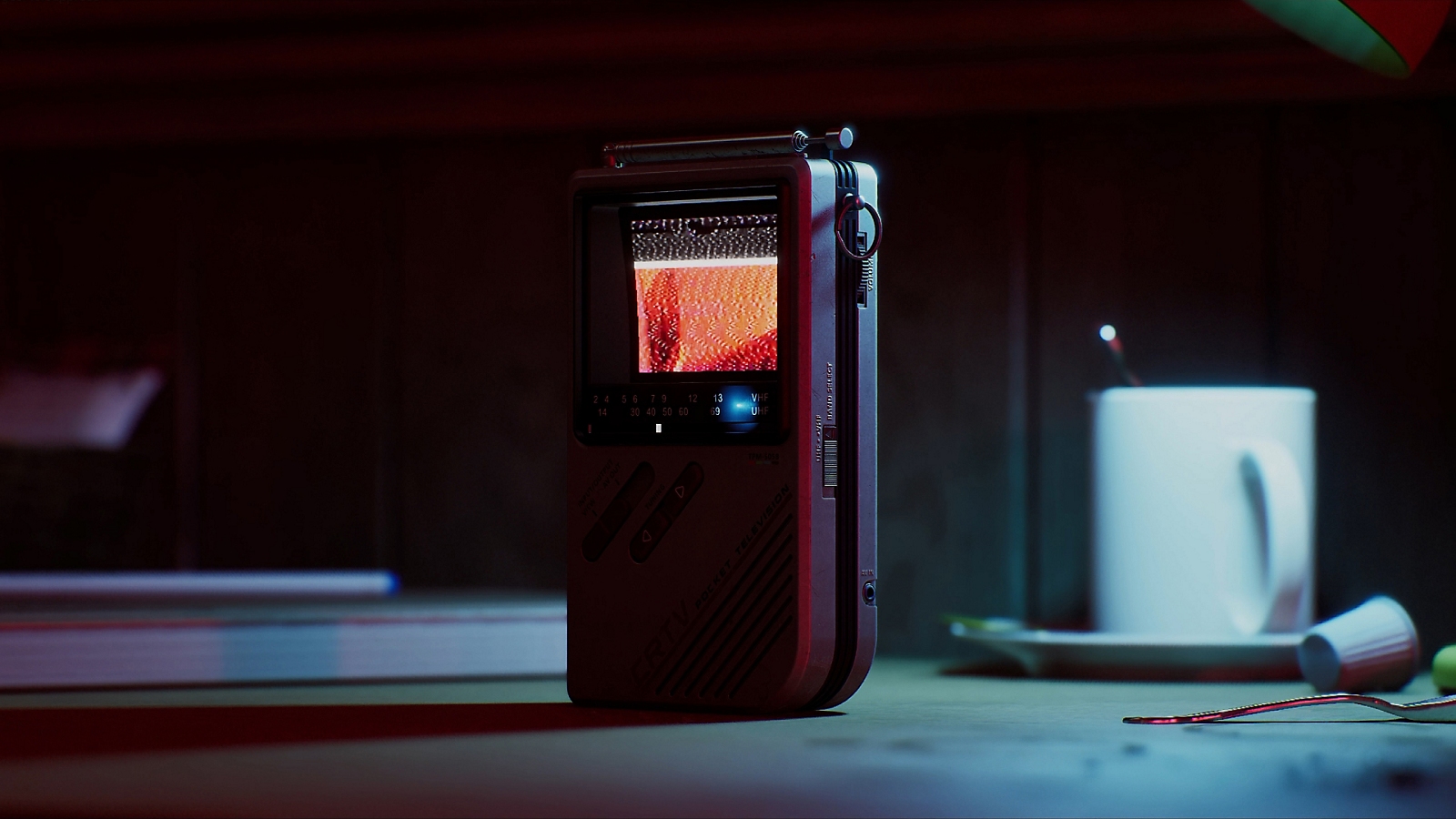
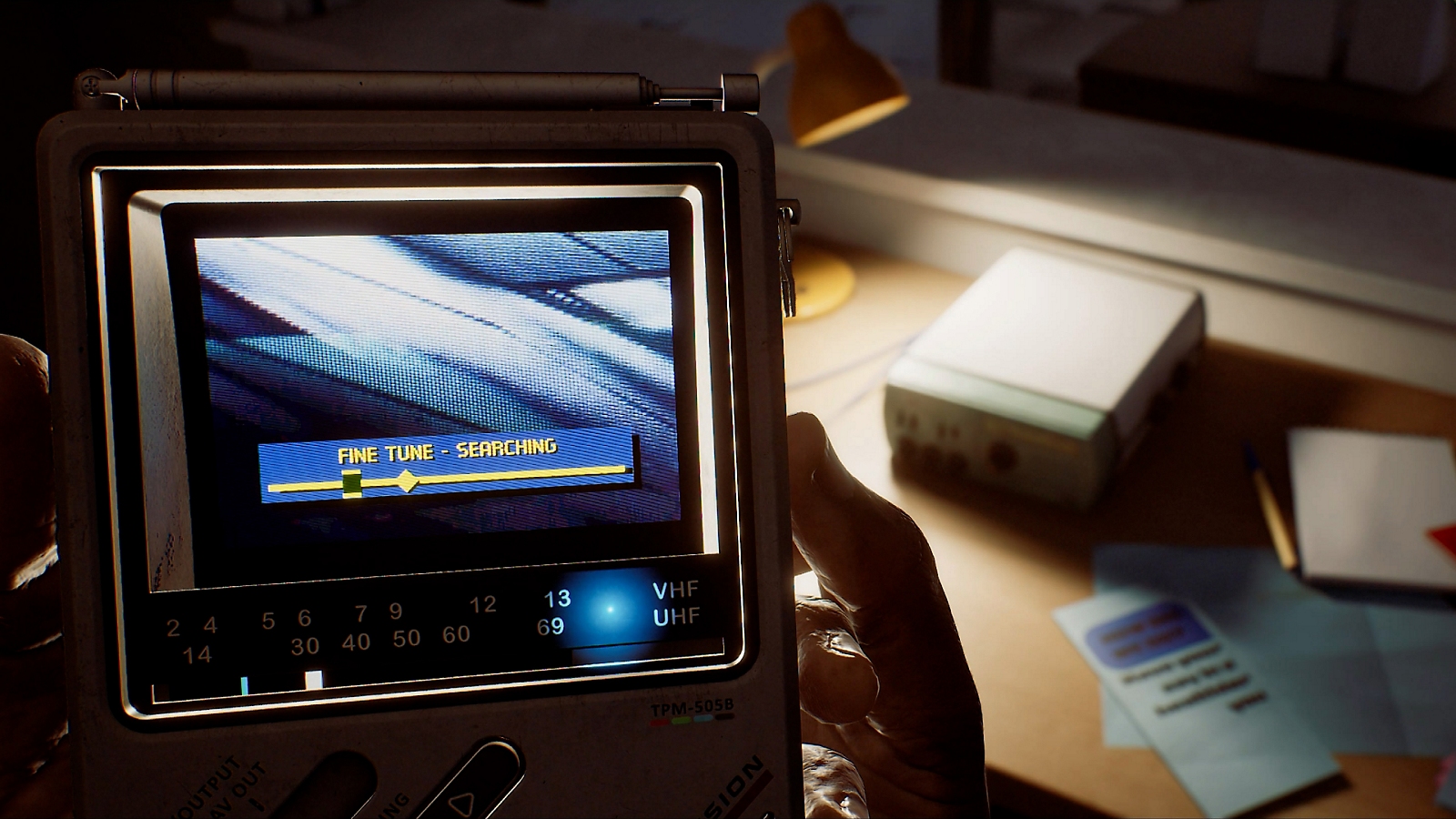
Townfall’s most promising hook still looks like the CRTV, the pocket television Simon uses to read unstable signals, nearby threats, and narrative clues. The key reason it matters is that it appears to live in multiple roles at once.
In weaker horror games, a tool like this would be little more than a flashlight substitute or a puzzle key. Here, the official framing keeps pushing it as a survival aid, a way to understand what is near you, and a way to deepen uncertainty rather than remove it. That is a healthier place for a signature mechanic. If the CRTV becomes an information source that also makes danger feel closer, then it belongs to Silent Hill’s best traditions of turning interface into dread.
The same goes for the newly described stealth tools. The July 29 hands-on says bottles, bricks, and environmental distractions matter because slipping past enemies is often smarter than trying to overpower them. That is a good sign. Silent Hill tends to lose texture when every room becomes a simple fight-or-run corridor. Townfall sounds more interested in bad options than clean solutions.
The analysis still needs brakes
This is the part where a lot of preview coverage starts lying by tone even when the facts stay technically correct. A strong official hands-on can still describe a polished vertical slice, not a complete game that holds up for ten or twelve hours.
We do not know yet how Townfall’s combat balance survives repetition, whether the stealth pressure stays interesting deep into the campaign, how demanding the PC version will be, or whether the story’s ambiguity keeps its edge past the opening stretch. We also should not fake a public reception story that does not exist. Townfall is still a September 24, 2026 release, with current official launch listings pointing to PS5, Steam, and Epic Games Store.
That is also why this piece should stay away from exclusivity theater. Current official launch listings are enough to describe the launch platforms. They are not enough to make forever-platform claims. The sharper angle is not “who is missing?” It is whether the game being shown actually looks like it understands why Silent Hill still works.
Why this is a real flagship story now
The answer, for the first time, is probably yes. Not because Townfall is suddenly guaranteed to be great, but because the official preview wave finally lines up its major ideas in a convincing way.
The first-person perspective, the CRTV, the friction between stealth and messy combat, Simon’s uncertain relationship to St. Amelia, and the social scars visible in the environment are all pointing toward the same design goal: make proximity itself feel psychological. That is a better read than “another horror revival is coming” and a much more useful one for players deciding whether Townfall deserves real attention heading into September.
Silent Hill: Townfall still needs to prove that this design holds together beyond a preview build. But after the July 29 hands-on, it no longer looks like an empty prestige-horror pitch. It looks like a game making a real attempt to turn first-person closeness into the thing that hurts.
For more GameGuideDog coverage, browse our gaming section, revisit another recent horror-side analysis in our Castlevania: Belmont’s Curse hands-on analysis, compare a launch-state buyer read in our Halo: Campaign Evolved launch-day Steam analysis, or catch another official-trailer breakdown in our Beast of Reincarnation combat trailer analysis.