
Shelve the Potions! now has enough live Steam proof to matter as more than a throwaway launch card. In our Tuesday, August 25, 2026 refresh around 2026-08-25 17:19 UTC, Steam’s official endpoints showed 73 total reviews, 51 recent English reviews, and 853 live players, while the store still listed the game at $5.39 during its launch discount.
That is a real opening signal for a tiny indie release. It still is not the same thing as a fake breakout story.
The more useful read is narrower. Shelve the Potions! looks like a cozy organizing game that found its audience quickly because the setup is easy to understand, the price is low, and the presentation is warm. The review layer also keeps repeating a buyer warning that matters more than the word cozy: this game leans much harder on puzzle logic than some players expected, and that split is already visible.
Why this launch is worth covering at all
Yesterday this lane was easy to leave alone. There was a Steam page, a cute pitch, and not much public proof behind it. Tuesday changed that.
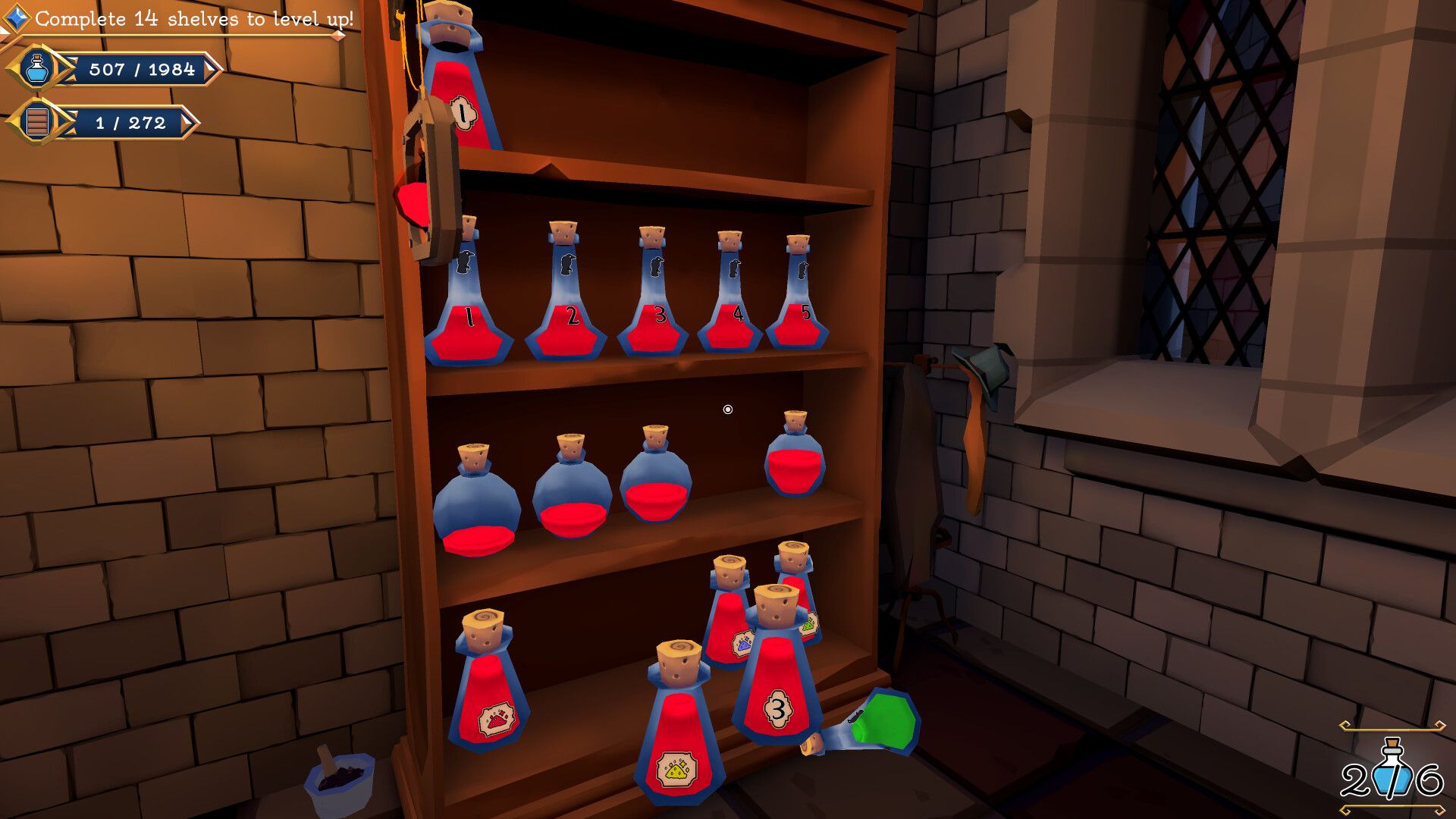
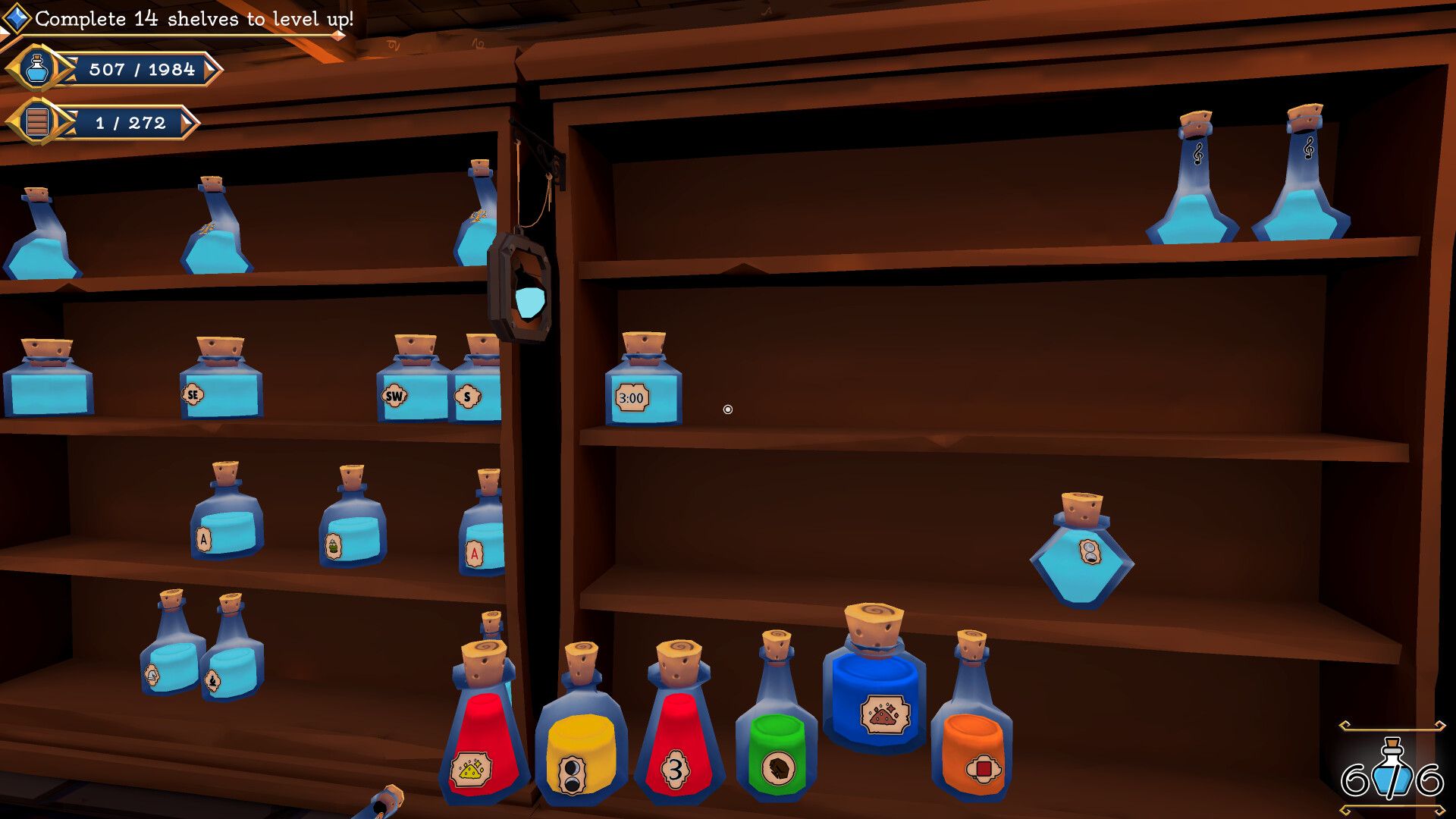
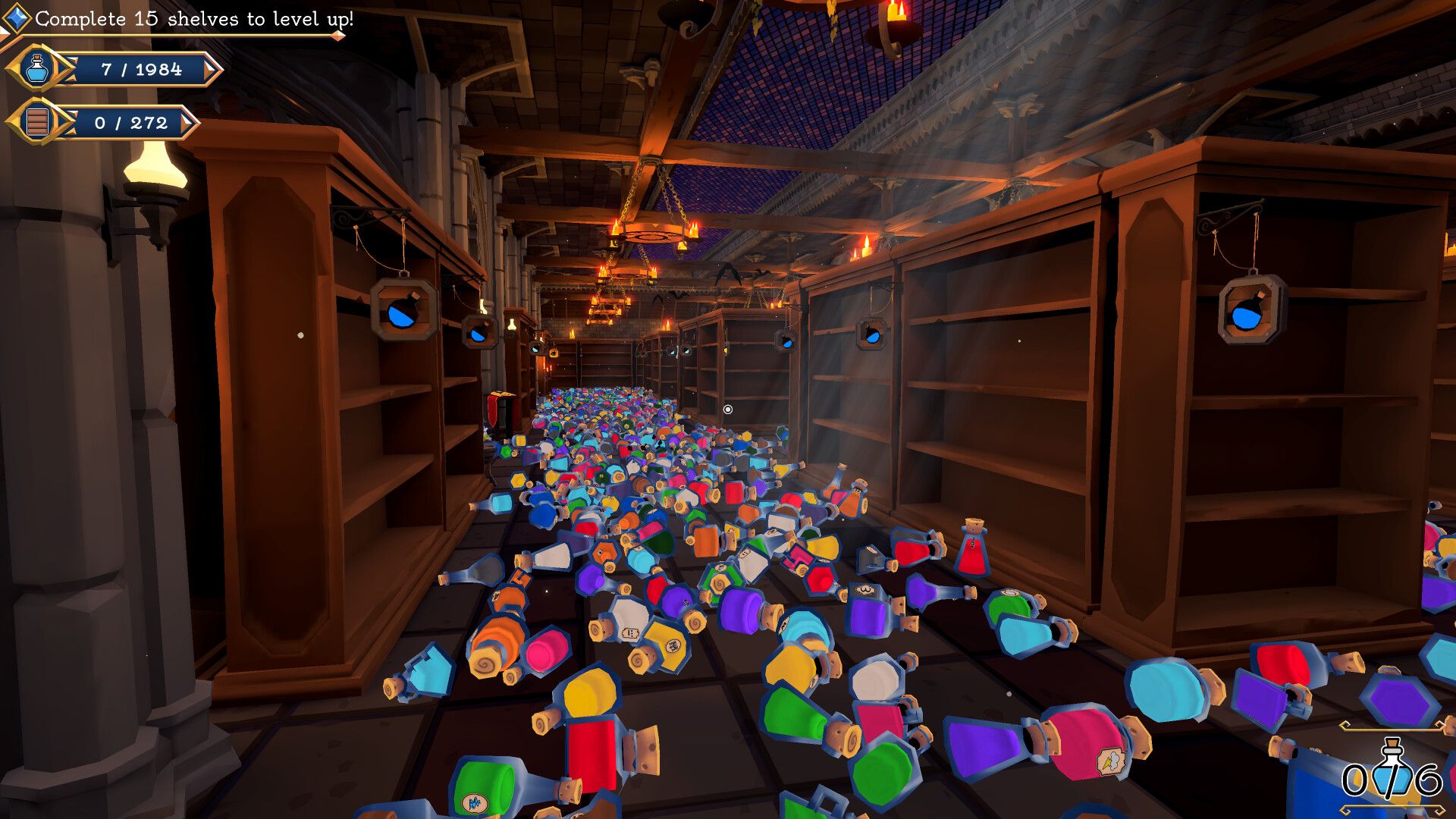
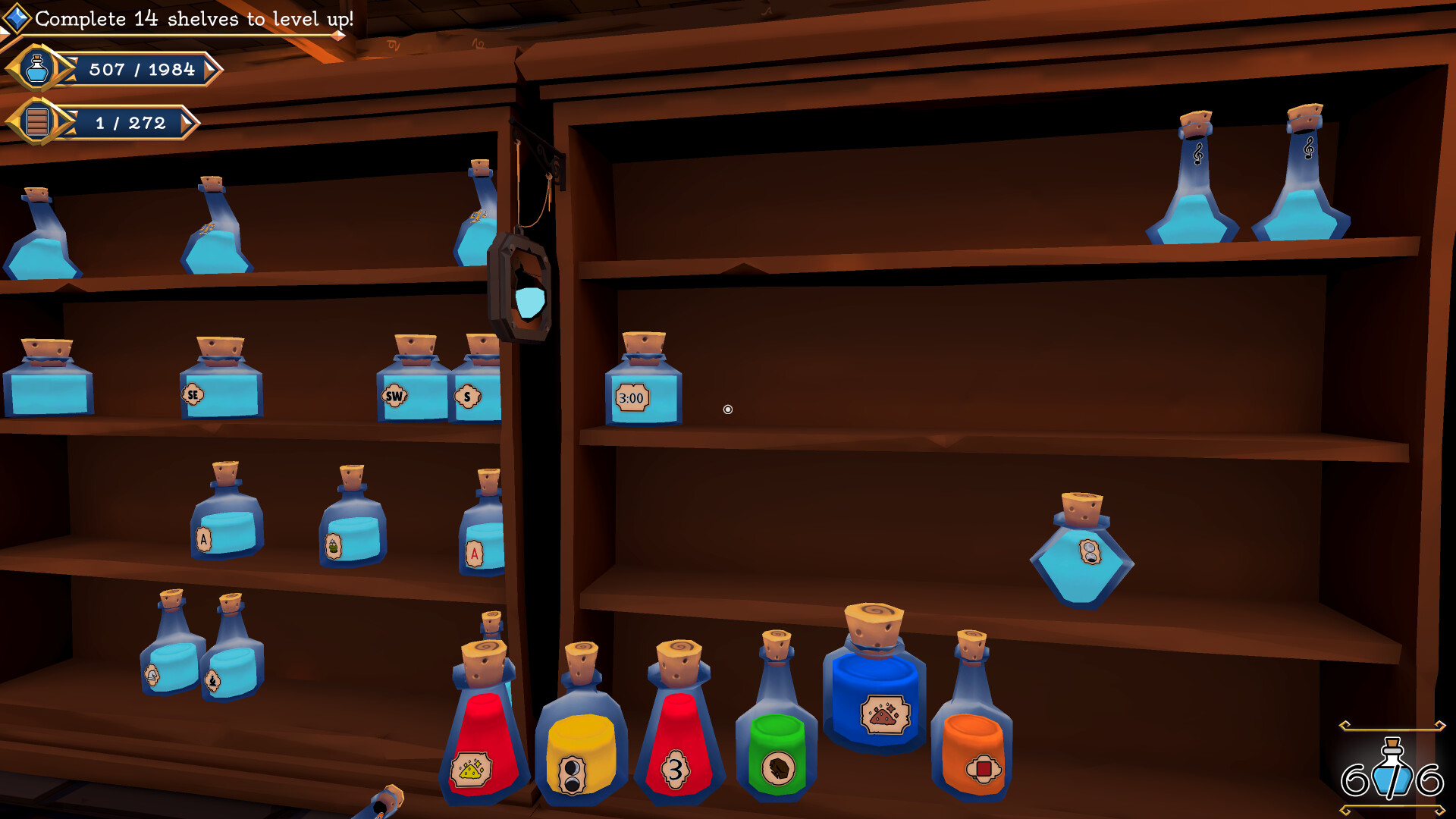
The official store page still frames Shelve the Potions! as a clue-driven cellar cleanup game where you sort more than 2,000 potions across handcrafted shelves while learning each shelf’s hidden rules. The safest count to use from the store description is 20+ handcrafted puzzles. The launch post claims 25+, but that higher number is better treated as attributed first-party framing, not neutral fact.
The price does a lot of work here too. At $5.39 during the intro discount, this is sitting in the impulse-buy zone, not the weeklong-wait zone. Small games in this bracket do not need giant platform heat to deserve coverage. They need proof that real players actually showed up and that the reaction says something useful. That proof exists now.
An 853-player snapshot is not a dominance story. It is enough to say this launch found oxygen fast for a tiny release in a niche lane. The day-one patch notes help too. Knight Owl Games was already adjusting ability cooldowns, card readability, mouse settings, and SFX behavior on launch day, which tells buyers the team is reacting quickly to friction instead of pretending nothing needs tuning.
What the review layer is actually saying
The useful part of this packet is that the reaction is not vague. The same themes keep returning.
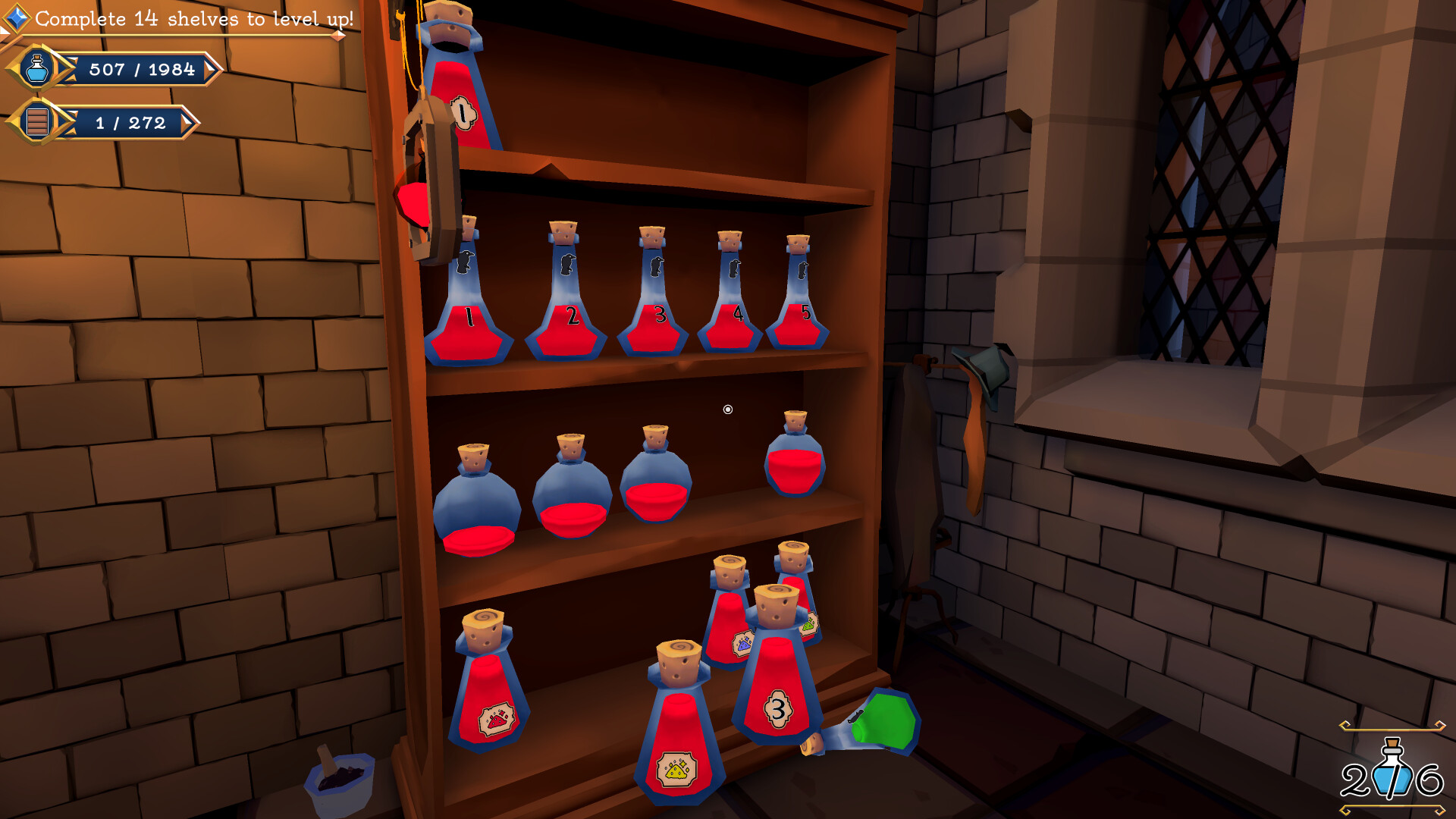
On the positive side, players keep praising the hybrid. This is not just another “pick things up and make the room look nice” release. The clue solving, shelf rules, and light escape-room energy are exactly what some players think makes it stand out. Several reviews say the puzzle layer gives the tidy-up formula more structure and keeps it from feeling like a plain clone.
The caution side is just as clear. A visible chunk of the English review sample says the puzzle focus cuts against what some cozy players came here for. Instead of a pure unwind game, they found a release that asks them to decode symbols, read shelf logic, and deal with repeated solutions across color sets. Some players also call out short length, awkward readability in a few spots, early confusion, and a loop that can become more repetitive once the trick is understood.
That split is why this works as a buyer follow-up and not a review verdict. The early signal is genuinely good, but it is also specific. People are not telling you this is the new all-purpose cozy obsession. They are telling you it is a stronger fit for players who want puzzle friction inside the cleanup fantasy instead of pure low-pressure tidying.
The honest buyer angle is better than the raw cozy pitch
The easiest mistake here would be to oversell the vibe and undersell the structure.
The official framing talks about no timers, no pressure, full controller support, Steam Cloud, and accessibility options like color-blind assist. All of that matters. But the same official material also shows a game built around deciphering patterns and shelf rules, not just relaxing through cleanup. Steam’s launch-week reaction mostly confirms that the puzzle layer is the real dividing line.
That is useful because it makes the buying advice sharper. If you wanted another purely soothing organizing game, the packet gives you enough reason to pause. If you wanted a cozy wrapper around logic puzzles, the same packet reads much better.
The day-one patch response strengthens that read a little. It does not prove long-term support, but it does show the developer already sanding down obvious friction rather than leaving the first complaints untouched.

The honest launch follow-up
Shelve the Potions! looks like a real small Steam success story, but the useful angle is not “everyone loves this cozy game.” The stronger angle is that it found a live audience quickly while already exposing a clear line between the players it will charm and the players it will frustrate.
If you like clue-heavy sorting games and do not mind a shorter run, the launch signal is easy to take seriously. If you wanted a softer tidy-up game with almost no mental drag, the same evidence tells you to read the puzzle warnings first.
That is enough for a clean buyer read. Shelve the Potions! has real early Steam momentum, but the public signal points to a puzzle-first organizing game, not a universally chill comfort buy.
For more GameGuideDog coverage, browse our indie games section, compare another small Steam follow-up in our FEED THE AI review snapshot, revisit a neighboring organizing lane in our Sort Them Ducks Steam launch analysis, or open the latest English stories.