
Saros arrives on PS5 today with the kind of launch-day review picture players actually want: not fake unanimity, not a vague prestige fog, but a pretty clean split between what critics seem to love and what they are still side-eyeing. The live OpenCritic page currently shows an 89 Top Critic Average, 96% critics recommend, and 74 critic reviews. That is strong enough to make this one of the safer high-profile PS5 buys of the week.
The honest catch is just as important. This is a review snapshot, not a GameGuideDog full review. We do not have a first-hand editorial playthrough basis here. What we do have is a solid launch-day evidence stack: official PlayStation and Housemarque materials, plus a critic pattern that is consistent enough to say something useful. That pattern looks simple: Housemarque’s combat and run structure are landing harder than the story.
The critic picture is strong, but not fake-clean
The broad numbers already put Saros in very good company. An 89 average with a 96% recommendation rate is not the profile of a messy launch scraping by on brand loyalty. It suggests critics think the game works more often than it misses.
The more useful detail sits below the aggregate. The blurbs visible on OpenCritic point toward the same core argument from slightly different angles. GameSpot calls Saros a phenomenal game that improves on Housemarque’s roguelite formula. TheSixthAxis frames it as a stronger, more accessible extension of the Returnal lane. IGN is more reserved, but still says Housemarque’s bullet-hell instincts work even when the storytelling does not always fully connect. Eurogamer lands in a similar place, praising the action while noting the narrative sometimes feels at odds with the experience.
That does not mean every outlet agrees on how high the ceiling is. It does mean the review conversation is not random. There is a recognizable center of gravity here, and it leans toward great action, strong run design, and softer confidence in the story.
Why that split matters more than the average score
A launch-day aggregate by itself can be misleading. Players are not buying a number. They are buying a shape.
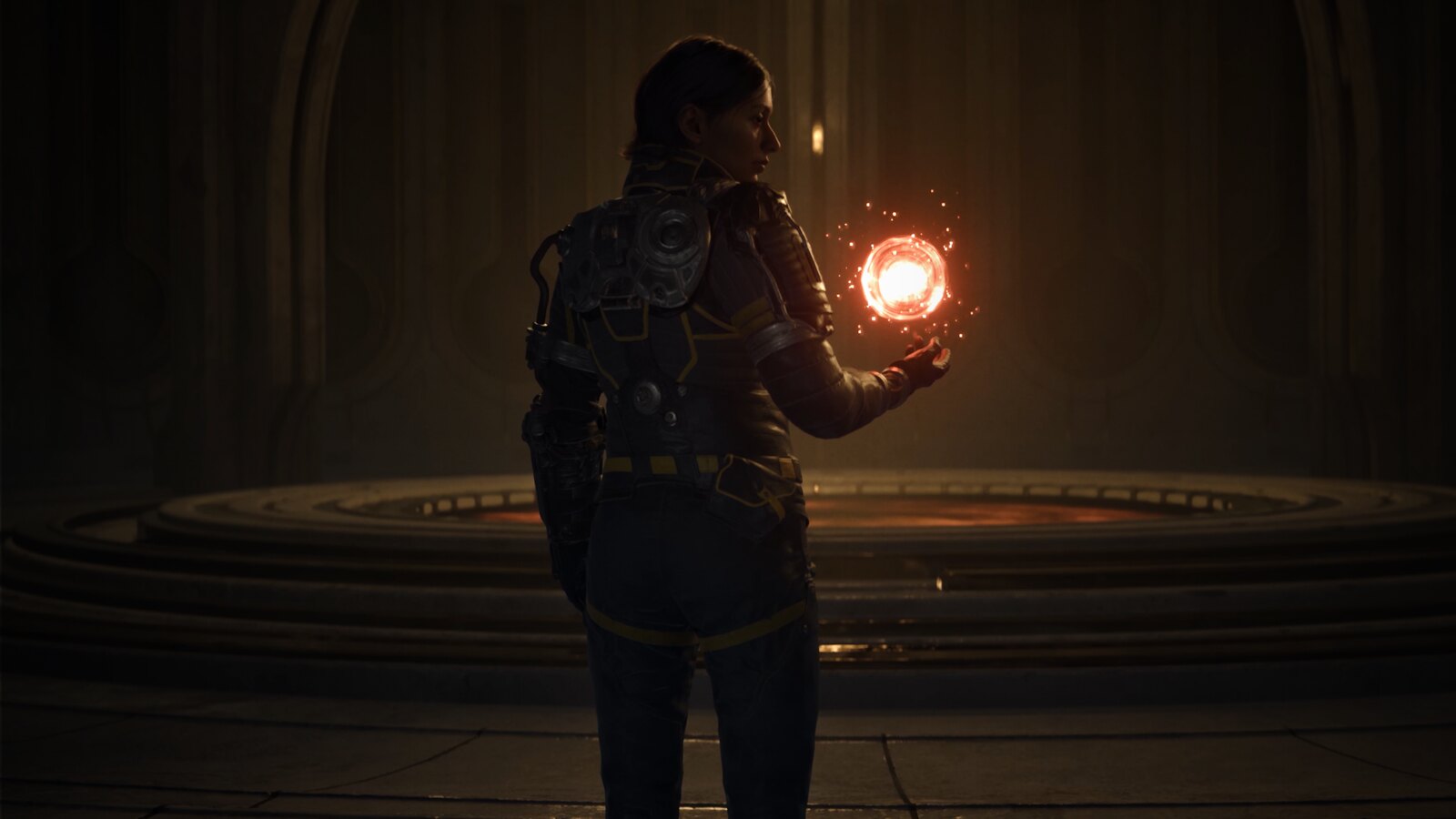
In Saros’ case, the shape looks pretty clear. If you wanted Housemarque to follow Returnal with another game built around movement, pressure, precision, and repeat-run tension, the critical read suggests Saros mostly delivers. The official PlayStation messaging supports that too. Sony’s product page leans hard on the loop: changing runs, permanent progression, hostile biomes, DualSense feedback, and a system built to make repeated deaths part of the climb instead of the end.
The April 23 PlayStation Blog post fills in the player-facing detail that makes the pitch more practical. Housemarque called out Carcosan Modifiers that can tune difficulty, alongside launch accessibility options like colour blindness support, dialogue focus mode, and controller remapping. That does not prove the onboarding is gentle, but it does make Saros look less interested in one-note punishment than some of its genre cousins.
So the launch-day buyer signal is not just “critics liked it.” It is more specific: critics seem to think Housemarque still knows exactly how to build this kind of action game, and the official feature set gives players a few more ways to meet it on their own terms.
What players should know before buying now
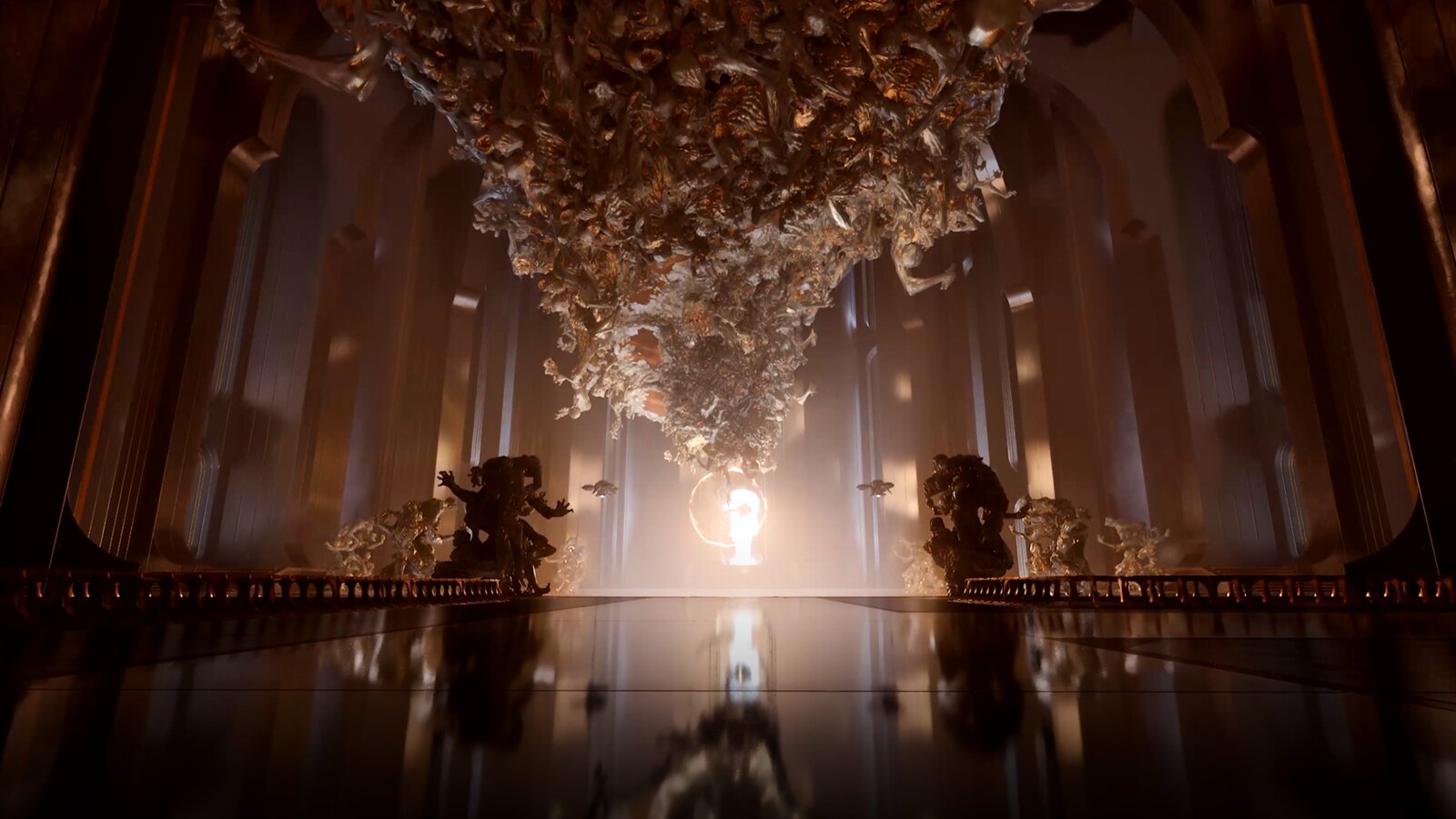
The first thing to know is that this still looks like a Housemarque game for people who want friction, not a broad-audience action blockbuster wearing roguelite paint for marketing. The official store page lists offline single-player, Remote Play, DualSense trigger and vibration support, and PS5 Pro Enhanced status, but those are packaging details. The real question is whether you want a game built around death, adaptation, and repeated runs through a hostile system.
The second thing is that the story caveat is not just one stray complaint. It shows up often enough in the visible critic blurbs that buyers should treat it as part of the launch profile, not an outlier. If you are here mainly for Housemarque’s combat language, that is probably fine. If you wanted Saros to win primarily as a character-and-lore showcase, this snapshot is less emphatic.
The third thing is what we still do not know yet. There is no mature player-consensus signal worth using on day one. OpenCritic’s player panel is still below the visible threshold. So this is not the moment to pretend we already know how broad the player response will be, how technical performance feels in the wild, or whether the story complaints will matter more to players than they do to critics.
GameGuideDog call
Saros looks like a strong launch-day recommendation for action players, but as a review snapshot, not a fake full verdict. The cleanest reading right now is that Housemarque has landed the combat side of the brief with real confidence, while the story reads as the more common caution flag.
If what you wanted was another PS5 showcase built around movement, danger, and one-more-run pull, the critic picture says Saros is probably worth serious attention now. If you needed the narrative to hit just as hard as the action, the smarter move is to go in with your eyes open rather than assume the aggregate means every part lands equally.
For more GameGuideDog coverage, browse our reviews section, check the latest English stories, revisit our earlier Saros launch-week accessibility report, or read our prior Saros release-date snapshot.