

RetroSpace’s early PC reception makes it worth investigating if solving encounters matters more to you than following markers. The Wild Gentlemen’s horror game, published by Kwalee, launched October 1. Official information and selected early accounts point to a clear attraction: experimenting with a station’s systems. Navigation, upgrade pacing and menu handling are the questions to check before buying.
GameGuideDog has not played RetroSpace. This is a reported launch snapshot, not an original review or a site score. It combines the creator’s pitch, two independent PC reviews and dated Steam evidence. That supports a useful trial checklist; it does not settle the game’s quality on every platform.
The pitch is freedom inside the station
The official Steam description presents Aurora 5 as an interconnected station where stealth, hacking, diversions and direct combat provide different ways through encounters. Mutations and cloning add consequences to survival. Those are the developer’s descriptions, not systems this desk has tested.
The important question is whether those alternatives give you a reason to stop and think. For someone who enjoys working out a route or turning a security system to their advantage, the pitch has a specific appeal. Someone looking for a horror shooter with constant direction should investigate the navigation just as closely as the combat. That audience distinction is an inference from the accounts below, not a tested recommendation.
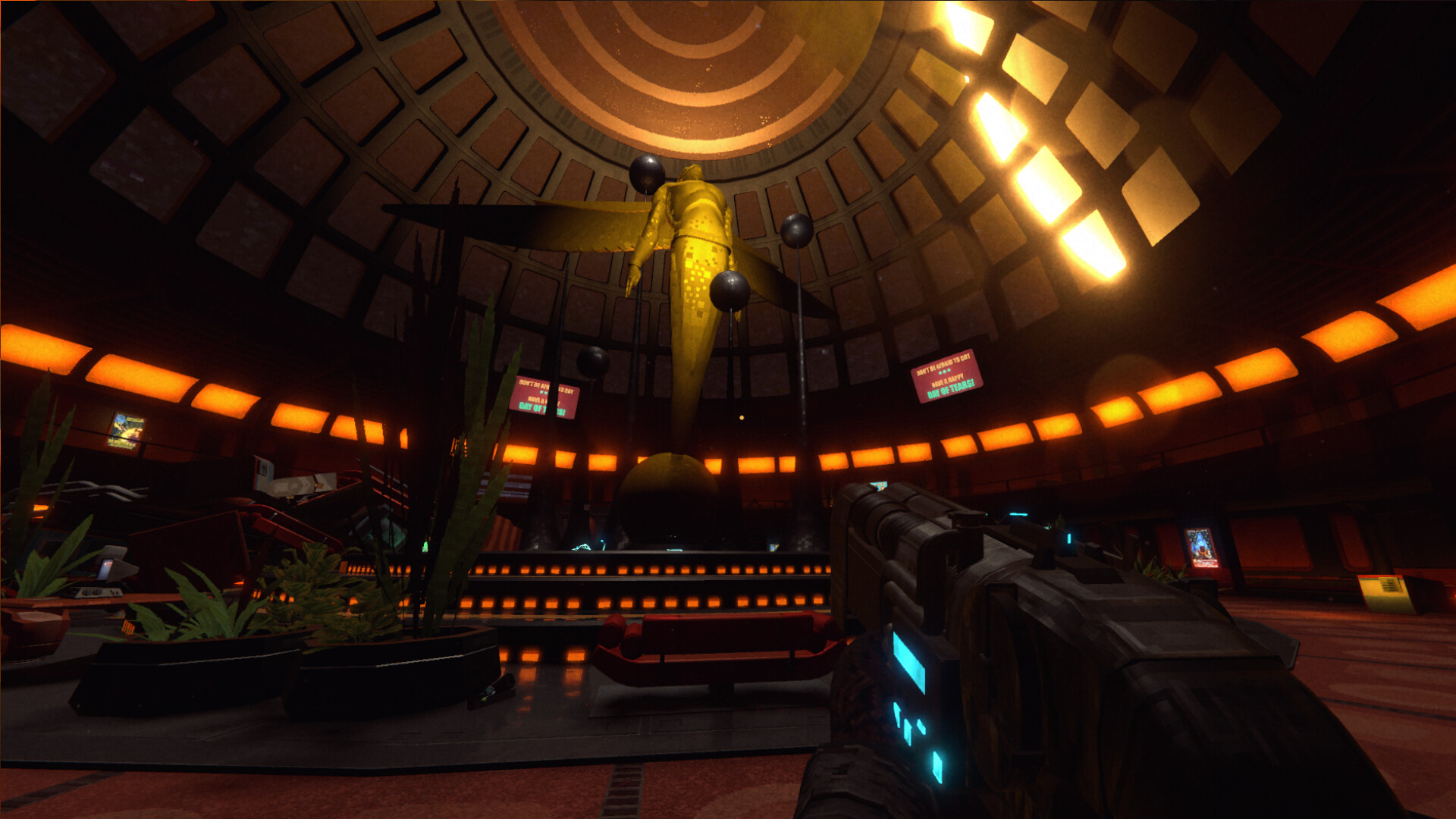
Official promotional screenshot: The Wild Gentlemen / Kwalee. It illustrates the setting, not our play experience.
Read the praise alongside the friction
GamingTrend’s Raven Winters praises the available approaches, while questioning how late weapon and suit upgrades arrive and how cumbersome controller menus feel. Her review used an early publisher-provided PC copy. These observations identify things to investigate; they are not verified defects in today’s build.
GameSurf’s PC review also values the alternatives, but finds the lightly guided navigation frustrating. It says a prerelease progression blocker was corrected before launch. That is the reviewer’s account, not proof that every release problem is fixed.
The practical distinction is between getting lost by design and being obstructed by a fault. A sparse map can be appealing to someone who wants to learn a place. It can also waste the attention of someone who wants clearer directions. Neither preference needs to be dressed up as the correct way to play. What matters is knowing which experience you are investigating.
Likewise, advertised controller support does not answer whether reading terminals or moving through menus is comfortable. Compatibility and usability are different questions. Test the actions you expect to repeat, rather than treating a store label as a complete interface verdict.
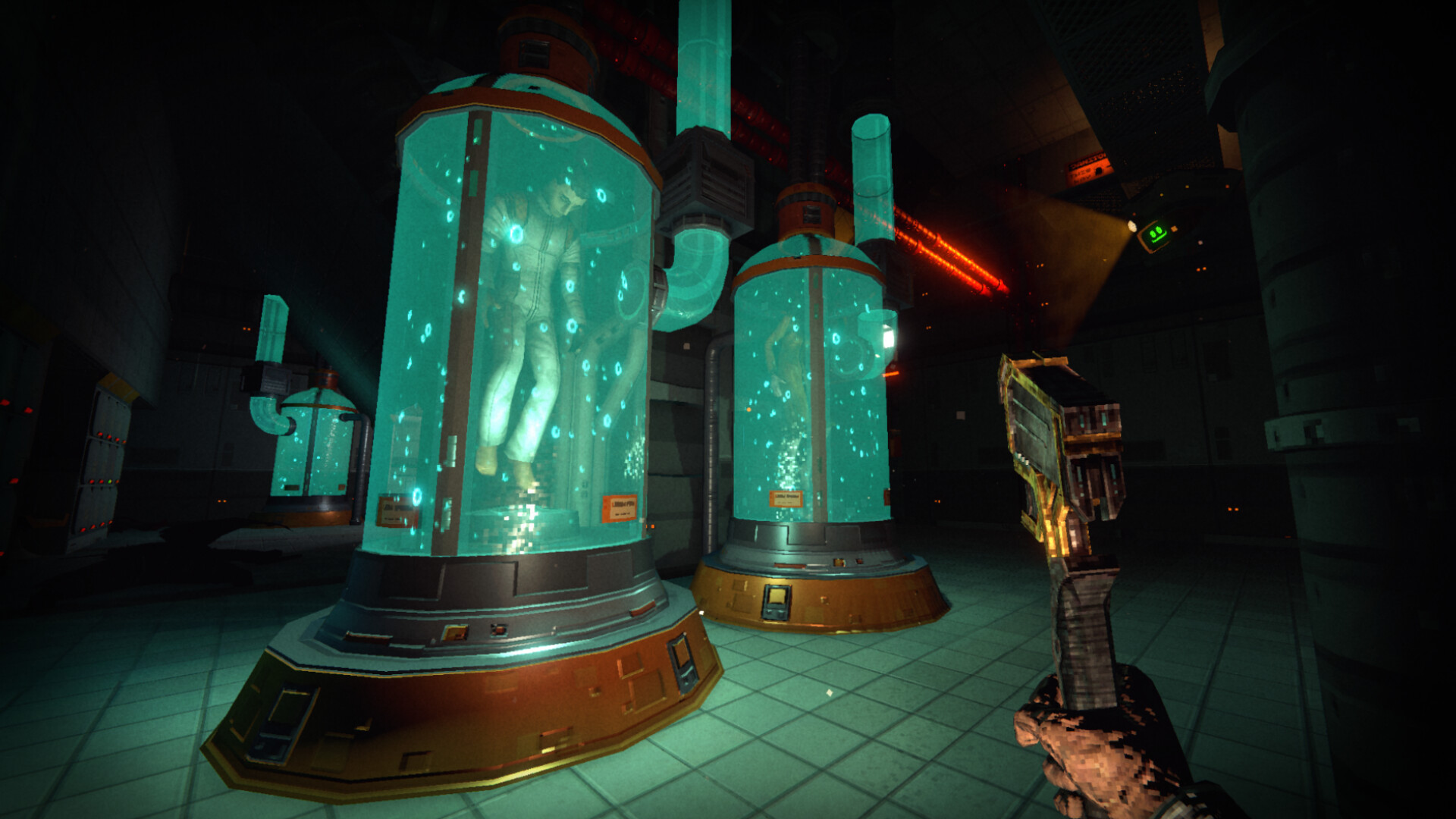
Official promotional screenshot: The Wild Gentlemen / Kwalee. No narrative identity or performance finding is inferred from the image.
The first hotfix is promised, not delivered
The developer’s October 5 announcement says a first major hotfix is planned for the following days. It names ladder climbing, save-system refinements, softlock problems and a secret-boss issue among the planned fixes. That is more concrete than older reviewer complaints, but it is still an announcement of work to come, not a released fix or a clean-build guarantee.
If losing progress or getting stuck would spoil the experience for you, waiting for that update and its actual release notes is the sensible buyer call. The positive early rating does not erase this developer acknowledgment. For players comfortable investigating an ambitious indie launch, the demo remains a lower-commitment way to inspect navigation and controls, while later progression and save reliability stay unresolved here.
Positive early ratings are a lead, not a consensus
At 15:03 UTC on October 5, Steam’s review API returned 226 positive and 34 negative reviews, 260 total, with a Very Positive summary. This query includes all languages and all purchase types. It is one dated population, not a count to mix with storefront totals or a measure of sales, retention or player growth.
The packet also retains named individual accounts from its earlier five-review sample. Metaknight appreciates the low-guidance approach. IRockFiction, explicitly writing before finishing, describes hacking opportunities and raises upgrade-timing concerns. These are narrow examples, not a representative poll; their comments should not be read as a finished-game consensus.
The positive summary gives a reason to look closer. It cannot establish that a particular complaint is rare, fixed or relevant to your setup. Early praise and caveats can coexist without becoming a manufactured argument that the whole community is divided.
Use the demo to answer the personal questions
The October 5 store recheck listed a demo, full controller support and a Deck Verified badge. None is a hands-on result from this desk. The demo has not been installed here, and its listing does not establish that it matches the full game’s current build or represents late progression.
The U.S. Steam API price, checked October 5 at 15:03 UTC, was $17.99 instead of $19.99, a 10% introductory discount. The same-day store response displayed October 8 as the offer’s end; its exact cutoff timezone was not established. Check your regional storefront before purchasing; this is a dated U.S. observation.
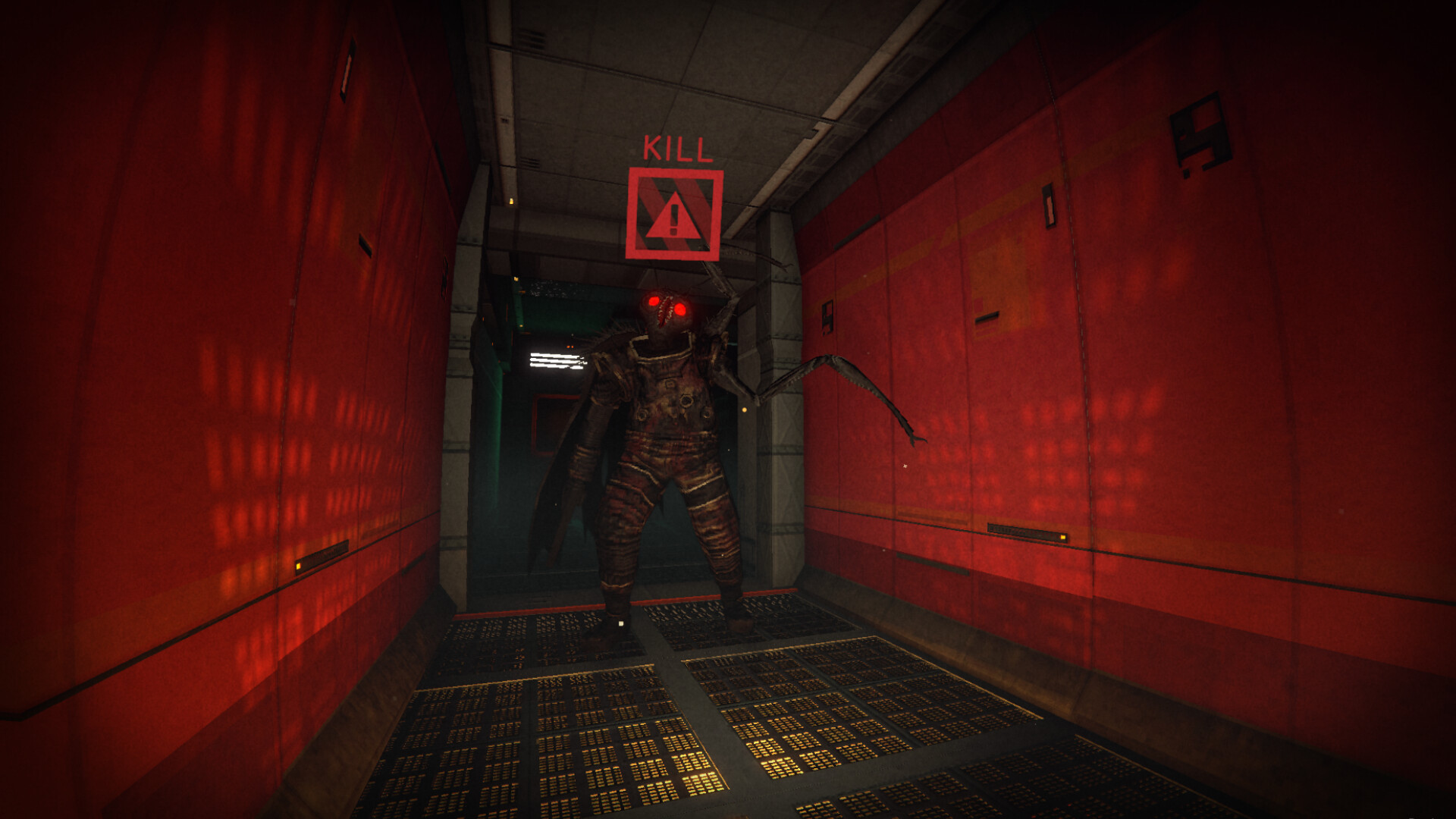
Official promotional screenshot: The Wild Gentlemen / Kwalee. Not a bug or combat test.
The useful next step is to try the navigation and interface, not borrow somebody else’s verdict. Explore whether learning routes feels rewarding and whether your preferred controls make routine actions comfortable. Keep upgrade pacing and later-game consistency open: an introductory sample cannot answer everything a complete playthrough would.
For more buyer context, browse our review coverage, the indie-games section or the separate Cthulhu: The Cosmic Abyss announcement for more horror coverage, not a head-to-head review.