
Project P.I.T.T. has already cleared the “funny premise, no proof” stage. At our Saturday, August 22, 2026 refresh around 2026-08-22 17:20 UTC, official Steam endpoints showed 3,756 players in game, 341 recommendations in appdetails, and a Very Positive review split in both the all-language and English summaries. Official Steam posts also showed the developer still patching fast through Update 1.0.5 on August 22.
That is enough for a real buyer snapshot. It is not enough to flatten the rough edges into a victory lap. The useful read is more specific than that: Project P.I.T.T. is pulling real launch-week attention because the absurd automation pitch works, while the same public packet still says clunky building, tedious carrying, and muddy late-phase progression are part of the deal.
The launch signal is real because several layers line up
Project P.I.T.T. launched on Steam on August 19, 2026 at $9.99, with a 15 percent introductory cut to $8.49 USD. By Saturday afternoon, the official Steam layer was giving it more than a novelty glow. The current-player endpoint showed 3,756 players in game, appdetails showed 341 recommendations, and the review summaries sat at 357 total reviews all-language and 229 total reviews in English.
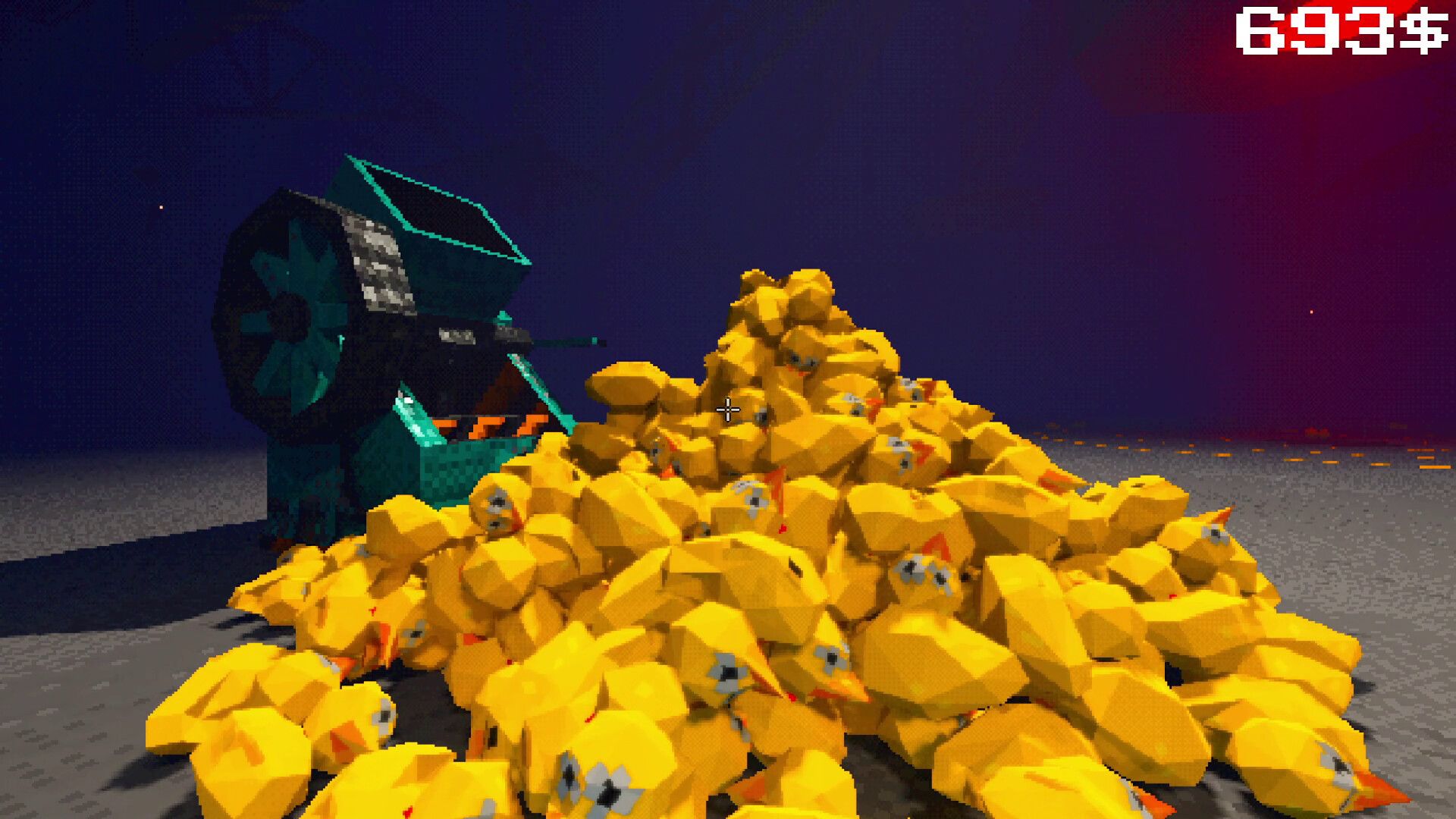
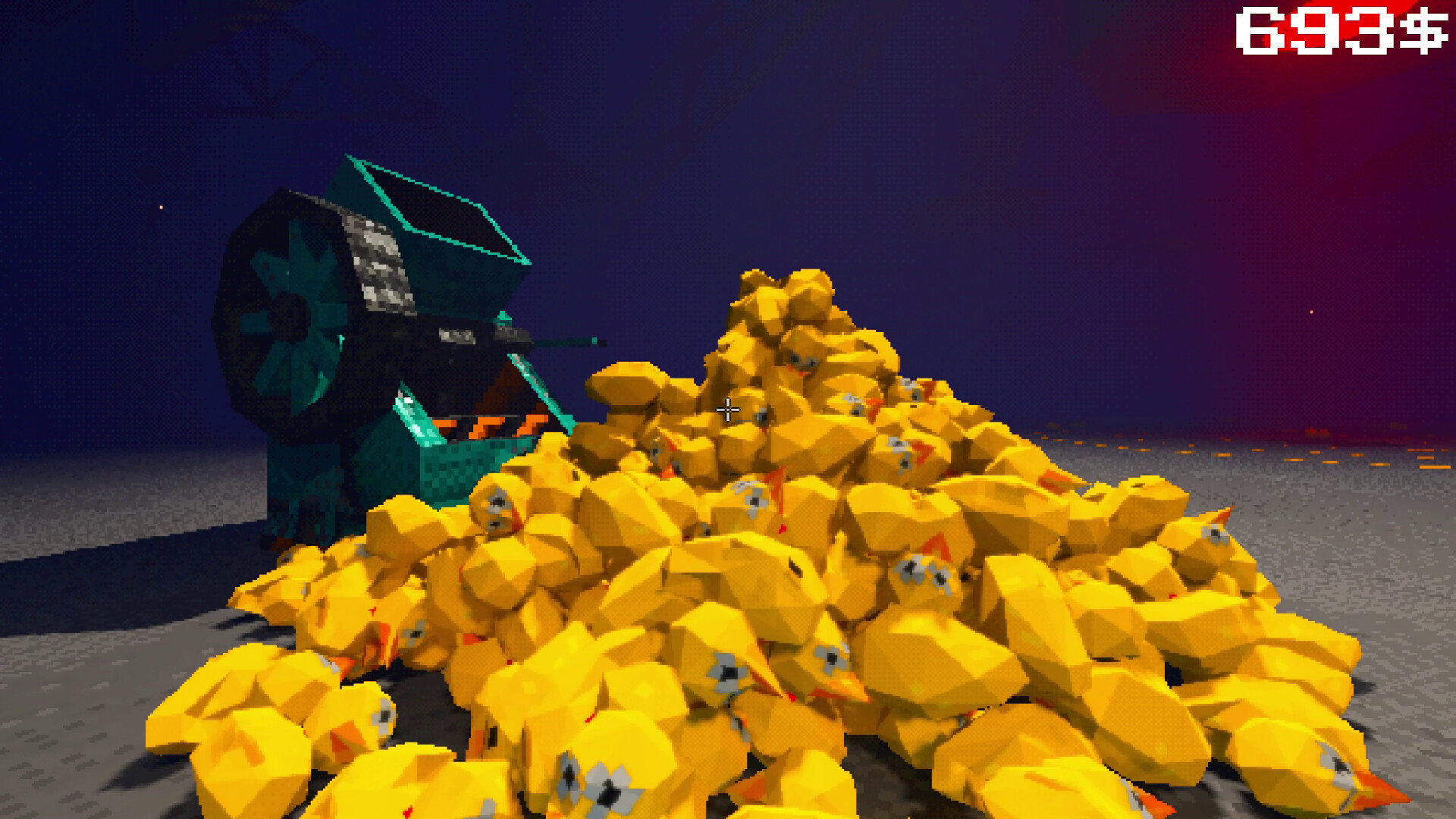
That matters because this is not a giant platform story trying to coast on brand recognition. It is a small weird simulation game about making ducks, feeding a corporate void, and gradually turning the joke into a bigger factory mess. For a game in that lane, the public proof does not need to be enormous to be useful. It needs to show that the right audience showed up and that the launch did not instantly cave in.
The broader metadata helps too. Steam lists Windows, macOS, and Linux support, full controller support, multiple accessibility tags, and a supported-language stack that includes Polish. The official FAQ also says the game is Steam Deck Verified. That does not prove flawless handheld performance, but it does make the buyer pitch wider than “odd little Windows-only curiosity.”

The positive case is easy to understand
The game has an obvious hook, and the public Steam reaction shows that hook is landing. The positive side of the English review sample keeps circling the same strengths: the premise is funny, the visual tone is sharp, and there is real satisfaction in turning a silly task into a bigger physics-driven production line.
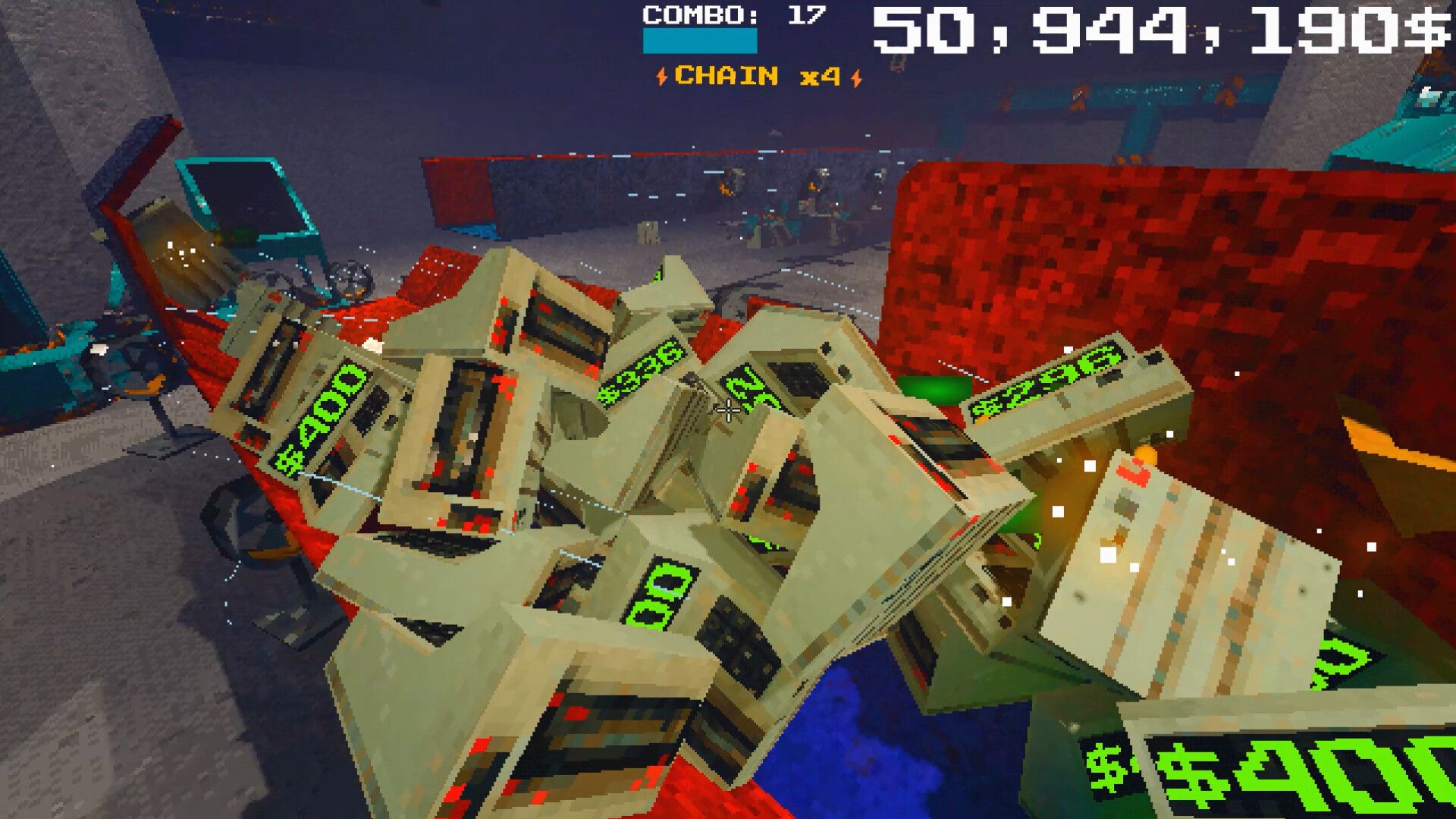
That appeal is not just about absurdity. It is about process. Players who like tinkering, routing, and slowly making a chaotic space more efficient have a reason to stick with it. The store setup also helps: Steam-hosted trailer support, a large official screenshot stack, and clear feature framing make the package feel more finished than the usual tiny-storefront oddity.
The best pro-buyer argument is not that Project P.I.T.T. is secretly broad. It is that the game knows its lane and is getting traction from people who actually want that lane.
The caution line is not cosmetic
This is where the article either stays honest or turns into mush. The negative and mixed English review sample is not random noise. It is clustered.
The repeated complaints are about clunky movement, awkward snapping and placement, too much manual carrying, and a feeling that the automation fantasy does not always pay off cleanly enough once the game gets deeper. Several reviews also focus on Phase 3 pacing and progression clarity, which is exactly why the August 20 official fix matters. Froke removed the scripted event that players said was wrecking careful automation setups.
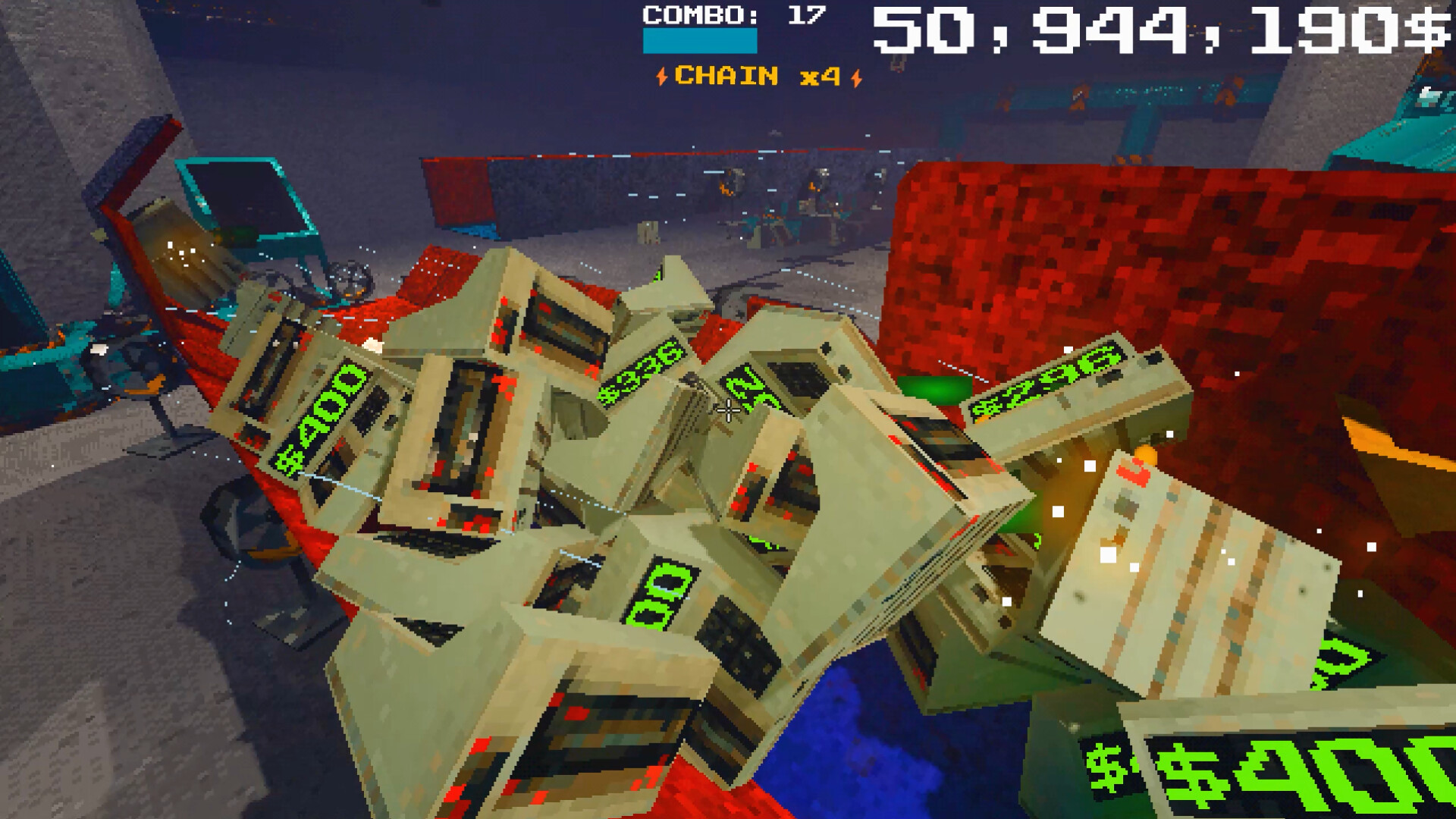
The August 22 patch matters for the same reason. Update 1.0.5 added a Panel Rack upgrade to carry more than one panel at a time, a Clear Items button to help remove clutter that could make the game unstable or unusable, a proper Save and quit option, and more fixes around rebinding, key items, spawn behavior, and tool handling.
That does not mean the complaints are gone. It means the complaints are real enough that the developer is responding to them in public, quickly, and with fixes that map directly onto what buyers are complaining about.
The honest August 22 call
Project P.I.T.T. looks like a strong buy-now watch for players who already enjoy strange automation sandboxes, can laugh with the corporate-void joke, and do not mind some launch-week awkwardness while a small team patches in public. The official Steam picture is too solid to shrug off now: thousands of live players, a positive review base, hundreds of recommendations, and a fast patch cadence with fixes that are actually relevant.
The restraint matters just as much. This is not a full review, not a universal recommendation, and not proof that every rough patch is already solved. If you have low tolerance for clunky object placement, late-game grind, or “the systems are fun but still fighting me” friction, the smarter move is still to wait and see whether the next few fixes keep sanding those edges down.
Right now, the cleanest read is specific. Project P.I.T.T. has real launch traction. It also still looks like a game being actively repaired in the same week that traction is happening.
For more GameGuideDog coverage, browse our reviews section, compare another buyer-first launch read in VHOLUME’s Steam review snapshot, revisit a broader launch-week caution piece in Survival Log launch-week buyer analysis, or open the latest English stories.