

Sony has finally cooled the loudest version of the PS4 and PS5 digital DRM panic. According to a PlayStation spokesperson quoted by Game File, new digital purchases need a one-time online license check after purchase, not a fresh online validation every 30 days.
That matters, because the worst reading of the story was ugly: buy a digital game, stay offline too long, and eventually lose access until Sony lets you back in. Sony’s clarification narrows that down hard. But it does not make the broader story disappear. A quiet license change on digital purchases is still a real platform-rights issue, especially when players only learned what was happening after community testing and third-party reporting.
What Sony actually confirmed
The most important line here is the one Sony gave to Game File: players can keep accessing and playing their purchased games as usual, and the new requirement is a one-time online check after purchase to confirm the license. After that, Sony said, no further check-ins are needed.
That is the clean fact to keep. It means this is not the old nightmare scenario people were comparing to always-online DRM. It also lines up with the later testing picked up by VGC and Eurogamer, where players reported the timer disappearing after an initial validation period instead of resetting forever.
Why the story still matters
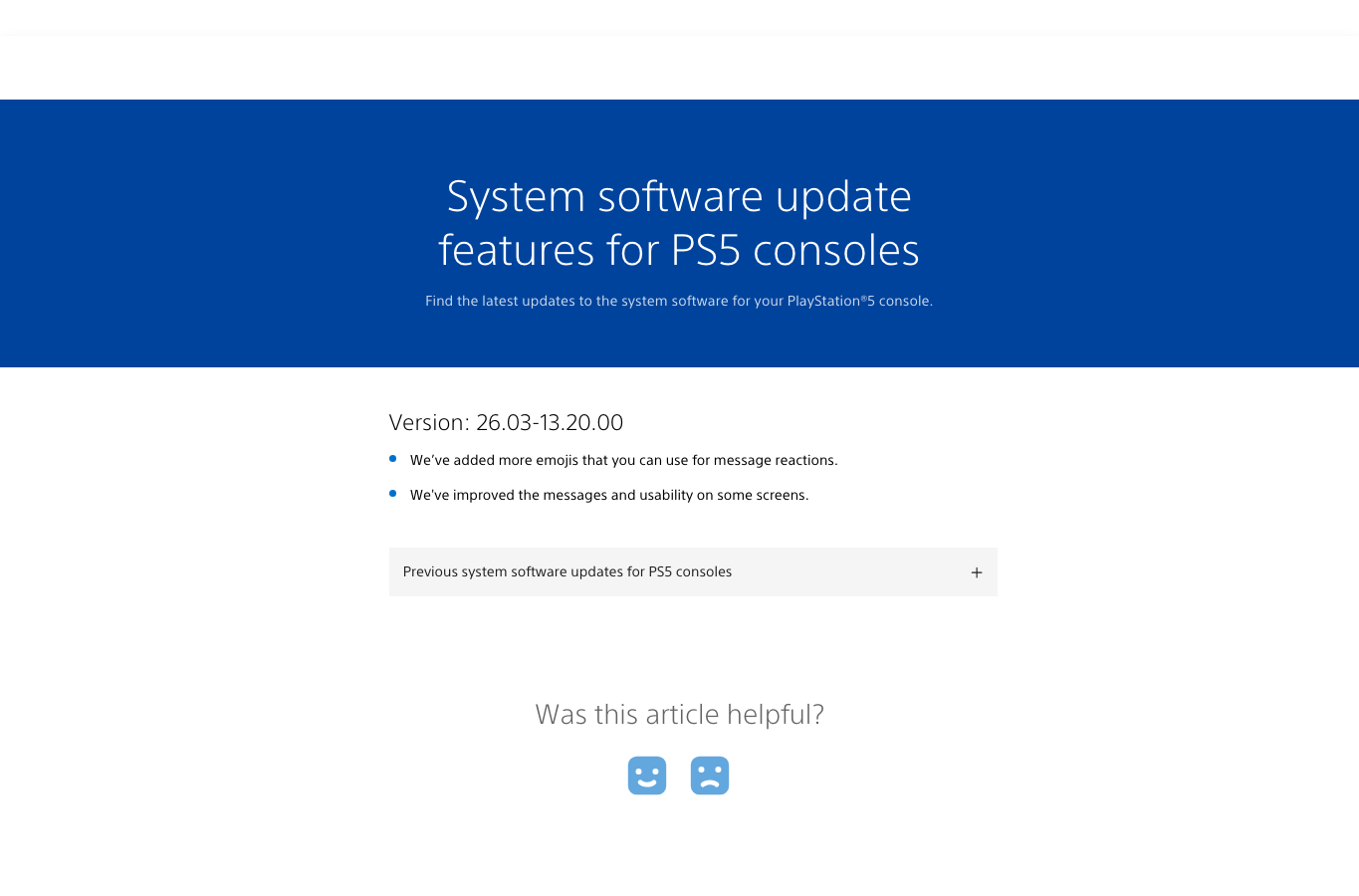
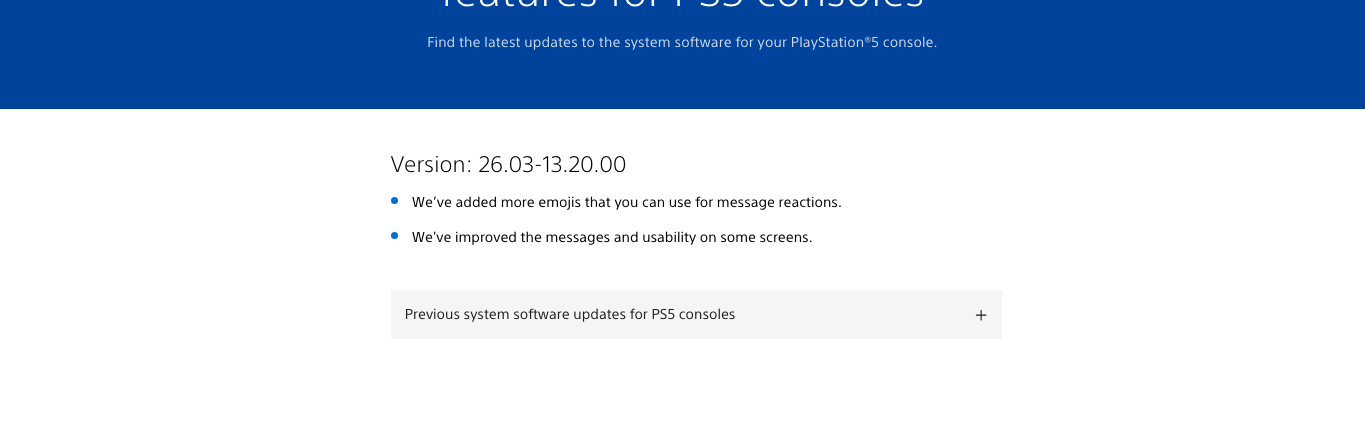
Sony’s own public PS5 system software page is part of the reason this got messy. The visible notes for version 26.03-13.20.00 mention message reactions and minor usability work. They do not spell out the digital license behavior that triggered the backlash.
That gap matters more than the scare headlines did. If Sony quietly changes how new digital purchases authenticate, players are going to fill the silence with worst-case theories, especially on a platform that already has long-running preservation anxiety around account access, server dependence, and the old CBOMB battery issue.
The player-friendly read is better than it looked last week. A one-time confirmation is a very different problem from recurring DRM. But it is still an extra gate on digital ownership, and Sony did not explain it in the place most players would actually look first.
Where the line should stay
There is one part of this story that still needs restraint. The popular theory is that Sony added the temporary check to limit some kind of refund-related exploit before a purchase turns into a perpetual offline license. That theory showed up in community testing and in the wider reporting, but Sony has not confirmed that motive.
So the honest takeaway is narrower and more useful. The recurring 30-day panic looks overstated now. The quiet change itself does not. Sony has clarified that new digital purchases should keep working offline after one early license confirmation, but it also showed how quickly trust erodes when a platform changes digital access rules without a plain public explanation.
For more GameGuideDog coverage, browse our console section, revisit the PlayStation Plus May 2026 lineup, read our earlier PS5 and PlayStation Portal price-rise report, or check the latest English stories.