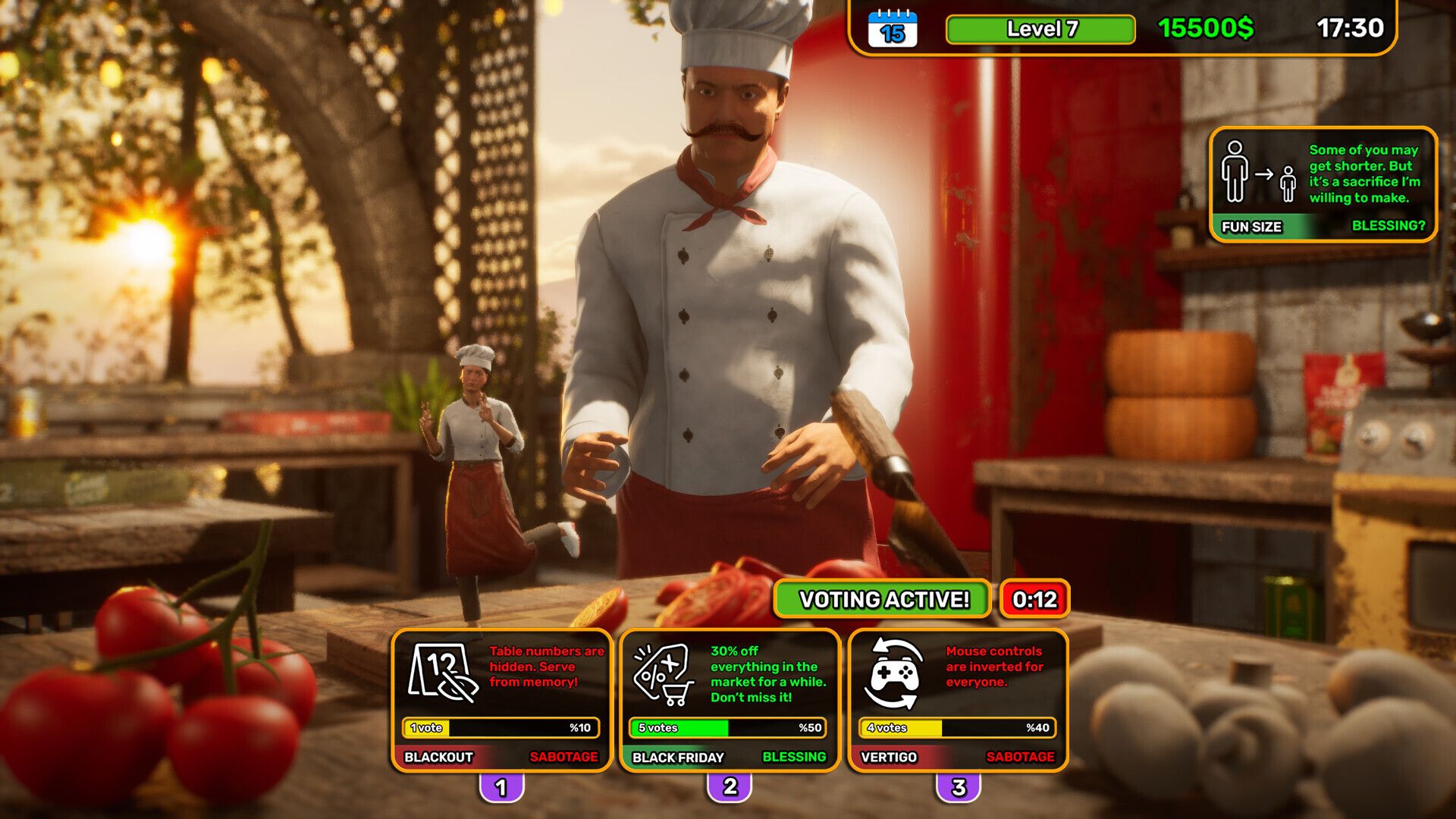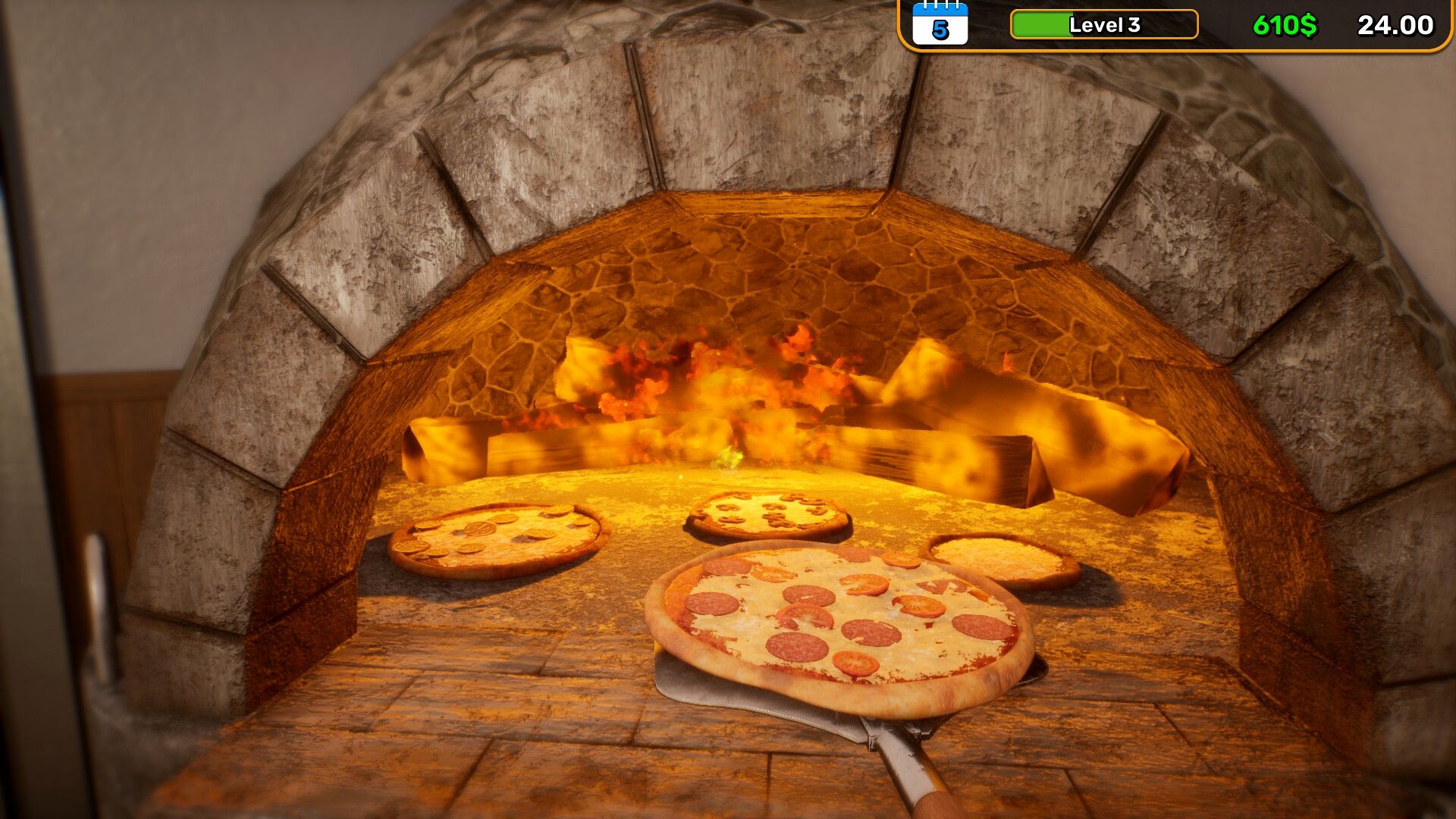

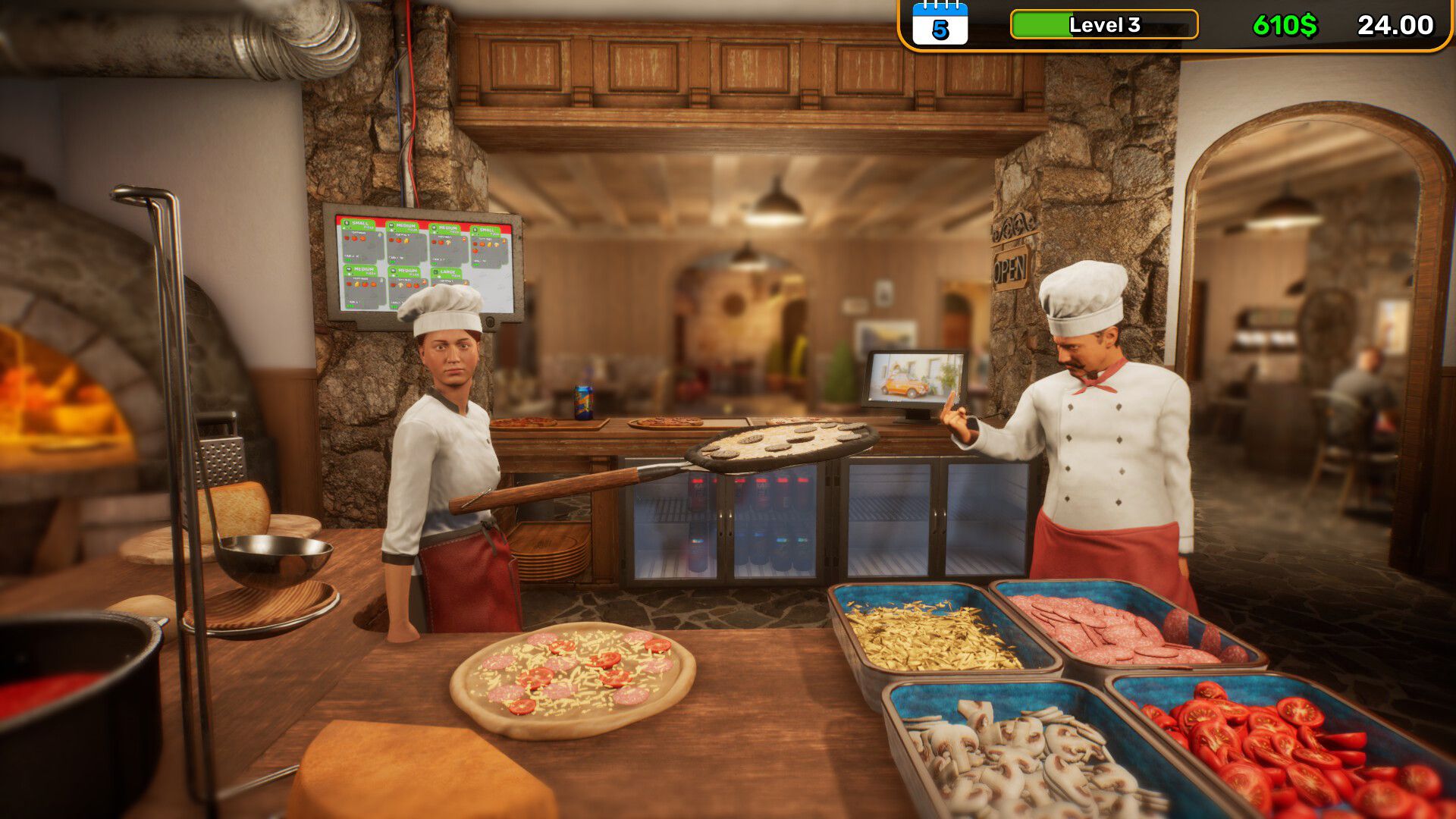
Pizza House Simulator is past the “cute simulator store page, no proof” stage. At our Sunday, August 23, 2026 refresh around 2026-08-23 23:18 UTC, official Steam endpoints showed 1,065 players in game, 214 recommendations in appdetails, and a Very Positive all-language split at 230 total reviews. Steam’s official news layer also had a fresh v1.007 patch targeting the exact systems early buyers were already complaining about.
That is enough for a real launch-week review-snapshot. It is not enough to turn the whole thing into a broad all-clear. The more useful read is tighter than that. Pizza House Simulator already looks like a real co-op Steam success for players who want kitchen chaos with friends, while the solo-buy caution line still lives around staff behavior, save friction, stutter, and how finished the management layer feels when the joke stops carrying the shift.
The public launch signal is real enough to matter
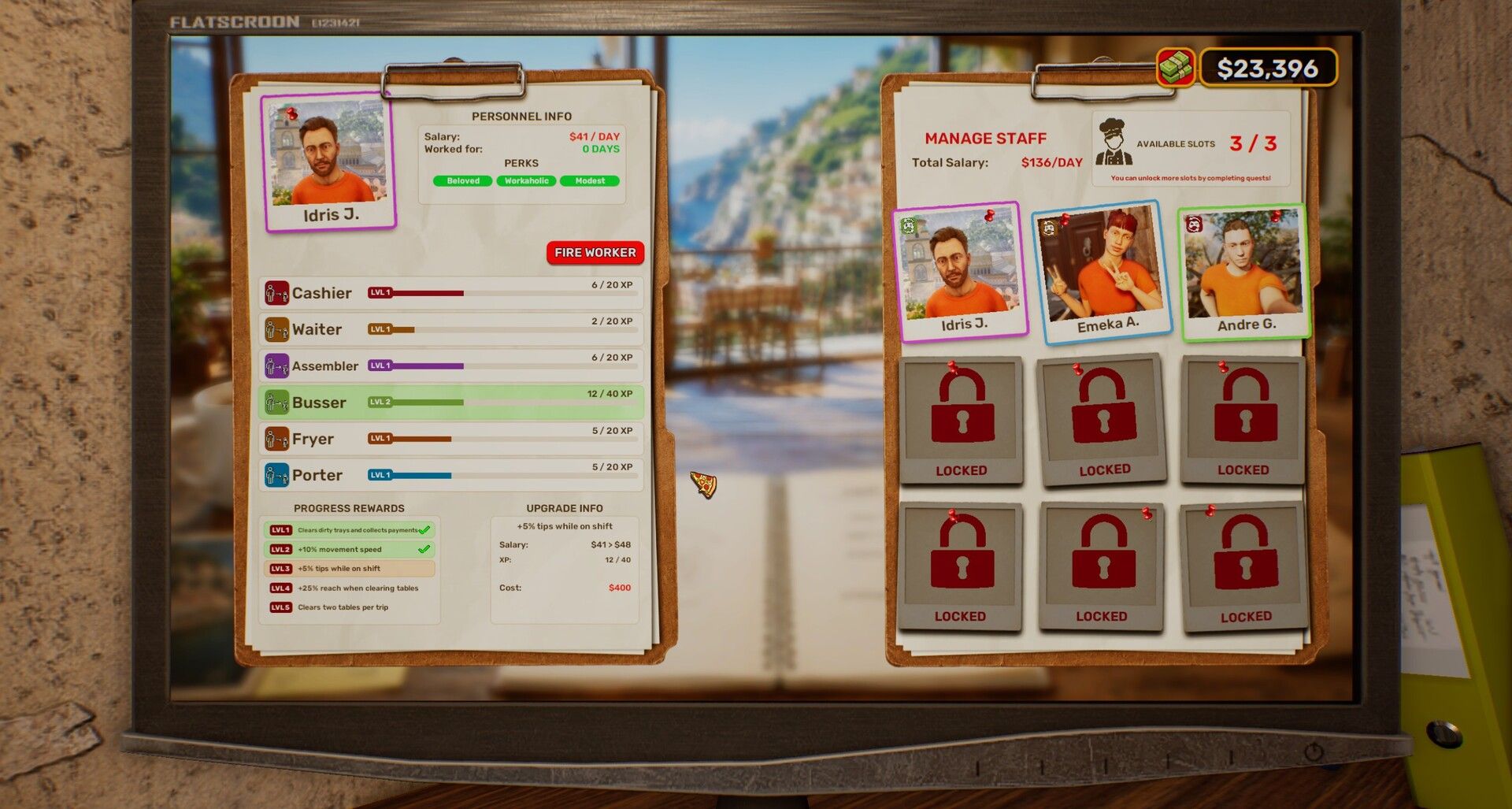
Pizza House Simulator launched on Steam on August 19, 2026. At final Sunday check, Steam still listed it at $9.74 USD, down from $12.99 with a 25 percent introductory discount. The official store page still framed the game around solo play or online co-op for up to six players, with the larger pitch built around cooking, automation, restaurant customization, staff, random disasters, loans, stocks, and Twitch integration.
The useful part is that the public Steam layer now has enough weight to show people are actually showing up. The current-player endpoint returned 1,065 players in game. Appdetails returned 214 recommendations. The all-language review split sat at 191 positive, 39 negative, 230 total, while the English summary stayed smaller but still positive at 82 positive, 13 negative, 95 total.
That does not make the game a breakout. It does clear the more important bar for this kind of piece. This is no longer just store-copy theater. There is a real player base, a real early review layer, and enough live signal to ask a practical buying question.
The positive case is mostly about co-op chaos, not polish
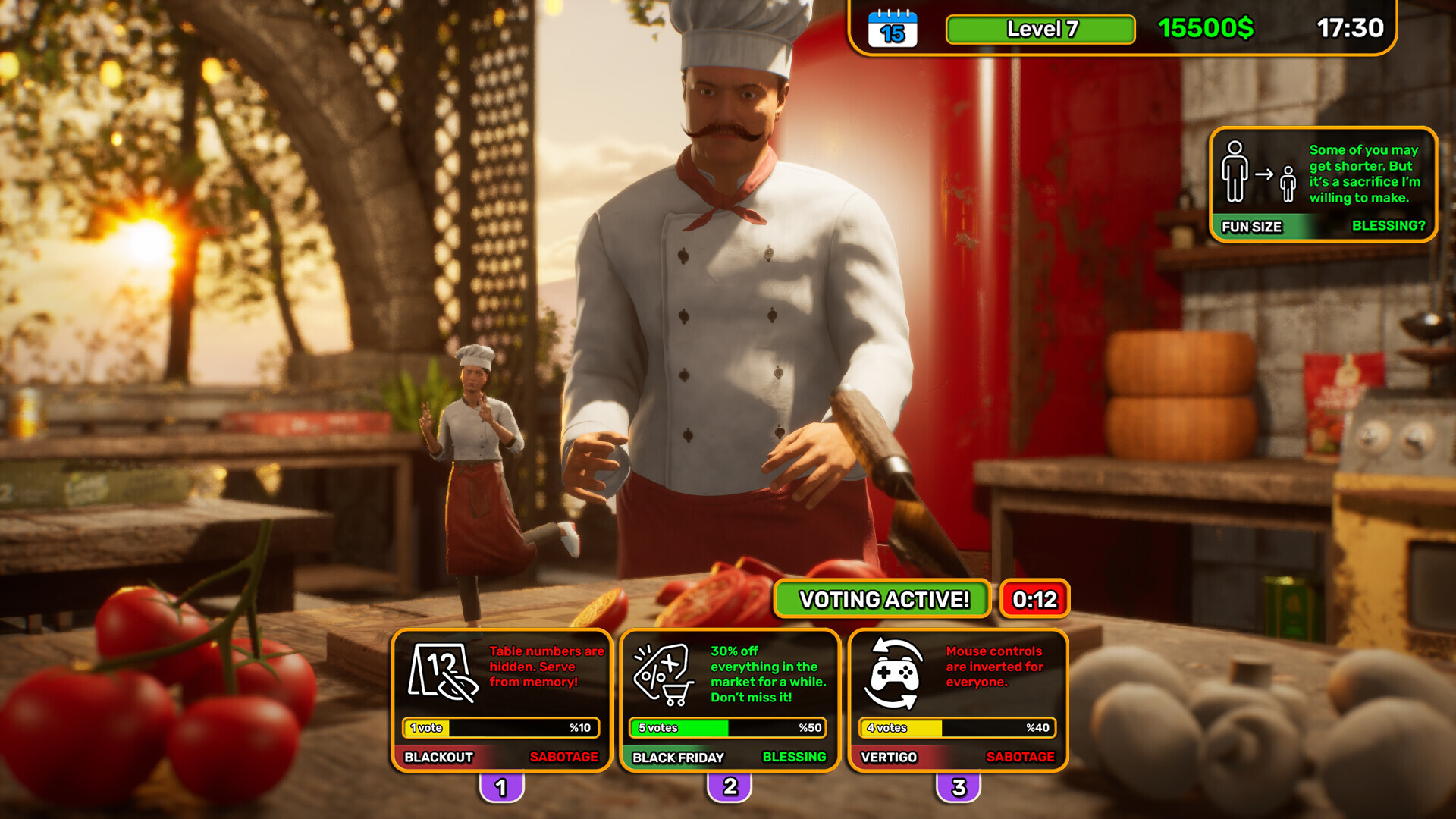
The review sample is fairly consistent about what works. Players who like the game keep praising the co-op loop, the sense of kitchen panic, and the way the pizzeria theme holds together when several people are juggling prep, ovens, tables, and repairs at once. The official store pitch is chaotic on purpose, and the positive side of the Steam sample largely says the live game delivers that chaos.
That matters because it narrows the recommendation in a useful way. The best buy-now argument is not that Pizza House Simulator is already a deeply polished management sim. It is that it looks fun when the room is busy, the systems overlap, and everyone is covering for everyone else.
The store framing supports that read too. Steam still lists online co-op, multiplayer, achievements, stats, and Family Sharing, while the game description keeps pushing the larger fantasy of turning a shaky family pizzeria into a functioning restaurant machine. Buyers who mainly want a social co-op mess for under ten dollars can already see the lane.
The caution line is practical, and patch v1.007 proves it
This is the part thin launch coverage would blur away. The same packet that supports the positive co-op angle also shows why the smarter call gets narrower for solo players or anyone expecting a cleaner first-week sim.
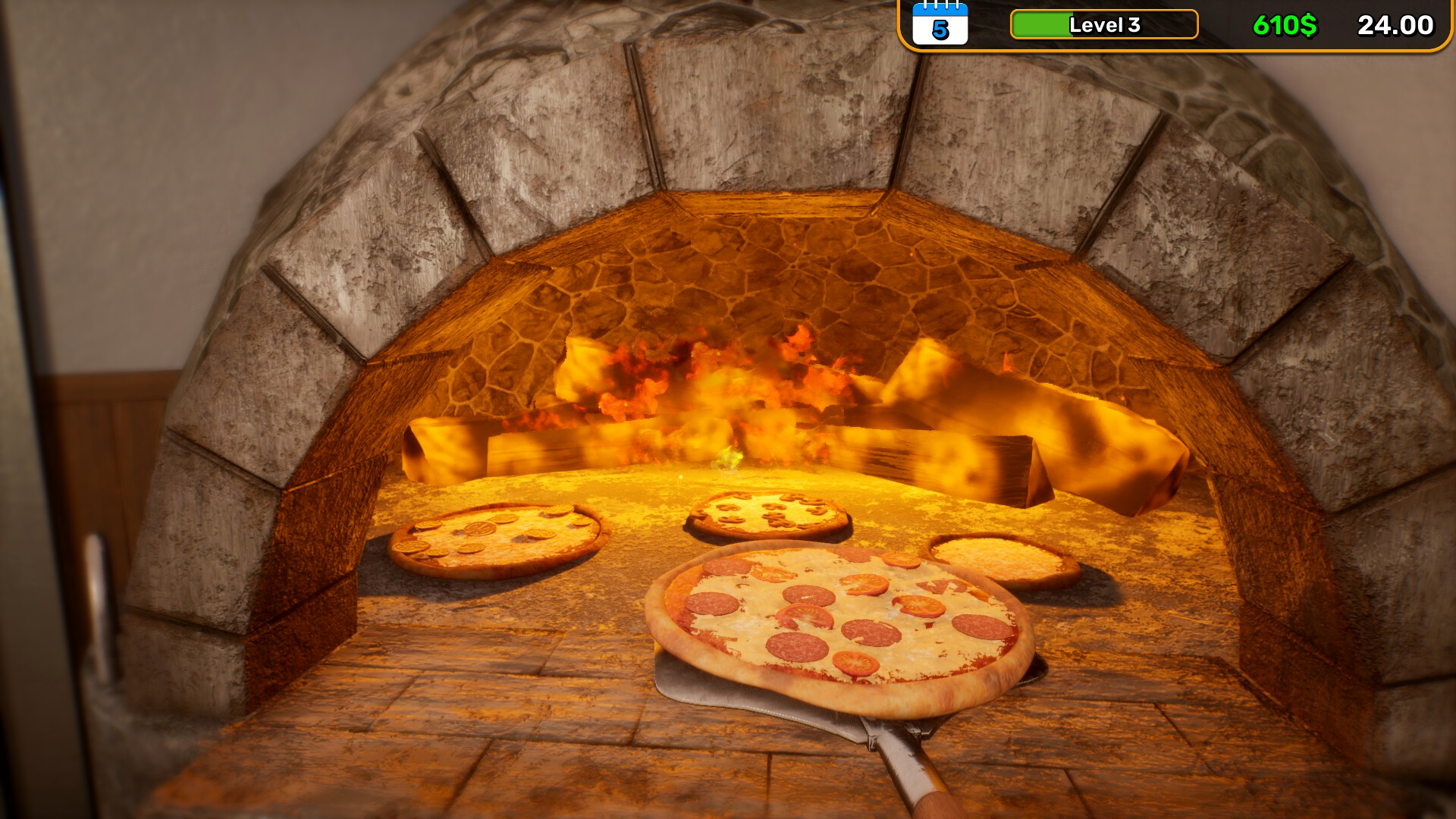
The official v1.007 patch note is not small. It says the update targets performance, staff explanations and pathing, stutter reduction, UI optimization, trash and order-tablet save states, single-player money and customer-growth balance, staff workflow fixes, duplicate-appliance cases on old saves, and several multiplayer visibility and sync problems around repairs, fryers, and trays.
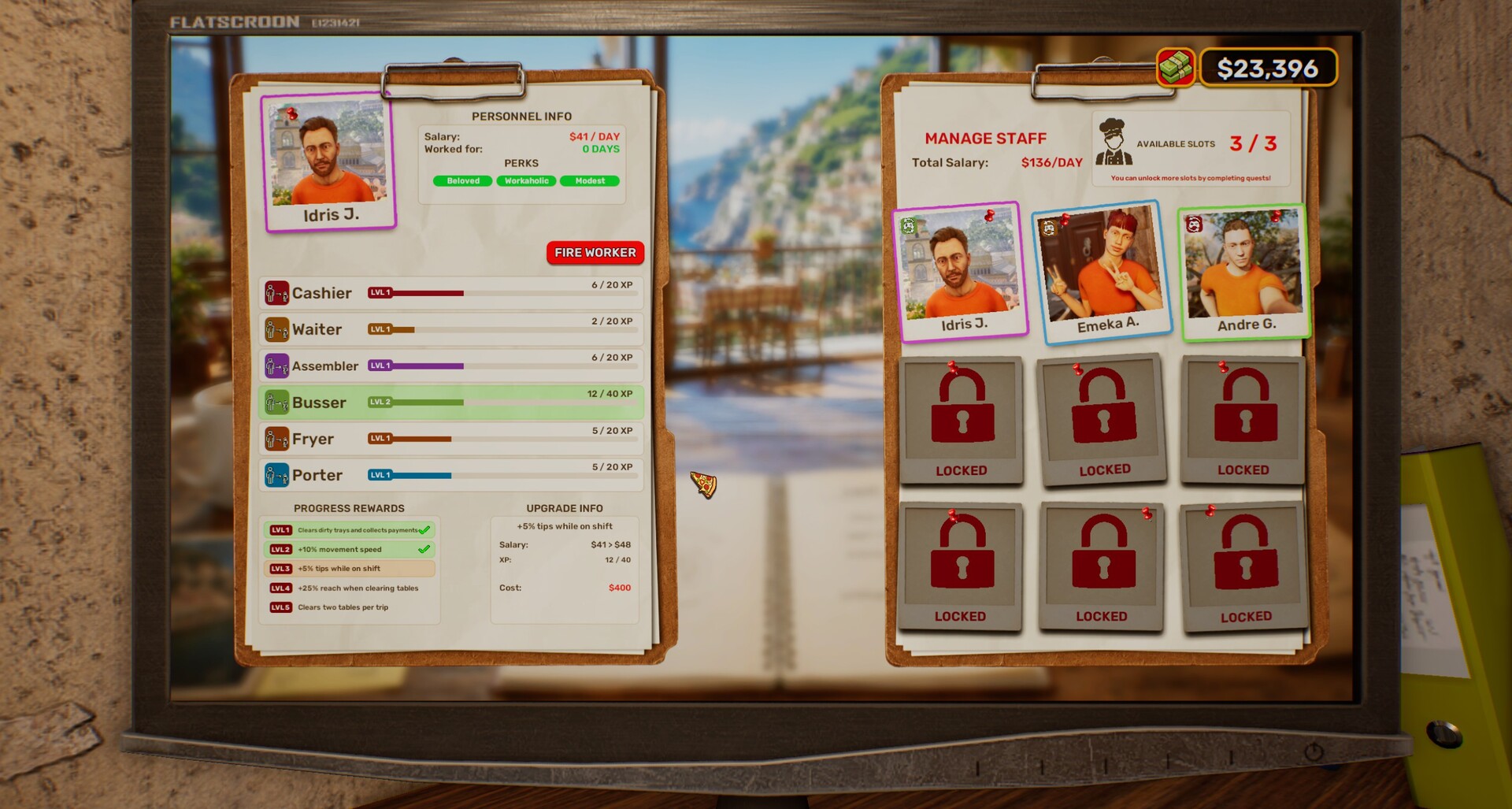
That is useful because it lines up with the public complaint layer instead of dodging it. The negative and caveated reviews in the packet keep circling the same things: staff automation that feels unreliable, warehouse or item persistence friction, crashes on some machines, no verified cloud-save comfort line, and solo play that feels more exposed when the workers stop behaving.
The clean wording here matters. The patch targets those issues. It does not prove they are gone. If anything, the size of the patch helps explain why a launch-week buyer should still read the risk line carefully before treating the review label like a full verdict.
The honest buyer call on August 23
Pizza House Simulator already looks easy to recommend to a specific audience: players who want a cheap, chaotic co-op restaurant game and are happy to ride along while the developers keep tightening the systems. The official Steam picture is strong enough for that. The player count is real. The review split is clearly positive. The patch cadence is fast. The social kitchen angle seems to be landing.
The restraint belongs in the same sentence. This is still a riskier solo buy, and it is still a launch-week sim that looks more charming than finished in a few important places. If unreliable staff, save-state friction, or a rougher technical first week usually push you out of management games, the smarter move is to wait for another patch or two.
Right now, the cleanest read is specific. Pizza House Simulator has real Steam traction and a real audience. It just looks strongest as a co-op buy-first story, not a universal all-clear for every solo sim player who sees a “Very Positive” badge and assumes the hard part is over.
For more GameGuideDog coverage, browse our reviews section, compare another Steam buyer snapshot in Vacation Cafe Simulator’s launch-week read, revisit a smaller niche comfort launch in The Sorting Bureau review snapshot, or open the latest English stories.