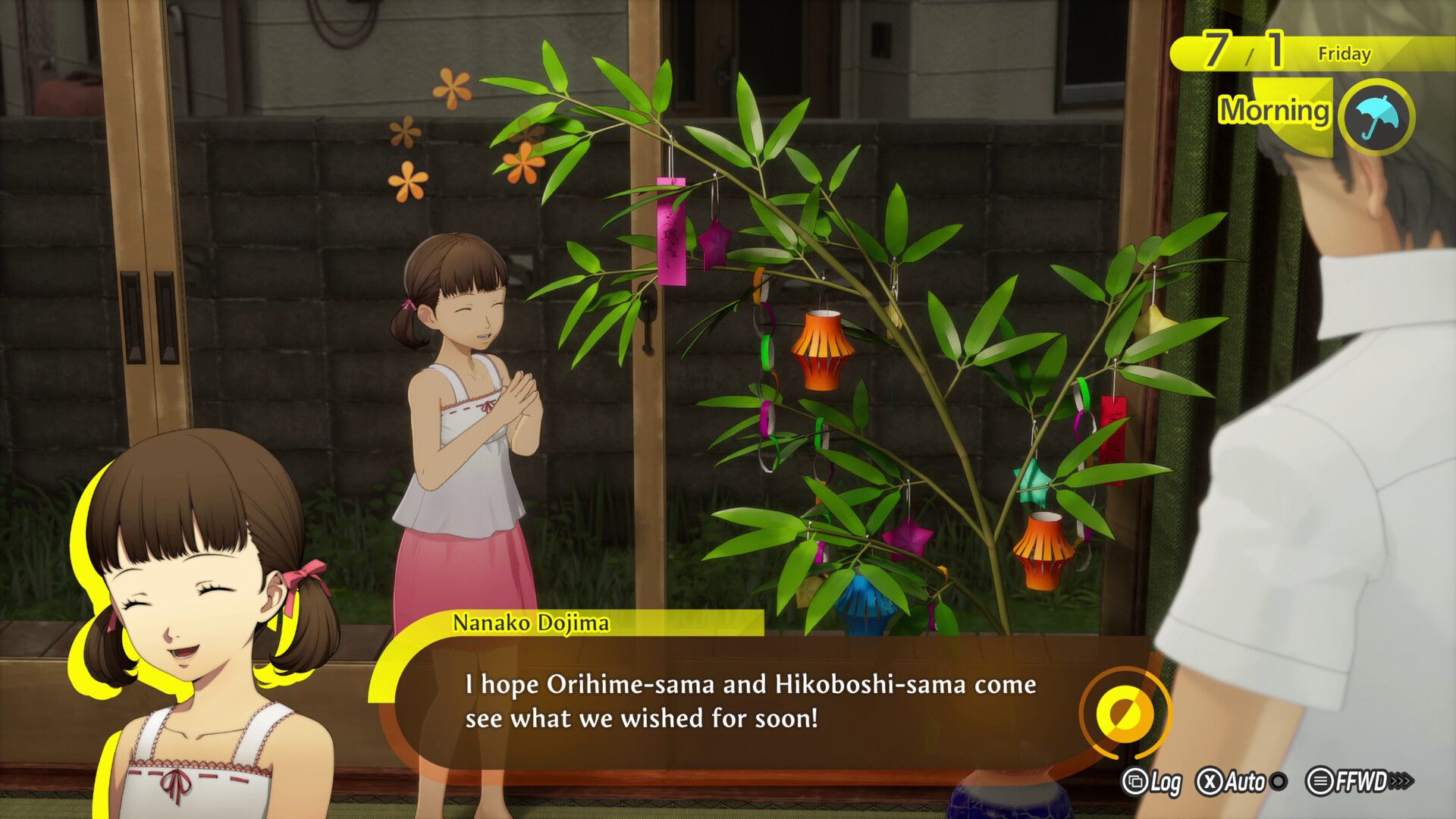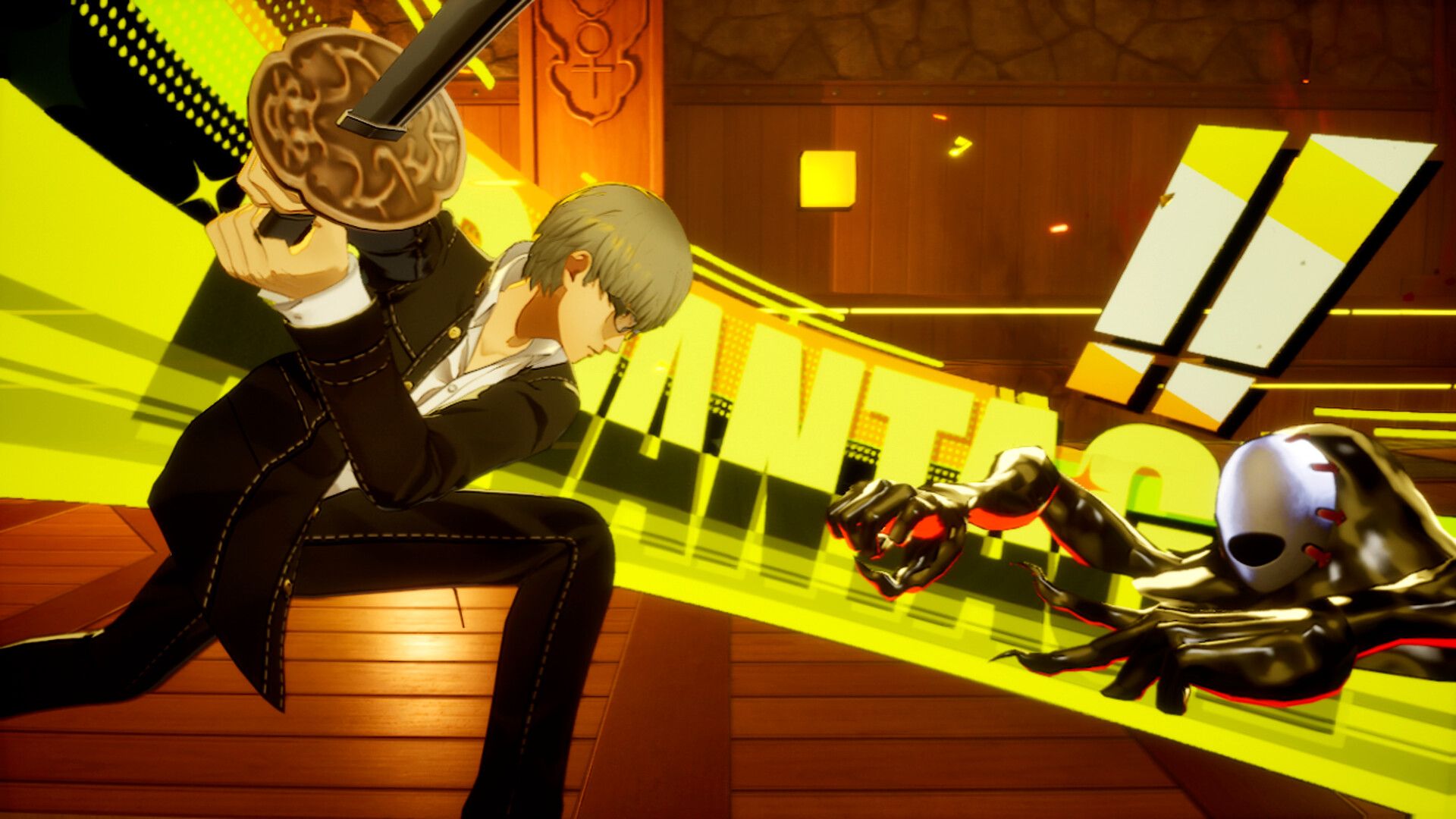

Persona 4 Revival finally looks like more than a cleaned-up replay pitch. In Atlus producer Kazuhisa Wada’s appearance on the Official Xbox Podcast on Thursday, August 27, 2026, the remake got the kind of explanation it actually needed: not a vague promise of better graphics, but a more concrete case for why this version of Inaba is being rebuilt at all.
At our 2026-08-27 19:17 UTC source freeze, the official Steam store still showed the game at $69.99 in the U.S., with no user reviews, Windows support, TBD PC requirements, and a store release display of Feb. 17, 2027. The official Steam news layer, meanwhile, still used February 18, 2027 launch messaging. That date wrinkle matters, but the more important shift is editorial: Atlus is no longer selling Persona 4 Revival as a prettier rerun. It is selling a remake built around free-camera exploration, rebuilt town spaces, and much heavier work on scene direction and atmosphere.
That does not make the value proposition automatic. If anything, it makes the remake easier to judge.
Atlus is making a bigger argument than “the old game with better art”
Wada’s most useful point is also the one that raises the real standard.
He says Atlus did not want to change the heart of Persona 4, its themes, or the tension between warmth, rumor, performance, and truth. Instead, the studio wanted to preserve that core while pushing visuals, presentation, and immersion far harder than a straight remaster would. That sounds safe on paper. It is less safe once you look at the specific production work he described.
According to the transcript, Atlus rebuilt everyday spaces across Inaba, including the shopping district, residential neighborhoods, Yasogami High School, the riverbank, and Okina City, so they would hold up under free camera movement. Wada also said the team reworked lighting, environmental rendering, material textures, atmospheric effects, and event-scene staging from the ground up.
That is a real remake workload, not a menu-level facelift.

The free-camera change is a bigger deal than it first sounds
This is where the article gets sharper than a basic trailer recap.
The original Persona 4 could get a lot of mileage out of fixed framing. That helped the game feel authored, but it also hid plenty of the town from the player at any given moment. Wada’s explanation makes clear that Atlus sees Revival as a chance to change how players inhabit Inaba, not just how clearly they see it.
That matters because Persona 4 lives or dies on mood as much as plot. The town has to feel small enough to hold secrets, warm enough to feel lived in, and strange enough that the Midnight Channel never turns into just another fantasy system. If free-camera exploration works, it could make the setting feel more natural and more immediate for new players. If it does not, the risk is obvious too: the remake could become more technically flexible while losing some of the original’s tension and framing discipline.
The packet cannot answer that question yet. It can show why the question is real now.
Steam makes the commercial pitch concrete, but not proven
The Steam layer is helpful mostly because it shows how Atlus is packaging the game today.
The base version is still $69.99 in the U.S. store. The Digital Deluxe Edition is $84.99. The Digital Premium Edition is $99.99. Steam also still lists Denuvo Anti-tamper, Family Sharing, full controller support, and 15 supported written languages, with full audio in English and Japanese.
Those are useful buyer facts. They are not proof that the remake earns the ask. Steam still has no user reviews, and the current-player endpoint still returns the same unusable placeholder response instead of real concurrency. There is no public performance story, no Steam Deck answer, and no final PC requirement sheet yet.
So the honest read stays narrow: the store page now makes the product and pricing real, while the podcast finally explains what the remake is trying to justify.
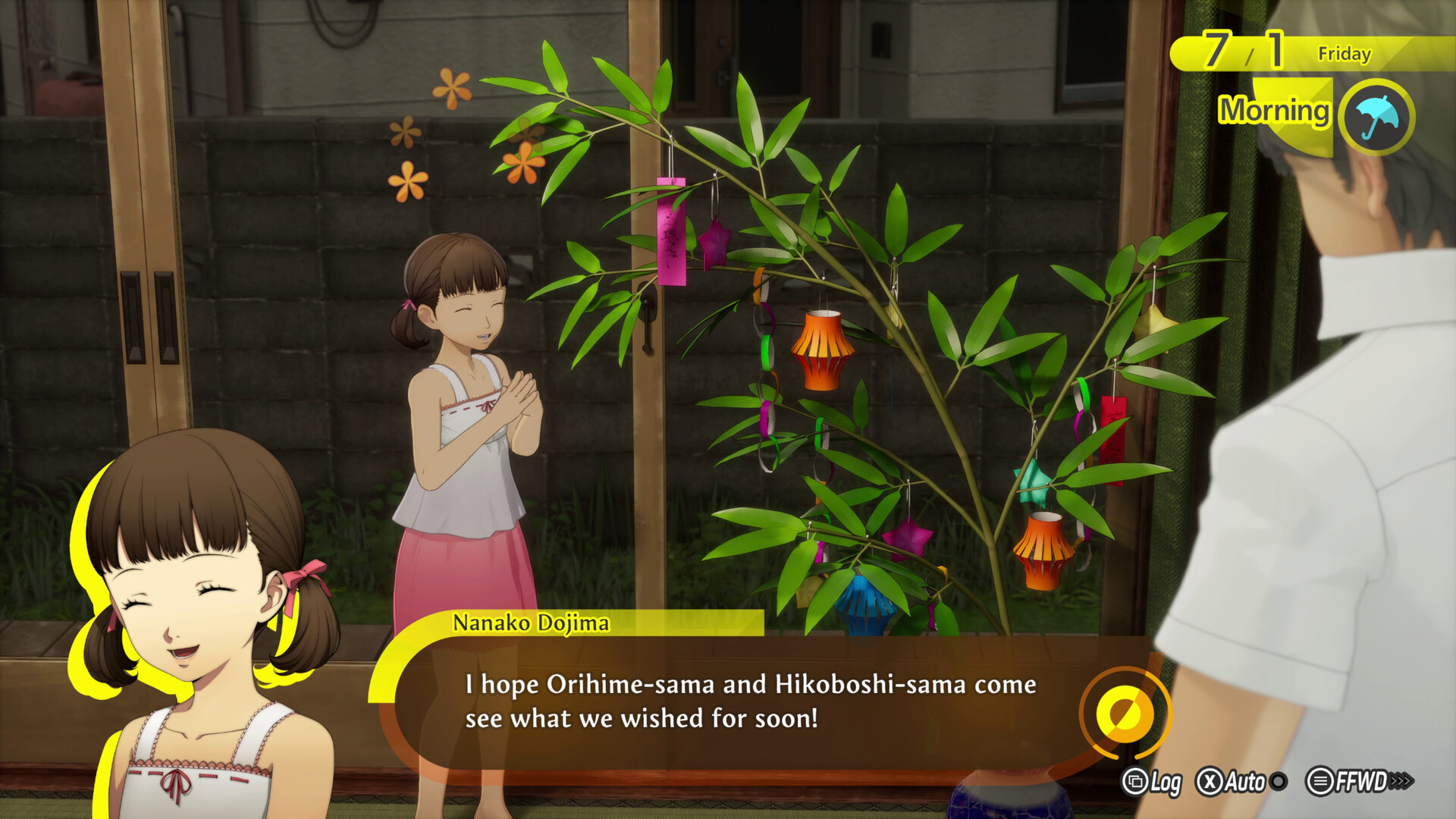
The date split is small, but it is the kind of thing buyers notice
Steam’s U.S. store display still says Feb. 17, 2027. Official Steam news and the Xbox Podcast still point to February 18, 2027.
That is not a scandal. It is most likely a store-region unlock issue or display difference. But it is the sort of mismatch worth preserving instead of flattening away, especially for a preorder page already asking people to sort through multiple editions and a time-limited bonus window.
The safer wording right now is simple: official messaging points to February 18, 2027, while the U.S. Steam store display currently shows Feb. 17, 2027.
The clean GameGuideDog read
Persona 4 Revival looks more serious after this August 27 podcast pass because Atlus finally explained the part that actually matters. The studio is not just promising cleaner art. It is promising a rebuilt Inaba, freer exploration, and more deliberate cinematic presentation while insisting the old themes stay intact.
That is a better sales pitch than “remember Persona 4?” It is also a riskier one, because it turns the remake into something players can measure against the original’s mood, framing, and sense of place instead of just its texture quality.
Right now, that is enough for a real flagship analysis and not enough for anything stronger. The official case is clearer. The public verdict still does not exist.
For more GameGuideDog coverage, browse our gaming section, revisit another remake-facing buyer read in our Heroes of Might and Magic III Remake analysis, compare a different Xbox-led flagship in our Metro 2039 Gamescom analysis, or open the latest English stories.