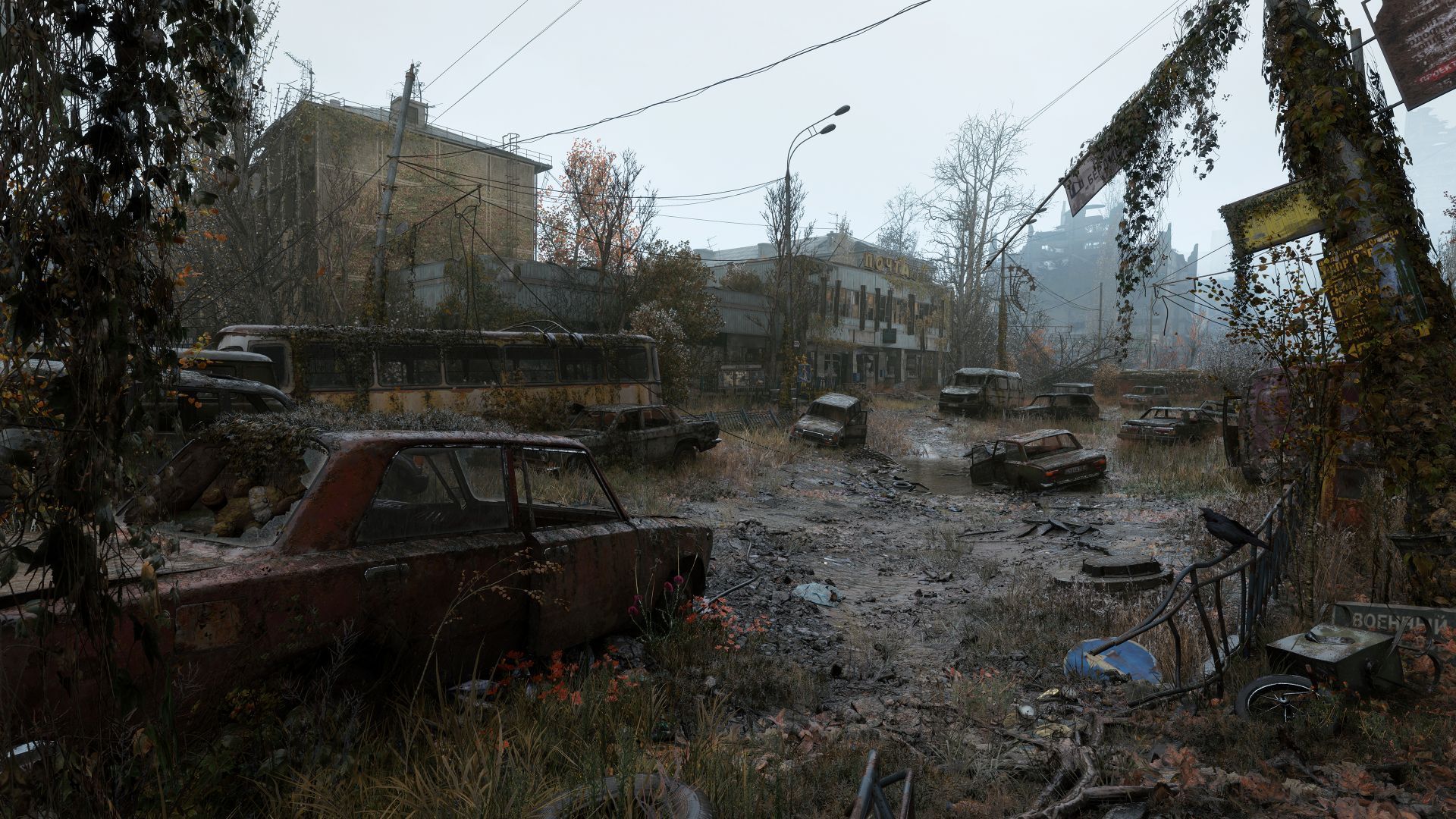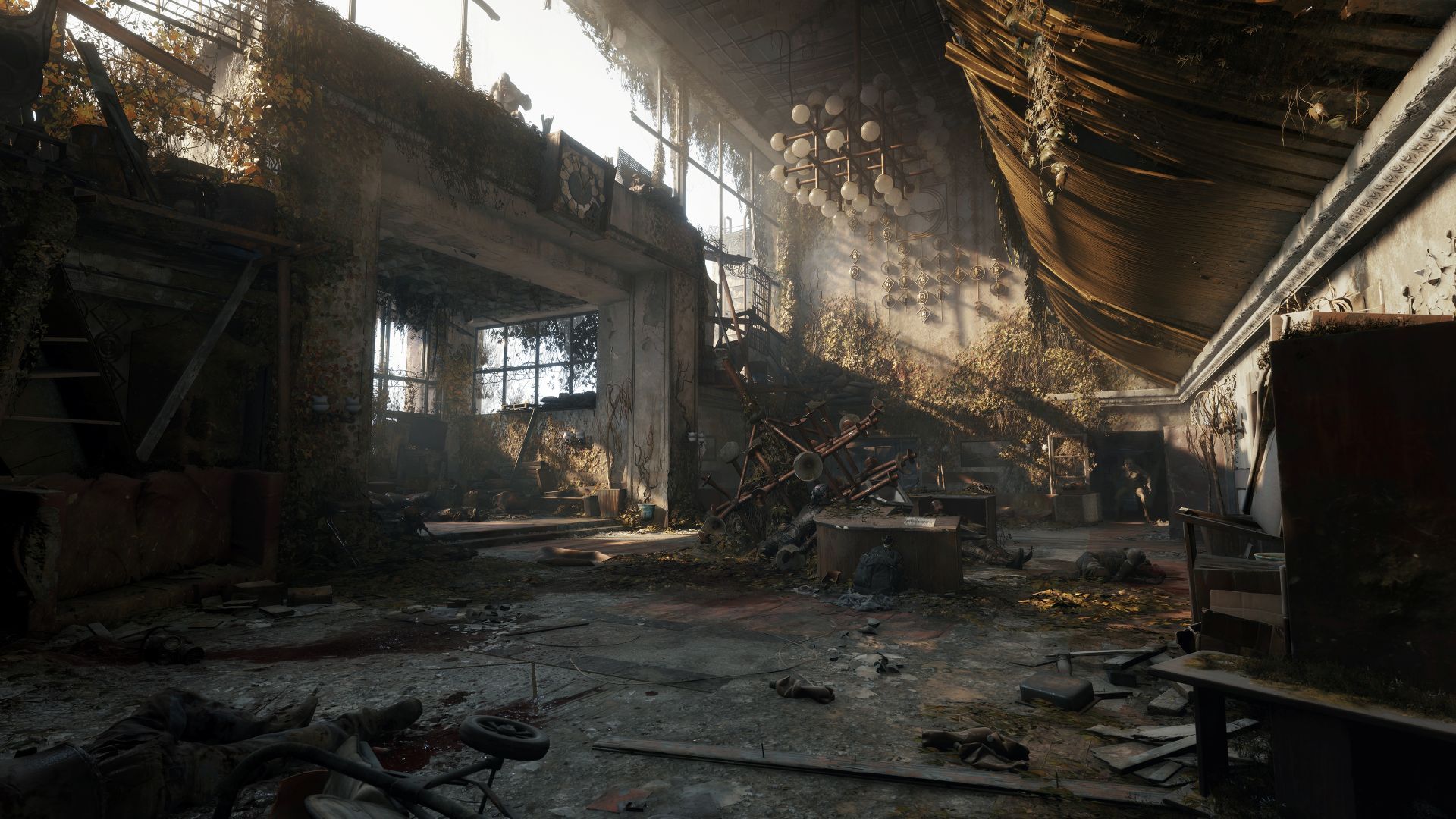

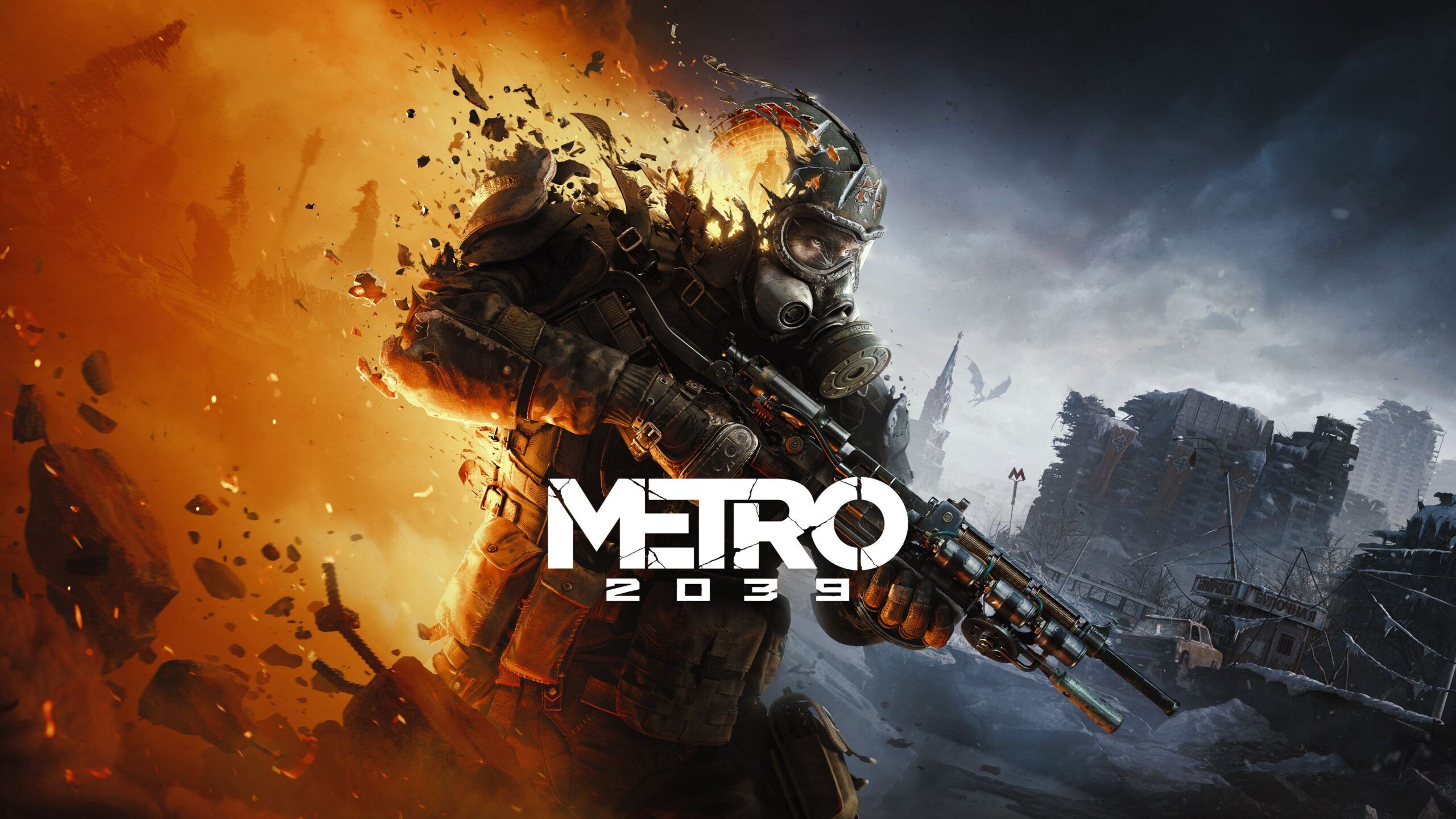
Metro 2039 finally looks like a real game you can start parsing, not just a grim reveal trailer with a famous name. In our late Wednesday, August 26, 2026 refresh that held into early Thursday, August 27, 2026, the official Xbox Wire Gamescom post still described a two-hour hands-on from the middle of the game, while the live Xbox, Deep Silver, and Steam pages still backed up the practical part: February 2027, Xbox Series X|S, Windows 10/11, PlayStation 5, and storefront support across Steam, Epic Games Store, and Xbox on PC.
That matters because the April reveal already did the mood-setting job. What players needed now was something more useful: a clearer read on whether 4A is actually pushing back toward tight Metro survival pressure, how much of the combat and scavenging pitch is visible on official surfaces, and how much caution buyers should keep when the only hands-on language still comes from Xbox’s own editorial channel.
The short answer is good enough to be meaningful and narrow enough to stay honest: Metro 2039 looks much easier to believe in after Gamescom, but nobody should confuse an official demo report with proof of final feel.
Gamescom finally moved Metro 2039 out of trailer mode
The big change is not that Metro suddenly became dark or atmospheric. It already had that.
The useful change is that Xbox’s Gamescom write-up finally described a real playable slice. The report says the demo came from the middle of the game and leaned on combat, stealth, scarce resources, crafting choices, and hostile spaces instead of broad cinematic positioning. That is the first time this cycle has given players something closer to product shape than brand memory.
It also sharpens the story premise. Xbox’s official framing still points to the Stranger returning toward the Metro while Hunter’s Novoreich regime tightens control over the region. That gives the new entry a cleaner identity than the April reveal alone, which was stronger on setup than on how the game might actually play moment to moment.
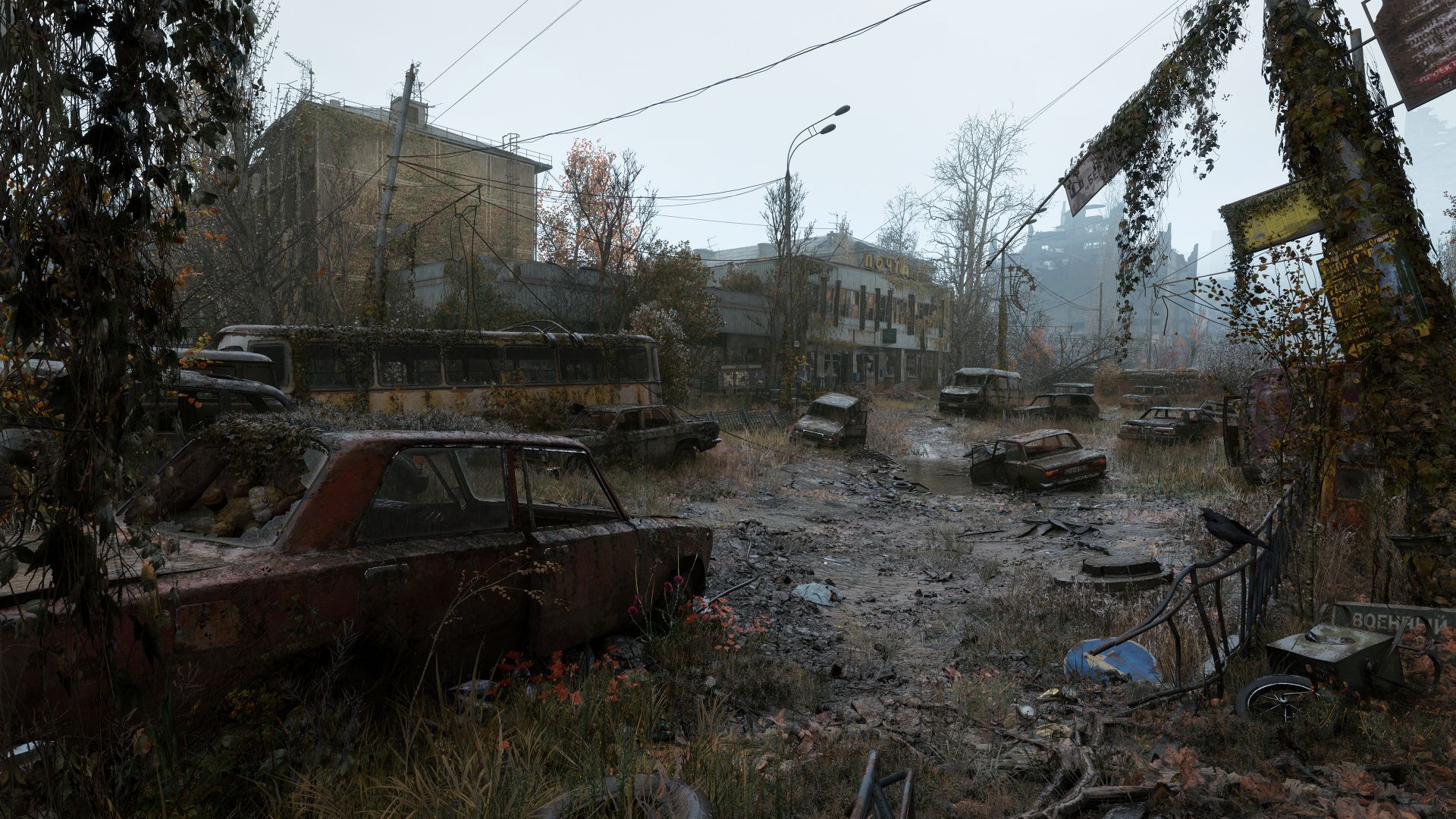
The platform and store layer is finally doing real work
This is where the packet becomes more than showcase commentary.
The official Xbox page still lists February 2027 for Xbox Series X|S and Windows 10/11, with Xbox Play Anywhere attached. Deep Silver’s official page still widens that picture to PlayStation 5, Steam, Epic Games Store, and Xbox on PC. The Steam store still shows the game as coming soon, still keeps it to Windows on Valve’s side, and still has no user reviews because there is nothing public to review yet.
That sounds basic, but it changes the read. Players are no longer staring at one trailer and guessing. They now have a clean platform map, a cleaner release window, and enough official store metadata to tell that this is being positioned as a full mainline Metro release, not a side experiment or a vague long-range tease.
Steam also adds a few smaller buyer-facing signals. The page still exposes single-player, full controller support, DualShock Controller Support, DualSense Controller Support, Steam Cloud, and Family Sharing. None of that tells us whether the PC build runs well. It does tell us the storefront packaging is much less placeholder than it was during the reveal beat.
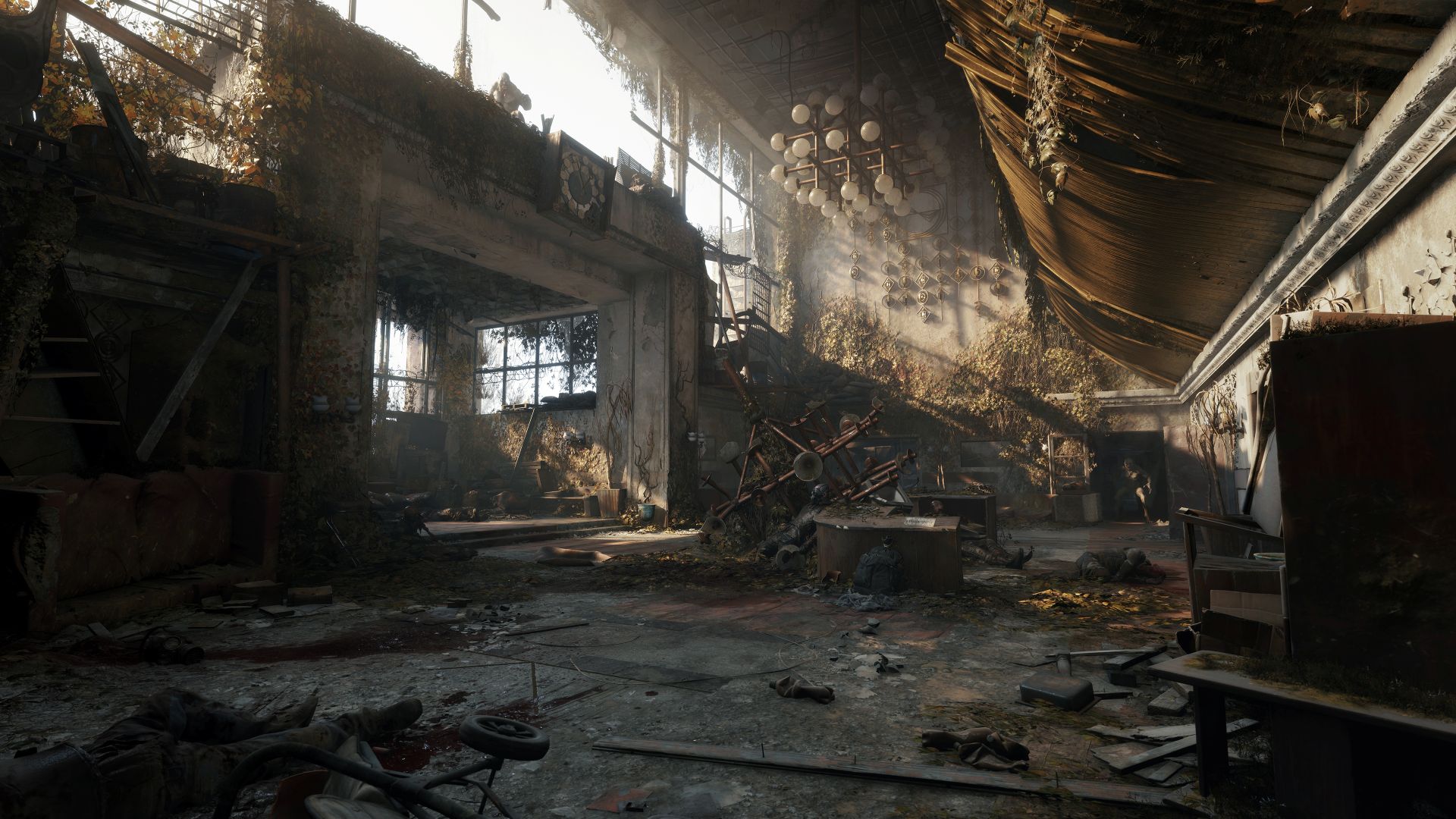
The strongest caution is also the obvious one
Everything promising here still sits behind official framing.
GameGuideDog did not play the demo. Steam still has no user-review layer. There is still no final PC requirement sheet beyond placeholder-level minimum language on Steam, no price, no preorder structure worth trusting yet, no public Steam Deck status, and no independent verdict on how the combat, stealth, and scavenging loop actually holds together over time.
That does not make the story thin. It keeps the story in the right lane.
The honest value of this packet is that it lets us separate two questions. First: does Metro 2039 now look like a specific game with a readable survival-shooter identity? Yes, much more than it did in April. Second: has it earned buyer trust on feel, performance, or launch confidence? No, not from this source chain.
That distinction matters even more because Metro already comes with heavyweight series context. Metro Exodus still sits on a very strong Steam legacy, which explains why players care, but it should not be used as a shortcut to promise that this new game will land the same way.

Why this is a real flagship follow-up
Because the question changed in a way players can actually use.
The April reveal asked whether the next Metro still had the old nerve. The August 26 Gamescom cycle asks whether 4A is putting enough concrete survival-shooter detail on the table to make that return believable. That is a better question, and the official material finally gives it enough shape to matter.
It still does not justify overclaiming. Xbox’s own hands-on can tell players what 4A is trying to build. It cannot tell them whether the shooting feels sharp under pressure, whether stealth stays satisfying after the first few hours, whether performance is clean, or whether the final balance supports the tension the write-up is selling.
The honest GameGuideDog read
Metro 2039 is in much better shape as a public-facing product after Gamescom than it was after the reveal. That is real. The official hands-on finally gives the game a survival-combat identity you can read, and the live store pages now make the platform story much cleaner.
But this is still a trust-the-pitch phase, not a trust-the-game phase. The only detailed play impressions in the packet still come from Xbox’s own editorial channel. Steam still shows no user reviews. The store pages still do not give players price, final specs, Steam Deck status, or any honest performance proof.
So the useful takeaway is simple: Metro 2039 now looks like a real February 2027 flagship instead of a distant concept, but buyers still need independent hands-on proof before the feel becomes something they should trust instead of something they should simply watch.
For more GameGuideDog coverage, browse our gaming section, revisit the earlier Metro 2039 reveal story, compare another official-hands-on package in our Fable Gamescom combat analysis, or open the latest English stories.