

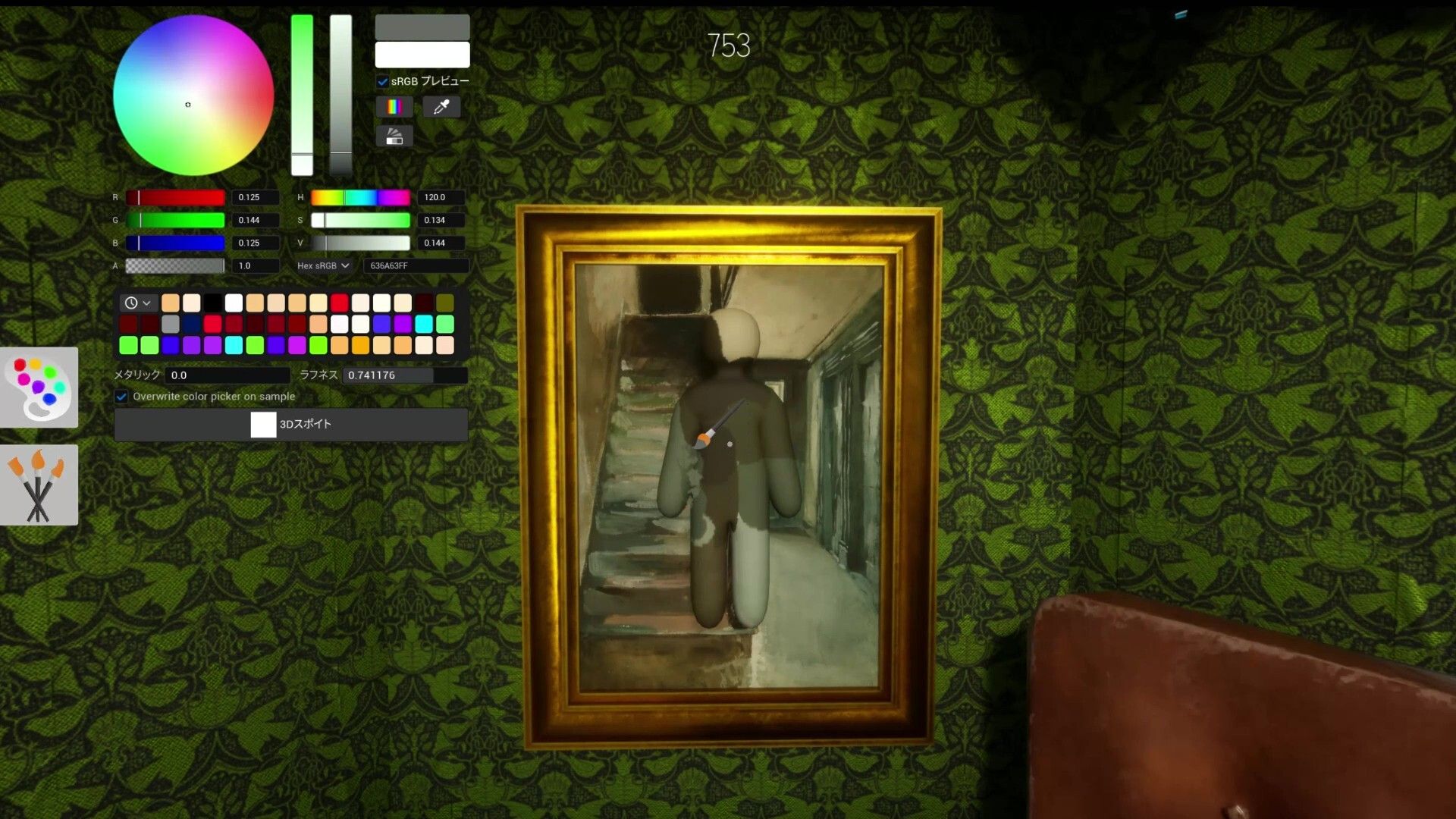
Meccha Chameleon looks like a joke for about five seconds, then the business case hits you. The official Steam news post for the game says it reached 15 million sales, and on Friday, July 10, 2026, the Steam page still showed a $5.99 price, a June 9, 2026 release date, and a review wall strong enough to rule out random meme traffic. The sales figure is still a developer claim, not an audited external count. It is also too big to wave away as noise.
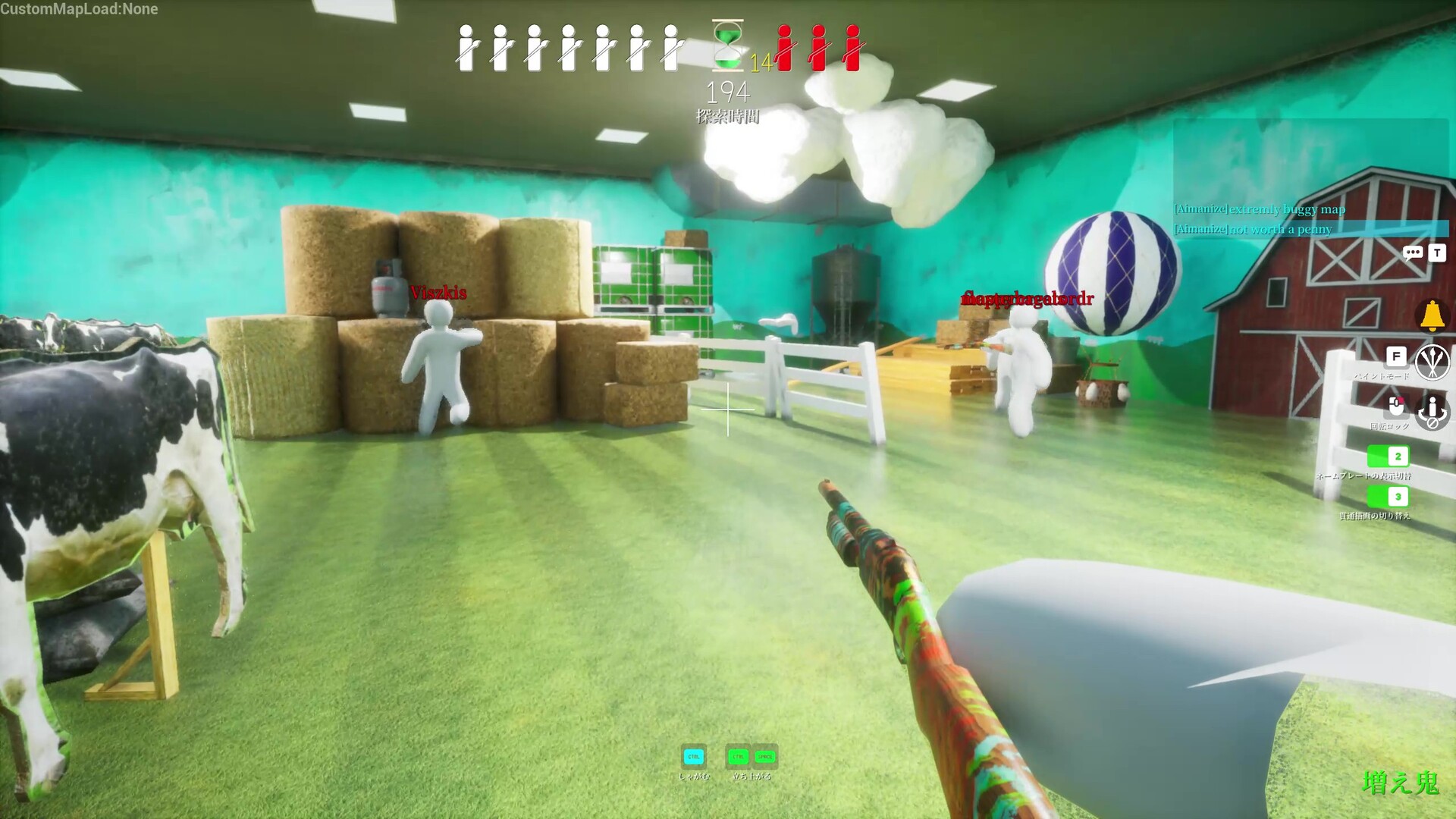
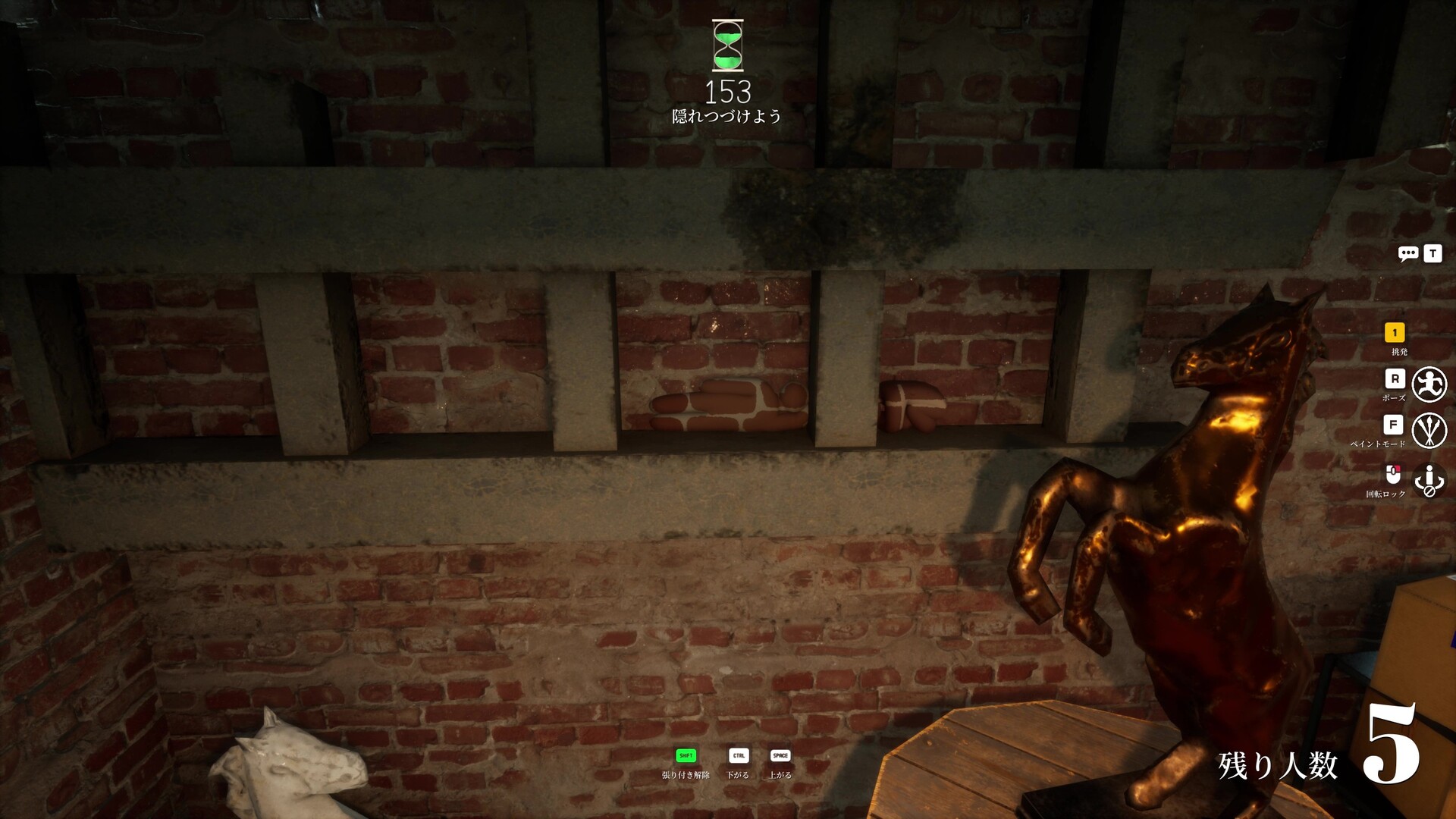
What matters here is not just that a tiny self-published game moved fast. It is why this specific one moved fast. Meccha Chameleon is a multiplayer hide-and-seek game where players paint their bodies to blend into the map. That idea is readable in one screenshot, one clip, or one badly explained message from a friend. A lot of bigger launches spend millions trying to earn that kind of instant comprehension.
The hook explains itself before marketing even starts
Steam’s own description does most of the work. Paint your white body. Match the room. Hide from the seekers. That is it.
This is the kind of design that travels cleanly across short-form video, streams, Discord clips, and storefront screenshots because viewers do not need a long tutorial to understand the joke. The game is not selling lore, a prestige franchise, or a feature list dense enough to scare people off. It is selling a readable social trick.
The low price matters just as much. At $5.99, the buy-in is closer to impulse territory than to a serious launch debate. That does not guarantee scale by itself, but it removes one of the biggest brakes that usually slows down curiosity-driven multiplayer. If a clip lands and the group chat wants in, the conversion path is short.
The store page also explicitly says the game supports public matches and streaming. That sounds like a small detail. It is not. For games built on deception, reaction, and embarrassment, spectator readability is part of the product.
The Steam signal still looks real after the first wave
The cleanest reason to treat this as more than a viral flash is that the storefront still looks hot after the headline moment.
When rechecked on Friday, July 10, 2026, Steam still showed 29,822 user reviews in English at 90% positive and 53,032 total reviews across all languages at 86% positive. Those numbers can move fast, but they are already large enough to mean this is not one streamer carrying the whole thing on their back.
Third-party tracker SteamDB should stay labeled as tracker data, not official accounting. Even so, it helps explain the scale. SteamDB still lists Meccha Chameleon with an all-time peak of 340,534 concurrent players on June 21, 2026, and it was still surfacing the game high on store-signal charts on July 10. That does not independently prove the 15 million sales claim. It does show the game generated a very large live audience for something this cheap and this small.
That is the key distinction. The sales number comes from the developer’s Steam news post. The surrounding store and tracker context is what keeps the claim from feeling like a loose vanity headline with no visible footprint behind it.
What this story does and does not prove
This is where restraint matters.
GameGuideDog has not played Meccha Chameleon, so this is not a review verdict. The 15 million figure is also not an audited platform disclosure. It is an official developer/storefront claim, which is strong enough to cite and strong enough to analyze, but still worth framing honestly.
There is also a difference between “easy to understand” and “easy to sustain.” A brilliant spectator hook can create a huge first month. It does not automatically guarantee long-term balance, anti-cheat health, or durable player retention once the novelty wears off. The next beat from the developer already points toward that problem in a softer way: the Steam post teases a collaboration with a famous Japanese star next week, which suggests the team knows momentum needs a second act, not just one giant opening spike.
The honest read on Friday, July 10, 2026
Meccha Chameleon does not need a myth to explain its breakout. The logic is sitting in plain view. The premise is instantly legible, the price is low enough to remove hesitation, and the game creates the kind of visual chaos that clips well and reads well on streams.
The more useful conclusion is a little sharper than “indies can still surprise people.” Of course they can. The harder lesson for bigger publishers is that players still reward clean ideas faster than expensive fog. If a stranger can understand the fun before the trailer is over, the sales funnel gets shorter.
Even with that said, the article should stop one step short of overclaiming. The official sales post is real. The Steam heat is real. The long-tail durability is not proven yet. What is proven is that one of the clearest Steam breakout stories of July 2026 came from a $5.99 game whose entire hook can be understood in a single frame.
For more GameGuideDog coverage, browse our gaming section, compare this Steam breakout with our Palworld 1.0 launch-day analysis, revisit the broader Switch 2 U.S. sales momentum analysis, or open the latest English stories.