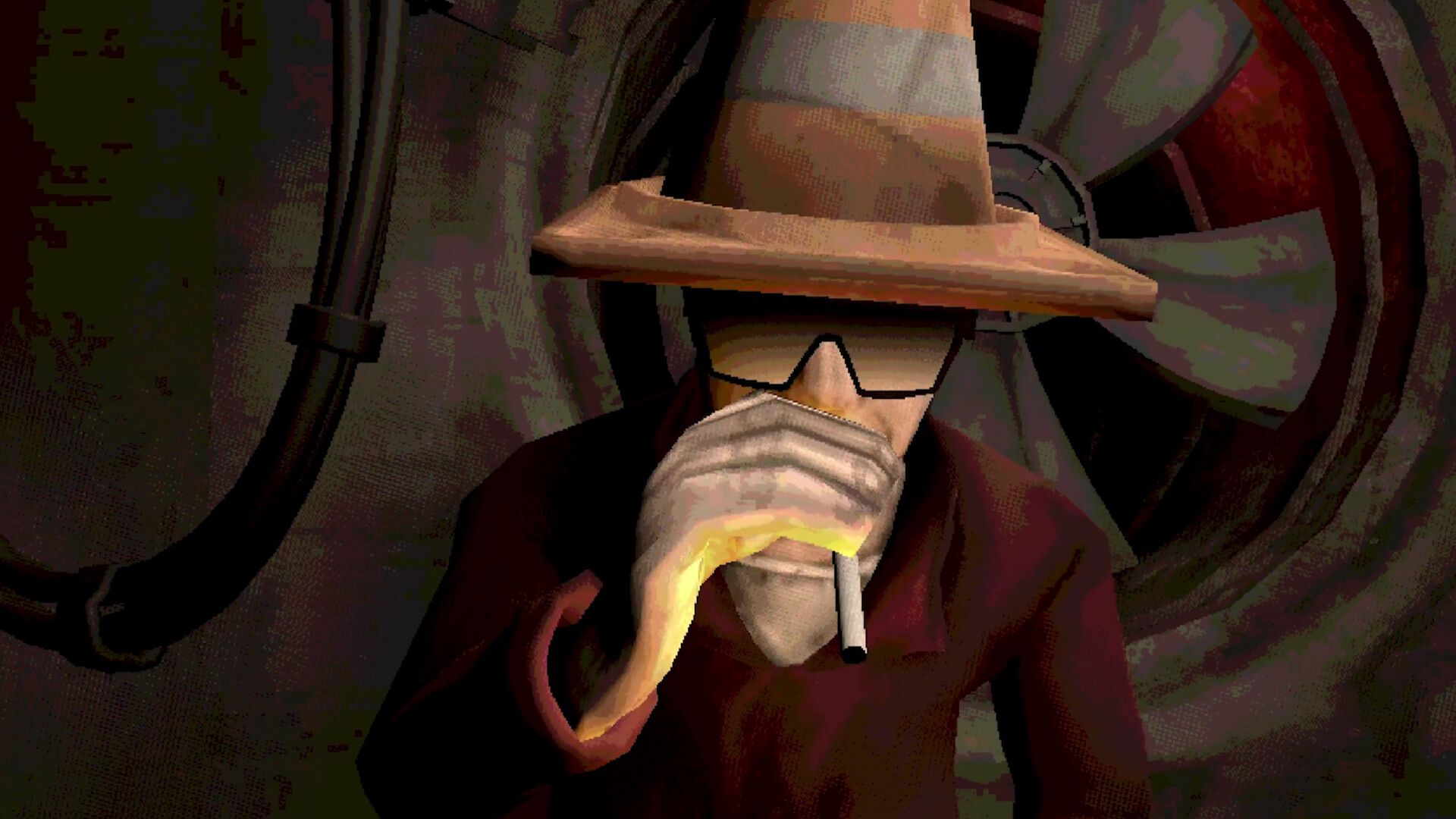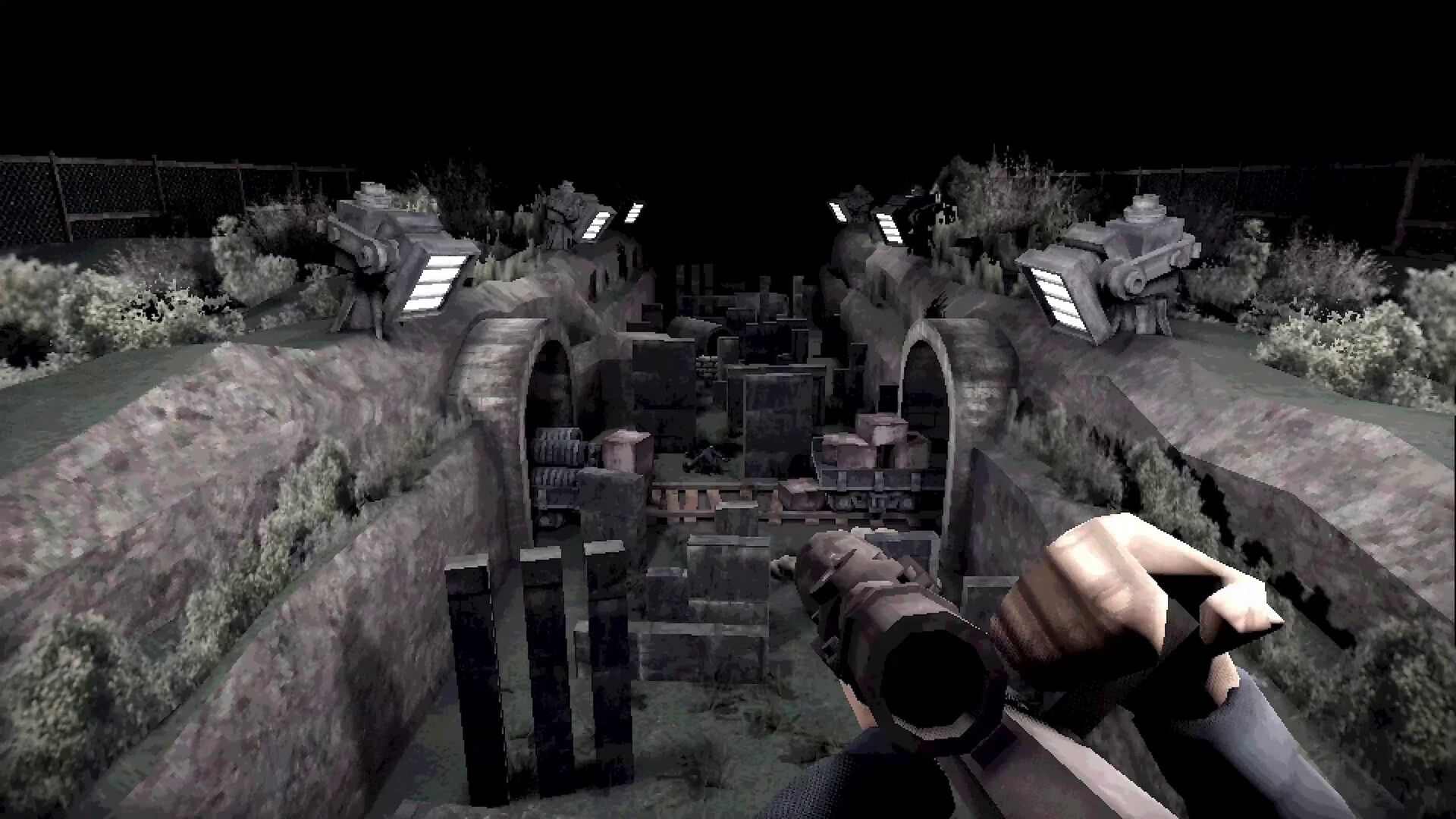

Machine Party has finally crossed from “check back after unlock” into a real Steam buyer story. At our 2026-07-30 15:17 UTC recheck, which was Thursday, July 30, 2026 at 11:17 a.m. America/New_York, Steam showed the game as released, the official appdetails feed had flipped to coming_soon: false, and the live U.S. price was sitting at a 15% launch discount, cutting it from $7.99 to $6.79.
That is enough to stop treating this like a promise. It is not enough to pretend the launch already has a trustworthy public verdict.
Valve’s official reviews summary had moved from zero to 3 total Steam user reviews, all positive, by the same check. That is real movement. It is also still a microscopic sample. The useful angle here is narrower and better: Machine Party is live, cheap enough to sample, and still too early to mistake for proven reception.
The strongest part of the story is still the design pitch
Machine Party was never interesting because it existed. It was interesting because of who made it and what it was trying to cut out.
Mike Klubnika’s April 9, 2026 announcement said he and GDeavid had been building the game since September 2025 and trying to strip out the dead air that drags some minigame collections down. The key phrase in that post was not brand fluff. It was the intent to reduce dialogue, transitions, and other board-game aspects so the whole thing feels like a frantic back-to-back run with almost no waiting around.
That still reads like the smartest part of the package. Plenty of party games understand noise. Fewer understand that pacing is the product. If Machine Party works, it will probably work because it respects the fact that this kind of game lives or dies on how fast it gets players back into the next stupid, lethal situation.
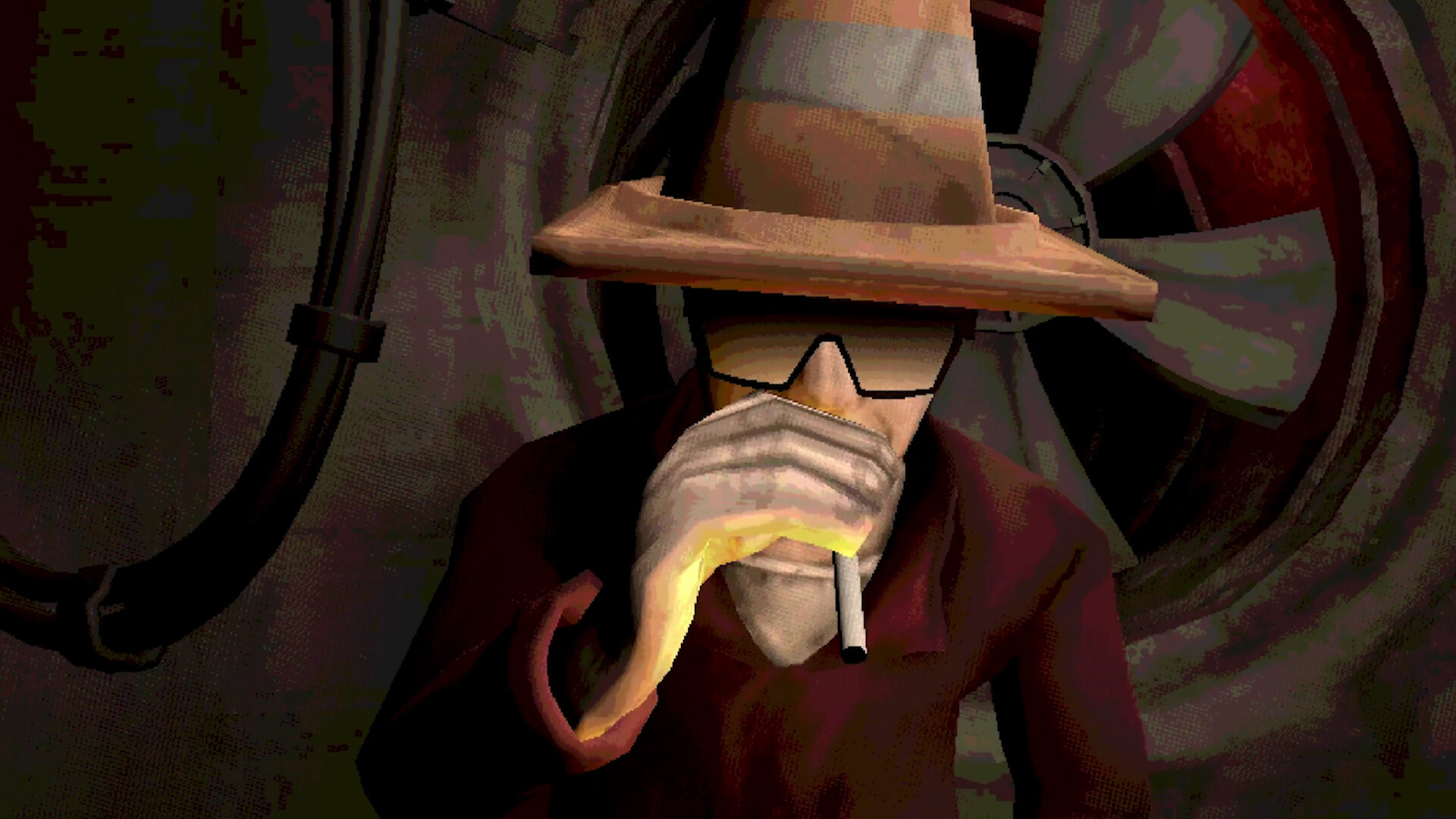
Oro’s official page and Steam’s live store copy are aligned on that same hook: 2-4 players, violent minigames, industrial grime, and just enough customization to give the cast some identity without pretending this is a progression-heavy live-service thing.
The launch discount lowers the risk more than the review count does
The most useful buyer-facing fact on July 30, 2026 is not the review sample. It is the price.
At $6.79 during the launch window, Machine Party is entering Steam at a low enough point that curious players do not need blockbuster proof before deciding whether the premise is worth a night. That matters because the game is selling exactly the kind of high-concept multiplayer idea that can be fun long before it proves durable.
The flip side is obvious. Cheap is not the same as sticky.
Steam’s official public sample still is not strong enough to tell you whether the minigame pool has real legs, whether online friction stays manageable once more players arrive, or whether the “Buckshot Roulette creator” curiosity carries this game beyond first-hour novelty. The first three public reviews being positive is better than a dead page. It does not magically become a trustworthy quality signal just because the number is no longer zero.
That is why this piece works better as a buyer read than a launch-reception story. The launch discount gives people a real decision. The review sample still does not give them a broad answer.
The third-party traction signal is real, but it is still only a first glimpse
SteamDB is useful here, as long as it stays labeled correctly.
At our 2026-07-30 15:17 UTC check, SteamDB showed a recorded release timestamp of 2026-07-30 14:55:21 UTC and an early all-time player peak of 962. That is enough to say the game did not land in an empty room. It is not enough to call this a breakout or some kind of major creator-to-creator conversion story.
That distinction matters because Machine Party has an easy narrative trap built into it. Klubnika’s name, the Buckshot Roulette association, and the violent-party-game pitch all make it tempting to oversell the first pulse of activity as proof that the game has already landed. It has not. What it has is the first clean sign that the game is live, discoverable, and getting sampled.
There is a meaningful difference between “players showed up” and “the game has already found its shape in public.” On launch day, Machine Party is still much closer to the first sentence than the second.
The honest buyer read right now
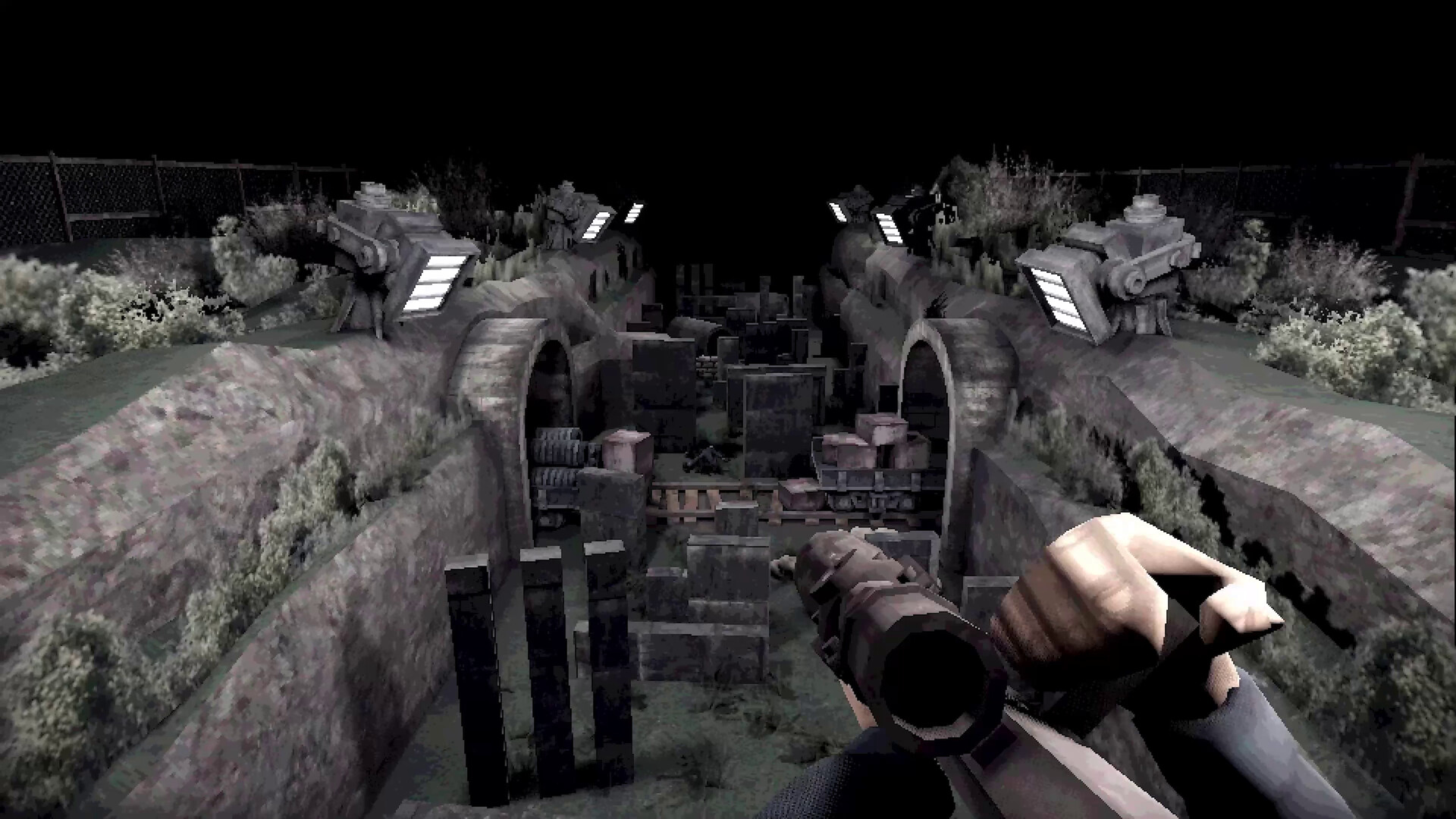
If the premise already worked on you, Thursday, July 30, 2026 is finally a sensible entry point. The store state is real, the launch price is modest, and the official feature set is clear enough: online co-op, full controller support, Family Sharing, and Polish interface support on top of the core 2-4 player hook.
If you were waiting for a thicker public read, the smarter answer is still to wait a little longer.
Three positive Steam reviews do not tell you whether the minigame variety holds, whether online sessions stay clean under heavier load, or whether the game’s “fast, nasty, no-fluff” rhythm remains funny after the first burst of surprise wears off. The SteamDB peak is encouraging. It is also still an opening snapshot, not a verdict.
That leaves Machine Party in a clean middle lane for launch-day coverage. The live buyer facts are finally here. The proof of staying power is not.
For more GameGuideDog coverage, browse our gaming section, compare another cautious launch-day read in our Mistfall Hunter buyer analysis, revisit a stronger same-day launch case in our Scarlet Deer Inn launch analysis, or open the latest English stories.