

The Lord of the Rings: Ascension has crossed the line from interesting preview to real live-campaign signal. When I checked the official Gamefound page on July 15 around 10:34 AM ET, Stone Blade Entertainment’s deckbuilding campaign showed $641,032.70 raised, 2,411 backers, and 25,110 followers.
That is not a gentle launch. It is a campaign that funded on July 14 and immediately turned one of Asmodee’s most visible Middle-earth partner projects into a buyer-facing story with real numbers behind it.
The launch has already converted
The cleaner tracker read is just as strong. Tabletop Analytics showed The Lord of the Rings: Ascension at $627,616 pledged against a $20,000 goal, with 2,368 backers, a $265 average pledge, +251 backers today, and +$66,920 today in its July 15 snapshot.
That matters because this is not only a licensed announcement anymore. Back in May, the useful angle was that Asmodee had named outside Middle-earth partners and Stone Blade’s Gamefound preview was the only public project buyers could inspect. Today, the campaign is live, the meter has moved hard, and the backer count is already high enough to make the launch itself the story.
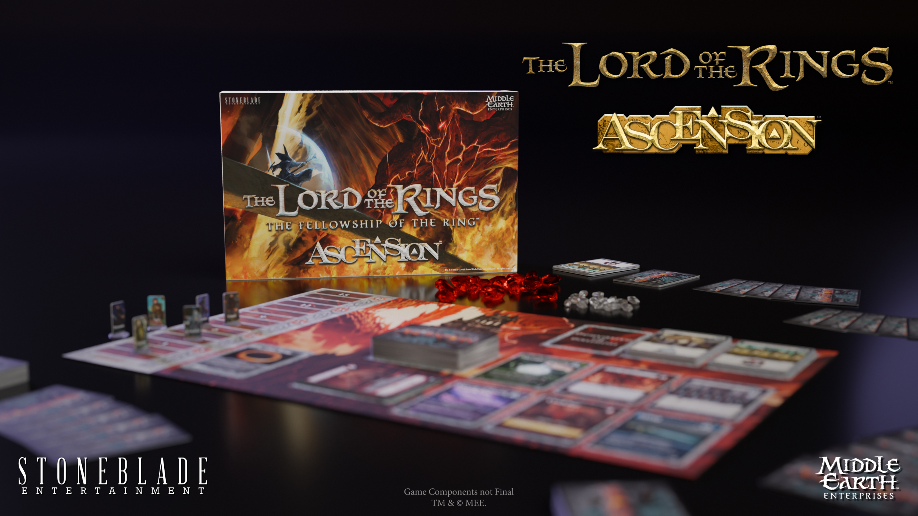
The Gamefound page also gives the core buyer details in a way the preview could not. The campaign is scheduled to run from July 14 to August 13, and Stone Blade describes the game as a 1-4 player deckbuilder built across three interconnected Ascension sets. The hook is direct: take the familiar Ascension deckbuilding system and push it through Middle-earth’s heroes, villains, and corruption pressure.
Why this is more than license heat
The obvious reason people clicked is the license. The more useful reason to keep watching is the system fit. Ascension is already a known deckbuilding line, so Stone Blade is not asking backers to fund a completely untested rules identity from a logo alone.
That does not make the finished game good. It does make the campaign easier to read. The buyer question is not “does anyone care about The Lord of the Rings?” That answer is boring. The sharper question is whether a familiar deckbuilder can make the push and pull of Free Peoples, Shadow cards, and The One Ring feel like more than themed card names.
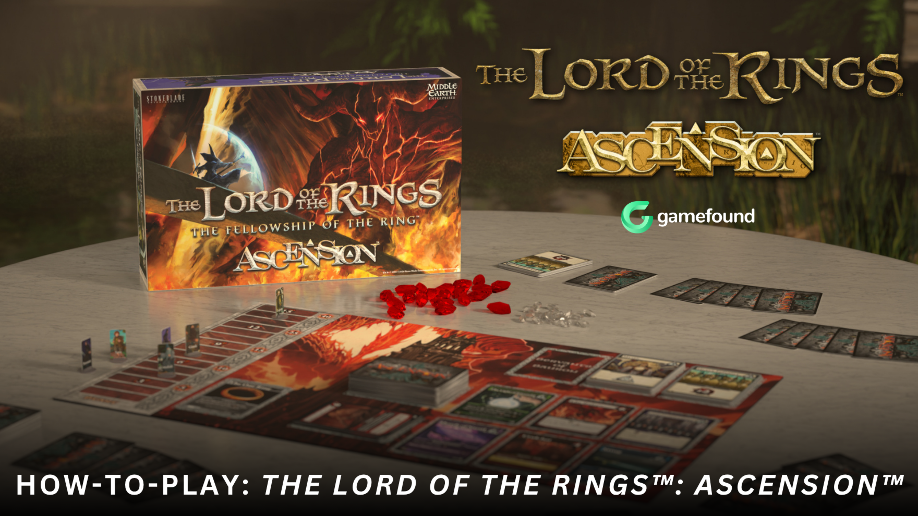
The official how-to-play video helps here. It gives the campaign a rules-facing anchor, which is exactly what licensed tabletop projects need if they want to be treated as games rather than collectible boxes. The campaign page also includes official gallery art and a “Coming to Gamefound” video, so the media package is rights-safe and buyer-readable.
The caution is still real
The current numbers prove demand, not table feel. Gamefound’s terms section says Stone Blade currently anticipates delivery in late 2027, while also warning that timelines should be treated as estimates. It also says the project is not a pre-order and that final components or presentation can change during development and production.
That is normal crowdfunding language, but it is still the part buyers should read before letting the license do all the work. More than $640K on day two is a strong market signal. It does not verify fulfillment, replay value, shipping cost, component quality, or whether the three-set structure will feel essential after the first few plays.
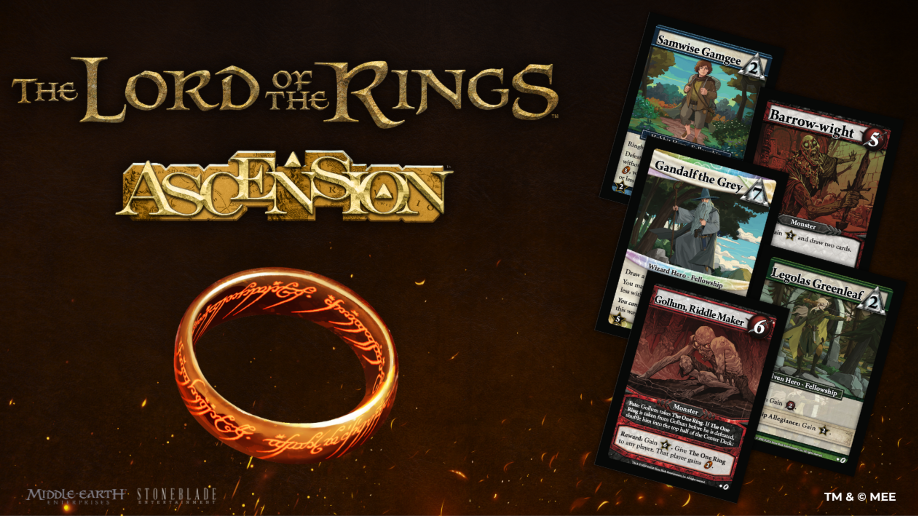
The clean read is narrower and more useful: The Lord of the Rings: Ascension has already become one of the day’s major board-games crowdfunding stories. The campaign has the license, the known deckbuilding chassis, official rules video, live funding, and enough same-day tracker movement to justify attention now.
For more tabletop coverage, visit the board-games lane, revisit the earlier Middle-earth partner-slate story, read the recent Defenders of Hogwarts Kickstarter watch, or check the Sovereign: Shogun Gamefound watch.