
Ledgerbound has the kind of launch-week signal that makes it worth a real buyer read now. On Sunday, August 16, 2026 around 7:16 PM America/New_York, Steam’s official review summary returned 231 total user reviews, with 211 positive and 20 negative, while Steam’s official current-player endpoint returned 718 players in-game.
That is enough proof to move this out of wishlist curiosity territory. It is still not a clean “everyone loves it” story. Ledgerbound is getting real early praise for its writing, performances, and premise, but the buyer split around combat friction, retry structure, and time-management pressure is still the part that matters most.
The good part looks real, not manufactured
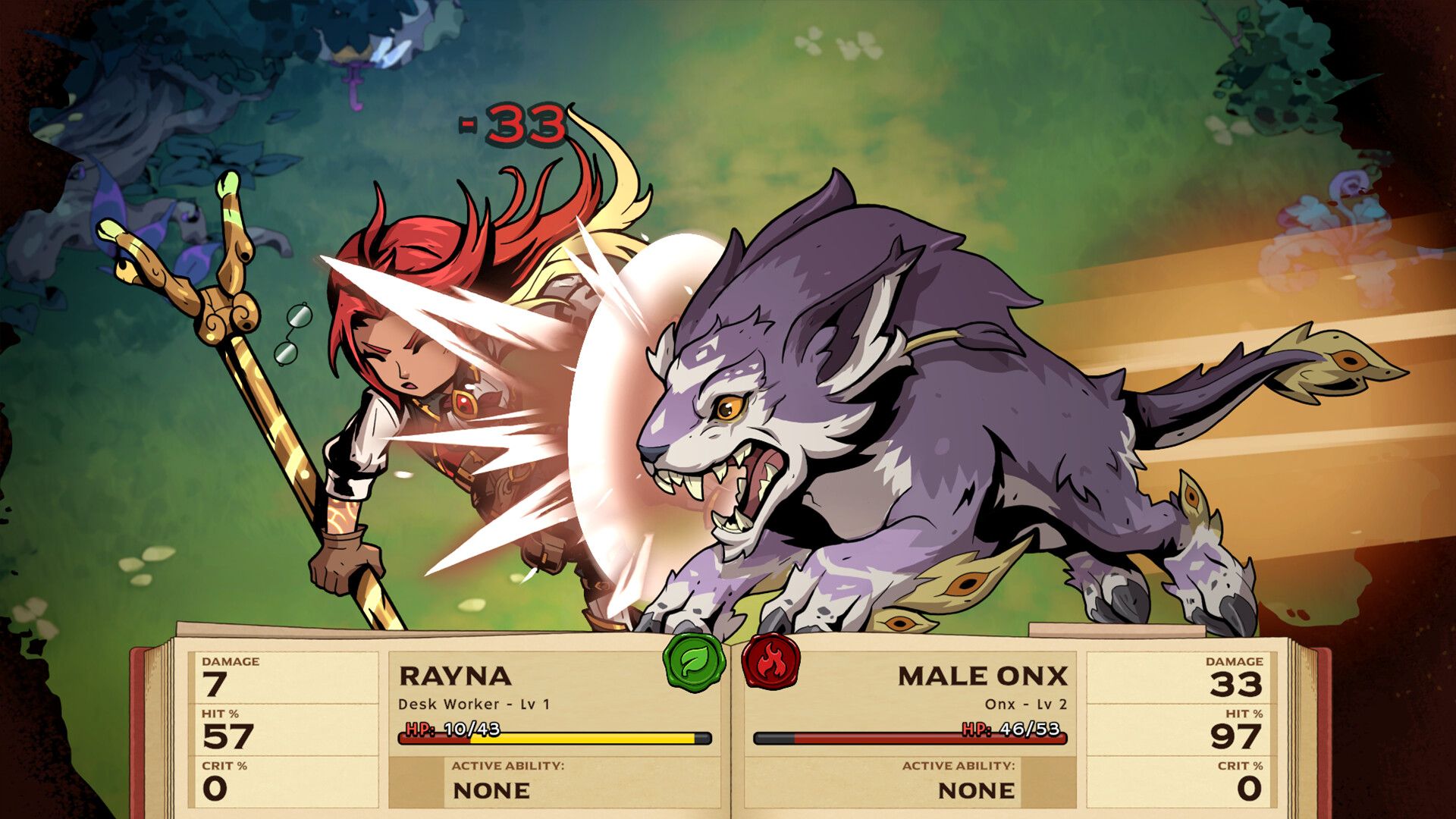
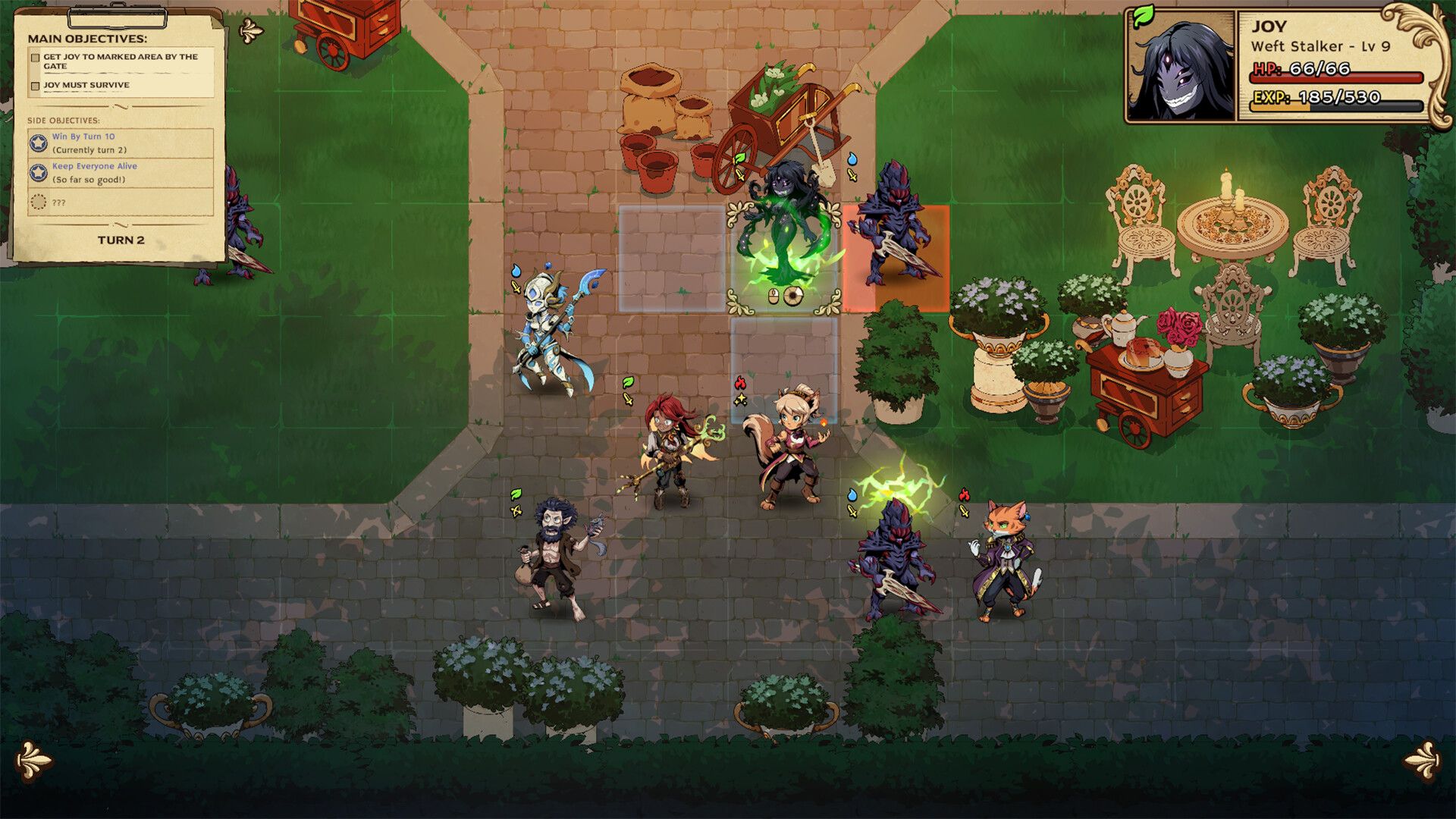
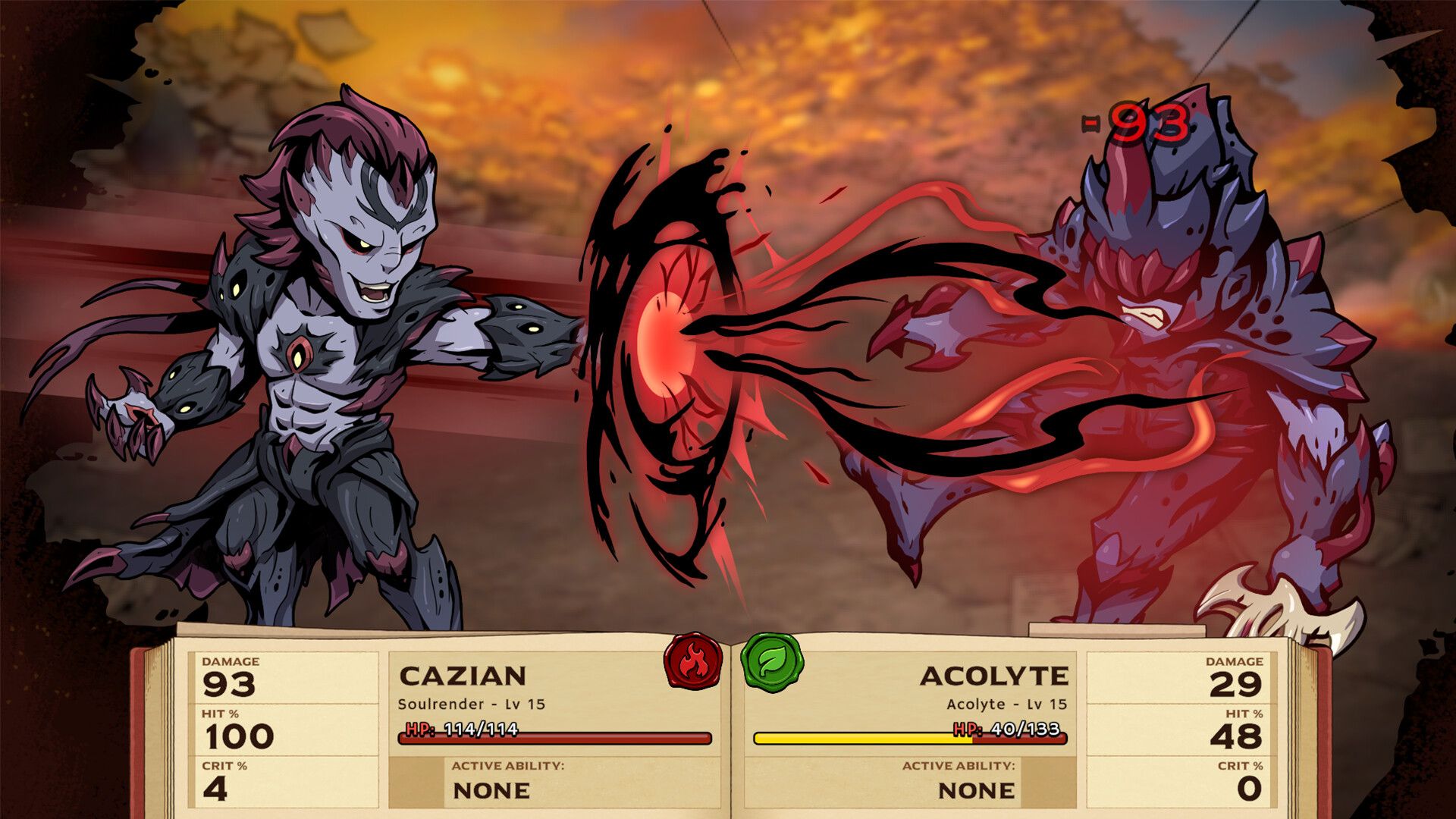
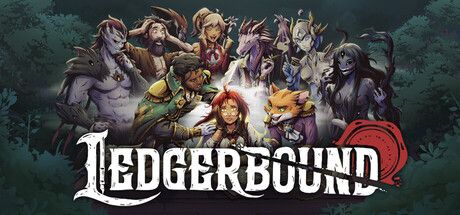
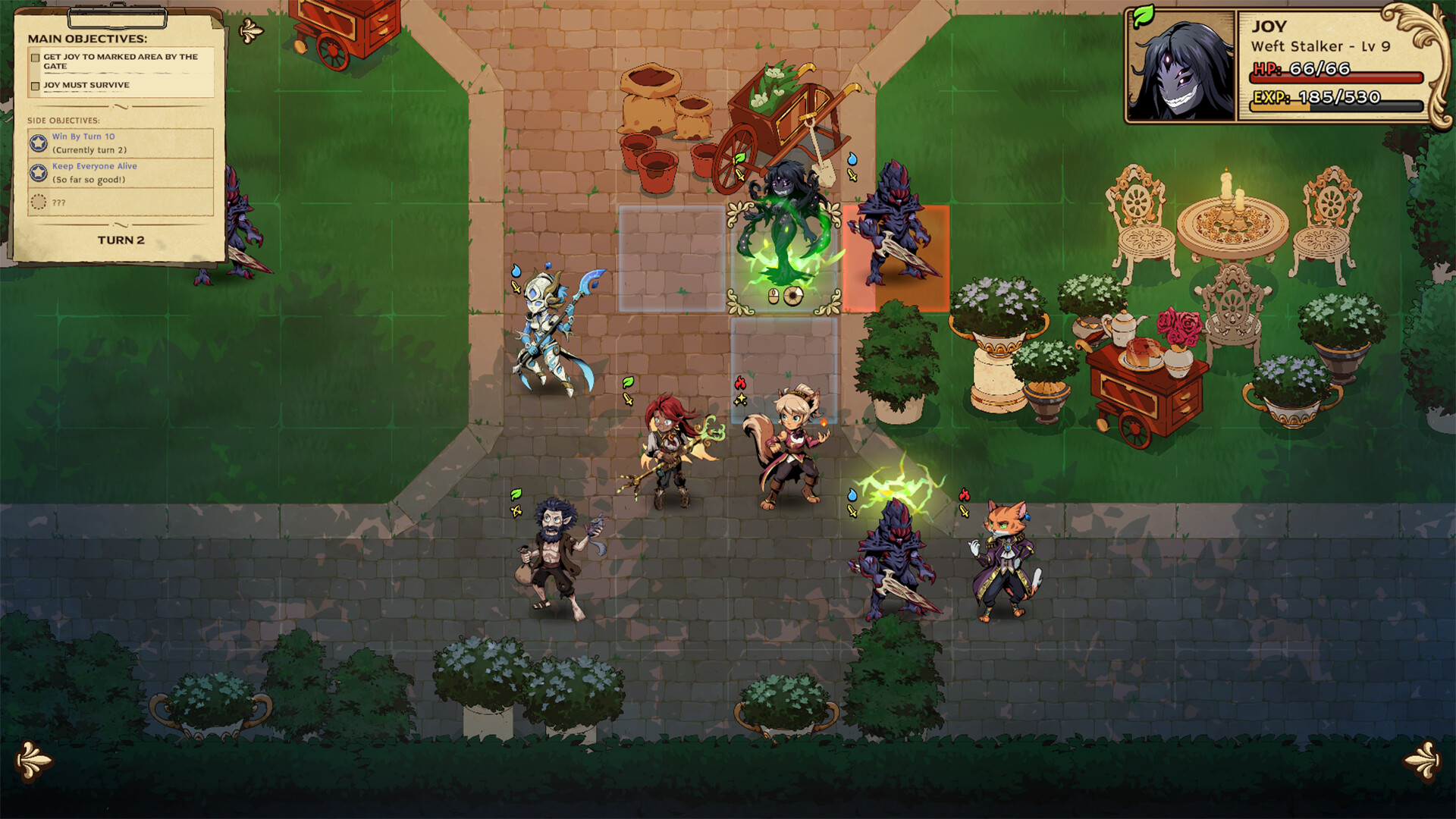
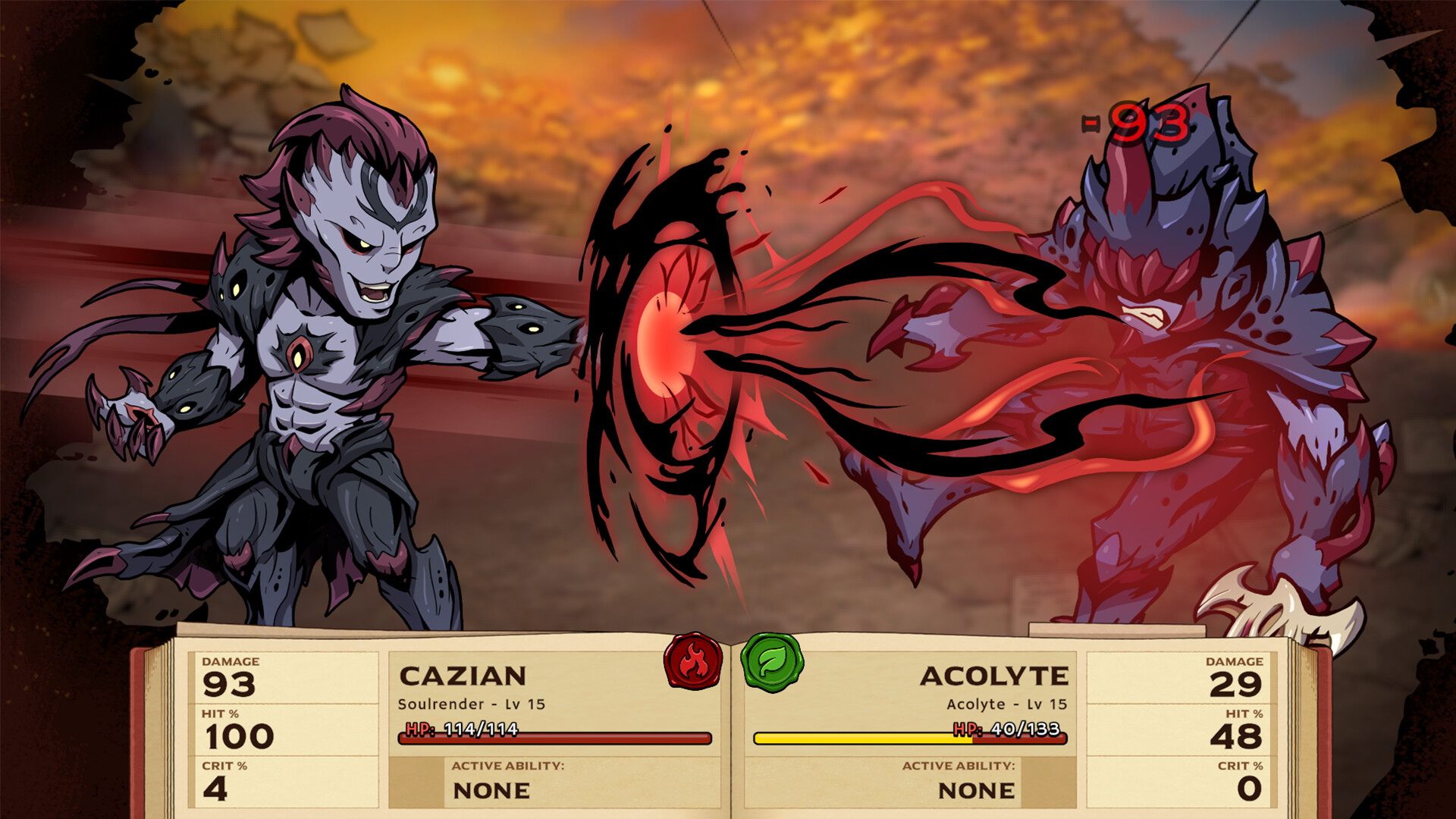
The easy version of the pitch is obvious. Ledgerbound is a fantasy tactical RPG and dating sim where an insurance adjuster has to deny claims by proving the dead heroes were simply not up to the job. That could have been a one-joke setup. The reason the launch-week story works is that the official Steam review pool suggests players are actually responding to the voice, the cast, and the commitment to the bit.
That visible positive lane also lines up with the studio’s official launch push. OmniMegaSuperCorp’s August 13 Steam announcement framed the game around narrative comedy, party relationships, and post-launch feedback, and the store page still backs that up with full controller support, seven screenshots, and the highlighted Official Launch Trailer. This does not read like a package that arrived with no audience.
It also still has live traffic. 718 players in-game on a Sunday evening is not some massive breakout number, but it is enough to confirm the game is being actively played during the first real launch weekend instead of disappearing after a novelty spike.
The launch criticism is not background noise
The stronger read is not “Very Positive, job done.”
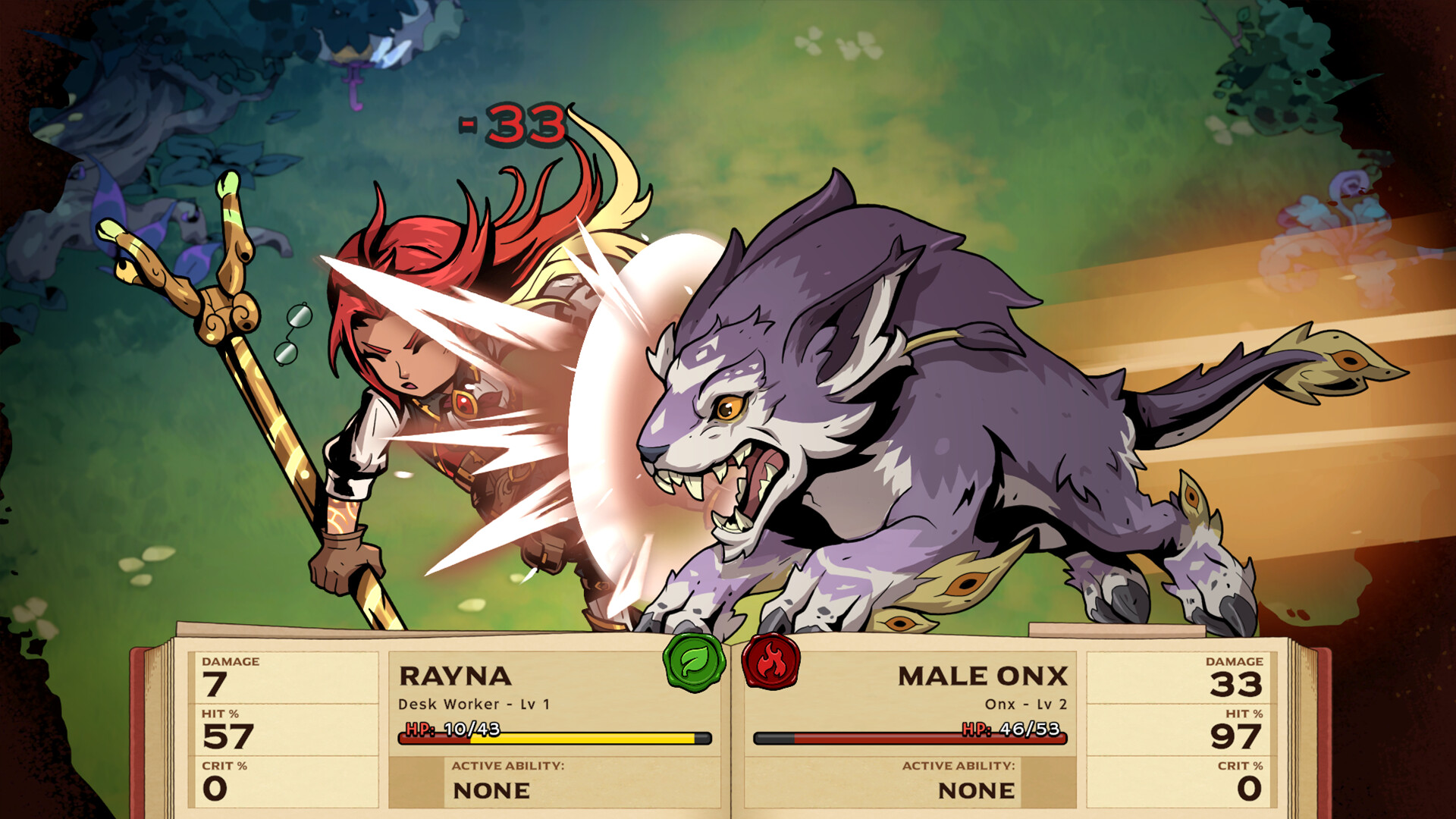
What makes the package publishable is that the criticism is visible, repeated, and specific. Early Steam reviews that land negative keep circling a consistent cluster of complaints: combat that some players find less rewarding than the writing around it, a save and retry structure that can trap mistakes, and time-management systems that feel too punishing if you want to experiment, recover, or simply spend more time with the cast.
That tension is the whole buyer story. If you flatten it into a simple indie-win narrative, the article turns into fluff. If you flatten it into a combat-disaster warning, that is just as sloppy. The more honest lane is narrower: Ledgerbound looks like a game some players are happily bending around because they love the characters and tone, while others are bouncing off the structure hard enough to warn buyers away.
Patch #2 matters because it goes straight at the friction
The August 15 Patch #2 - Time Toggle Hotfix is what keeps this from being a thin launch rewrite.
The official patch notes say the game added a setting to dramatically reduce Time Management gameplay so burnout and time costs become much less punishing. The same post also lists windowed mode, resolution settings, summon dismissal, voice-over timing improvements, and other fixes. That does not solve every complaint, but it does show the studio reacting to a real launch-week problem instead of burying it.
That is a useful buyer signal for two reasons:
- the developers are not pretending the friction is imaginary
- the main launch-week argument against the game is already influencing official design choices
That does not automatically flip the recommendation. It does make the current read more interesting than a static store-page pitch.
The price makes the decision easier, not automatic
Steam still showed an active 10% U.S. launch discount on Sunday, August 16, 2026, putting Ledgerbound at $26.99 instead of $29.99. That is not impulse-buy-cheap, but it is low enough that some players will accept more rough edges than they would at a premium price.
That matters because the game’s strongest asset does not seem to be in dispute. The voice, humor, and character work are what keep surfacing as the reason people want to stick around. The bigger question is whether you are willing to take those strengths together with a structure that still looks divisive.
The clean buyer split right now is simple:
- jump in now if the writing, romance, and fantasy-office satire are the real draw for you, and you can tolerate a game that is already patching around its roughest systems
- wait if your patience for retry friction, hard consequences, or combat systems that need more tuning is low
The useful Sunday-night read
Ledgerbound looks more real than a novelty launch and less settled than a clean recommendation. That is exactly why it works as a Sunday-night flagship instead of a disposable store rewrite.
There is visible momentum here. There is also visible resistance. The review score is strong, the player count is real, and the official patch trail already says the launch-week debate is not fake. Buyers do not need to pick a side between “secret masterpiece” and “broken mess.” The evidence supports something more useful than that.
Right now, Ledgerbound looks like a sharply voiced tactics RPG with a real audience, a real rough edge, and a better case for curious story-first players than for cautious systems-first buyers.
For more GameGuideDog coverage, browse our gaming section, compare another Steam buyer read in Beast of Reincarnation patch repair analysis, revisit the stronger launch momentum case in Sandustry Steam launch analysis, or open the latest English stories.