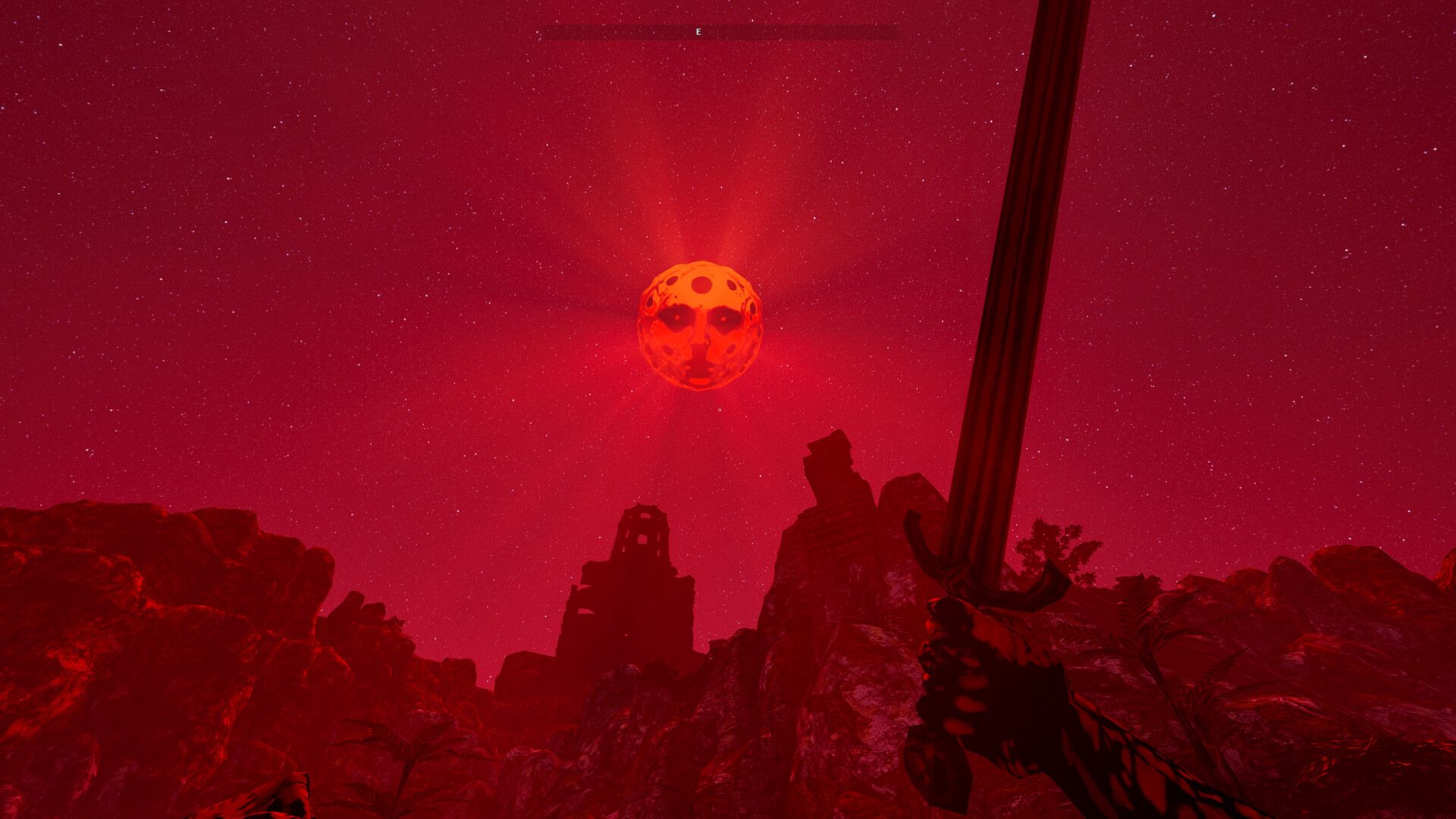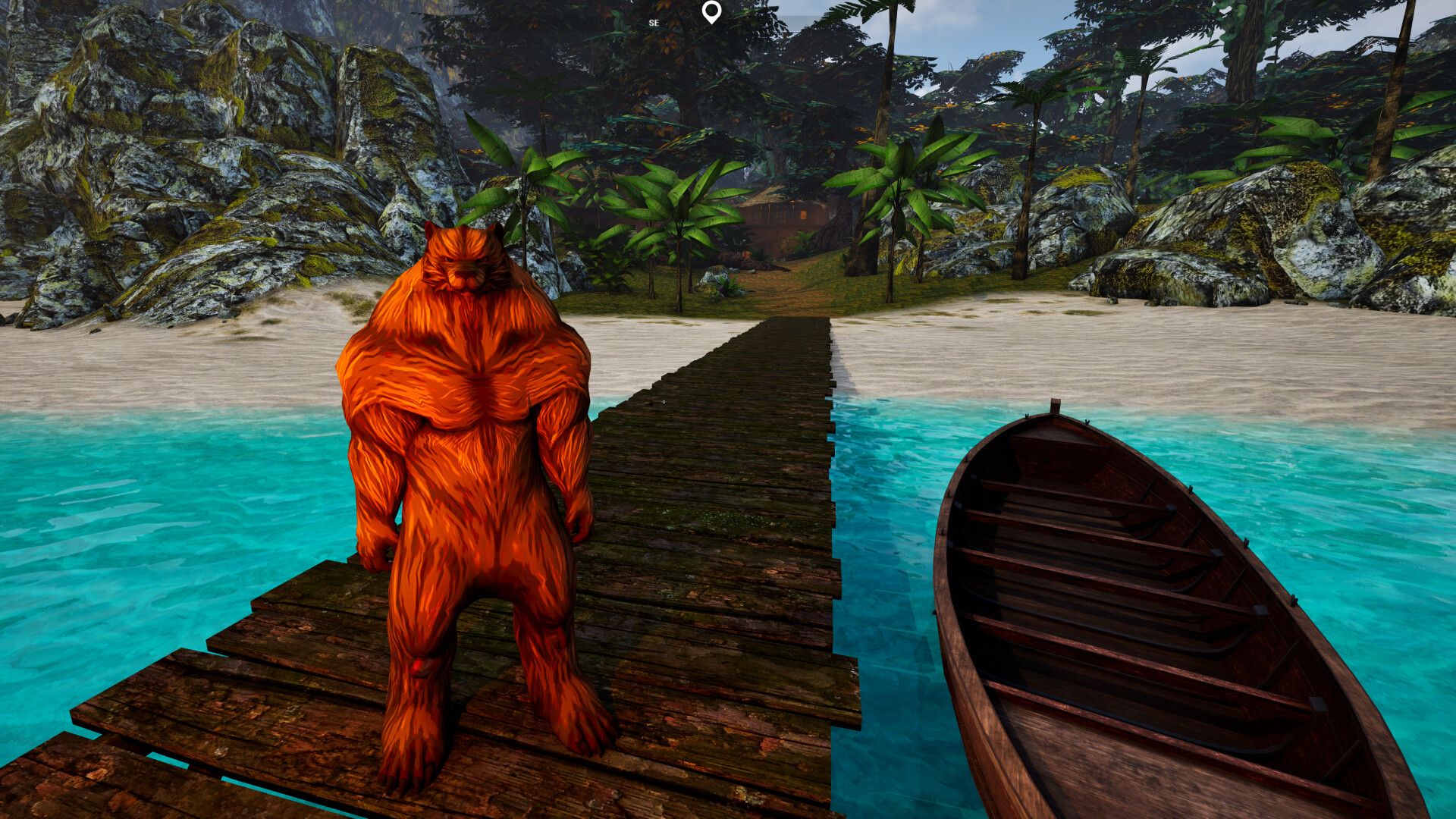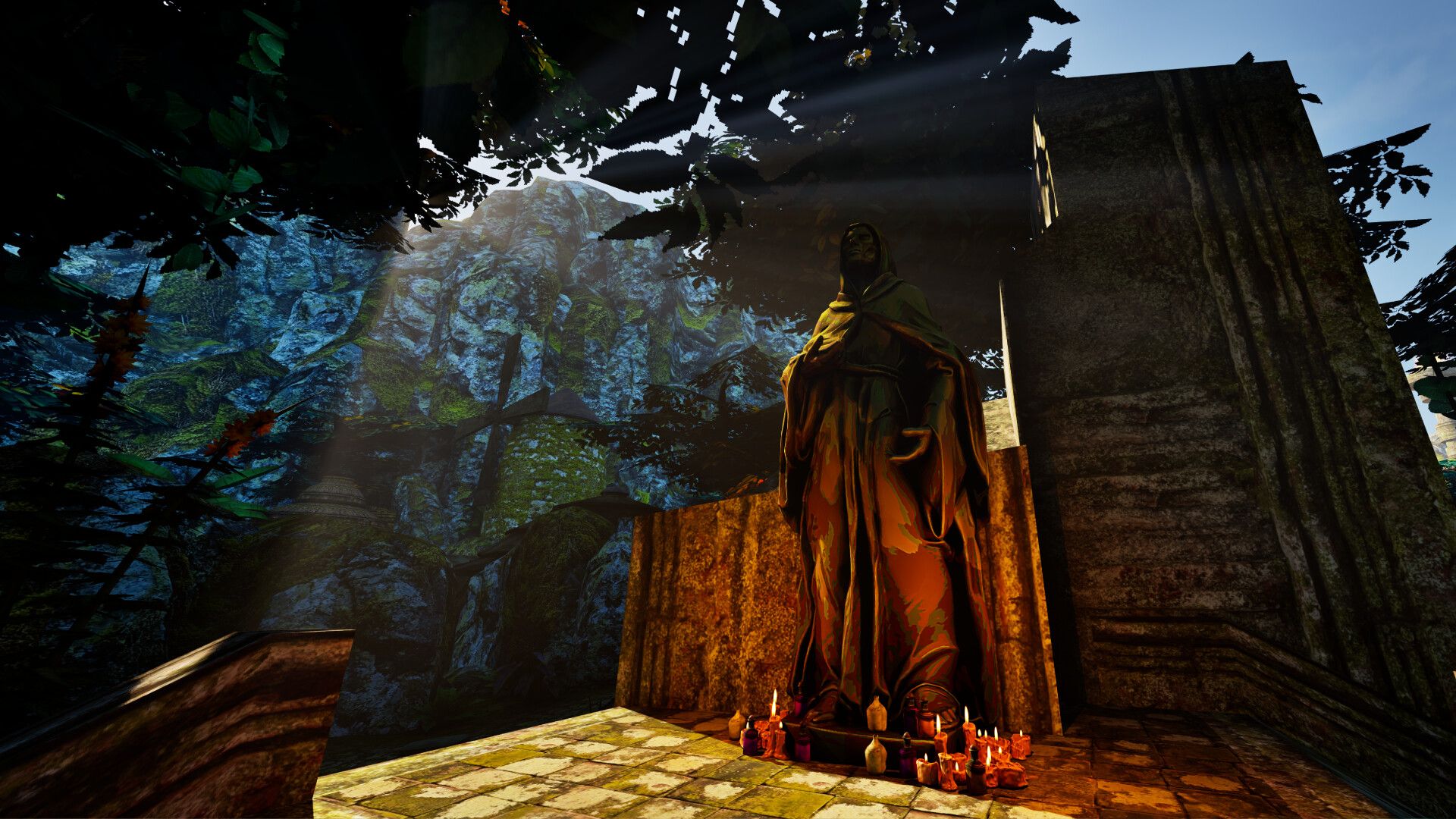

The Lantern of the Laughless Saint is not just a weird Morrowind-coded curiosity anymore. It has a real enough Steam opening to matter. On Monday, August 17, 2026 around 7:16 PM America/New_York and 2026-08-17 23:16 UTC, Steam’s official review summary returned 163 total user reviews, split 135 positive to 28 negative, while the official current-player endpoint returned 1,535 players in-game.
That is a strong day-one read for a rough-edged indie RPG with a strange pitch and no big marketing machine behind it. It is also not a clean victory lap. NerveLabs had already posted the launch announcement, HOTFIX 1, and LAUNCH DAY HOTFIX 2 by the time of the publish check, which means the useful buyer story is not “people like old-school RPGs.” It is closer to “players are showing up for the old-school RPG promise, but the technical repair sprint is already part of the package.”
The launch signal is real
The official storefront surfaces line up cleanly now.
Steam lists August 17, 2026 as the Early Access release date, shows a 10 percent launch discount from $19.99 to $17.99 in the U.S. snapshot, and frames the game as a solo or co-op open-world RPG inspired by Morrowind. The appdetails metadata also confirms NerveLabs as both developer and publisher, plus the expected genre mix of Action, Adventure, RPG, and Early Access.
That pitch could have stayed in trailer-land. It did not. More than 1,500 live players and more than 160 reviews is enough to clear the usual “interesting idea, but nobody is actually there” problem that eats a lot of niche indie launches. The top-line review badge matters too. Very Positive is not fake heat.
The important thing is what kind of heat this is. This does not read like a polished mainstream release breaking through on pure finish. It reads like a messy, systems-heavy RPG finding exactly the players who wanted that mess in the first place.
The positive lane is obvious, and so is the warning lane
The review sample is already good enough to say more than “some players seem interested.”
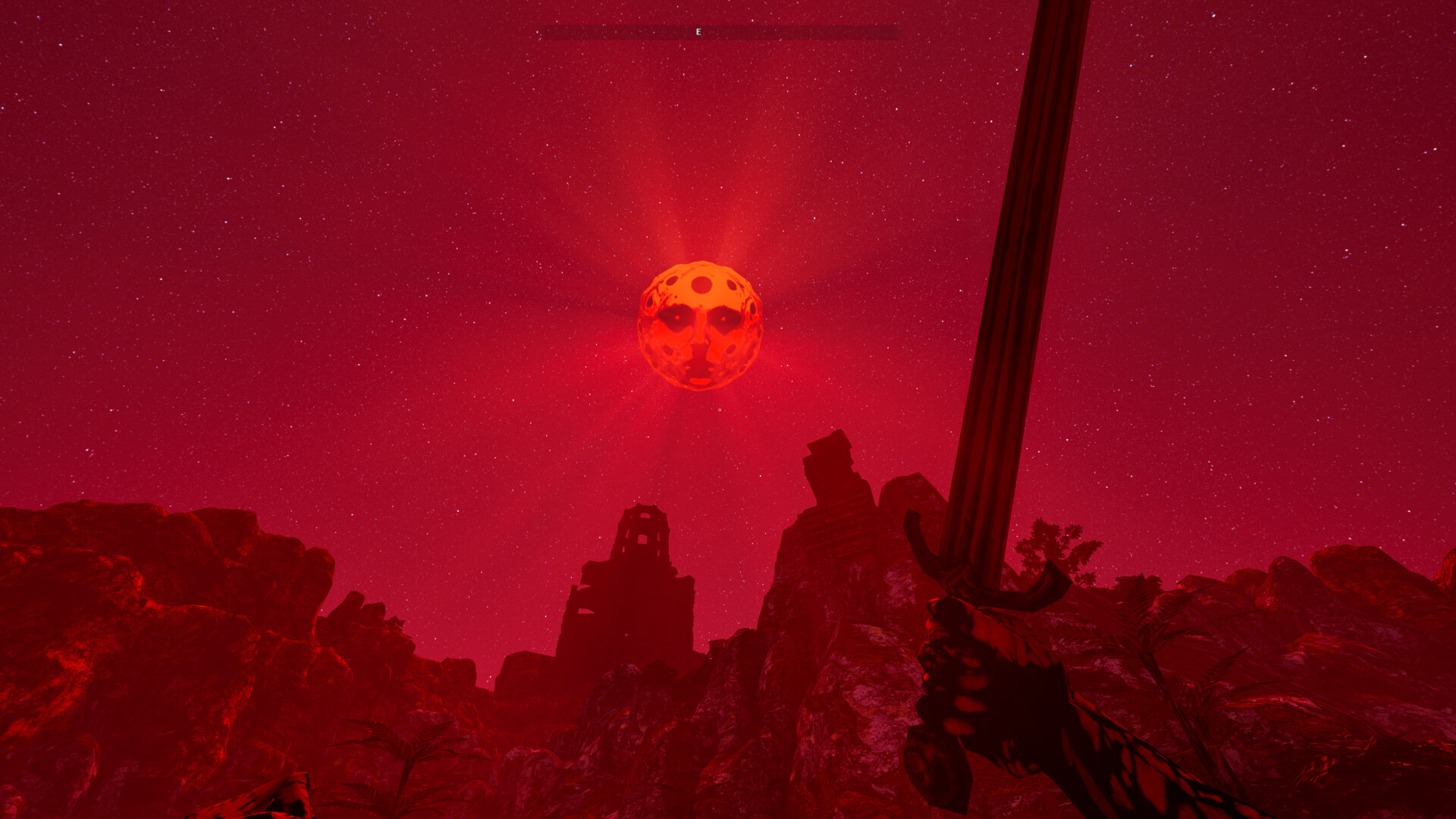
Recent purchased-user reviews keep circling the same appeal: exploration, secrets, odd NPCs, open-ended wandering, and a very direct old-Bethesda vibe. Some players are not even being subtle about it. The most useful recurring read is that this feels like a game built for people who miss the jagged, sometimes stupid, often memorable energy of older RPG sandboxes more than they miss clean modern onboarding.
That part looks real. The caveat looks real too.
The packet’s early negative reviews and the official launch note both point at technical friction that showed up immediately. One saved early negative review called out repeated crashes in the first fifteen minutes plus save-related bugs. The launch post itself told players to update GPU drivers if they crashed after the NerveLabs logo. Then the same-day hotfix posts started rolling in with fixes for shopkeeper lag, multiplayer saving, quest problems, and integrated-GPU issues on some laptops.
That is the useful split. The atmosphere-first, systems-first audience is clearly willing to meet the game where it is. The technical caveat is already too visible to bury under hidden-gem rhetoric.
The hotfix stack is why this is worth publishing tonight
Without the repair trail, this could have slipped into an easy “retro RPG fans found their next obsession” writeup. That would be thin and wrong.
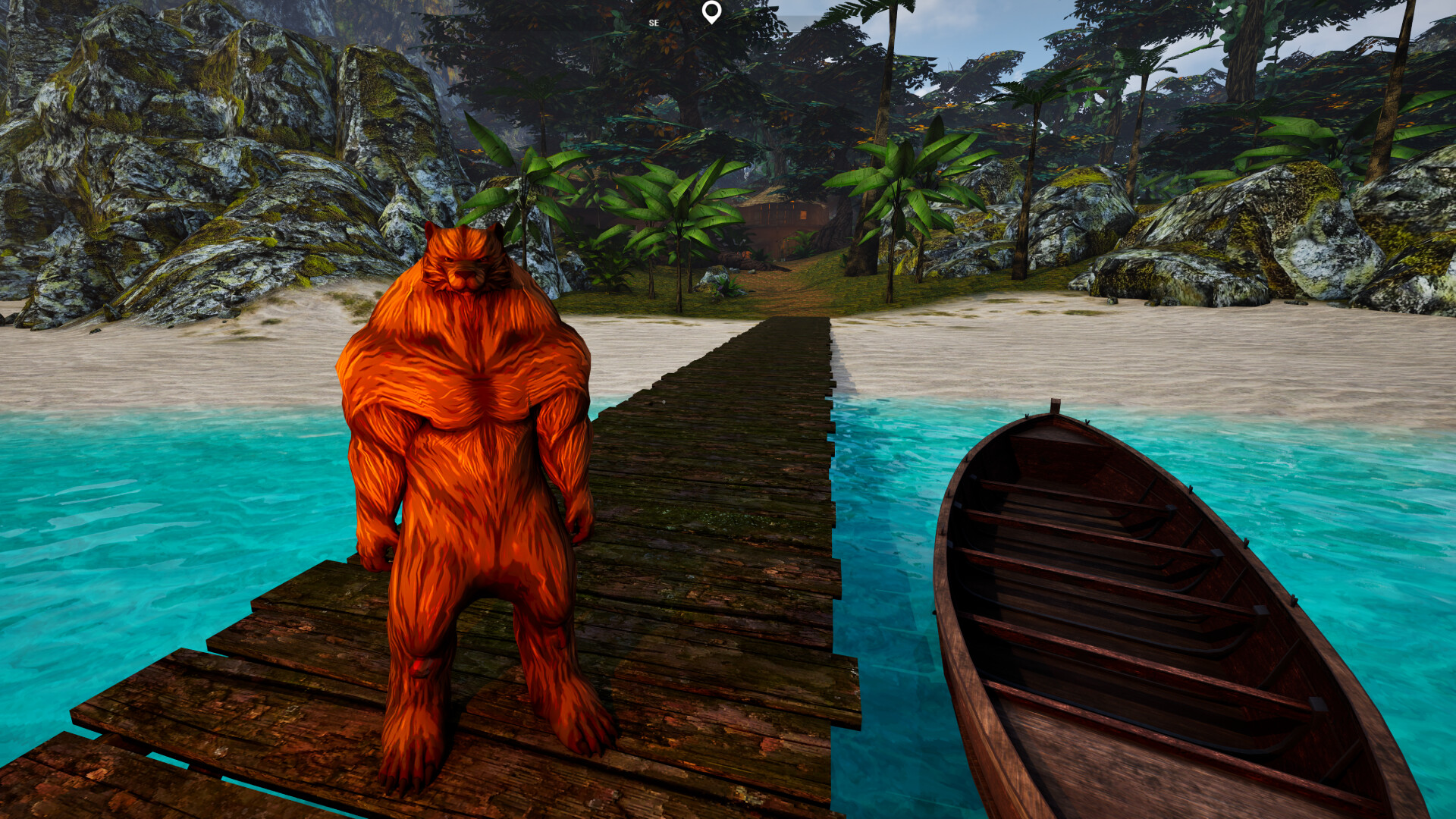
The official news flow says more. NerveLabs did not just launch the game and disappear. It published the release announcement, then HOTFIX 1, then LAUNCH DAY HOTFIX 2 on the same day. That tells you two things at once.
First, the problems are real enough that the studio had to react in public immediately. Second, the game already has enough active players hammering on the build for those problems to surface fast. That matters more than a generic line about “ongoing Early Access development,” because it places the buyer decision in a real, current state instead of a vague future promise.
This is also why the review pool is more useful than it first looks. A very positive badge holding up while the launch-day patch stack grows is different from a very positive badge attached to a quiet, friction-free start. It suggests the audience is currently buying into the vision hard enough to absorb some roughness, not that the roughness is imaginary.
The honest buyer read right now
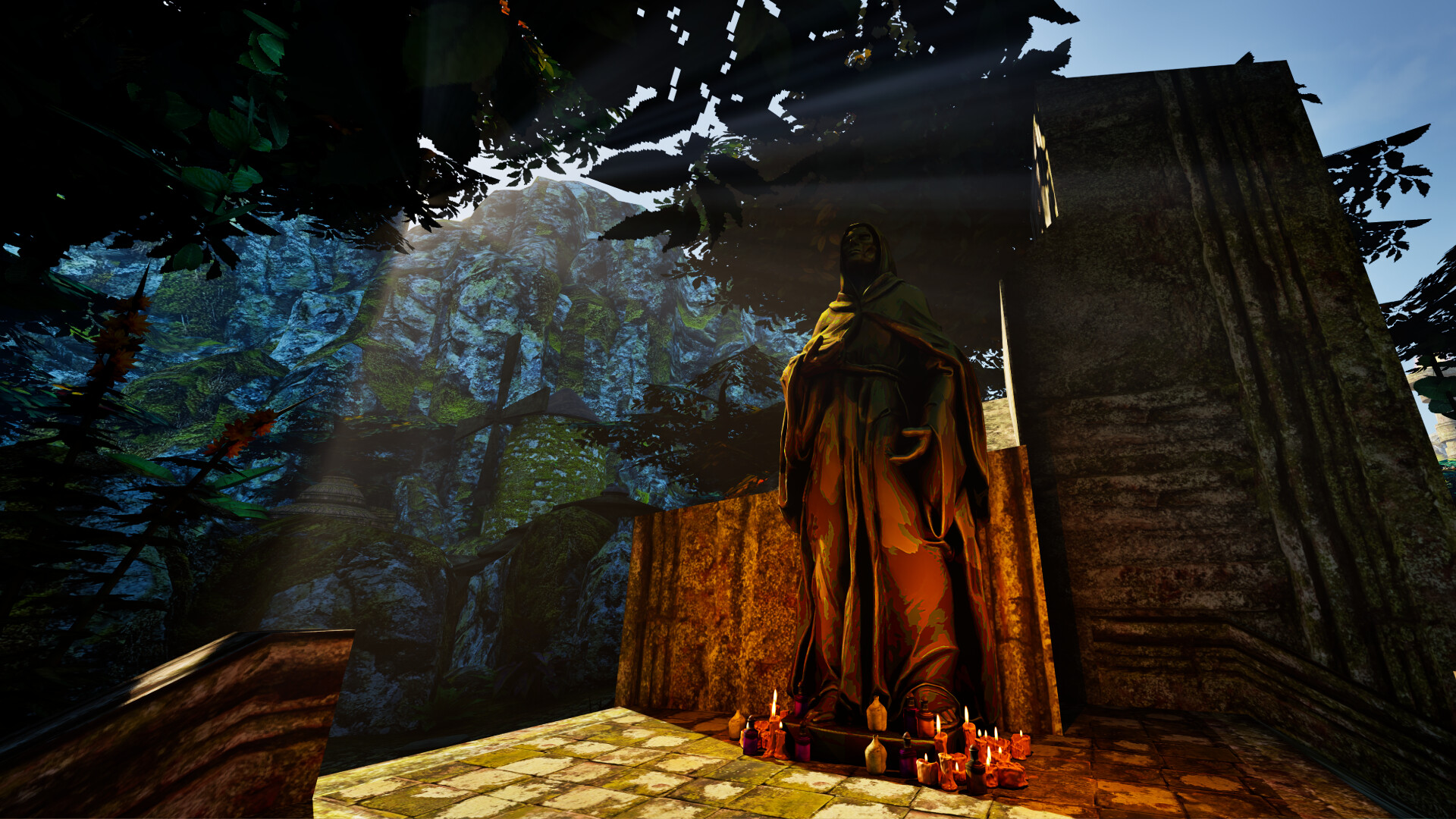
The Lantern of the Laughless Saint looks like a real buy-now case if you actively want an odd, old-school RPG that still wears its seams in public. The official launch numbers are strong enough to count, the review pool is already mature enough to be useful, and the positive reaction around exploration and mood is not hard to see.
The restraint belongs in the same paragraph. GameGuideDog has not reviewed this firsthand, and the current public story already includes crashes, hardware weirdness, multiplayer-save fixes, and hotfix churn. If you wanted proof that there is a genuine audience for this thing, that proof is here now. If you wanted proof that the build has settled down technically, that proof is not here yet.
So the sharpest call is pretty simple. Jump in now if the promise of a co-op Morrowind-like with jagged edges sounds more exciting than scary. Wait a beat if launch-day crashes, GPU drama, and same-day hotfixes are exactly the kind of Early Access friction you hate paying to beta-test through.
That still leaves this as a real story, not a pity-slot indie mention. The Lantern of the Laughless Saint has real Steam launch heat. The reason it is worth reading tonight is that the enthusiasm and the instability are both visible at the same time.
For more GameGuideDog coverage, browse our indie games section, compare another launch-week caution piece in Soul’s Remnant Steam launch analysis, revisit a cleaner cozy hit in Sort Them Ducks Steam launch analysis, or open the latest English stories.