

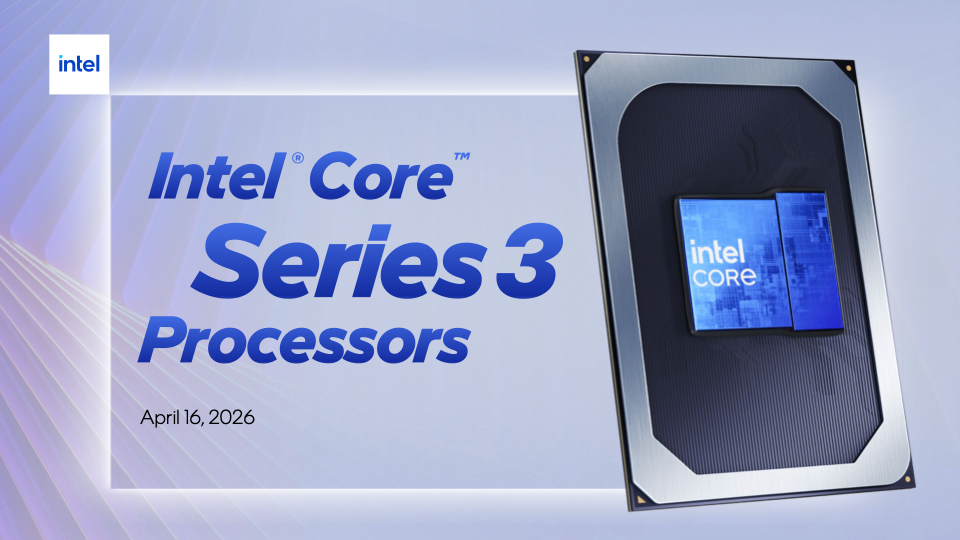
Intel has opened another laptop refresh cycle, this time at the cheaper end of the market. Core Series 3 launches today, April 16, and Intel is aiming it at value laptops, small-business systems, and essential edge devices rather than premium gaming rigs.
The pitch is easy to read. Intel says Core Series 3 brings newer AI features, better connectivity, longer battery-life framing, and a wide OEM rollout to buyers who are still sitting on older machines. The caution flag is just as easy to read: the loudest uplift numbers in this package are still Intel’s own comparisons, not independent tests from retail laptops.
What Intel is actually launching
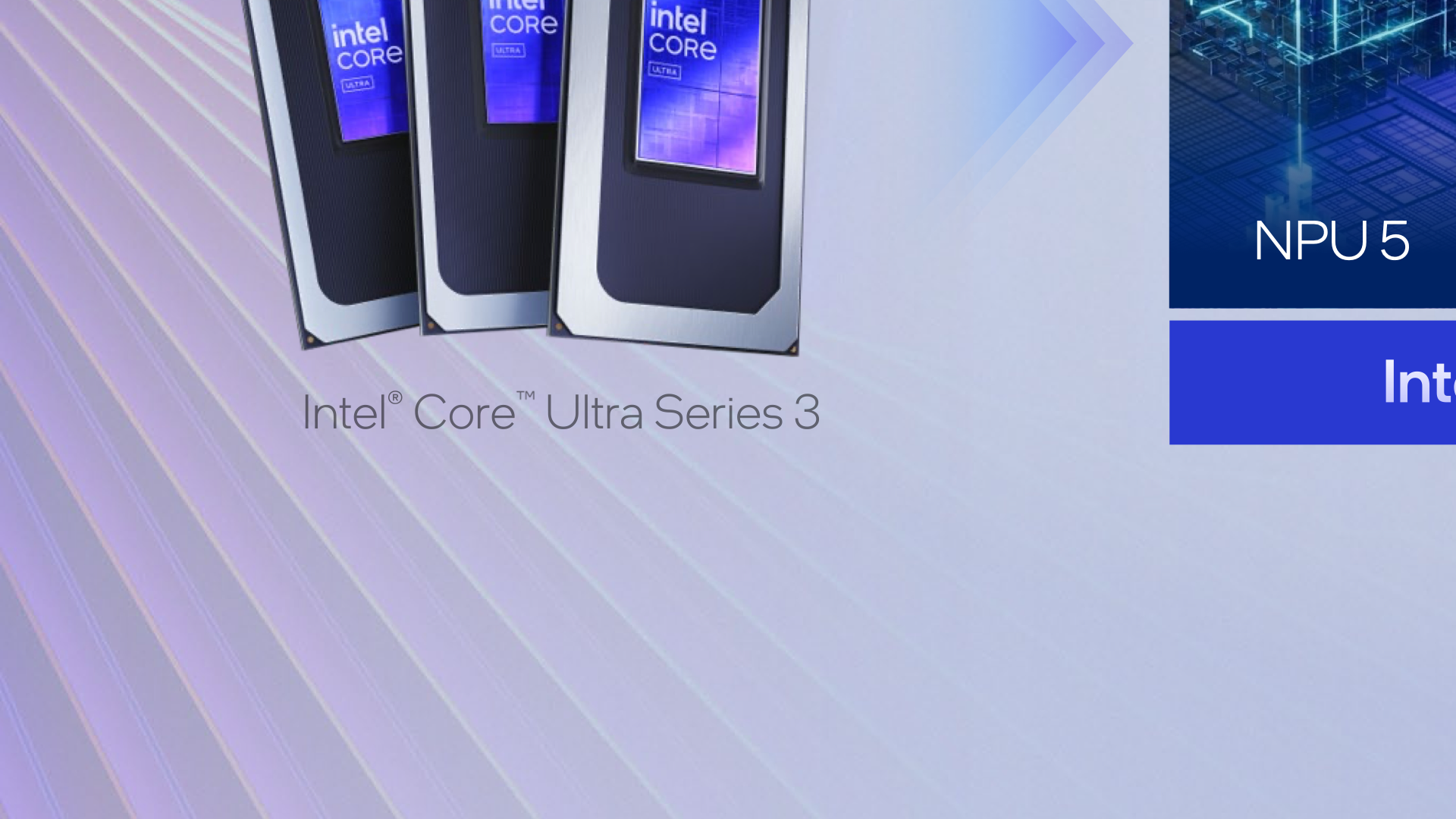
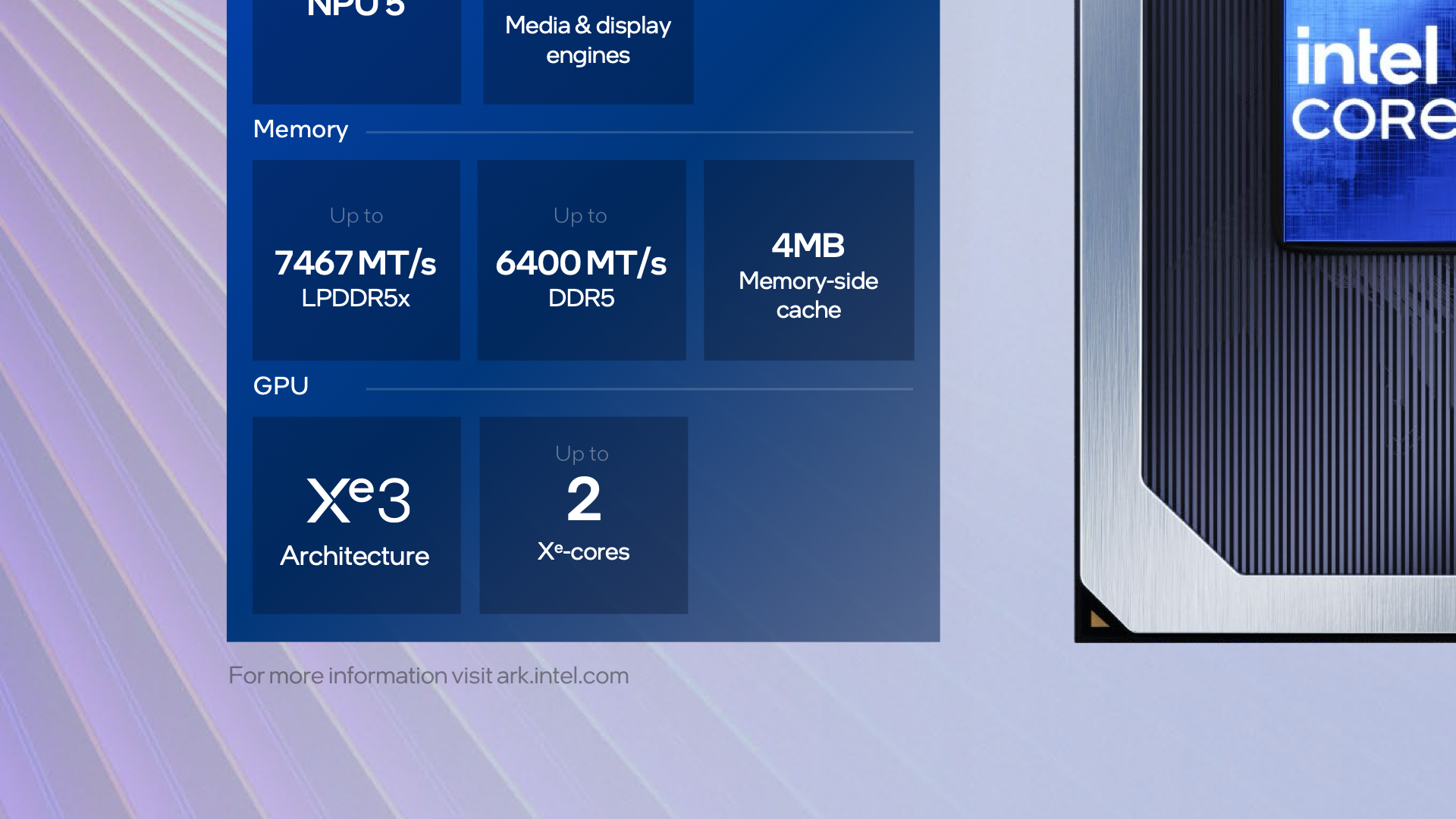
According to Intel, Core Series 3 is built on the same broader foundation as Core Ultra Series 3, with Panther Lake lineage and the company’s 18A process node behind the marketing push. Intel is also calling this its first hybrid AI-ready processor family in the standard Core tier, with up to 40 platform TOPS and support for features like Thunderbolt 4, Wi-Fi 7, and Bluetooth 6.
That matters less as a branding flex than as a buying signal. Budget and midrange laptops usually lag behind the flashy flagship launches, so a new mainstream family is the point where school, office, and everyday-buy machines start to look less stale.
Intel also says more than 70 partner designs are coming from companies including Acer, ASUS, Dell, HP, Lenovo, MSI, Samsung, and others. Some systems are listed as launching now, while others are only promised for later in Q2, Q3, or the second half of the year. That is a real launch, but not a promise that every model will be on shelves this week.
The performance story is still mostly Intel framing
Intel’s headline comparisons are aimed at people on a long upgrade cycle. The company says Core Series 3 can deliver up to 47% better single-thread performance, up to 41% better multi-thread performance, and up to 2.8x better GPU AI performance versus a five-year-old PC in its own reference set.
There is also a second comparison against older U-series parts, with Intel claiming up to 64% lower processor power and up to 2.7x AI GPU performance in the right workloads. Those numbers may end up being useful. Right now, they are still launch-deck numbers.
That distinction matters because people do not buy a processor in isolation. They buy a laptop with a specific screen, cooler, battery, SSD, RAM config, and price tag. A strong Intel slide does not tell you whether the Acer, ASUS, HP, or Lenovo version will be the one worth buying.
Why this launch still matters for buyers
Even with those limits, this is a real hardware story. Core Series 3 is Intel telling the market that its next big budget-laptop wave starts now, with consumer and commercial systems shipping through the rest of 2026 and edge hardware following from Q2.
If you are shopping for a basic laptop for school, office work, or a low-drama home machine, that is the useful takeaway. The smart move may be to wait a beat and see which of those 70-plus systems show up with sane pricing and decent battery life instead of buying an older design this week out of habit.
The honest PatchPoint read is narrow. Intel has launched a meaningful new value-tier mobile family, but it has not finished the buying argument yet. The next checkpoint is not another Intel slide. It is the first wave of actual laptops, real regional pricing, and independent reviews.
For more GameGuideDog coverage after this one, browse the hardware section, check the latest English stories, revisit our earlier Intel Core Ultra 200HX Plus launch report, or read our recent AMD Adrenalin 26.3.1 coverage.