
How to Fish is past the point where it can be dismissed as one more cheap Steam novelty. Our Friday, August 21, 2026 refresh turned it into a real breakout story: the official Steam current-player endpoint returned 36,888 players in-game around 11:18 AM America/New_York and 2026-08-21 15:18 UTC, while Steam’s official review summary sat at 1,854 total user reviews, split 1,778 positive and 76 negative for an Overwhelmingly Positive result.
That is enough for a real buyer snapshot. It is not enough to flatten the story into “instant classic” sludge.
The breakout is obvious, and the price is part of the reason
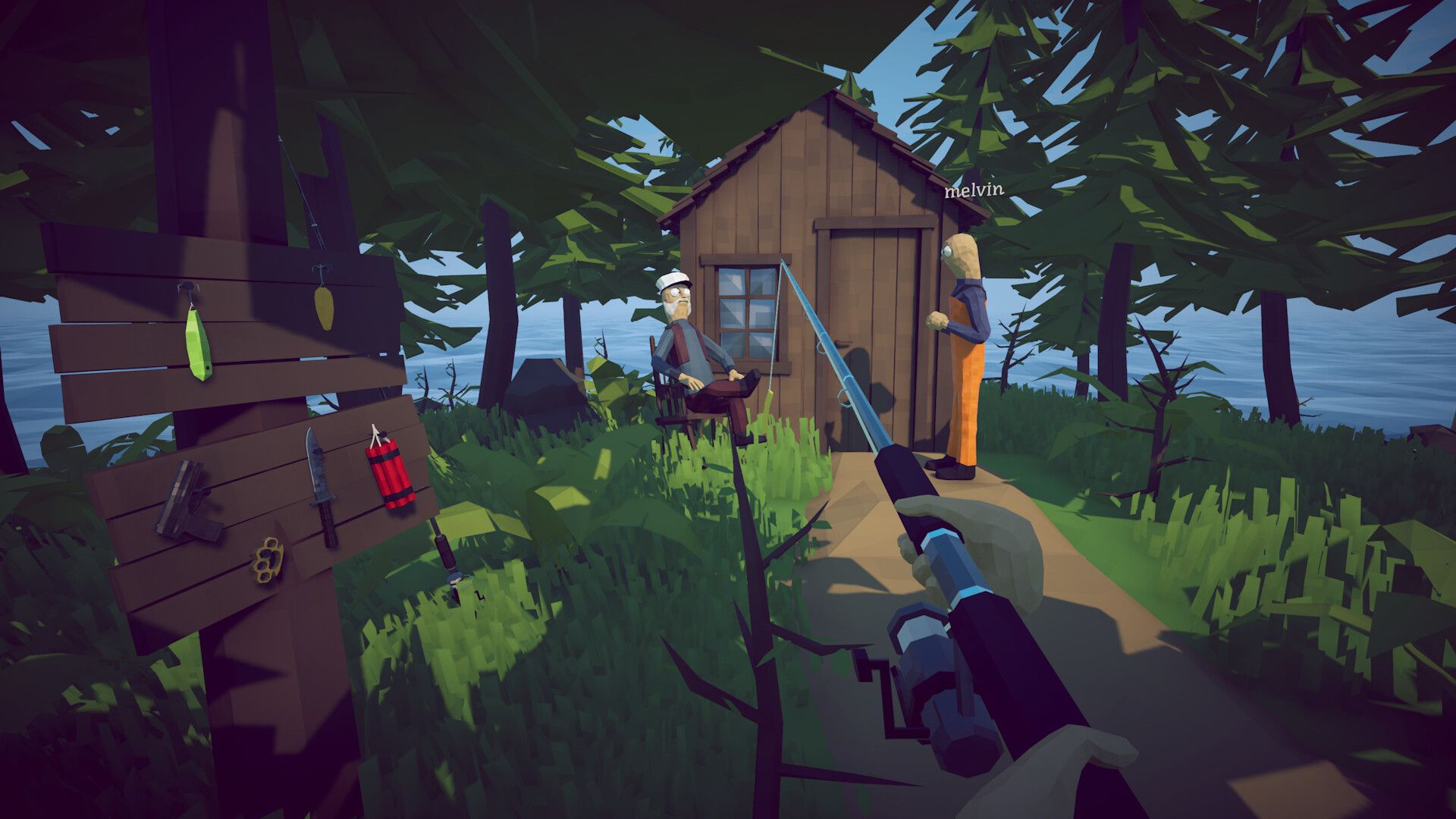
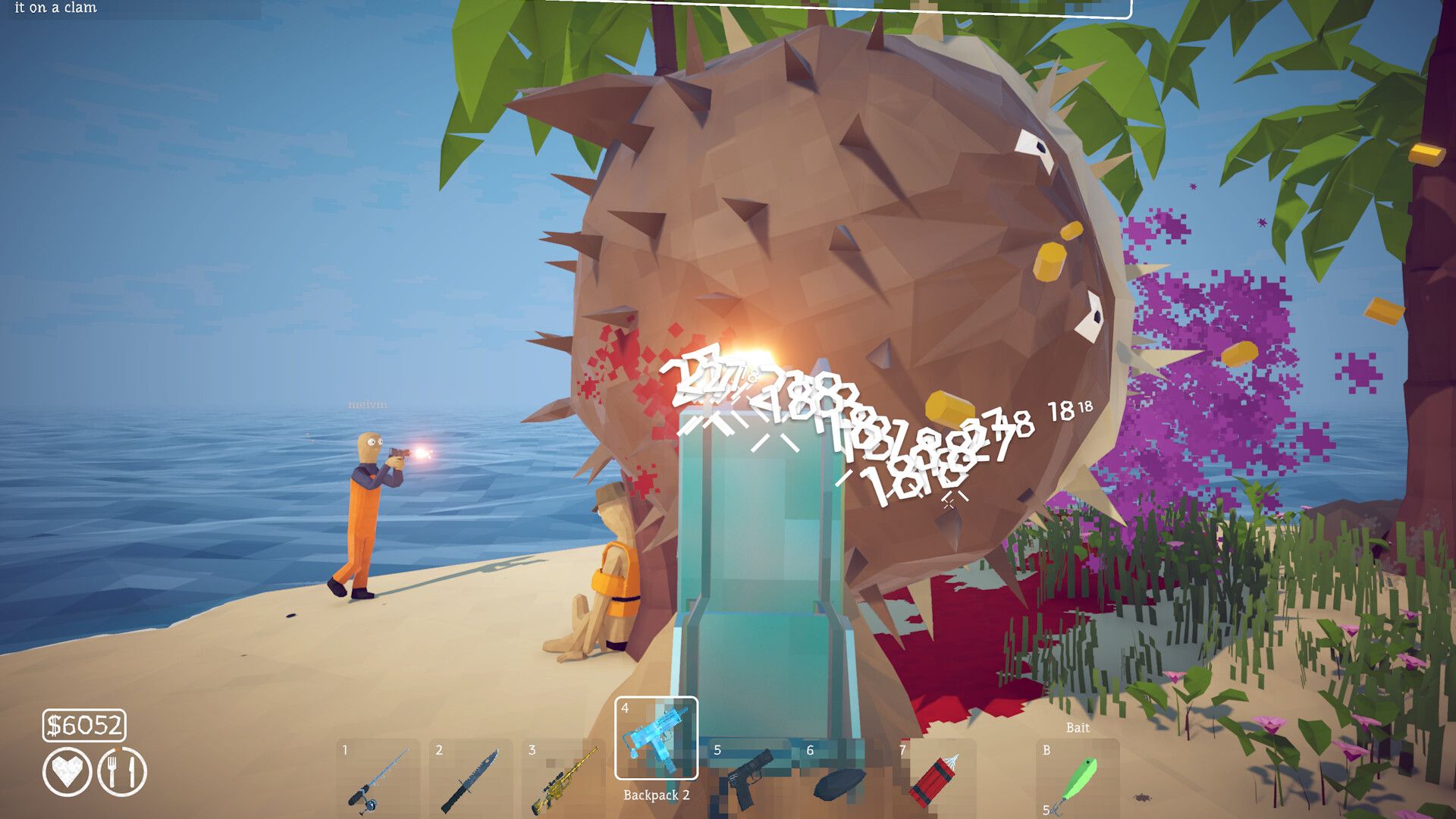
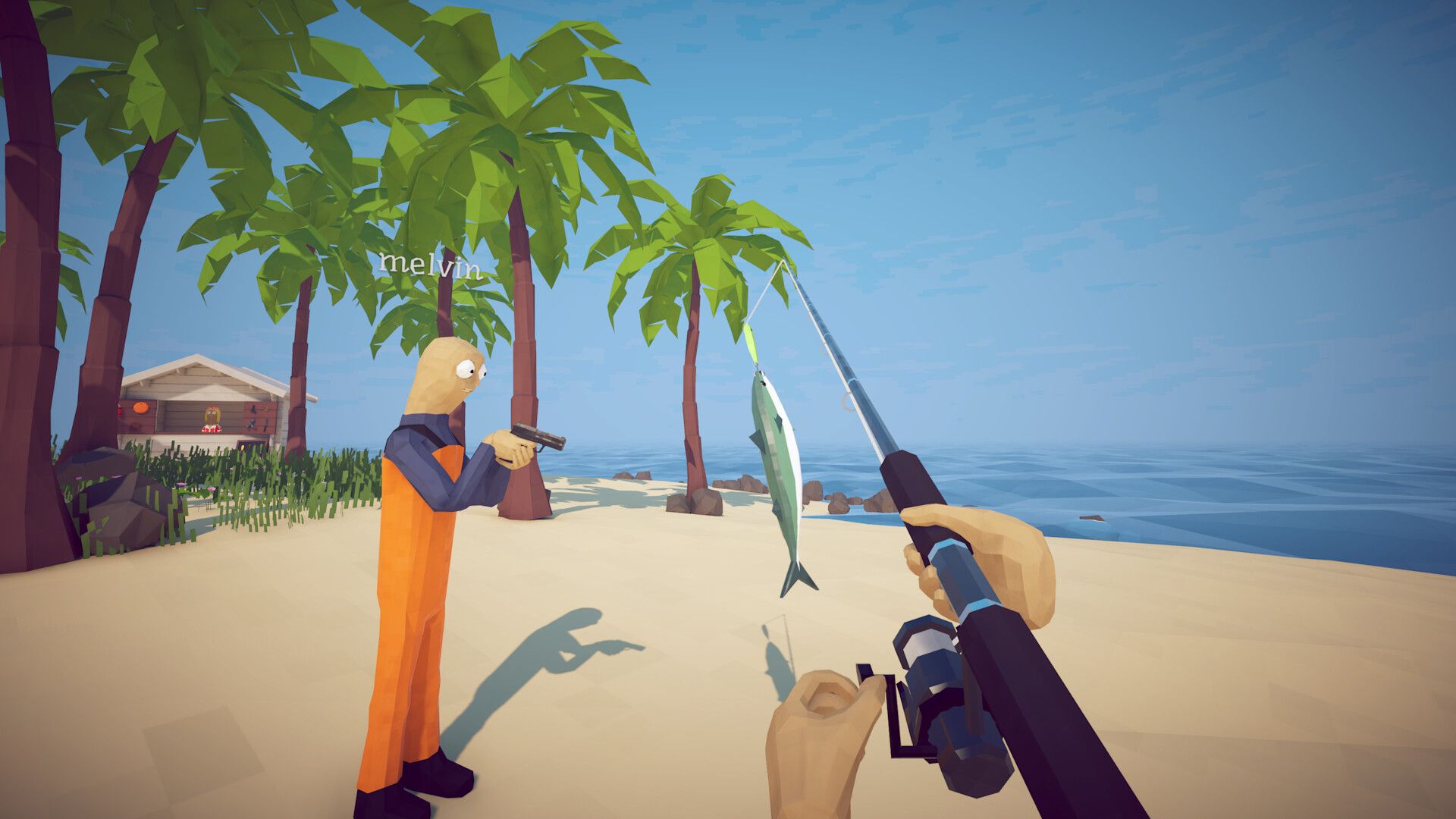
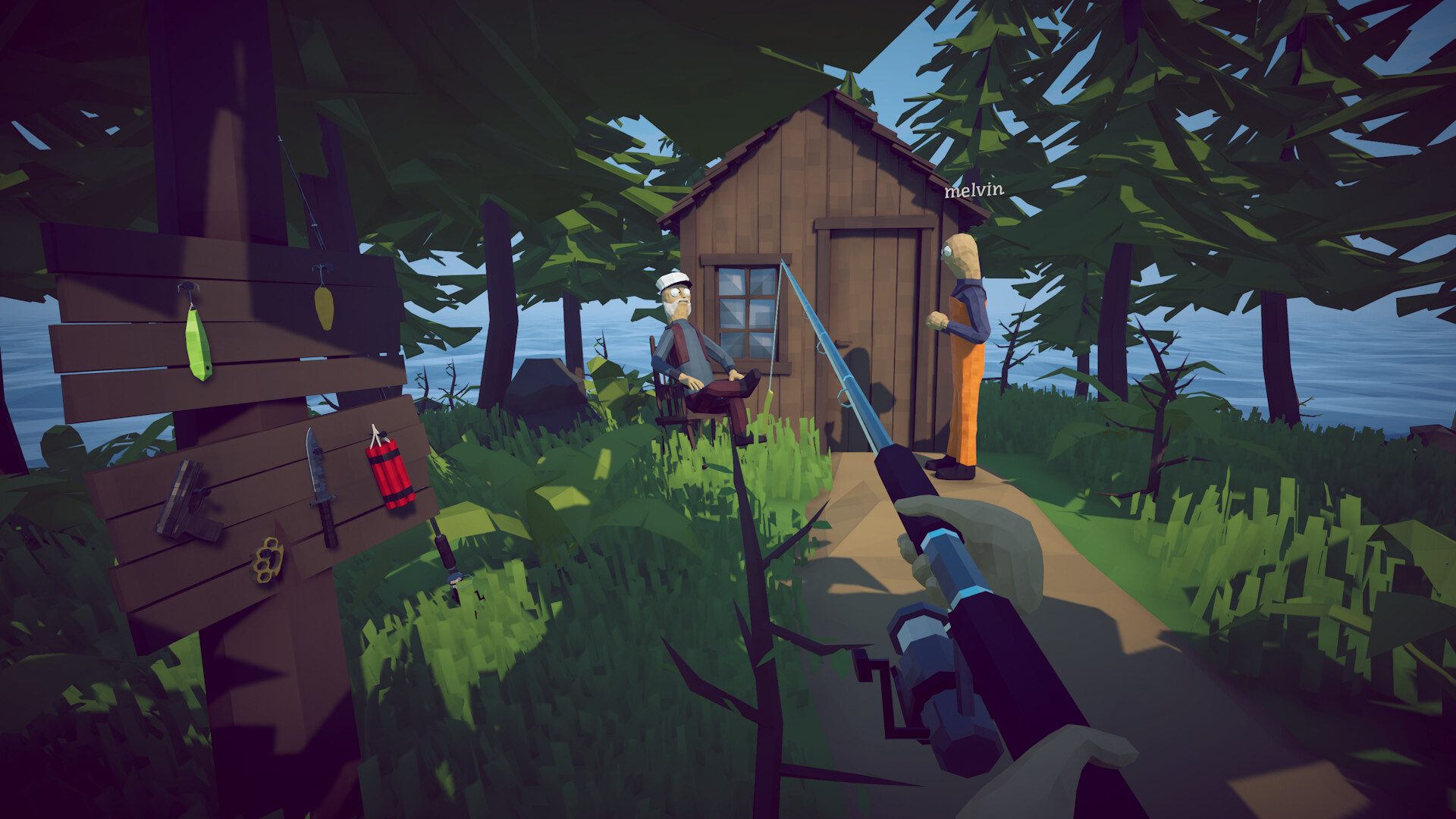
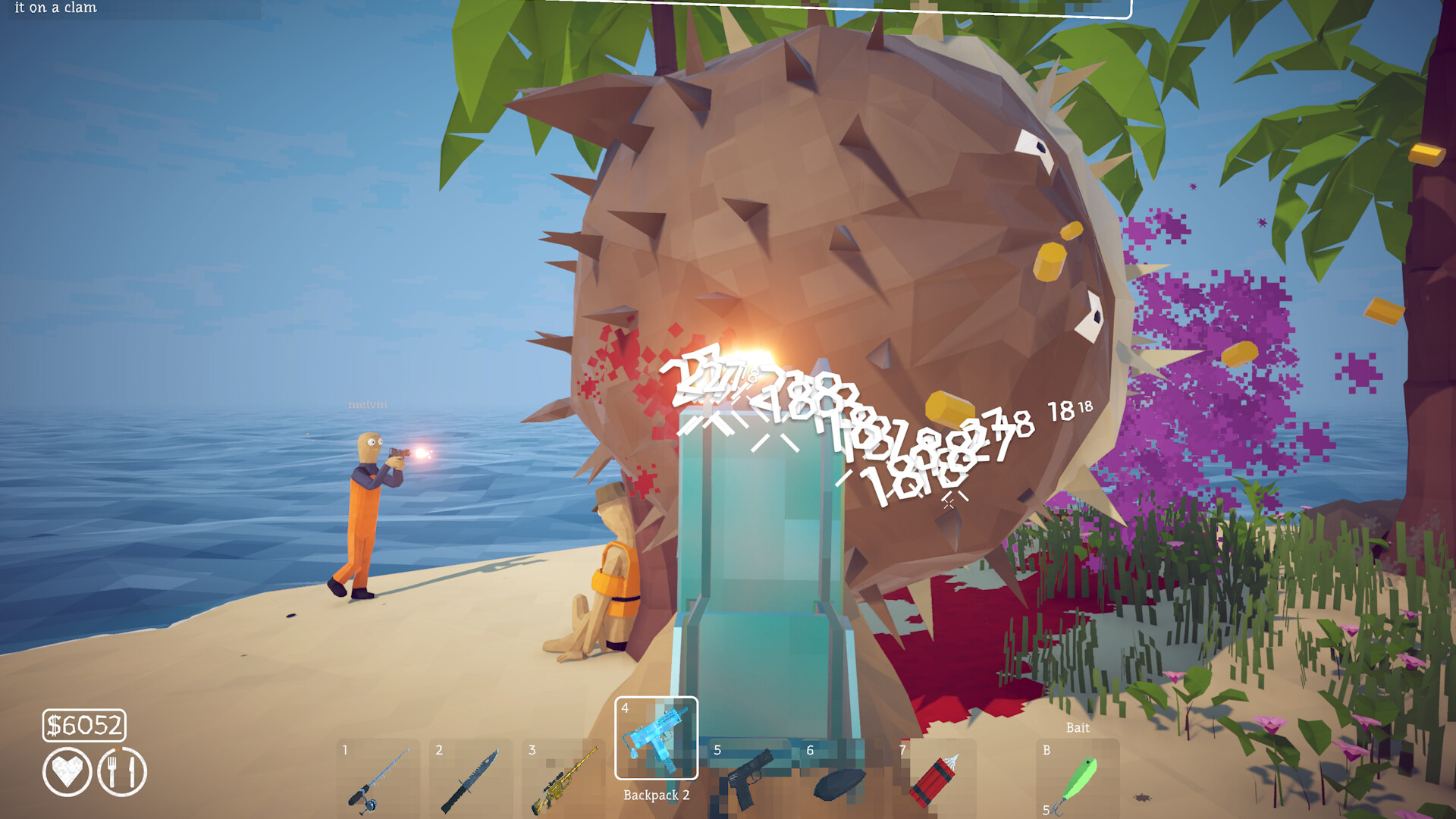
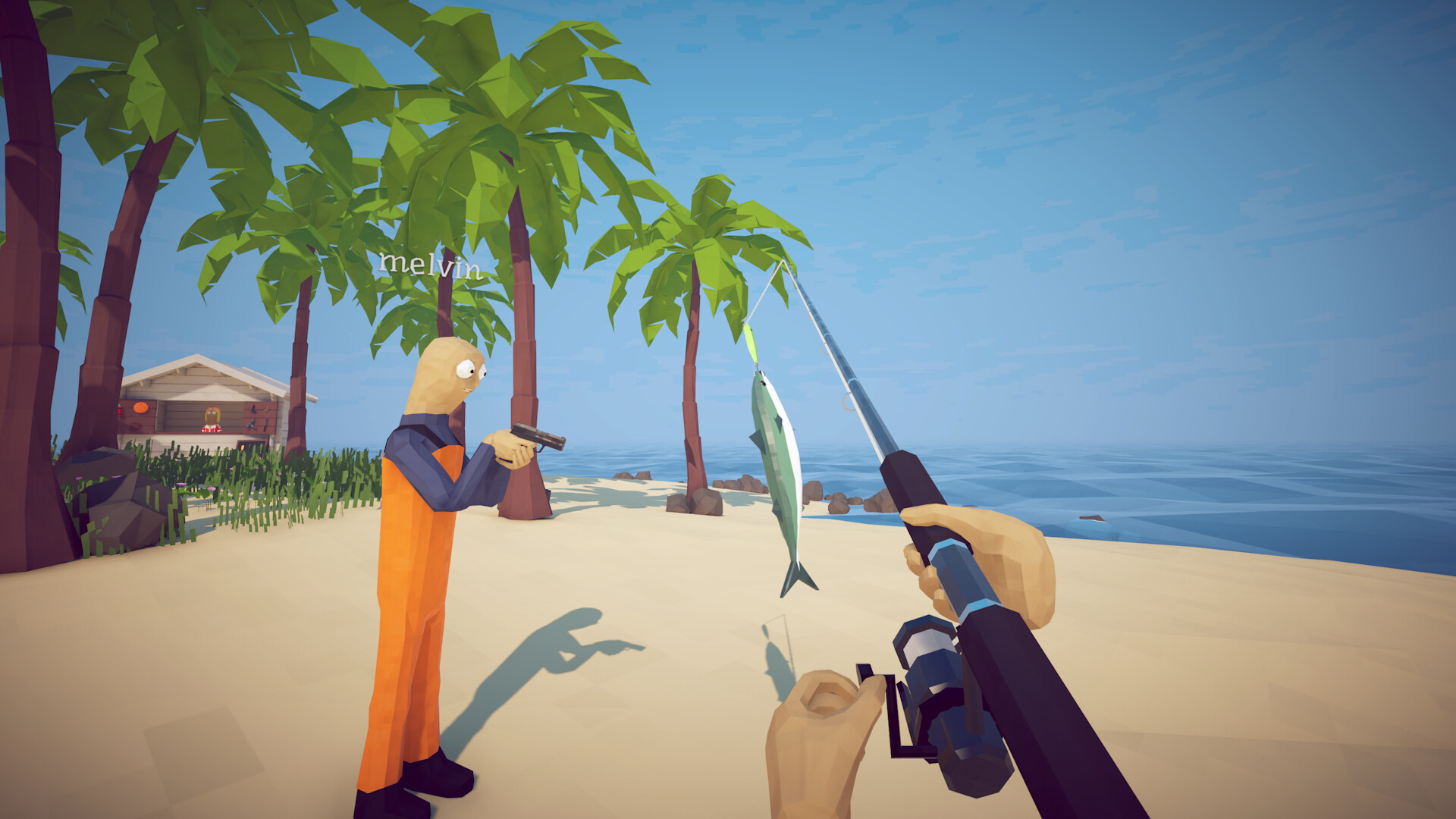
The easiest thing to understand here is why the game caught so quickly. How to Fish launched on Steam on August 20, 2026 with a base price of $7.99 and a launch discount down to $4.95 USD. For that money, Steam is selling a 1-to-4-player co-op game that starts with drunken boating, immediately crashes into island survival nonsense, and then turns fishing into a loop built around guns, bosses, quests, trick shots, and fish-based gambling.
That is a ridiculous pitch, but it is also a very readable one. Players do not need a long onboarding paragraph to know whether the joke works for them. At five dollars, a lot of people were clearly willing to find out.
Steam’s metadata also gives the package a little more weight than a throwaway meme hit. The game launched with full controller support, online co-op, achievements, Family Sharing, and broad language support including English and Polish. Steam appdetails still showed 1,622 recommendations at the Friday refresh, which helps explain why the public picture moved from “small oddity” to “real storefront event” so fast.
The positive case is real, but the review texture is not settled
This is where the story gets more useful. The headline signal is strong, but the detailed reaction still needs a filter.
Steam’s recent English review sample remained Overwhelmingly Positive at 1,068 total reviews, with 1,024 positive and 44 negative. The repeated praise is easy to map: players keep describing the game as funny, chaotic, and much better with friends. The co-op slapstick is the hook. The fact that you can fish, shoot, gamble, and get wrecked by birds or bosses inside the same session is the joke they are buying into.
The caution layer is narrower, but it is not fake. Some reviews already point to launch-start friction, including one visible complaint about the game not starting cleanly until the files were validated through Steam. Others mention boss frustration, rougher pacing once the first hours pass, or the feeling that the game may need more updates and more to do if it wants to hold players after the first wave of laughter.
That distinction matters. The review pool is big enough to confirm real momentum. It is still too chaotic, too short-form, and too launch-hot to prove long-term depth.
The honest buyer answer depends on what you want from it
If what you want is a low-cost co-op game to throw on with friends this weekend, the evidence is strong. The game is cheap, the public momentum is not subtle, and the first Steam read says the joke is landing with actual players instead of just getting passed around in clips.
If what you want is proof that How to Fish has the legs of a long-term co-op staple, the packet does not give you that yet. The current-player number is impressive, but it is still a launch-week snapshot. The review score is impressive, but a lot of the actual review language is still meme-text, quick approval, or first-session enthusiasm. Even the useful negative notes are mostly early friction notes, not mature endgame verdicts.
That does not weaken the story. It just keeps the recommendation honest. This is a very strong cheap-buy curiosity. It is not yet a proven forever game.
The honest Friday call
How to Fish looks like a real Steam breakout, not an inflated press-cycle blip. The player count is too high, the review total is too large, and the price-to-curiosity ratio is too obvious to wave away.
The useful restraint is simple. Do not turn that breakout into a fake verdict about longevity, polish, or sales. What Friday’s official Steam picture actually supports is narrower and better: How to Fish has enough traction to matter right now, enough early approval to justify attention, and enough open questions about staying power that the smartest read is still buyer-first rather than victory-lap first.
For more GameGuideDog coverage, browse our reviews section, compare another launch-week buyer read in Brigador Killers Early Access buyer snapshot, revisit a broader access-value angle in Fantasy Life i mobile cross-save analysis, or open the latest English stories.