


Hell Wait launched on Steam on November 9 with a useful way to answer its biggest buying question: a demo. Mondbekker’s riichi-mahjong roguelike asks you to build scoring combinations while changing the tiles and rules around them. If mahjong is unfamiliar, trying the table matters more than recognizing the games in its inspiration list.
The paid release adds a substantial advertised selection beyond that sample. Early player accounts also flag menu and handheld-control friction. Together, those make a better buying guide than treating a handful of positive launch reviews as proof of a finished classic. This is reported buyer analysis, not a hands-on review; we have not played Hell Wait or tested its performance.
What the full game adds
In the launch announcement, Mondbekker lists 151 Jokers, 20 decks, 17 challenges and all difficulties, plus more pacts, choices and bosses than the demo. Those are the developer’s content counts, not our inventory audit. They establish the intended scope of the purchase, not how long it stays interesting.
The premise combines an escalating score target with a threat to your fingers. Joker tiles alter scoring, drawing and other rules; materials, stickers and dora modify tiles, while Blessings upgrade scoring patterns called yaku. Dark Pacts provide another route to changing your tiles. That gives prospective buyers concrete systems to look for instead of relying on the label “mahjong Balatro.”
Mondbekker names Balatro, Inscryption and Buckshot Roulette as inspirations. That explains the mixture of score-building and bodily stakes, but it is not evidence that Hell Wait matches any of them in balance, pacing or depth. The buying question is simpler: do you enjoy mahjong decisions when upgrades keep changing their value?
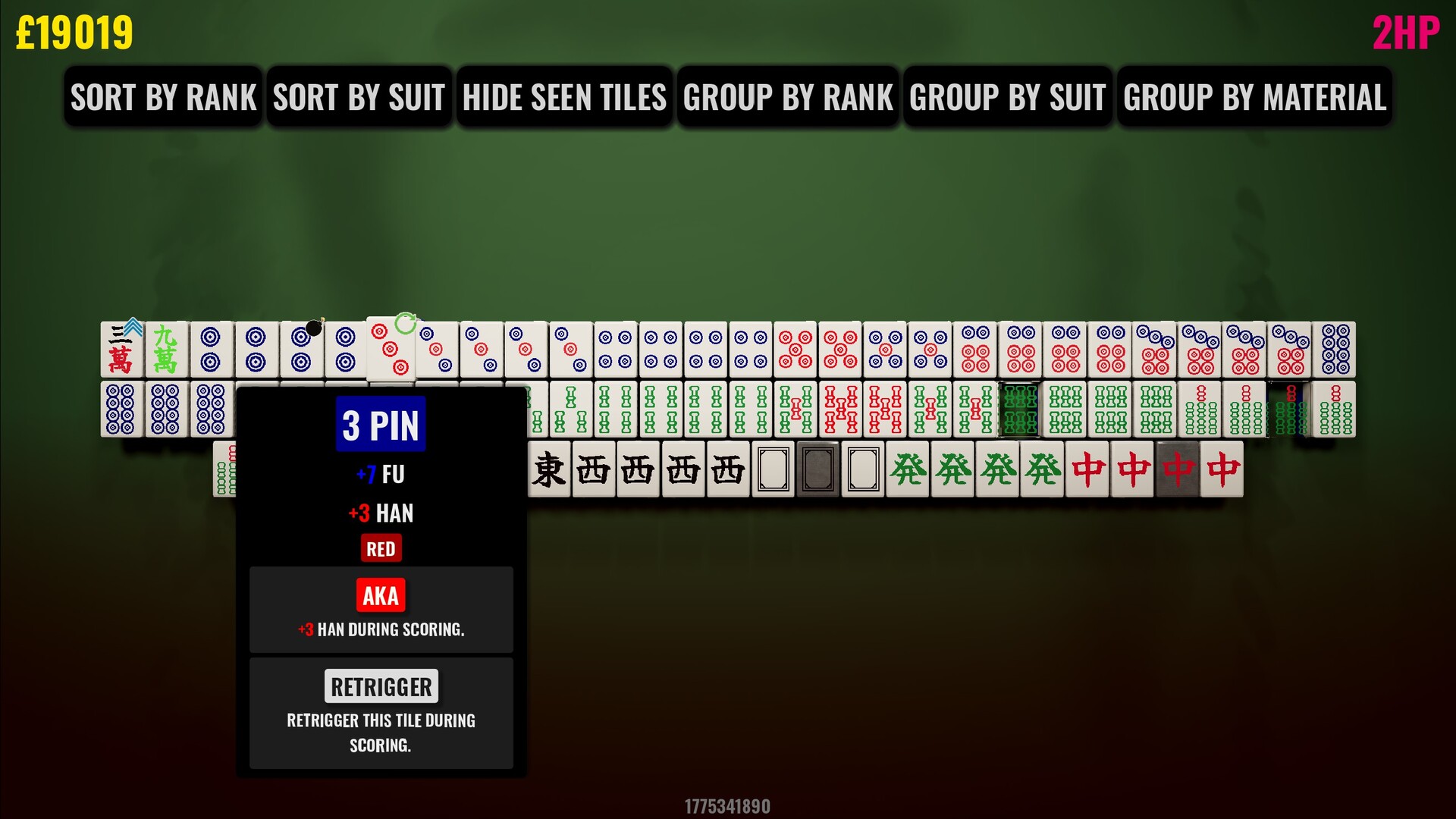
Mondbekker. Developer-supplied prerelease screenshot; version unspecified and final interface may differ. Illustrates tile modification, not verified launch balance.
A tutorial promise worth testing yourself
The official description says no prior mahjong knowledge is required, points to a tutorial and makes furiten an optional difficulty modifier. These are accessibility claims about the design, not a guarantee that every newcomer will find the rules easy.
One early Steam reviewer, wattstep, says learning took a few minutes despite having no previous mahjong experience. Their displayed playtime was only 0.4 hours when checked. It is a useful novice account, but far too short to settle how clearly later combinations or harder situations are explained.
The demo has a practical job: let you judge whether drawing, discarding and reading the scoring information feel appealing before paying for more combinations. Demo-save transfer has not been verified. Treat the sample as a way to assess your interest, not a promised head start in the paid version.
Check navigation before committing to handheld play
At our November 9 check around 22:16 UTC, Steam listed partial controller support and Valve’s Steam Deck status as Unknown. Neither label establishes tested performance on your device.
Reviewer laminaga reports enjoying the game on Deck, but says reading shop descriptions requires uncomfortable right-stick use. Pyreaus likes the presentation and music while criticizing awkward exits from certain menus and asking for balance improvements. Both recommend the game; that does not erase their specific reservations.
These are individual, short-session accounts from a small, nonrandom launch-day sample, not measured defect rates or a broad verdict. A positive handheld report also does not override Valve’s Unknown classification. If a controller is your main input, checking how comfortably you can inspect tiles and move through menus is a sensible first step.
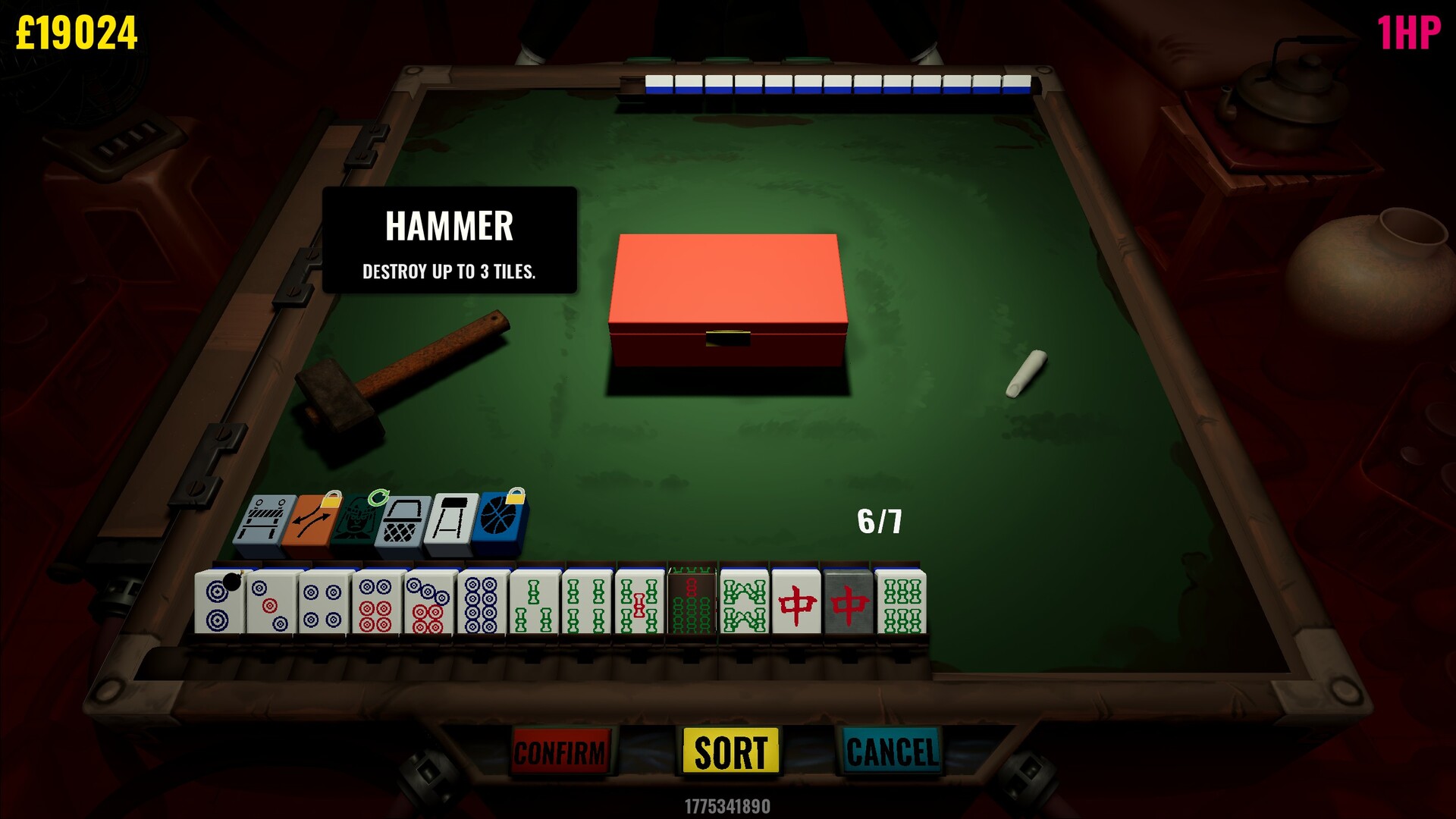
Mondbekker. Developer-supplied prerelease screenshot; version unspecified and final interface may differ. Shown for run-modification context, not current numeric effects.
The sensible entry point is already available
The U.S. Steam base game was $12.74 instead of $14.99 at that check, with the introductory offer ending November 16. Regional prices differ. The retained demo makes the discount a secondary consideration: first establish whether the underlying table is something you want to return to.
Buy for the advertised mahjong-and-upgrade structure if that sample convinces you. Wait if you need proven controller comfort or longer-session evidence of balance. As in our DREADMOOR buyer analysis, separate what is described from what has actually been tested. More PC gaming coverage is available without turning a launch-day recommendation into a full review.