

Hearth and Hamlet did not get a quiet little cozy-game launch. It already has the kind of same-day public signal that forces a more useful buyer question. When we rechecked the official sources on Wednesday, August 19, 2026 around 5:20 PM America/New_York, Steam still had the game live at $7.19 with its launch discount, the official review summary sat at 85 total user reviews with a Very Positive label, and the official current-player endpoint returned 6,753 players in game.
That is real day-one heat for a small release.
It is not a reason to flatten the story into “the next cozy giant.” The cleaner read is sharper than that: Hearth and Hamlet looks like a strong launch if you want an incremental kingdom-builder, and less so if you came looking for a deeper freeform city-planning sandbox.
The launch matters because the signal is attached to usage, not just a cute pitch
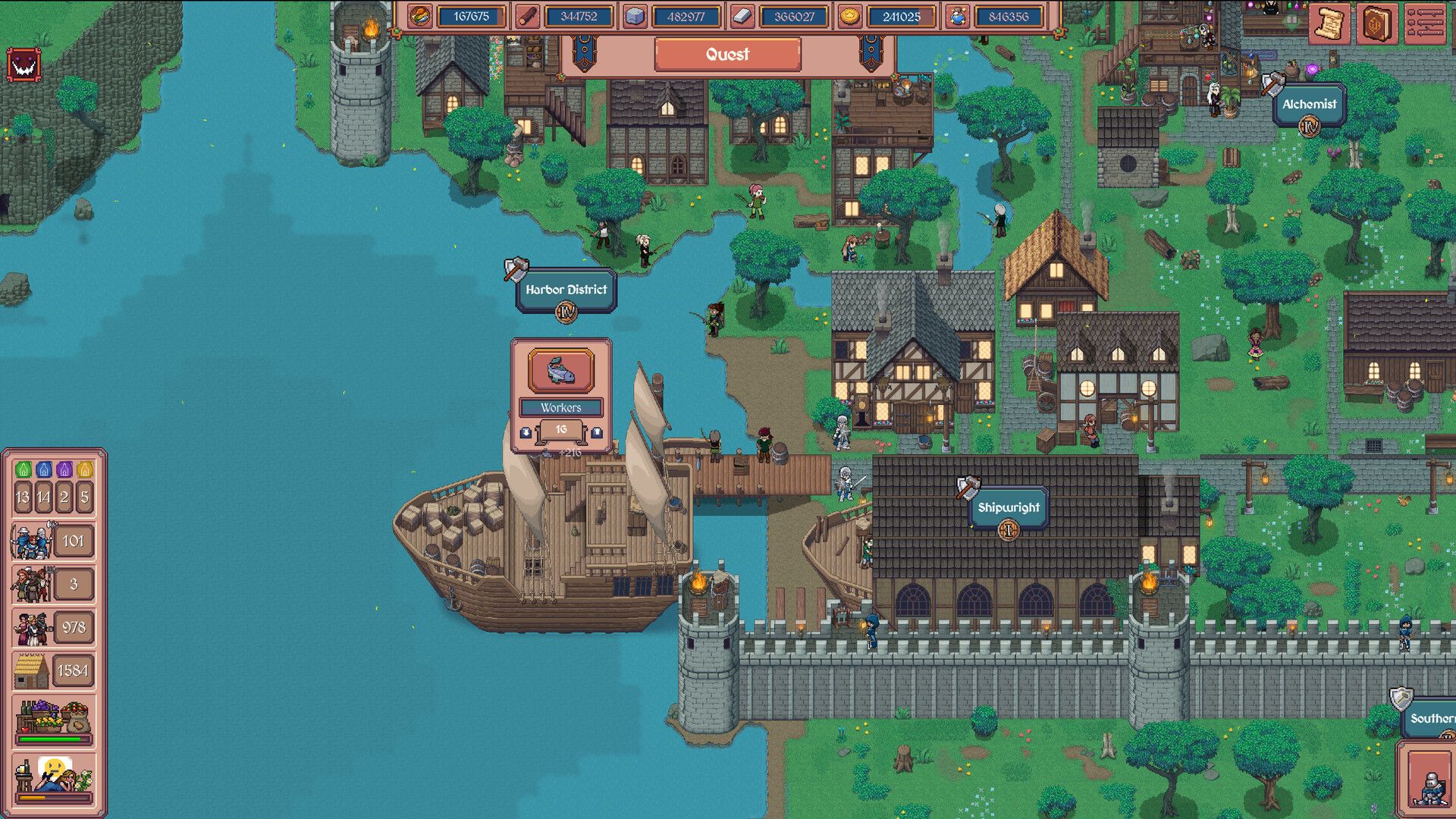
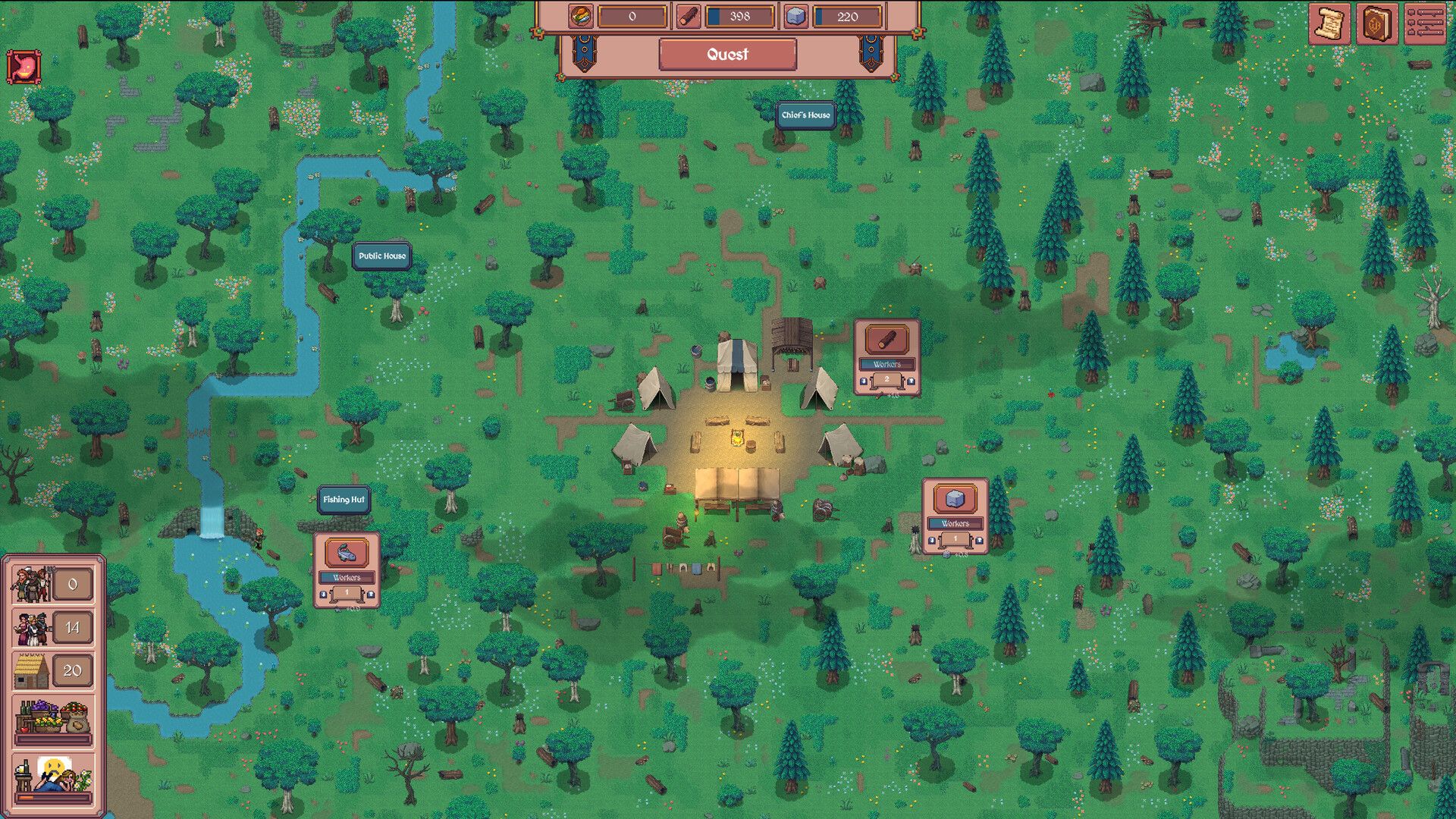
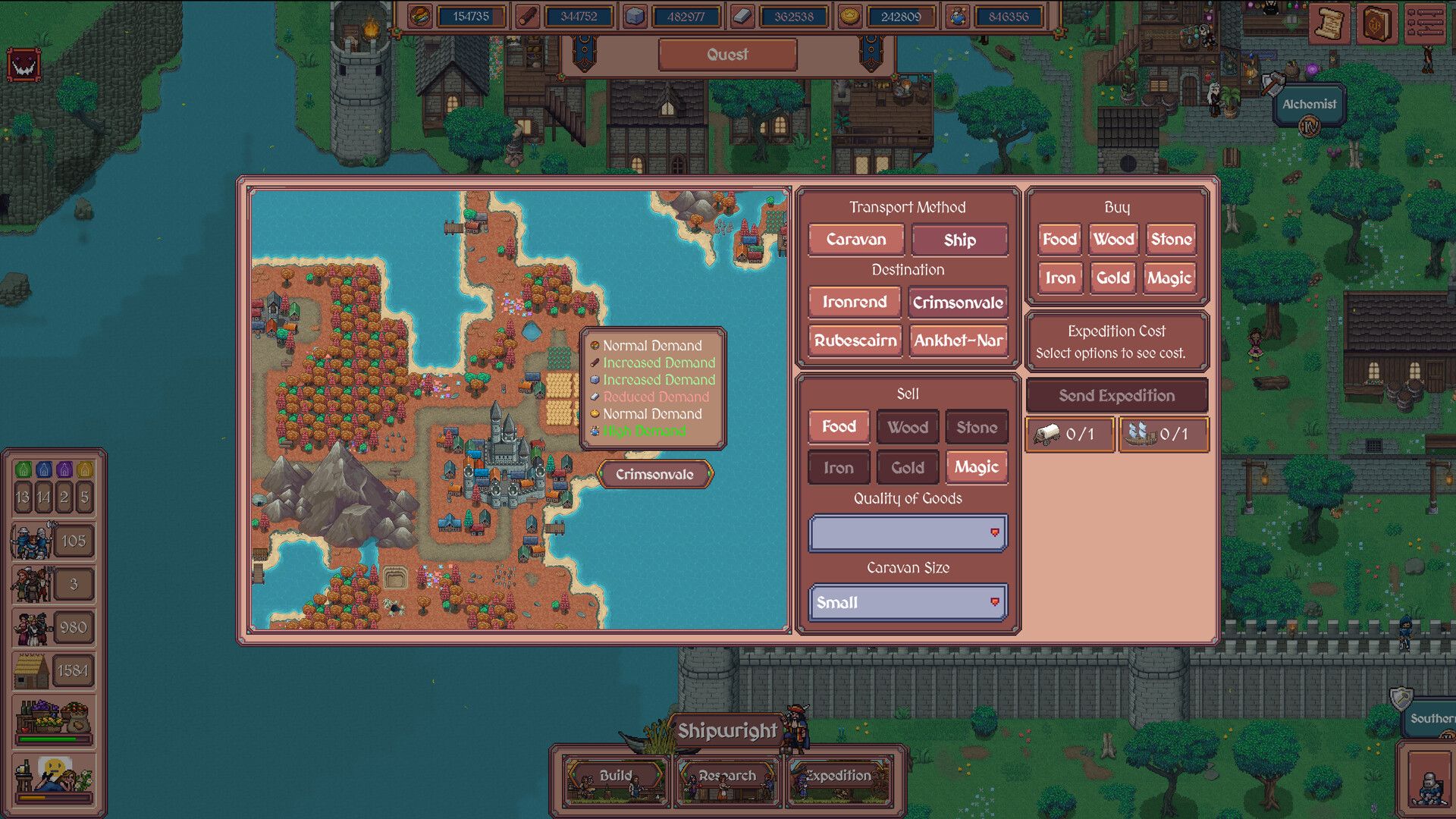
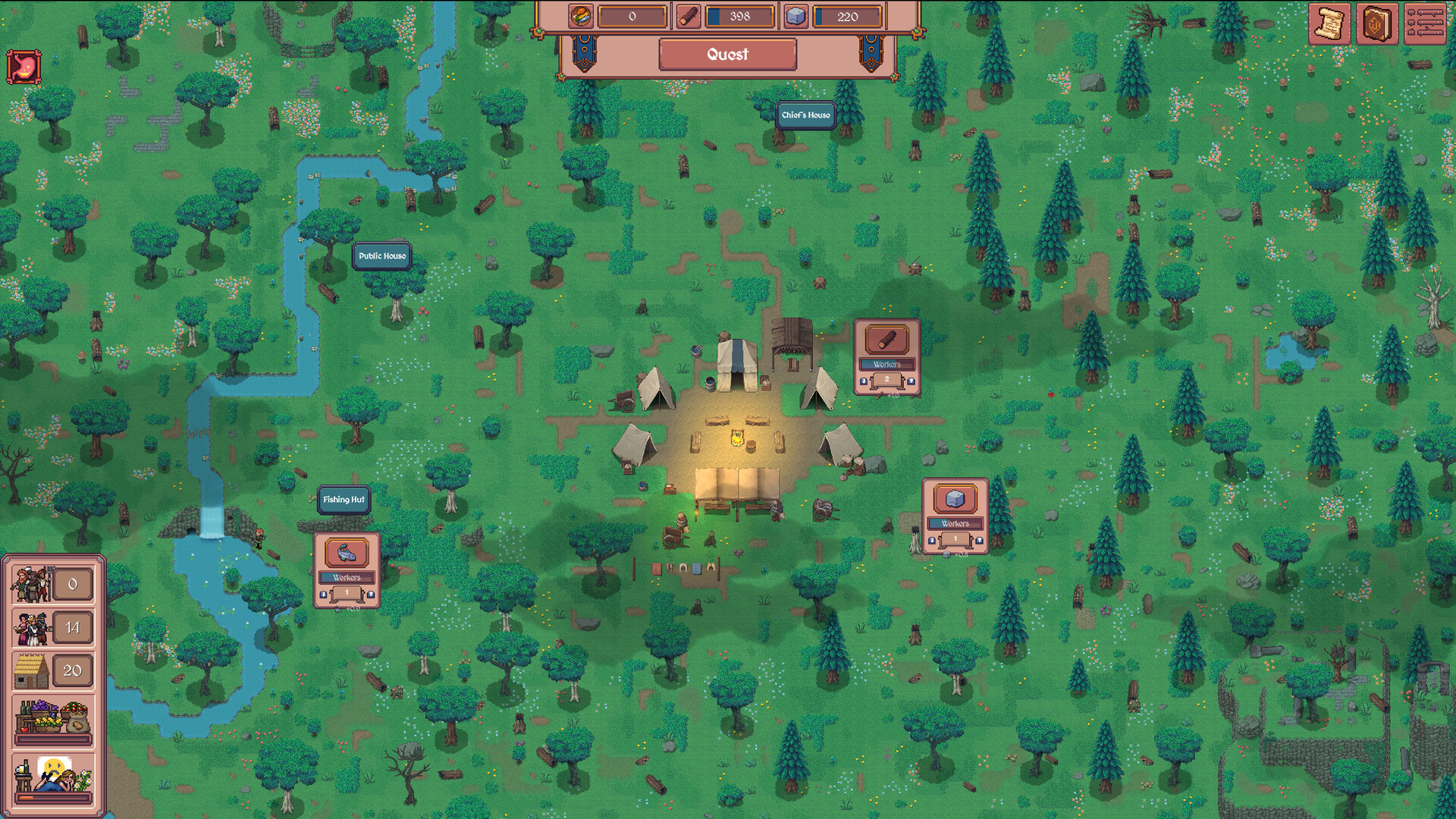
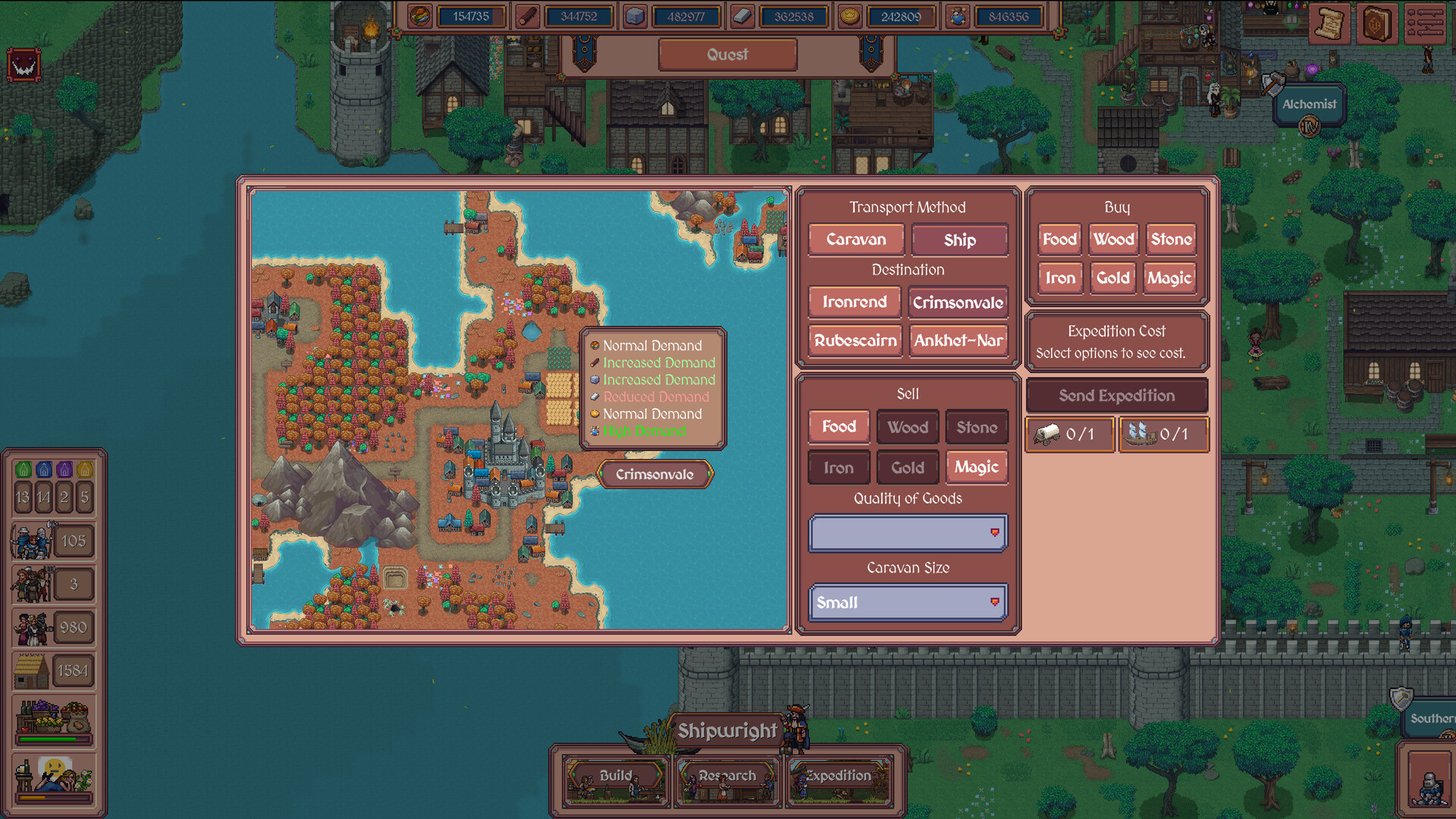
The store pitch is easy to understand. Hearth and Hamlet is selling a pixel-art medieval settlement game where you assign workers, gather resources, pass laws, unlock research, trade with other lands, and gradually push a campfire into a kingdom.
That description alone would not justify a publish slot.
What makes the story worth running is that the audience showed up immediately. A launch-day current-player count of 6,753 is not background noise for a low-price indie builder, and 85 public Steam reviews is already enough to move past the “too early to say anything” excuse. The price matters too. At $7.19 in the U.S. during drafting, buyers are not being asked to gamble on some premium-scale management sim. They are being asked whether this specific lane looks worth a cheap, relaxing timesink.
That is a much easier purchase question to answer honestly.
The strongest caution is also the simplest one: this looks idler-first
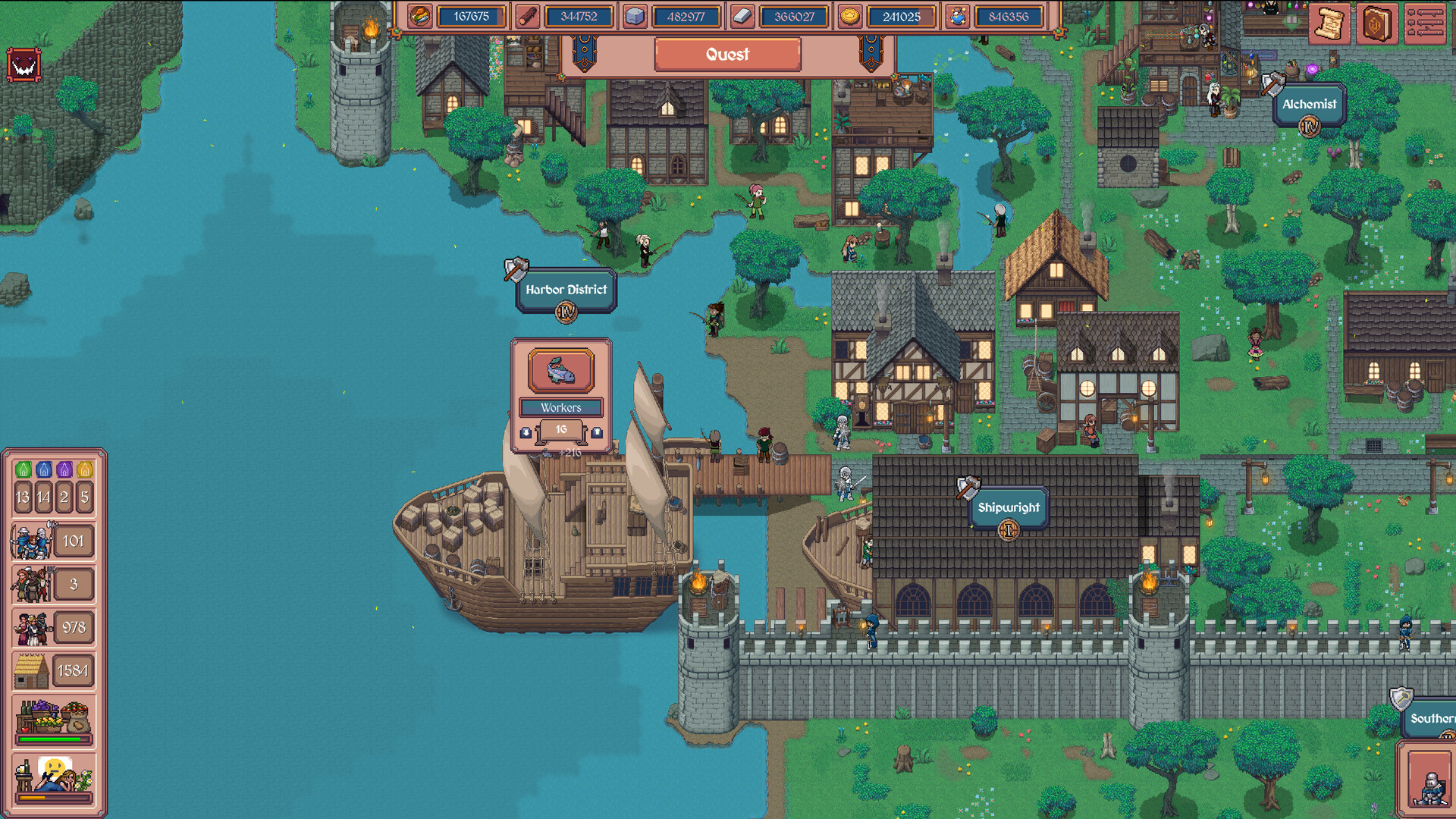
The most useful line in the intake packet is not about the review score. It is the repeated reminder that Hearth and Hamlet reads more like an incremental clicker / idler with city-building dressing than a layout-heavy sandbox.
That is not a cheap shot. It is buyer framing.
The official Steam materials keep leaning on progression, upgrades, workers, policies, and steady long-tail growth. Recent public review themes in the packet back that up. Players keep praising the chill pace, the low-pressure loop, the music, and the way the game can keep humming in the background while you manage upgrades and expansion.
If that sounds like your lane, the launch signal looks good.
If you wanted something closer to a dense city-planning toybox where placement freedom and simulation depth are the main event, this package may feel thinner than the screenshots first suggest. The article does not need fake balance here. The game appears to be doing what it set out to do. Buyers just need to know what that actually is.
The positive reaction looks real, but it is still an early launch window
The current Steam label is not empty fluff. Very Positive across 85 reviews is useful for a fresh release, especially one at this price point. The packet’s recent English sample also keeps circling the same strengths: cozy presentation, satisfying resource progression, demo-to-full-game continuity, and a sense that the game understands its niche.
That does not make the launch settled.
The packet also includes a couple of restraint flags worth keeping attached to every flattering stat. Some reviews disclose free copies. The Steam Deck language is not clean enough for a broad recommendation. One review says it runs perfectly on Deck, another reports repeated crashes, and the packet does not establish an official Deck Verified label. That is exactly the kind of small but practical caveat that matters more than fake consensus language.
This is why the right headline is launch signal, not breakout coronation. The audience and review tone are good enough to matter. They are not yet broad enough to turn into a genre-wide victory speech.
The honest buyer call is narrow and useful
Hearth and Hamlet looks like one of the stronger same-day indie Steam signals from August 19, 2026. The price is easy to stomach, the launch traffic is real, and the review label gives buyers more than blind optimism to work with.
The catch is that the fantasy here is specific.
Buy it if you want a cozy incremental kingdom-builder that seems happy to let numbers climb, workers churn, and upgrades unfold at a relaxed pace. Wait if what you really want is a deeper city-layout sandbox or if Steam Deck reliability is part of the purchase decision and you are not willing to improvise around mixed anecdotal reports.
That version is less dramatic than hype-copy, but it is more useful. Hearth and Hamlet already looks like a real Steam launch success for its scale. The clean buyer read just starts with what kind of game it actually is.
For more GameGuideDog coverage, browse our indie games section, compare another launch-week buyer read in Stackmon buyer analysis, revisit a slightly bigger comeback angle in Darkest Dungeon Fires Edge buyer analysis, or open the latest English stories.