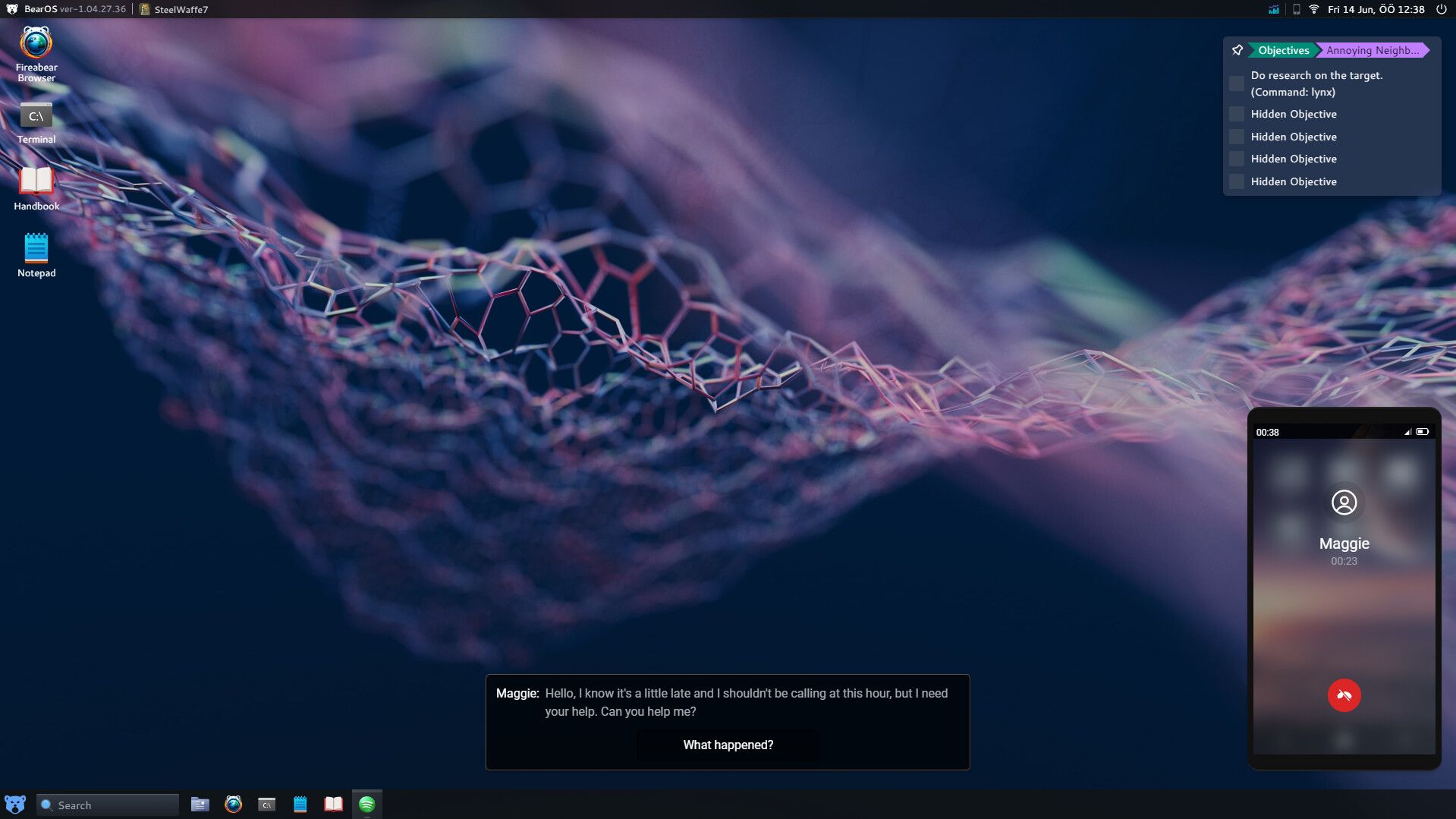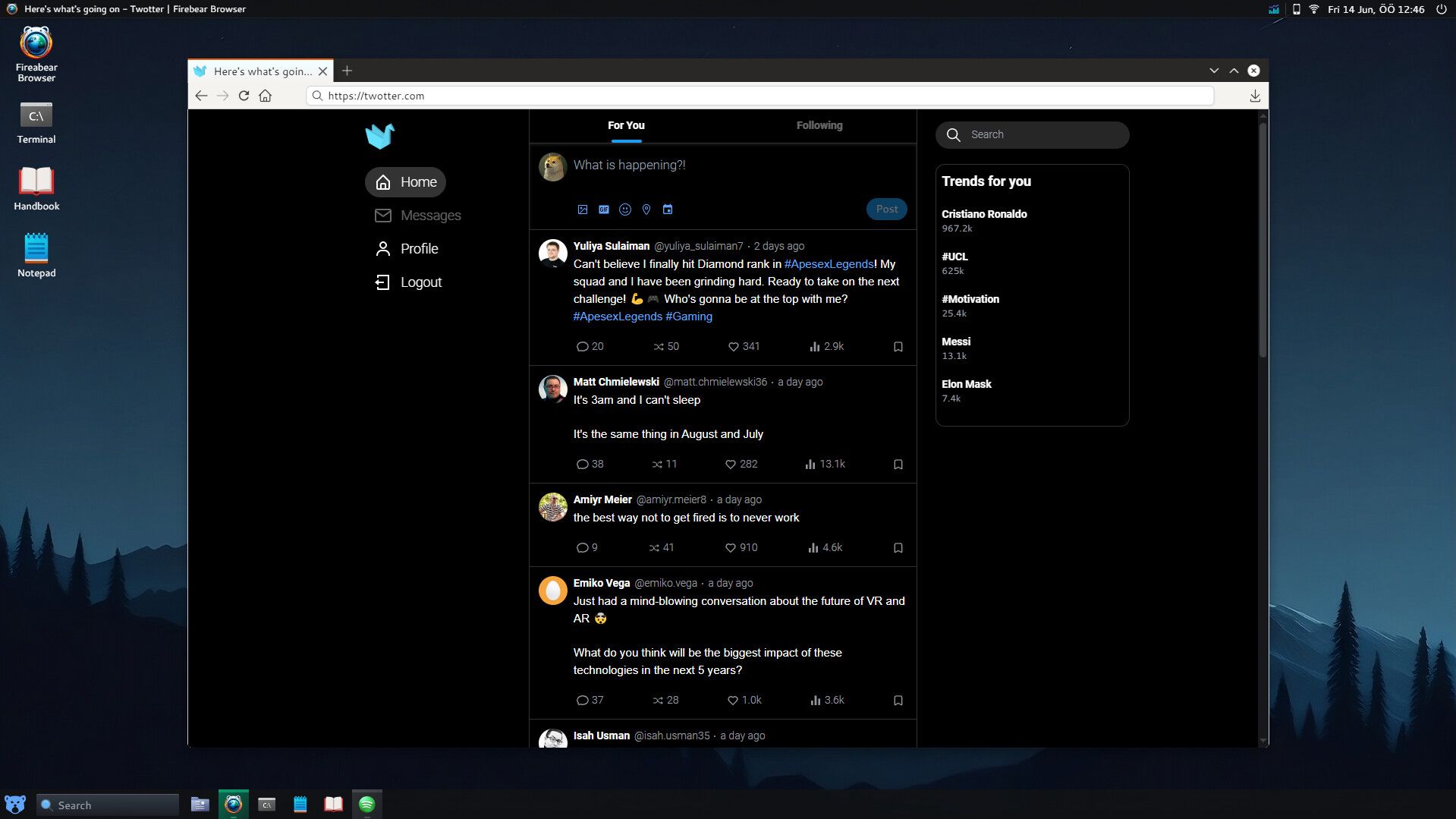


HackHub 1.0 is live on Steam now, and this one has enough evidence to move past a routine release blurb. At our 2026-08-01 13:17 UTC source freeze, which was Saturday, August 1, 2026 at 9:17 a.m. America/New_York, Steam appdetails still showed the game at $9.59 during a 20% launch discount, while Valve’s all-language reviews API listed 662 total user reviews with a Very Positive summary.
That is real buyer signal for a small command-heavy sim. It is not a license to treat HackHub like a full recommendation piece, because the developer’s own 1.0 post still says the new multiplayer layer remains in active development and may still see bugs or resets.
The launch read is stronger than “niche hacker game gets an update”
The first useful thing here is that HackHub - Ultimate Hacker Simulator did not just flip a version number. It left Early Access on August 1, 2026 after launching into Early Access on January 26, 2026, and the full-release notes are packed with actual player-facing changes.
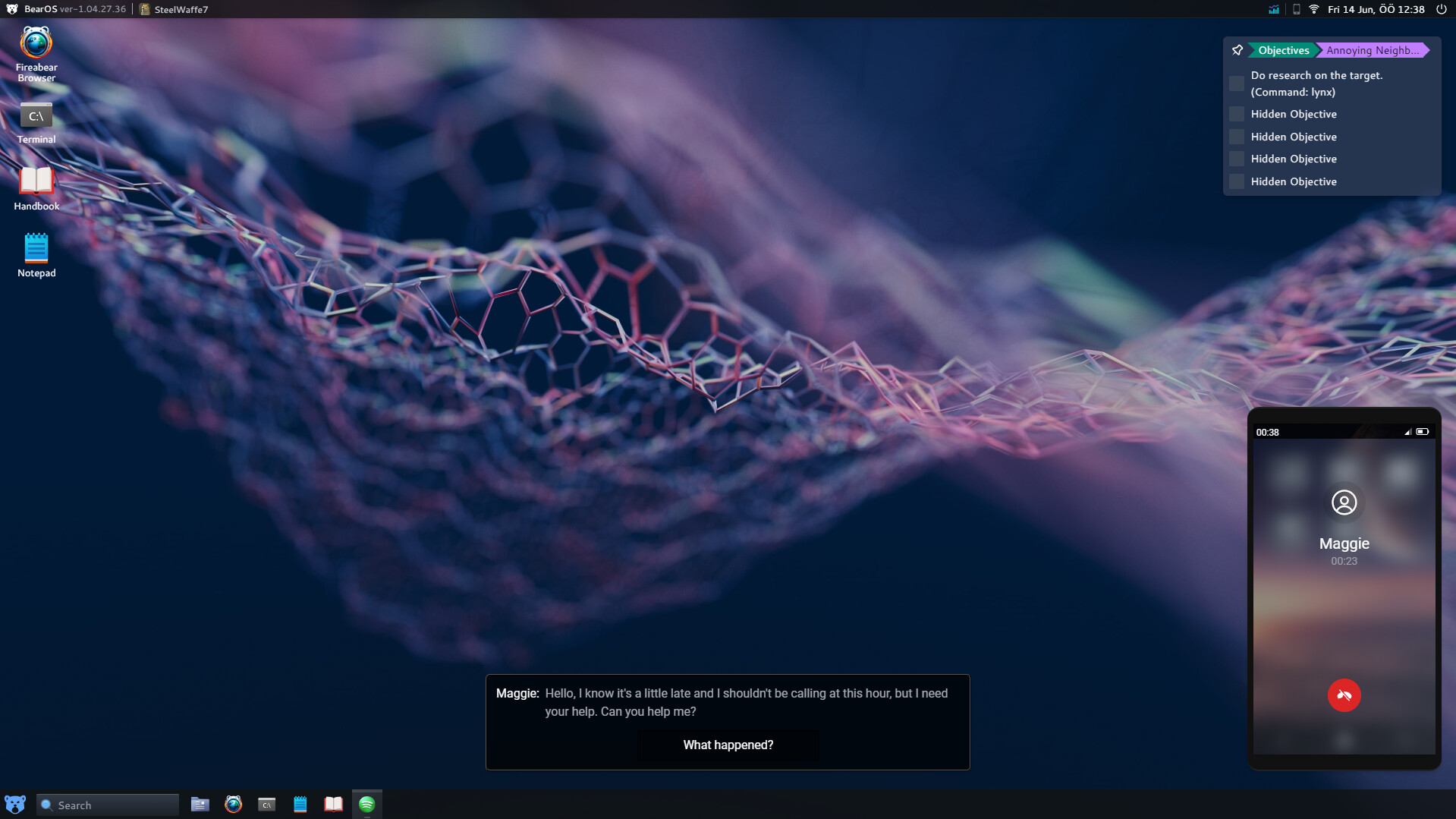
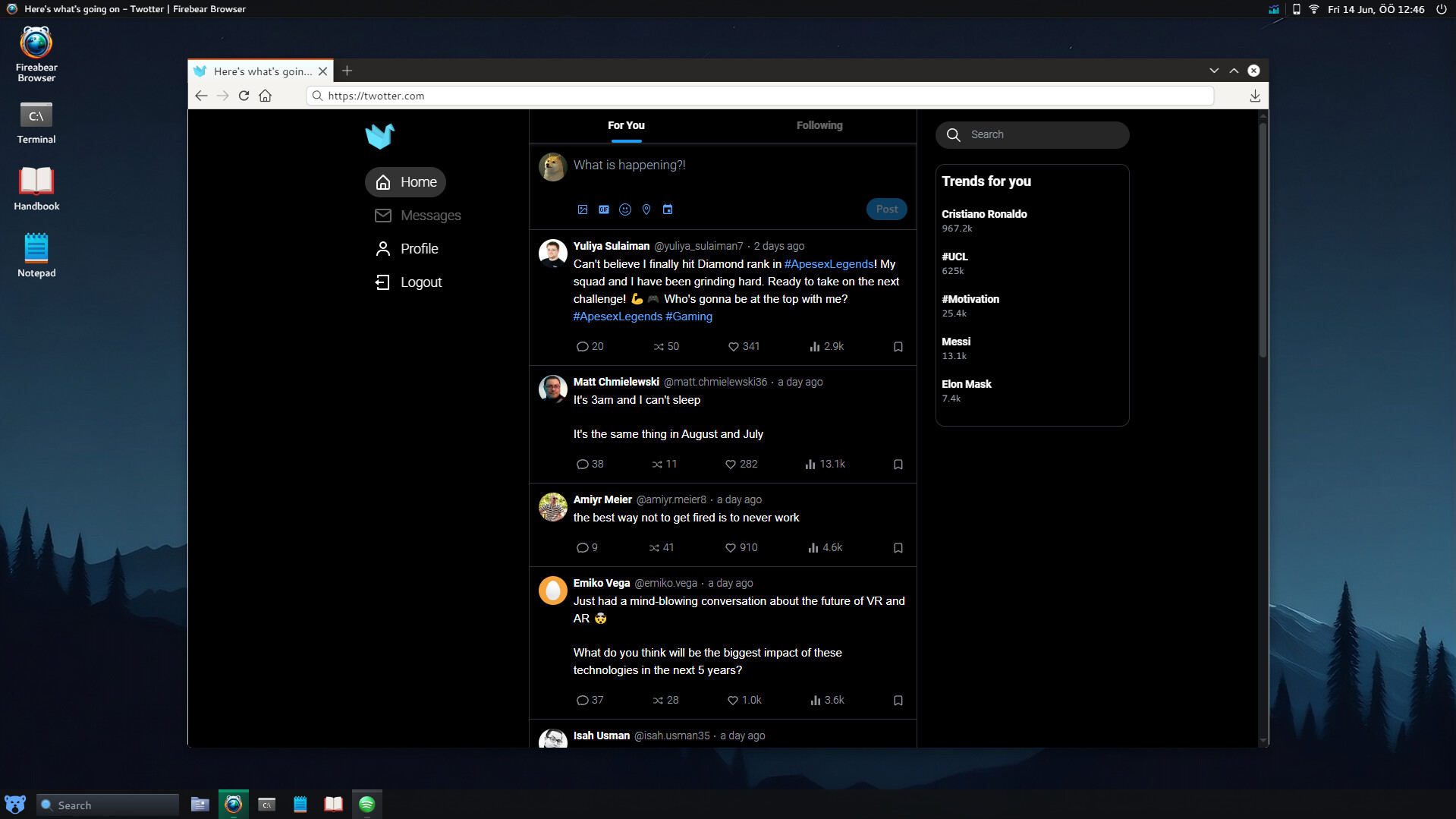
Steam’s official 1.0 post makes multiplayer the headline, but it does not stop there. The release also adds player-run infrastructure and sites, new in-game apps like Chat, FileGorilla, NetworkMonitor, Siege, and Firewall, plus more terminal command support on both the multiplayer and single-player sides. Steam Workshop is now part of the store feature set too, which matters because the developers have been pushing modding as part of the 1.0 handoff rather than as a vague future promise.
That combination is what gives the launch a real angle. This is not just “the same Early Access game, now technically out.” It is a systems-heavy Steam sim trying to widen its sandbox, social layer, and post-launch ceiling all at once.
The buyer signal is real, but it still needs clean framing
The strongest proof is still on Steam itself.
At the 2026-08-01 13:17 UTC recheck, Steam appdetails showed 645 store-side recommendations, while Valve’s reviews API showed 662 total reviews across all languages, split into 597 positive and 65 negative. Those two counts are not identical, so they should not be flattened into one neat number. The useful point is simpler: both official Steam surfaces still describe the response as Very Positive, and the sample is already large enough to matter for a game at this scale.
That does not automatically make HackHub a buy-for-everyone story. It makes it a real buyer-read story. The game is no longer sitting in that vague Early Access zone where every promising niche project can hand-wave its way around actual public feedback.
The price helps too. A $9.59 entry point during the launch window is a much easier proposition than the usual premium-sim gamble, especially when the store page also lists Polish support alongside English and a long multilingual language list.
The biggest new feature still arrives with its own caveat
This is the part Publish should not sand down.
HackHub’s official 1.0 release post is enthusiastic about the new online layer: shared worlds, PvP hooks, player-owned infrastructure, domain registrars, cloud-style services, new multiplayer-only commands, and multiplayer-specific apps. But the same post also ends with a direct warning that multiplayer is still in active development and that bugs and resets can happen.
That is not a small footnote. It changes the honest buyer read.
If you wanted HackHub as a mostly solo systems toy with more tools, more apps, better UI support, and a broader modding lane, 1.0 looks like a real step up. If you wanted the new multiplayer side to already feel fully settled and friction-free, the developer’s own wording tells you not to assume that yet.
The practical read right now
HackHub 1.0 looks legitimate enough to stop treating it as a throwaway Steam curiosity. The official review signal is real, the launch price is low, the 1.0 feature list is concrete, and the game is offering something specific instead of another generic tech-noir pitch.
The cleaner recommendation is narrower than that, though. This looks most useful right now for players who already wanted a command-driven hacking sandbox and were waiting for proof that the Steam response was not dead on arrival. That proof is here.
The holdback is also clear. If your main interest is the brand-new multiplayer layer, the official warning still matters more than the launch headline. HackHub may have reached 1.0, but its own developers are still telling you that the online side is not a fully settled finished product yet.
For more GameGuideDog coverage, browse our gaming section, compare another buyer-facing Steam read in our DragonSword: Awakening breakout analysis, revisit the recent Corsair Cove review snapshot, or open the latest English stories.