

Feed the Scorchpot has cleared the point where it looks like a clever storefront pitch with no public proof behind it. At our Monday, August 24, 2026 refresh around 2026-08-24 01:15 UTC, Steam’s official current-player endpoint returned 419 players in game, while Valve’s official review summaries held at Very Positive with 167 total reviews across all languages and 81 total English reviews.
That is enough for a real launch-week review-snapshot. It is not enough to fake a full GameGuideDog review, and it is definitely not enough to flatten the buyer answer into “everyone should buy this.”
The first useful fact is that this launch actually has a pulse
Feed the Scorchpot released on Steam on August 20, 2026. At the Monday check, the official U.S. store still listed it at $11.99 with a 20 percent launch discount from $14.99. Steam still tagged it as Windows-only, and the official metadata still pointed to a feature set that is easy to parse for strategy players: single-player, full controller support, Steam Cloud, Family Sharing, save-anytime support, and 40 achievements.
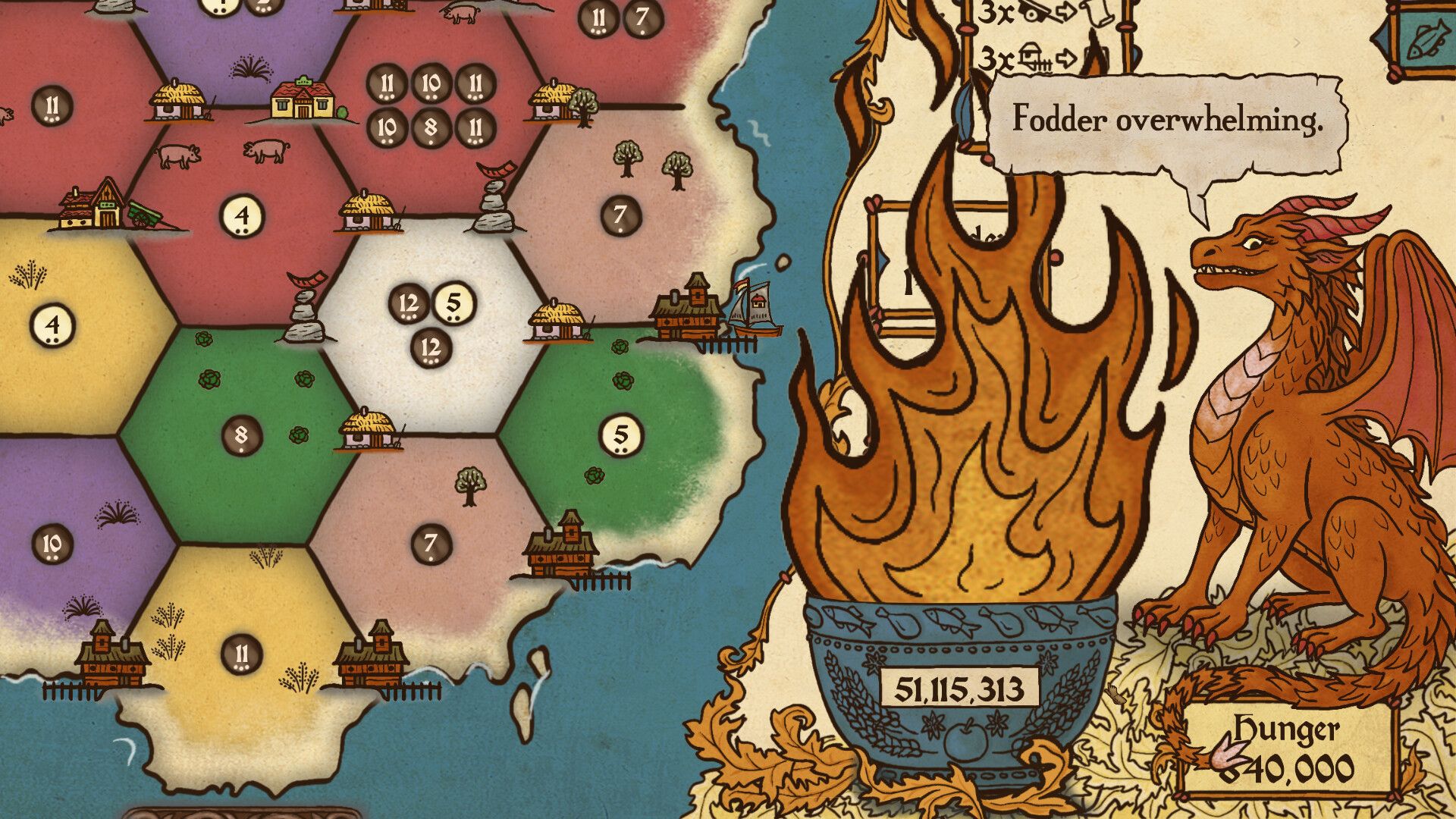
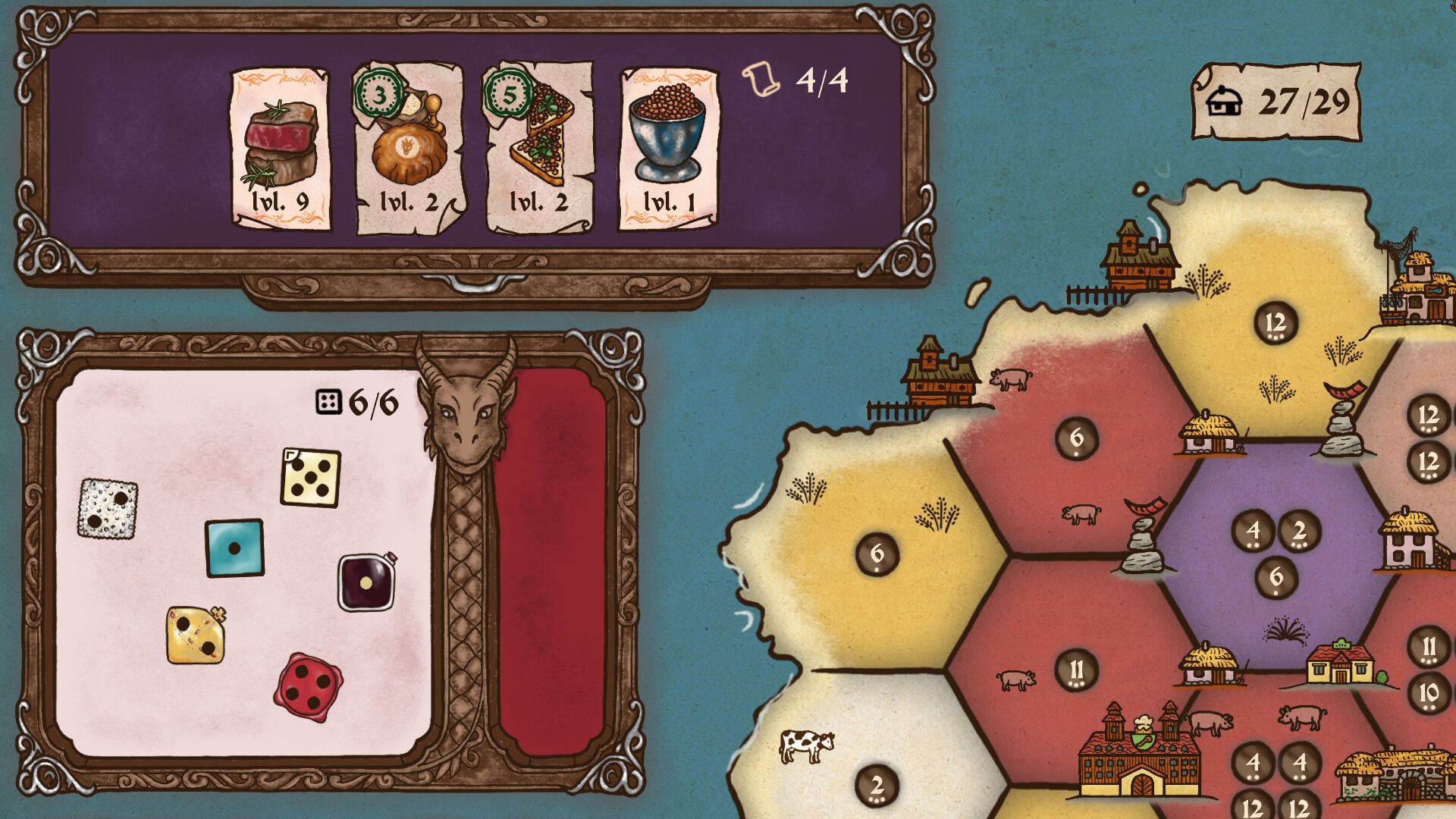
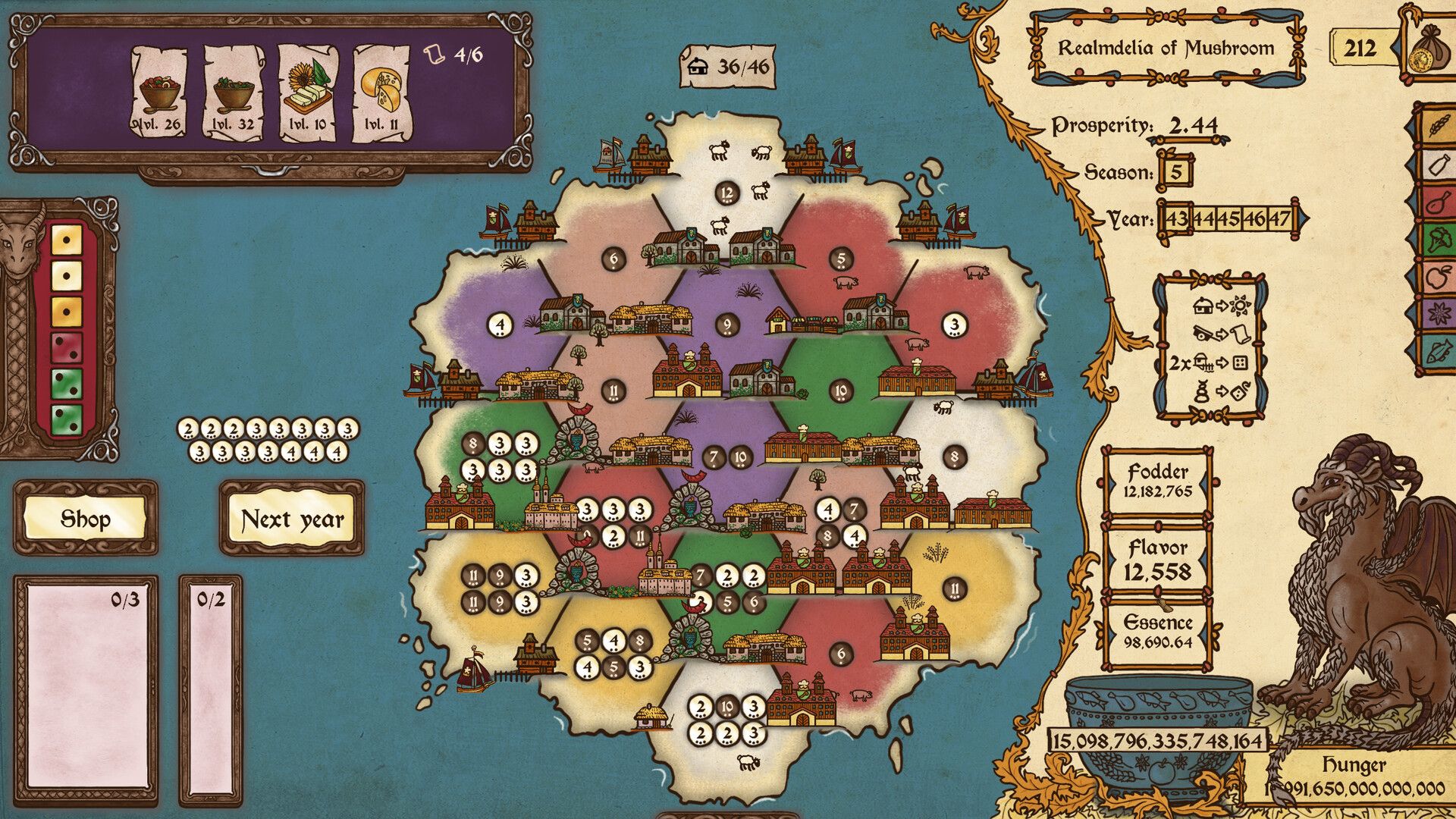
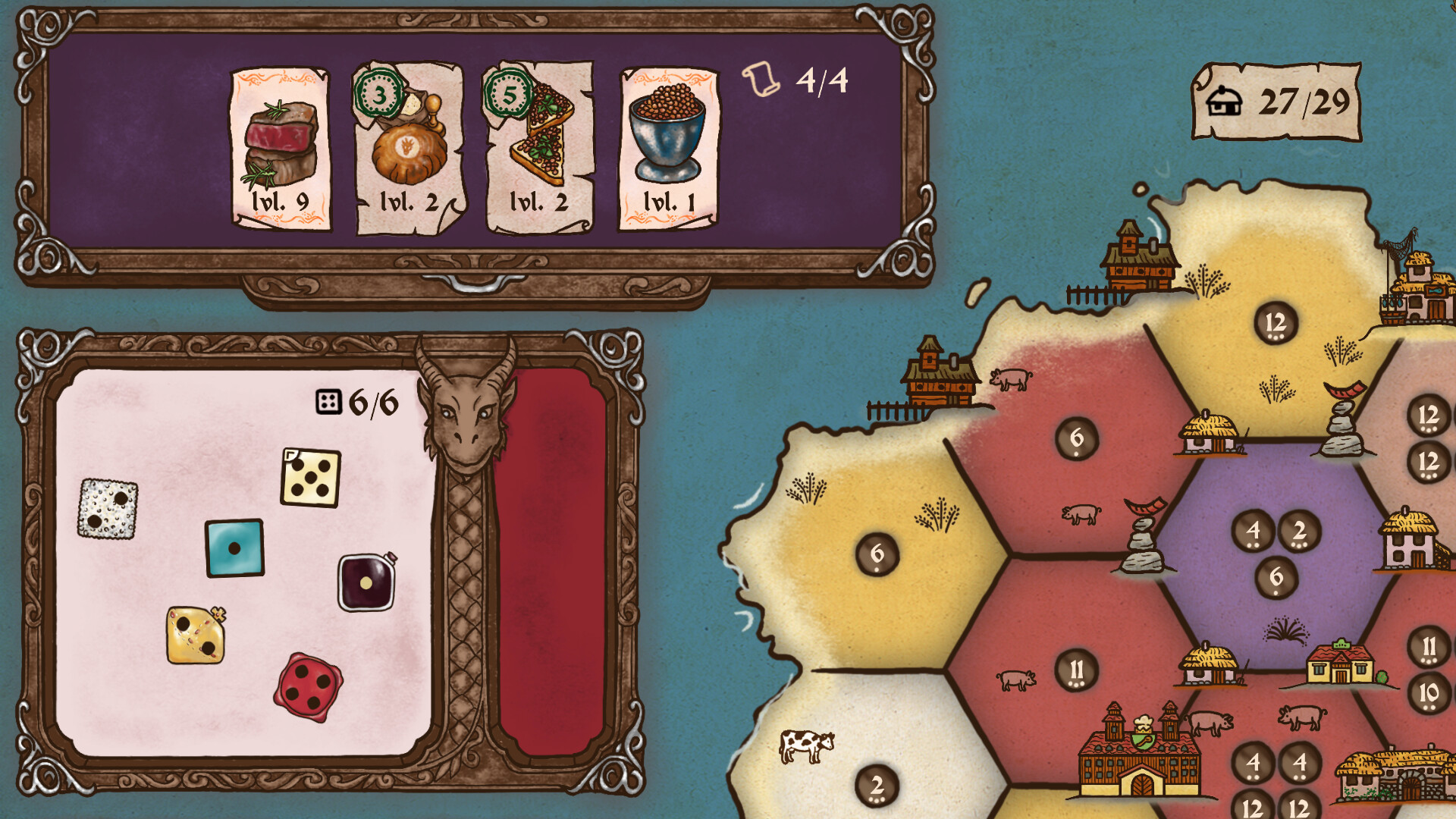
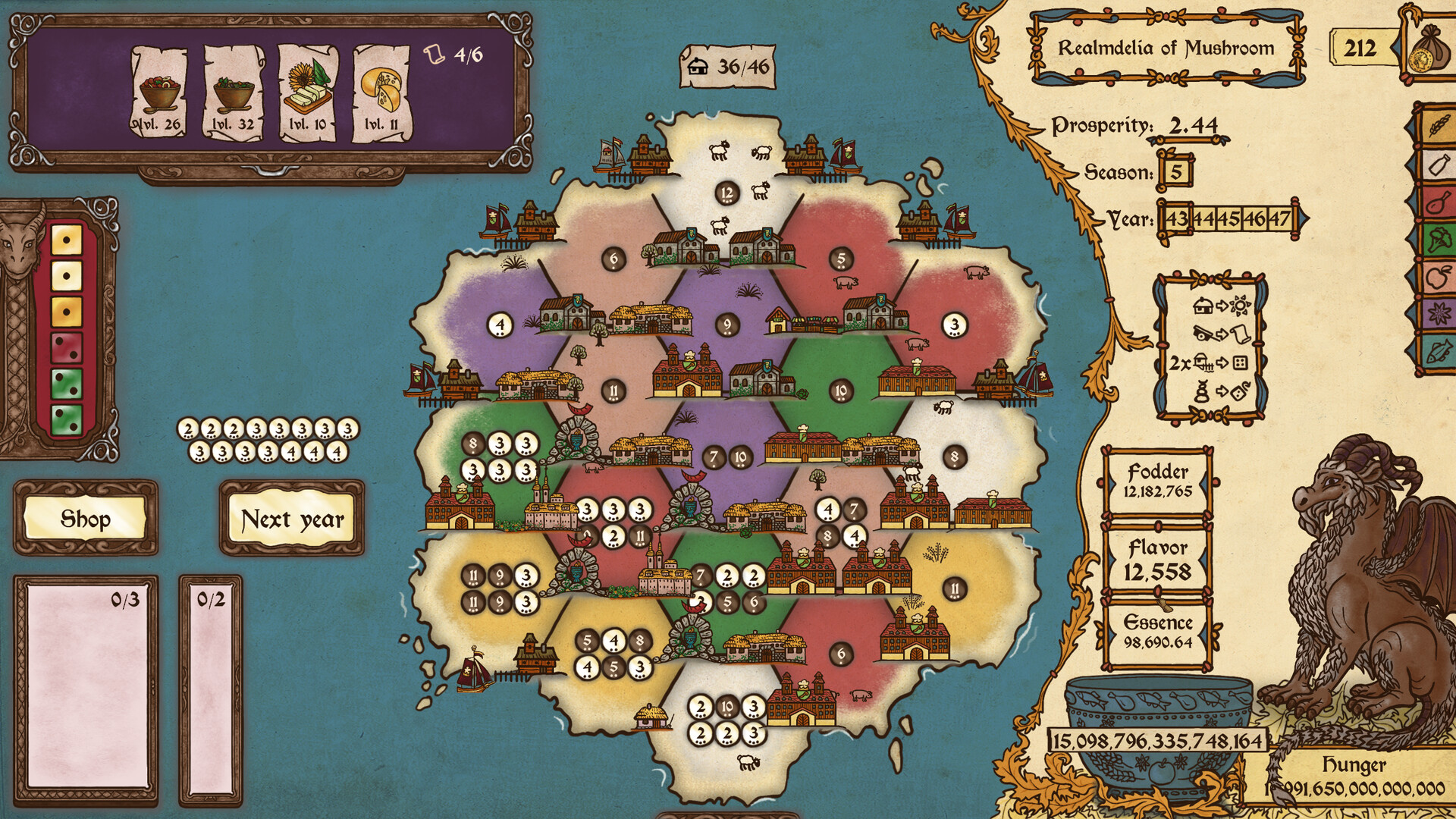
That matters because the official pitch is already pretty specific. This is a dice roguelike about feeding a dragon for twenty years, building out a hex-grid island, stacking buildings and recipes into bigger score engines, and trying not to get cooked by your own contract. The official launch post sharpens that further with eight dragons, ten difficulty levels, deckbuilding, meta-progression, and a named Feed the Scorchpot x Balatro launch bundle.
The stronger reason to pay attention, though, is not the copy. It is that the public Steam layer has started to back it up.
The positive case is real, but it is also specific
The early Steam shape is warm enough to matter. Valve’s all-language review summary moved to 160 positive reviews against 7 negative ones, while the English summary sat at 80 positive and 1 negative. That is a narrow sample, but it is not a dead-on-arrival sample. The official current-player endpoint also moved up from the 357-player intake snapshot to 419 at Monday’s refresh, which is a healthier follow-through than a lot of tiny launch-week strategy games manage.
What makes the buy signal readable is that the praise is not random. The packet’s English review sample keeps circling the same things: players like the score-chasing loop, the way the board-game math snowballs into absurd combo turns, and the feeling that the game scratches a “one more run” itch without needing a giant rules tutorial first.
That gives the story actual buyer value. This is not just “Steam likes it.” It is “Steam seems to like it for a recognizable reason.”
The caution line is about lane fit and sample size, not fake backlash
This is where the piece needs discipline.
Nothing in the packet supports a backlash angle. The review split is too positive for that, and the public player count is too live for a tiny paid strategy game if buyers had bounced off it immediately. But the packet also does not support pretending this is a broad consensus hit with a settled verdict.
The public sample is still early. 81 English reviews is useful, not definitive. The game also seems to have a very specific audience lane. Even the positive reactions keep describing it through the lens of solo board-game logic, score optimization, and dice-engine tinkering. One of the clearer caution notes in the packet is simple: some players will find the pace or the puzzle density less exciting than the people who instantly lock into the loop.
That is the honest buyer distinction. If the phrase “solo board-game roguelike with dice math and combo chasing” already sounds like your kind of problem, the public Steam picture is now strong enough to treat seriously. If you need broader genre reach, faster spectacle, or a more mature consensus before buying, the current signal is still narrower than that.
The useful buyer read on August 24
Feed the Scorchpot now looks like a real niche Steam launch rather than a hidden curiosity with no public trail. The official numbers are good enough to say the launch landed. The official materials are specific enough to show who the game is for. The review pattern is coherent enough to tell strategy players what the audience is actually buying into.
The restraint belongs in the same sentence. GameGuideDog has not reviewed this firsthand. This is a launch-week review-snapshot, not a full recommendation stamp, and the audience signal is still concentrated inside a specific board-game and combo-optimizer lane.
So the cleanest read right now is simple: Feed the Scorchpot already has a real Steam buyer signal, but it looks strongest for players who want a tight solo score engine, not for everyone who sees a Very Positive badge and assumes the case is settled.
For more GameGuideDog coverage, browse our reviews section, compare another Steam buyer snapshot in Pizza House Simulator’s launch-week read, revisit a smaller Steam comfort hit in The Sorting Bureau review snapshot, or open the latest English stories.