
DragonSword: Awakening has crossed the line from “interesting Steam climber” into a real breakout story. At our 2026-07-31 13:16 UTC recheck, which was Friday, July 31, 2026 at 9:16 a.m. America/New_York, Steam was showing 1,767 English user reviews with a 92% positive rating, while Valve’s all-language reviews API was sitting at 6,358 total reviews and a Very Positive summary overall.
That is enough to treat the game’s traction as real. It is not enough to pretend GameGuideDog suddenly has a full review or a broad critical verdict.
The honest version is sharper than that. DragonSword: Awakening looks like a genuine late-July player breakout for a $29.99 premium anime action RPG. It just happens to be a breakout led by Steam users and concurrency data, not by a thick critic consensus.
The Steam signal is strong enough that you should stop calling this a fluke
The first useful distinction here is scope.
Steam’s store page currently surfaces English reviews only, and that sample is already big enough to matter: 1,767 English reviews at 92% positive. Valve’s separate all-language reviews summary is even larger at 6,358 total reviews, with 5,733 positive and 625 negative. Those numbers are not interchangeable, but they point the same way. Players are showing up, and the public response on Steam is not narrow or fake.
That matters because plenty of fast-rising Steam stories still die once you separate noise from durable signal. DragonSword does not look like one of those tiny first-hour blips anymore. The sample is already too large for that excuse.
SteamDB, which needs to stay labeled as a third-party tracker, pushes the same read further. At the same 2026-07-31 13:16 UTC check, SteamDB listed 13,384 players in game and an all-time concurrent peak of 23,030. That peak is not small, and it is not what a dead-on-arrival curiosity looks like.
This is still an analysis story because the critic side is thin
The piece gets less impressive once you move from players to critics.
Metacritic still had no published Metascore at our check because the page only listed 3 critic reviews, split into 2 positive and 1 mixed. That is exactly why this story works as analysis and not as a review-snapshot. There is no GameGuideDog hands-on basis here, and there is still not enough critic depth to fake a broader review lane.
That is not a knock on the game’s current Steam momentum. It is a reminder to keep the framing clean. DragonSword can be a real breakout without already being a settled critical success story.
Frankly, that split is what makes the article useful. If you only look at the player side, the game looks hot. If you only look at traditional critic infrastructure, the read is much foggier. Buyers should know both.
What players are actually buying for $29.99
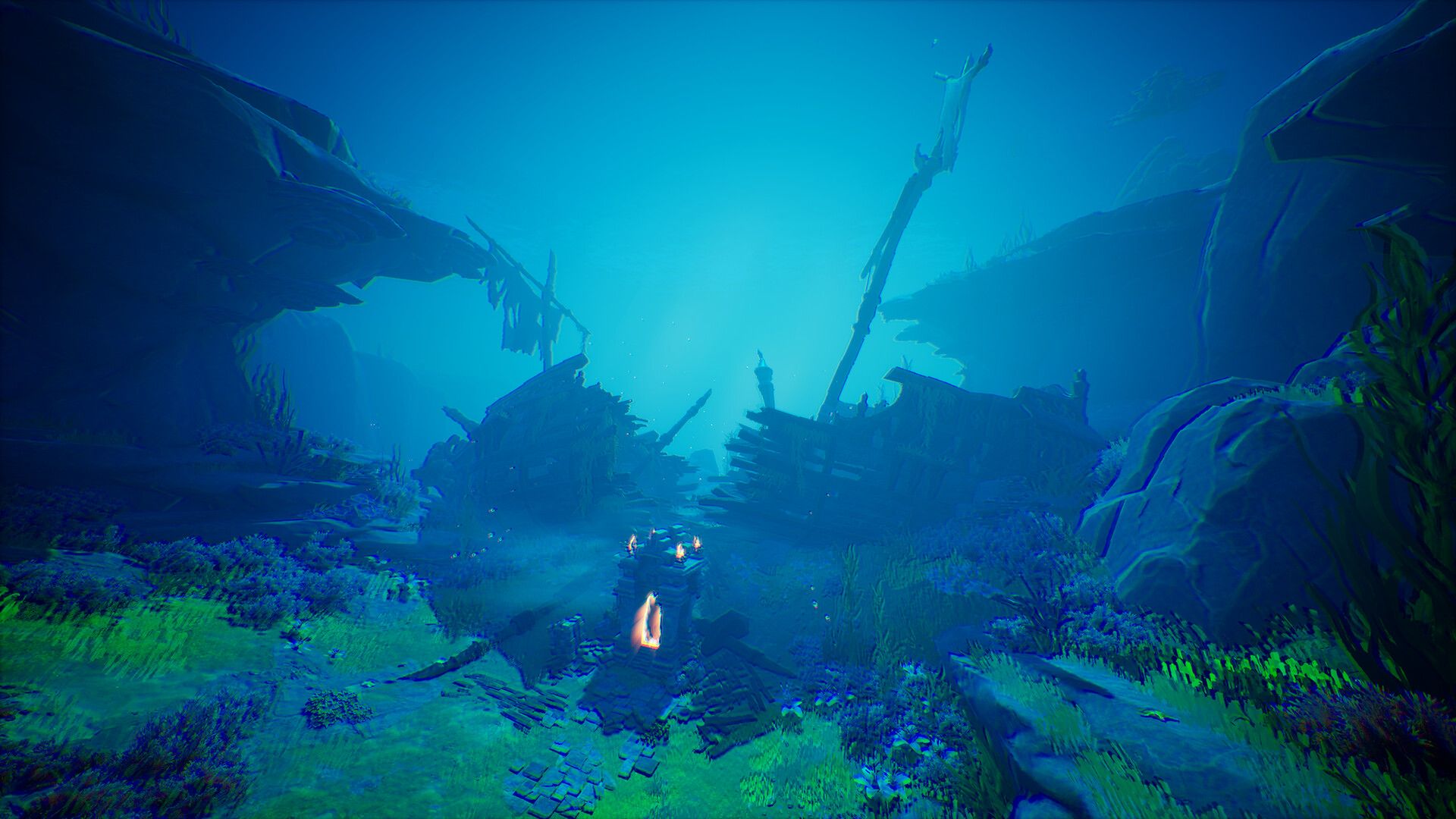
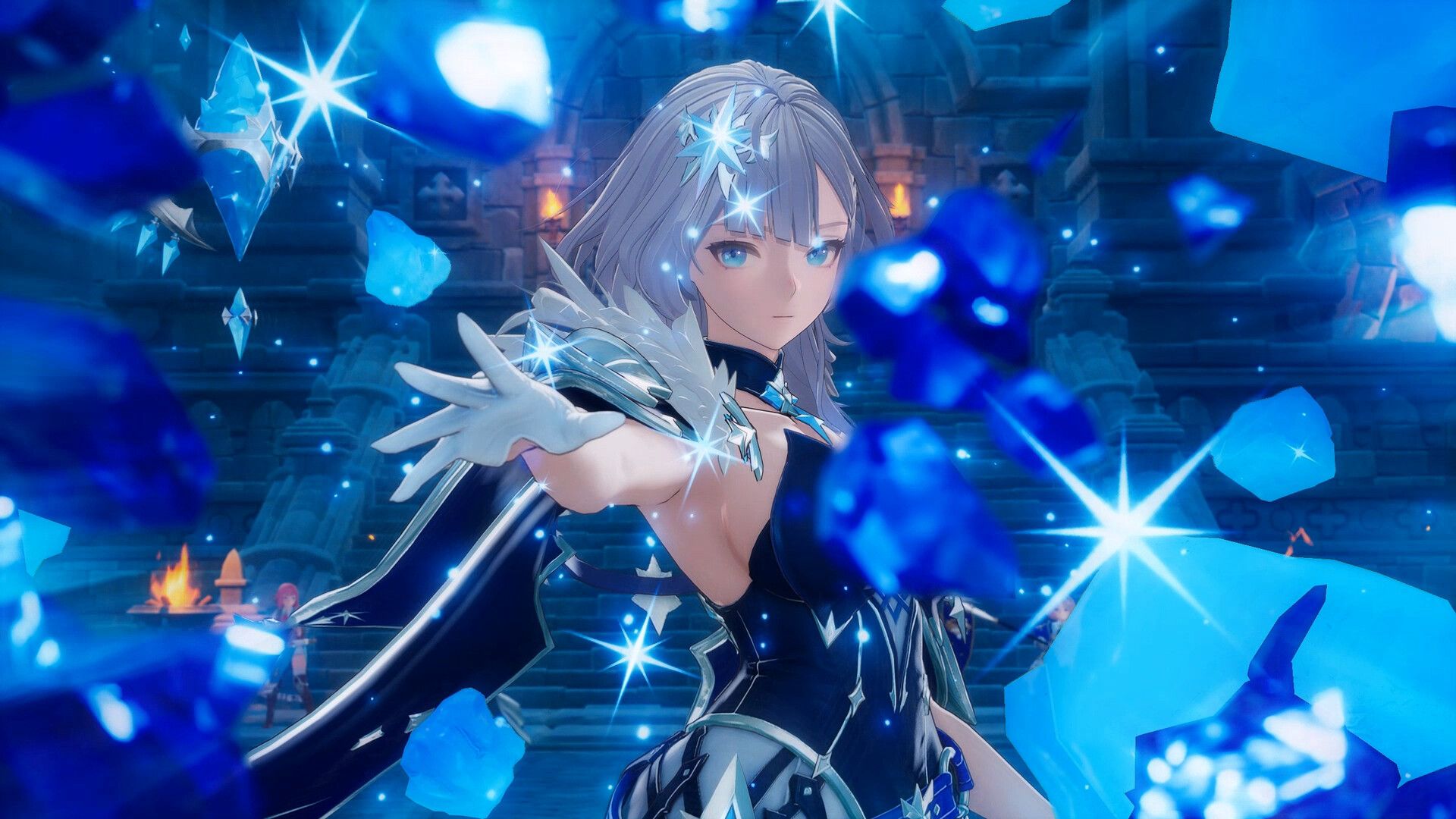
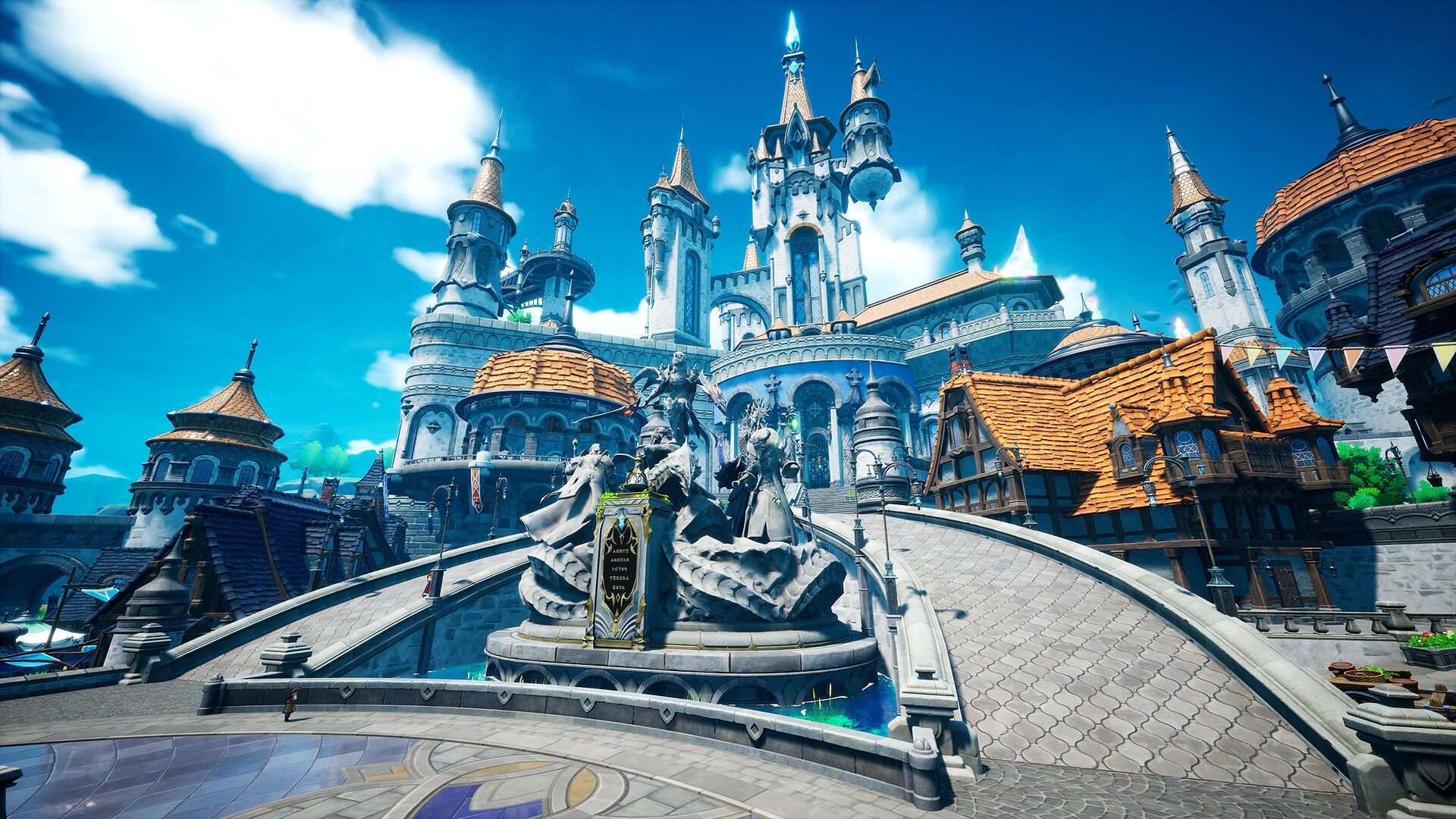
Steam’s official pitch is not subtle. DragonSword: Awakening sells itself as an anime-style open-world action RPG built in Unreal Engine 5, with 19 heroes, companions, and status-ailment tag-team combat. The store page also lists single-player and online co-op, which helps explain why the game can draw both solo action-RPG players and people looking for a more social grind.
Hound13’s own site makes the studio’s ambition clearer. It describes DragonSword as a project that carries forward the action DNA of Hundred Soul while chasing a semi-open-world structure and a broader global-market audience. That does not prove quality by itself, but it does explain why the game’s pitch feels bigger than a disposable side project.
There is one buyer-facing caution worth stating plainly for Polish readers and bilingual households: Steam’s visible language table still does not list Polish support at the current check. The listed languages include English, Japanese, Korean, Simplified Chinese, Traditional Chinese, French, German, Spanish, Russian, Thai, and Portuguese - Brazil. If you were assuming a Polish interface would be part of the package on day one, the live Steam page does not currently back that up.
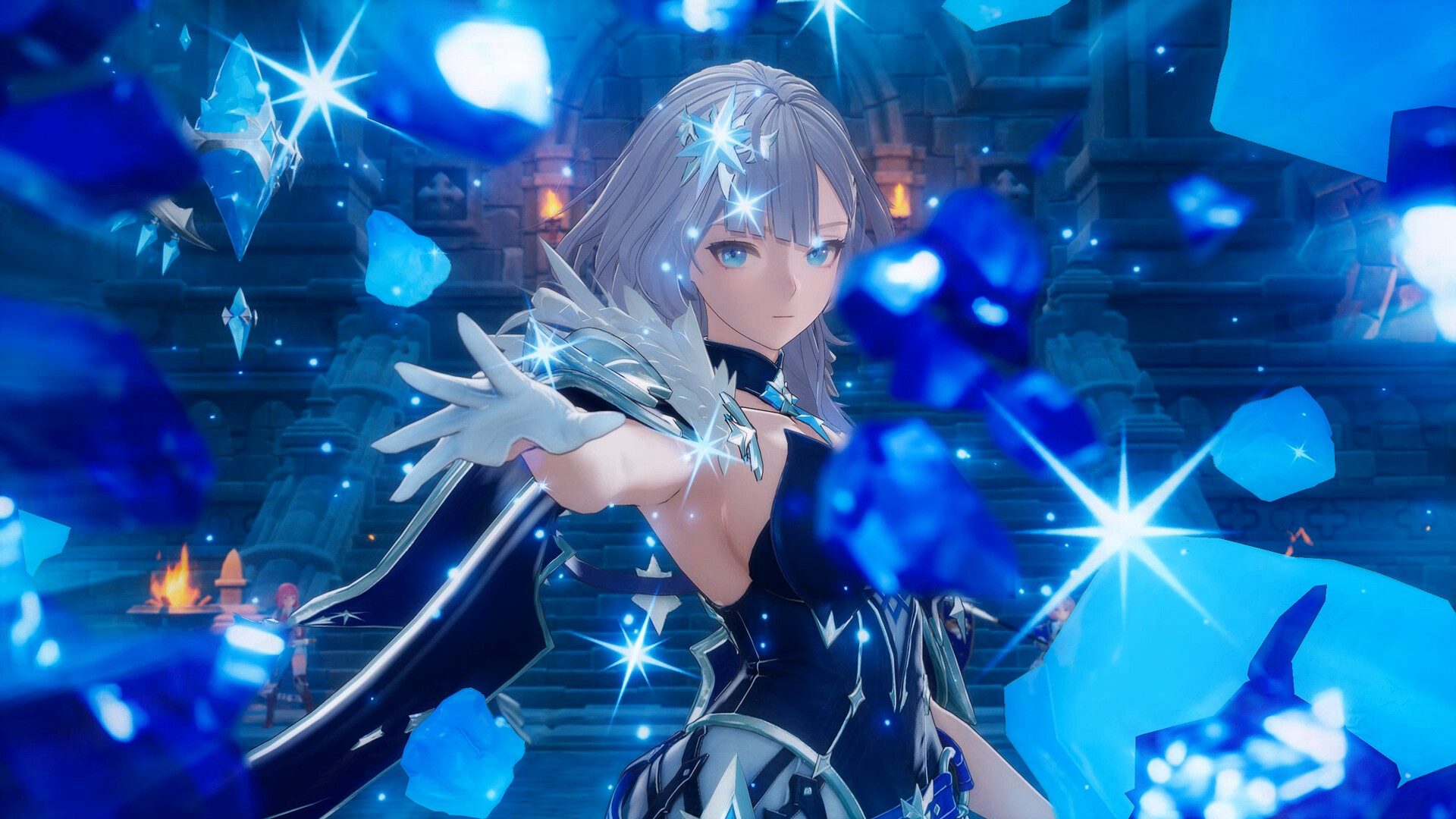
The honest buyer read right now
DragonSword: Awakening has already earned a stronger headline than a routine launch recap. The official Steam review sample is big. The all-language review count is bigger. The third-party concurrency signal is real. For Friday, July 31, 2026, that is enough evidence to say the game has real momentum on PC.
It is not enough evidence to say every open-world action-RPG fan should buy in blind.
The missing part is not player interest. The missing part is long-tail clarity. A Steam spike can tell you that a game landed. It cannot, by itself, tell you whether the grind stays rewarding, whether the content curve holds up, or whether the early excitement cools once the novelty of a premium anime action RPG wears off.
That leaves DragonSword in a clean middle lane. If you already wanted a flashy action RPG and you were waiting for proof that players did not bounce off immediately, the proof is here now. If you were waiting for a broader critical read or a more settled buyer verdict, the smarter move is still to give it a little more time.
For more GameGuideDog coverage, browse our gaming section, compare another careful buyer-facing read in our Mistfall Hunter launch-day analysis, revisit our Echoes of Aincrad review snapshot, or open the latest English stories.