

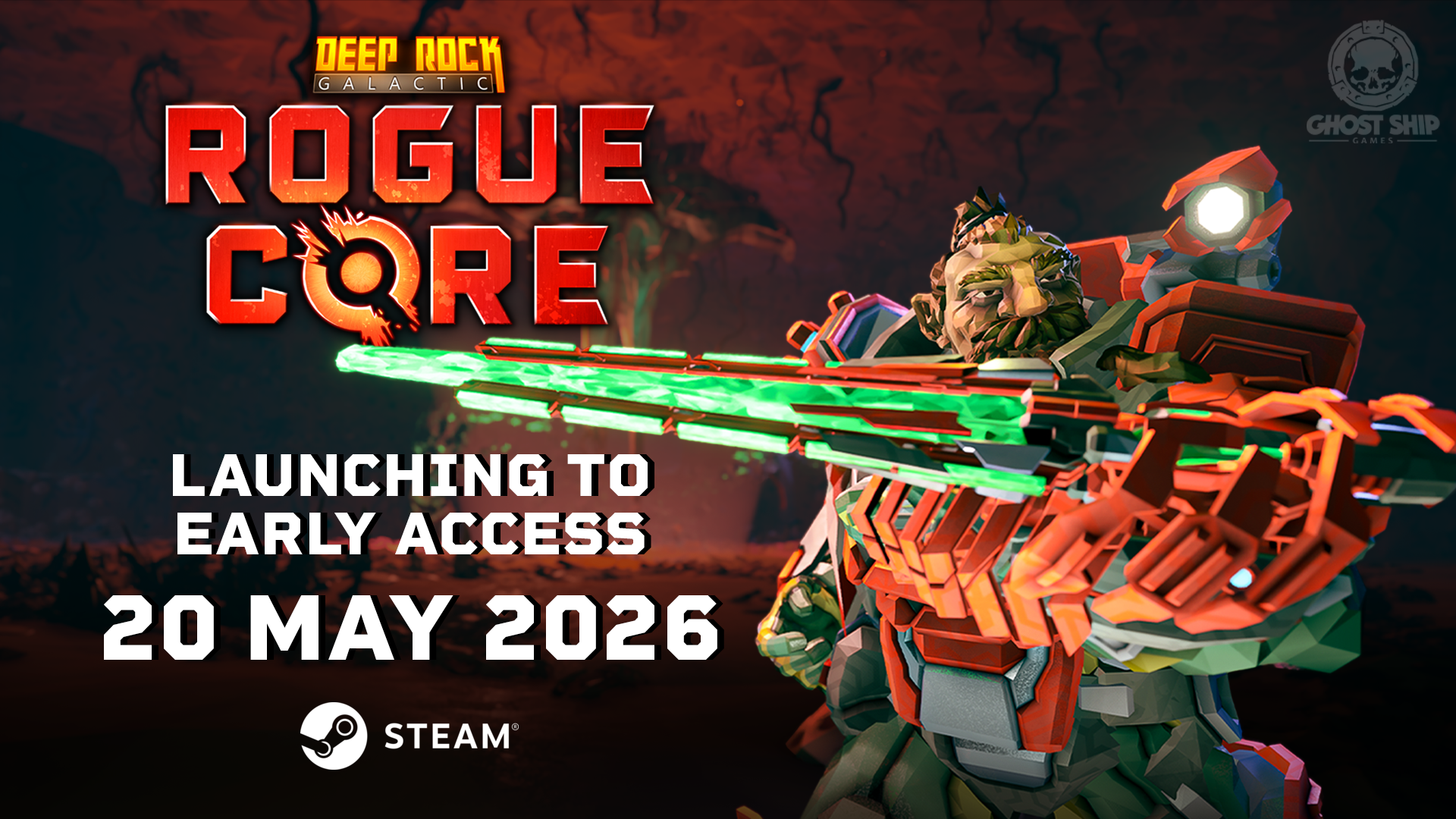
Deep Rock Galactic: Rogue Core hits Steam Early Access today, and the most useful thing players can hear right now is also the least glamorous: this is not just more Deep Rock Galactic with a new coat of paint. Ghost Ship is selling a harder, more combat-forward 1-4 player co-op roguelite spin-off, and the store page still framed it as not yet unlocked with no user reviews when this piece was prepared.
That makes the launch-day angle pretty simple. This is not a review. It is a buyer-context read for players deciding whether the basic pitch itself sounds attractive enough to enter early, especially with Ghost Ship saying the game may stay in Early Access for 18 to 24 months.
The big change is the structure, not just the setting
Ghost Ship has been unusually direct about why Rogue Core exists as a standalone game instead of an expansion for the original Deep Rock Galactic. The official Steam FAQ says the new project needed different progression systems, a separate balance identity, and an Early Access development model that would not work cleanly as DLC.
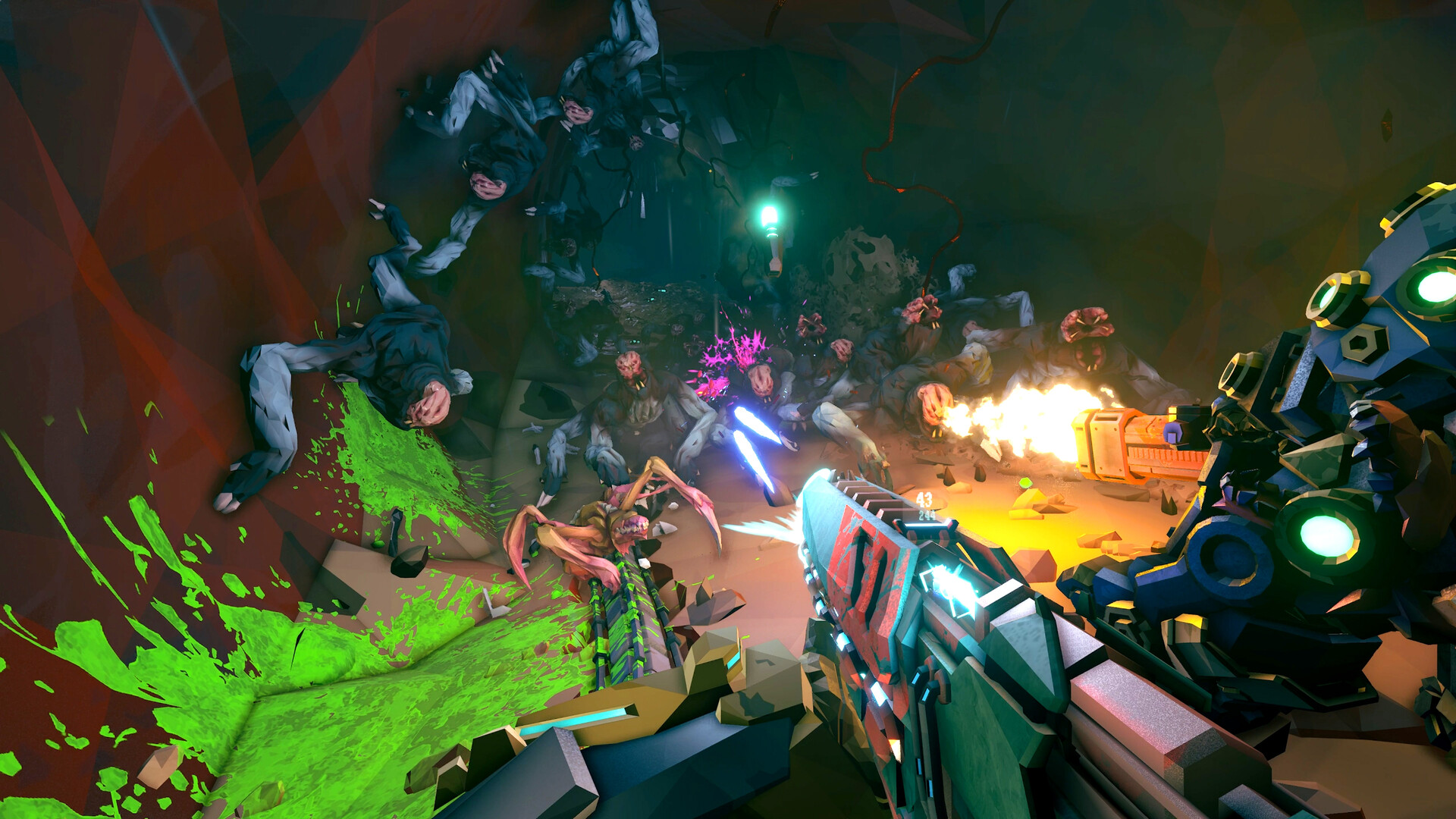
That matters more than the familiar branding. If you come in expecting another version of the original co-op mining loop, the official materials keep pushing you somewhere else. Rogue Core is built around runs, random upgrades, permanent progression between missions, and a tighter pressure curve where time itself becomes part of the challenge.
Ghost Ship also says the game is faster-paced, harder, and more combat-focused than standard Deep Rock. The FAQ even pegs the baseline difficulty roughly around the original game’s Hazard 3 feel before things scale up. That is useful framing because it tells players this launch is not aiming at the broadest possible comfort zone.
Early Access is the real caveat, and Ghost Ship is not hiding it
The Steam page carries the standard Early Access warning, but the more important part is how long the studio expects to stay there. Ghost Ship says it expects 18 to 24 months in Early Access. For some players, that is a plus. The original Deep Rock Galactic benefited from a long feedback-driven runway, and this team has a real history of turning community iteration into something stronger over time.
For other players, that timeline is the entire reason to wait.
That split is what gives the story value today. The launch does not need fake drama to matter. Buyers are being asked to judge a work-in-progress spin-off whose full breadth and depth are still deliberately unfinished. If you love jumping into systems early and watching them harden, that can be exciting. If you mainly want a stable, content-rich, fully formed co-op game, the official pitch itself gives you permission to hang back.
There is another restraint worth keeping loud: Steam still showed no user reviews at publication check, and the store page was still listing the game as not yet available with a same-day unlock window. So there is no honest launch-consensus story yet, no current-player signal worth quoting, and no reason to bluff past that.
The class lineup and run shape already tell you who this is for
Ghost Ship’s launch FAQ does give players more than atmosphere. Early Access starts with five Reclaimers: Guardian, Falconer, Retcon, Spotter, and Slicer. The studio also says a typical run lasts about 45 to 50 minutes, which is long enough to matter if you are trying to fit this into the original Deep Rock audience’s drop-in co-op habits.
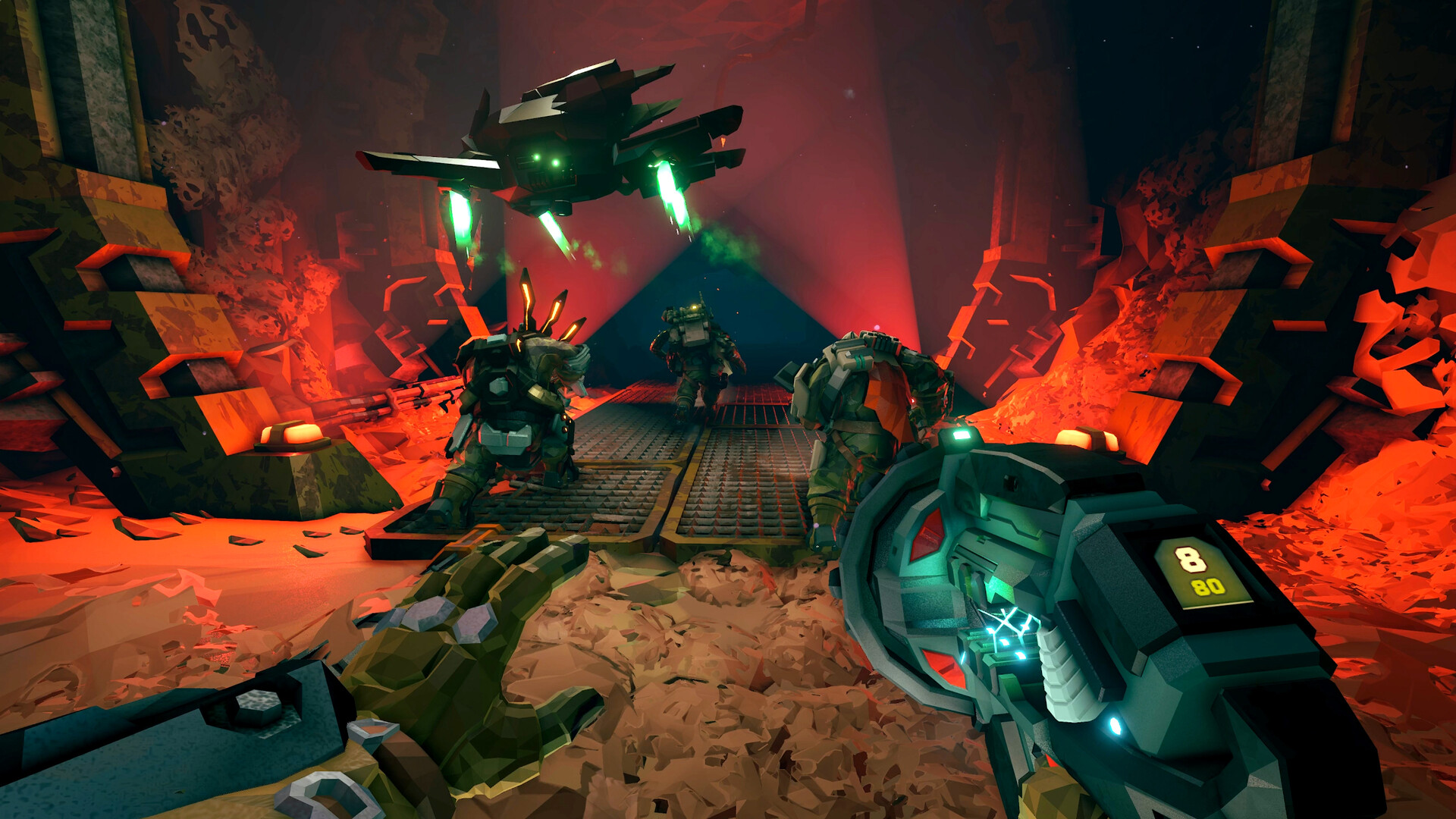
That timing helps explain the buyer read. Rogue Core sounds less like a casual side branch and more like a co-op commitment game built around build-making, attrition, and repeated runs. The official page leans into alien-horror pressure, linear cave structures, and more combat emphasis around industrial spaces rather than the original game’s looser mining-traversal identity.
In other words, the spin-off logic seems real. Whether that logic lands well is still an open question. But at least the team is not pretending this is the same meal in a different box.
What changes for players now
The clean takeaway is not that Deep Rock Galactic: Rogue Core is automatically a smart day-one buy. It is that the game already tells you pretty clearly what kind of risk it is. This is a standalone Early Access roguelite, not a stealth expansion, and Ghost Ship is asking players to trust a familiar studio while accepting a much less finished package.
That may be enough if the words co-op, dwarves, hard runs, and long-term iteration already sound like your lane. It may not be enough if you mainly wanted the original Deep Rock formula with fewer unknowns. Either read is fair.
The next checkpoint is easy to spot: once Steam unlocks, this story needs real player evidence, not just official framing. Until that happens, the honest launch-day verdict is narrow but useful: Rogue Core looks like a deliberate structural swing, and patience is part of the buy decision.
For more GameGuideDog coverage, browse our gaming section, revisit the earlier Subnautica 2 Early Access launch watch, check the latest English stories, or read our recent Forza Horizon 6 launch-day Steam analysis.