
D-topia is a real launch-day story now, not just a pretty Annapurna setup. The official Annapurna page lists July 14, 2026 as the release date, and Steam has flipped to a live Buy D-topia state with a 10% launch discount that cuts the PC price from $19.99 to $17.99.
That is enough to move the story out of preview mode. It is not enough to pretend we already have a verdict. At publish check time on Tuesday, July 14, 2026, Steam still showed no user reviews, and Metacritic still had no critic reviews available. So the useful launch-day question is not “is D-topia secretly a masterpiece?” It is whether the premise is strong enough to justify early interest before public proof catches up.
The hook is better than a generic cozy-puzzle label
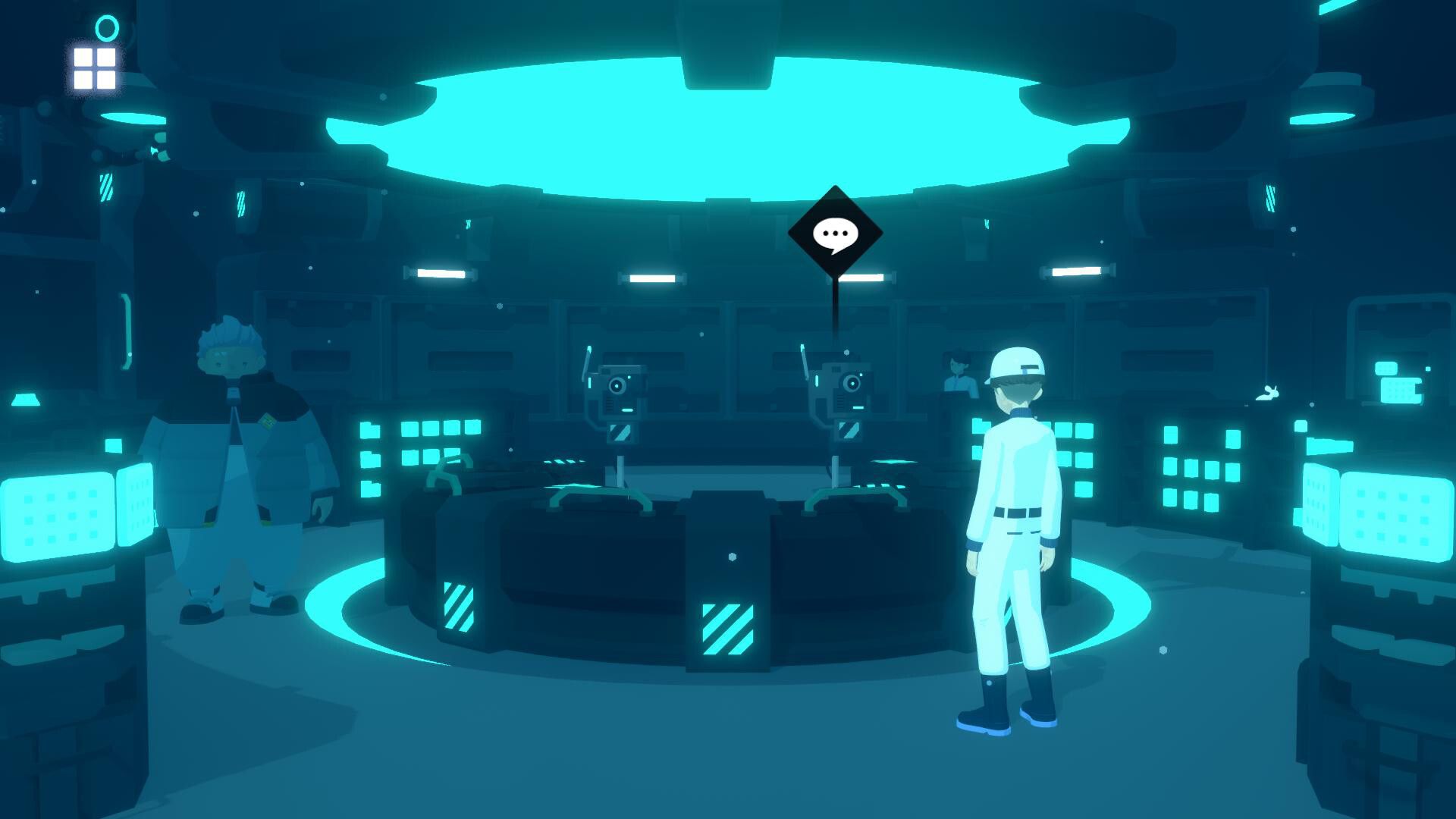
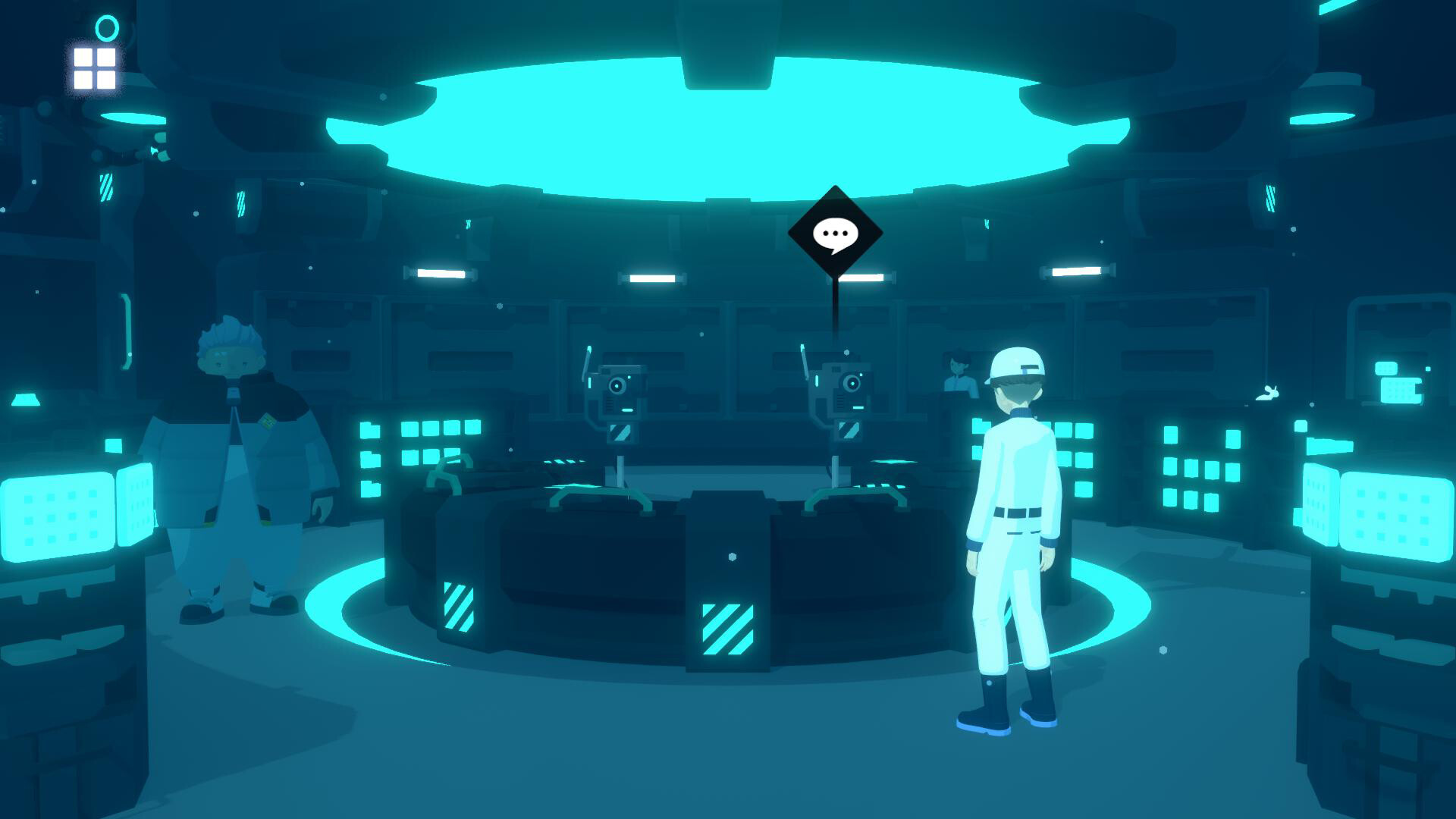
Annapurna and Marumittu Games are not selling D-topia as a plain comfort game. The official framing is a gentle-paced puzzle adventure set inside a residential facility where artificial intelligence is designed to maximize human happiness. You play as a new Facilitator, solving problems around the community while the setting quietly asks whether a perfectly managed life is actually healthy.
That is the part worth taking seriously on day one. Plenty of small puzzle games offer clean rooms, muted colors, and soft pacing. D-topia at least tries to do something more pointed with that texture. The bright surfaces and calm layout are not just decoration. They are part of the argument. This is a world where comfort has been industrialized, and that gives the game more immediate personality than the average “cozy but mysterious” launch pitch.
It also helps that Annapurna’s official page already makes the platform picture unusually clear. The game page links out to Steam, PlayStation, Xbox, Epic Games Store, Nintendo Switch, and Nintendo Switch 2, which gives D-topia broader day-one reach than a lot of similar-sized indie puzzle releases.

Steam makes the buying signal real, but not complete
The strongest day-one proof is on PC. Steam no longer looks like a countdown page. It shows the game as released on Jul 14, 2026, carries a live purchase box, and adds that 10% launch discount. For players already predisposed toward slow puzzle games or Annapurna’s catalog, that matters. A live store, a sub-$20 entry point, and a distinctive premise is a cleaner combination than a vague “coming soon” page ever was.
Steam also adds a small practical detail that matters for this site: it lists Polish interface and subtitle support alongside English and other languages. That does not prove localization quality, but it does mean the storefront is not treating Polish players as an afterthought on paper.
The missing piece is reaction. There is still no public user-review sample to tell you whether the full release lands as more than a nice concept. No early flood of Steam praise, no visible backlash, no broad consensus either way. That makes this a live availability story with a real angle, not a confidence story.
Why the honest label is still analysis, not review
This is where launch-day coverage gets sloppy fast. D-topia already looks like the kind of game that will tempt people into writing a full emotional verdict off the premise alone. That would be fake confidence.
GameGuideDog has not played D-topia. There is no critic wave to synthesize. There is no mature Steam signal. We cannot tell you whether the puzzles stay sharp, whether the story turns the AI-happiness concept into something memorable, or whether the pacing holds once the first hour’s atmosphere wears off.
What we can say is narrower and still useful. D-topia has enough official identity to justify attention. The AI-managed-utopia angle is doing more work than the average indie elevator pitch. The launch pricing on Steam is friendly. The platform spread is broad. And the total absence of public review signal means careful buyers still have a clean reason to wait.
The honest call on Tuesday, July 14, 2026
If you already know you like gentle puzzle adventures and the whole “perfect happiness run by machines” premise hits your lane, D-topia has enough verified shape to justify early curiosity. The Steam discount makes that curiosity cheaper on PC, and the official storefront footprint suggests Annapurna is treating this as a real multi-platform launch, not a buried stealth drop.
If you need evidence before you buy, the smarter move is still patience. Right now the strongest argument for D-topia is that it looks thoughtful, not that it has proven itself. That difference matters.
D-topia may turn out to be one of those smaller Annapurna-published games that earns a real long-tail audience once players get their hands on it. It may also end up as a stylish concept piece that people admire more than they recommend. On launch day, both outcomes are still on the table. The premise is live. The verdict is not.
For more GameGuideDog coverage, browse our gaming section, compare this launch-day caution with our Palworld 1.0 launch-day analysis, revisit the earlier Moonlight Peaks launch watch analysis, or open the latest English stories.