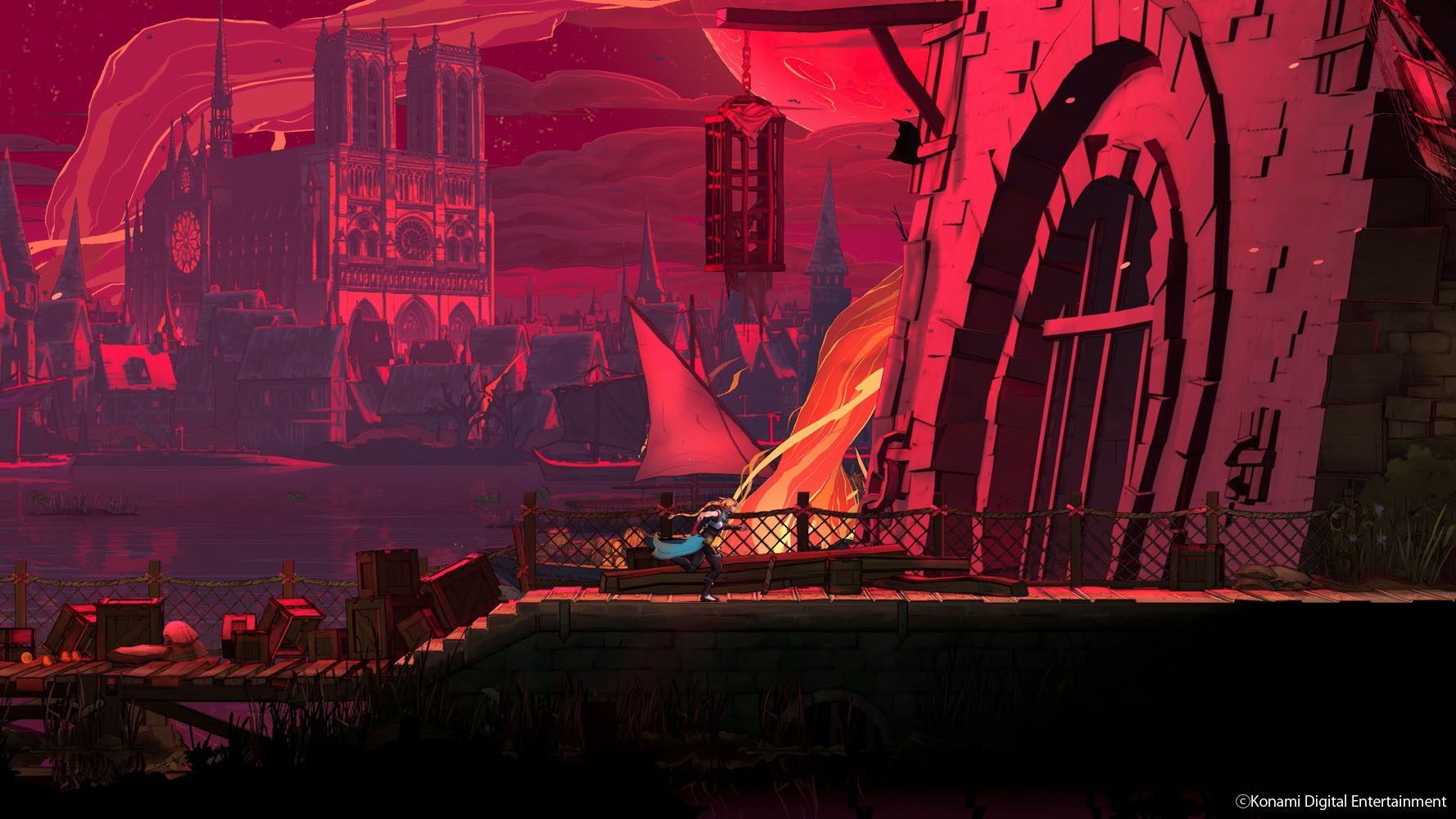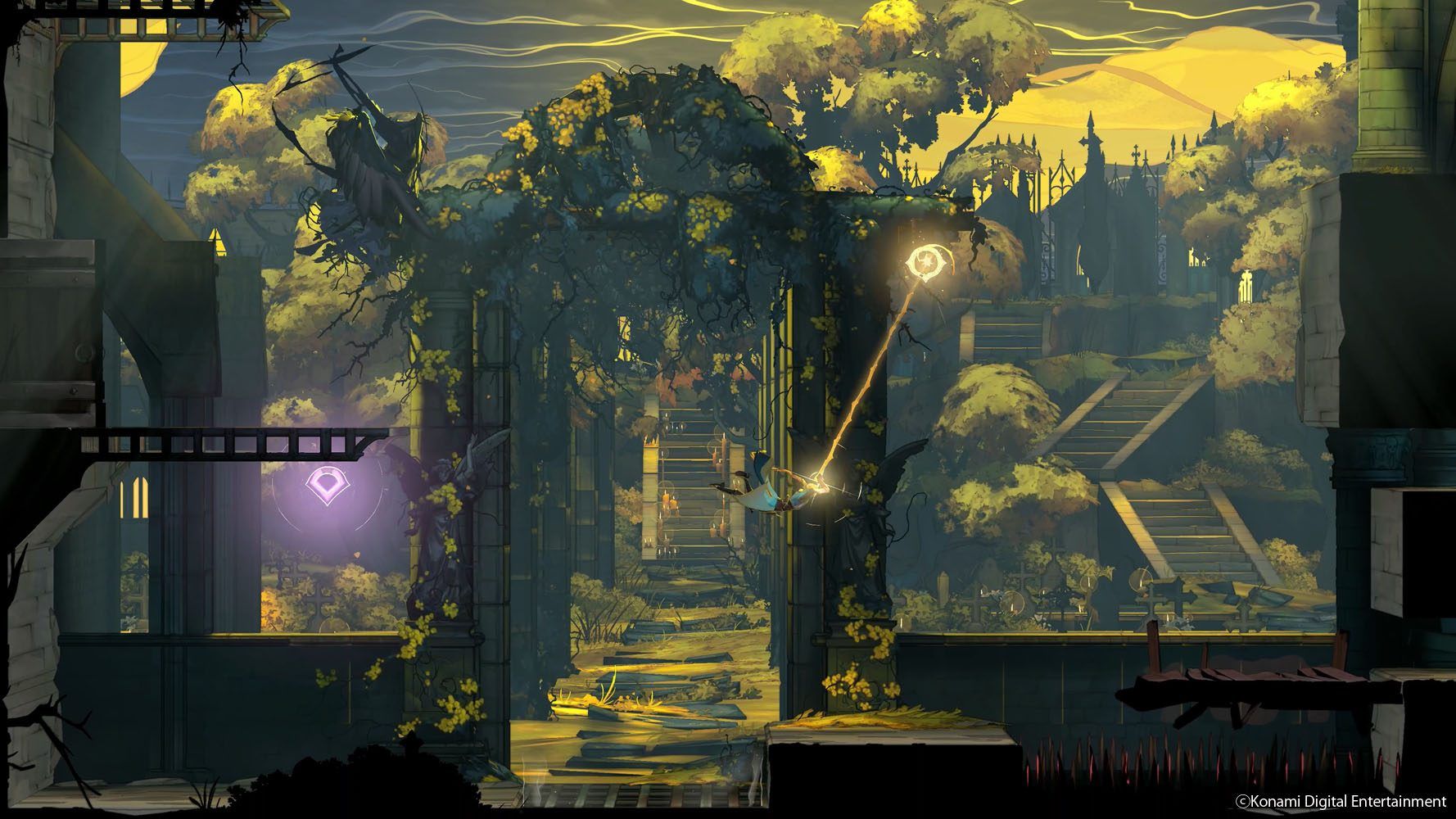

The reveal-era version of Castlevania: Belmont’s Curse was easy to understand and hard to trust. A famous Konami series was back, Evil Empire was involved, the art looked expensive, and nostalgia did the rest. That was enough to get attention, not enough to say much. The Friday, July 17, 2026 preview wave changes that. Between PlayStation Blog’s official hands-on report, Konami’s updated product site, and a broader same-day press pass, Belmont’s Curse finally looks like a game with an actual design thesis.
That matters because this is still not a GameGuideDog review, a GameGuideDog hands-on, or proof that the full build will land. GameGuideDog has not played it. Metacritic still shows no critic reviews and no user reviews. But the packet is now strong enough to support a sharper editorial question: is Konami’s Castlevania revival actually trying to rebuild the series around movement, map friction, and boss-earned powers, instead of merely borrowing the old mood?
The real selling point is not nostalgia, but a clear idea of how this version should move
The most useful detail in the preview wave is not a lore beat or a release-date reminder. It is that the official hands-on describes a game that seems committed to speed without flattening itself into generic action noise.
PlayStation’s report leans on fast combat, whip-led traversal, spells, relics, and challenge-heavy bosses. Konami’s own site backs that up with more specific system framing: Rose Belmont fights with the Vampire Killer, bosses turn into Arcana, equipment spans multiple weapon classes, and exploration is still central enough for the studio to call this a 2D action-exploration game rather than a simple linear brawler.
That combination is the first sign Belmont’s Curse may actually understand what many revival pitches miss. A modern Castlevania does not just need candles, gothic stone, and a familiar surname. It needs a body language. It needs movement, danger, and reward loops that feel intentional together.
Rose Belmont helps this look like a continuation, not a tribute act
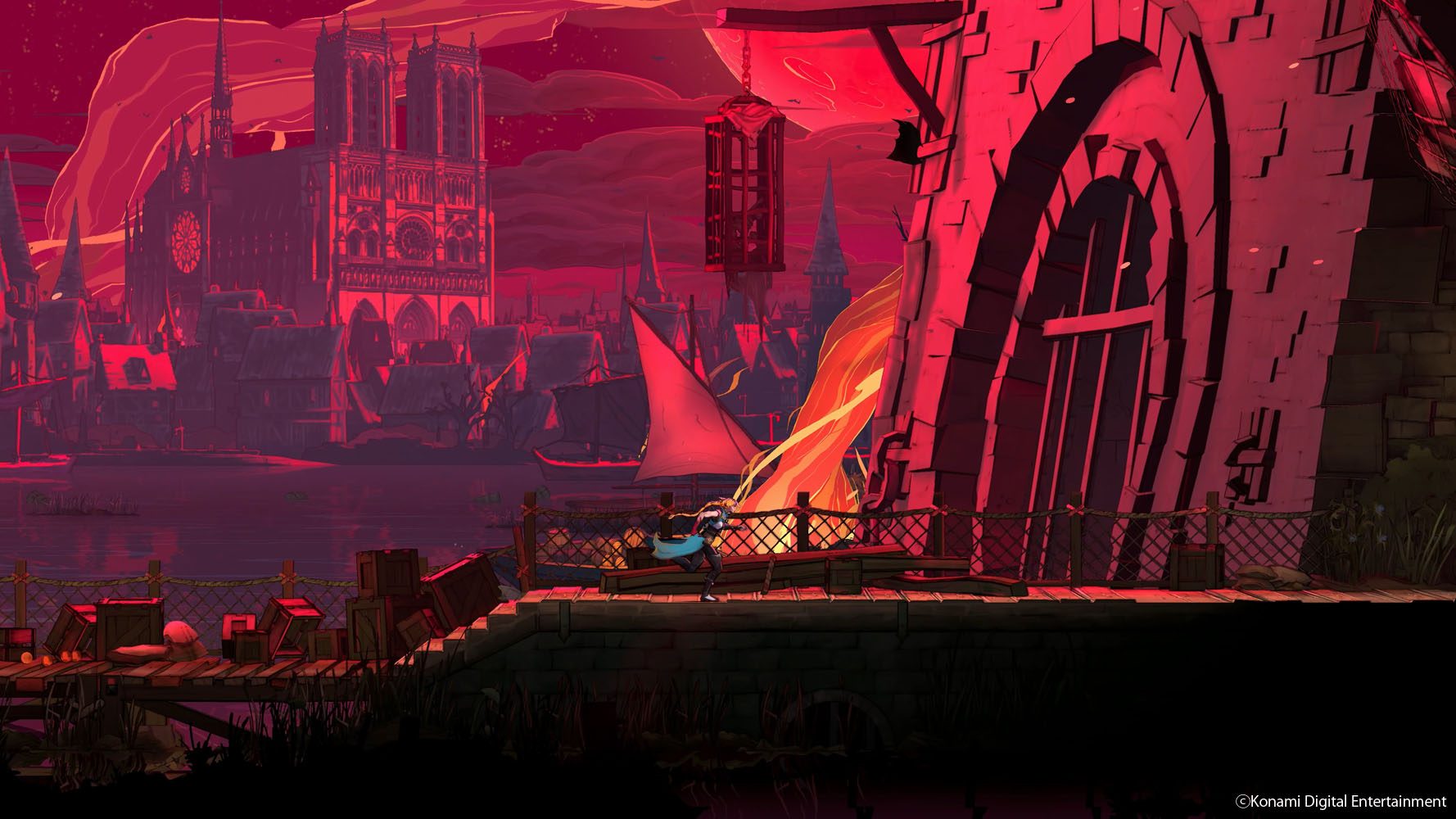
Konami setting the story in 1499 Paris, twenty-three years after Castlevania Dracula’s Curse, is not just timeline trivia. It gives Belmont’s Curse room to feel connected to the older myth without forcing the whole game to cosplay as a remake.
That is where Rose Belmont matters. A new lead gives the revival some oxygen. Trevor Belmont is still part of the setup, but the official pitch is clearly built around Rose’s growth, Rose’s combat tools, and Rose’s progression. That is healthier than treating the whole project like a preservation exhibit.
The Guardian’s same-day hands-on support helps here too. Its reporting lines up with the official material on Paris, Rose, Arcana, and the Joan of Arc boss detail. That does not prove quality, but it does reinforce that the July 17 wave is not just one platform blog speaking into a vacuum.
The Arcana system looks like the smartest new hook in the whole package
Konami’s site says defeated bosses are sealed into tarot cards and become Arcana, which can then feed new skills, spells, and special actions. If that system survives the full game with real variety, it could be the mechanic that keeps Belmont’s Curse from feeling like a straightforward retro costume.
That is because Arcana turns bosses into more than checkpoint spectacle. It gives the boss loop a progression purpose. Beat something brutal, and you are not just moving to the next room. You are expanding how Rose plays.
This is also where the game seems most likely to separate itself from lazy revival talk. Plenty of throwback projects can imitate art direction. Far fewer give their core structure a fresh incentive system that still sounds like it belongs in the original lineage.

The encouraging read is coherence, not certainty
This is where the analysis needs brakes. A preview wave, even a strong one, can still oversell a polished vertical slice. We do not know how the full map holds together, how difficulty scales over time, how many Arcana remain useful late, or whether the October 15 build lands cleanly across platforms.
We also should not fake a public verdict that does not exist yet. There are no critic reviews to aggregate and no user score to lean on. Steam exists as a store destination through Konami’s official links, but this is still a pre-release story, not a launch-state read.
The honest upside is narrower and better: Belmont’s Curse finally looks coherent. The Paris setting, Rose Belmont lead, whip mobility, boss-to-Arcana progression, and classic map emphasis are all pointing in the same direction. That alone makes the July 17 update meaningful.
Why the July 17 wave matters now
There are still plenty of ways this can wobble before Thursday, October 15, 2026. Revivals can promise speed and atmosphere, then collapse into repetition or soft imitation. But the useful read right now is that Belmont’s Curse no longer looks like a nostalgic bet asking players to fill in the gaps themselves.
It finally looks like Konami, Evil Empire, and Motion Twin know what flavor of modern Castlevania they want to ship: something faster, more aggressive, and more system-driven than a museum remake, while still rooted in map pressure, boss walls, and that old gothic identity.
That is not a review verdict. It is still too early for that. But it is enough to make Castlevania: Belmont’s Curse feel like one of the more convincing big-name 2D revivals on the board right now.
For more GameGuideDog coverage, browse our gaming section, compare another recent hands-on-driven read in our Tomb Raider: Legacy of Atlantis analysis, revisit our Marvel’s Wolverine gameplay breakdown, or catch another reveal-era read in our Final Fantasy VII Revelation analysis.