
Call of Cthulhu: Old Ones Origins is still weeks away from taking pledges, but Chaosium has finally shown the part that makes its Gamefound campaign more than a familiar logo on a coming-soon page. A September 3 update explains how hidden influence drives the game’s territory fight: players place tokens face-down, reveal them in an Influence Phase, break enemy Seals, and turn the opened spaces into access to resources, upgrades, summons, and invasions.
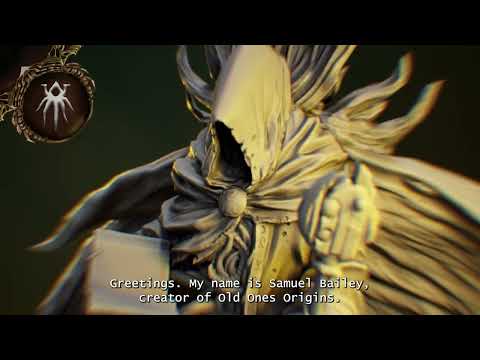
That is a useful reveal because the campaign is not live. The Gamefound window is listed as September 28 to October 15, 2026, so there is no price, pledge tier, stretch-goal plan, or shipping table to judge yet. What there is now is a clearer reason to watch: Chaosium is pitching an asymmetric cosmic-horror strategy game for two to four players, designed by Samuel W. Bailey, rather than a tabletop retread of its better-known roleplaying game.
The Seals are the game’s pressure point
Chaosium’s update puts Seals at the center of the conflict. They occupy resource spots on the board, so breaking an opponent’s Seal does not only mark progress toward victory. It changes what your faction can use. The stated win condition is to break enemy Seals, and the system links that direct aggression to board access instead of treating territory control as background bookkeeping.
The interesting bit is the information game before that clash. Players secretly commit influence tokens, then reveal them together. Chaosium names four influence types: Dominion, Ascension, Conjuration, and Invasion. In plain terms, the update is promising a game where the map fight begins before pieces move, because opponents can see that pressure is coming without knowing exactly where it will land.
That does not prove the final game is balanced, tense, or easy to teach. It does make the design legible. The reveal describes influence as the route to expansion and confrontation, while the factions can modify their own influence abilities. That is a more specific hook than the usual pre-launch claim of “asymmetry,” and it gives prospective backers a sensible question for September: do those faction exceptions create interesting counterplay, or just rules overhead?
A big license, but a different kind of tabletop proposition
The Call of Cthulhu name can invite the wrong assumption. This is not presented as a cooperative investigation game or a roleplaying starter box. Chaosium calls it an upcoming asymmetric strategy board game set in the Cthulhu Mythos, and the official teaser frames its factions as competing for control of the cosmos.
The designer credit adds context, not a shortcut to a verdict. Bailey is credited as a co-designer of Forbidden Stars, a respected but long-out-of-print asymmetric strategy game. That makes the design pedigree worth noting, but Old Ones Origins is not a sequel, reimplementation, or guaranteed spiritual successor. It still has to stand on the specifics Chaosium is showing here: concealed commitments, territorial pressure, and faction powers built around its influence system.
Chaosium also brought a current prototype to its Gen Con booth. A convention demo is a good sign that the project exists beyond announcement art, but it is not the same thing as published rules or independent review coverage. The safest reading is that the game has reached a public demonstration stage while its commercial offer remains ahead.
The September 28 launch is the actual decision point
For now, the buyer move is watchful rather than urgent. The official material supports calling Call of Cthulhu: Old Ones Origins a real pre-launch story because there is a newly explained gameplay loop, a named designer, a Gen Con prototype showing, and a listed Gamefound date. It does not support calling the campaign funded, popular, good value, or ready to recommend.
Those questions depend on what Chaosium has not yet published: price, contents, final rules, pledge levels, fulfilment terms, and the real shape of each faction. If the September campaign explains those elements as clearly as this mechanics update explains influence and Seals, it could become one of the more substantial cosmic-horror strategy watches of the fall. Until then, it is a campaign to follow, not a preorder review.
For more tabletop coverage, visit the board-games archive, read our Arkham Horror Remastered Gamefound watch, or revisit the Quake board-game campaign watch.