
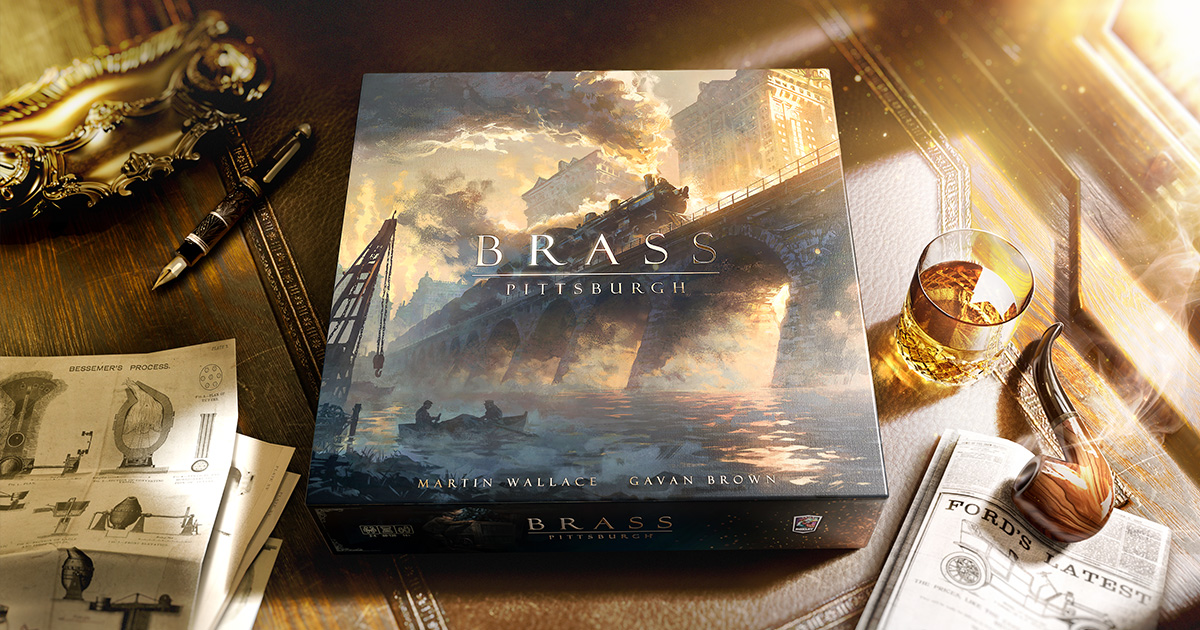
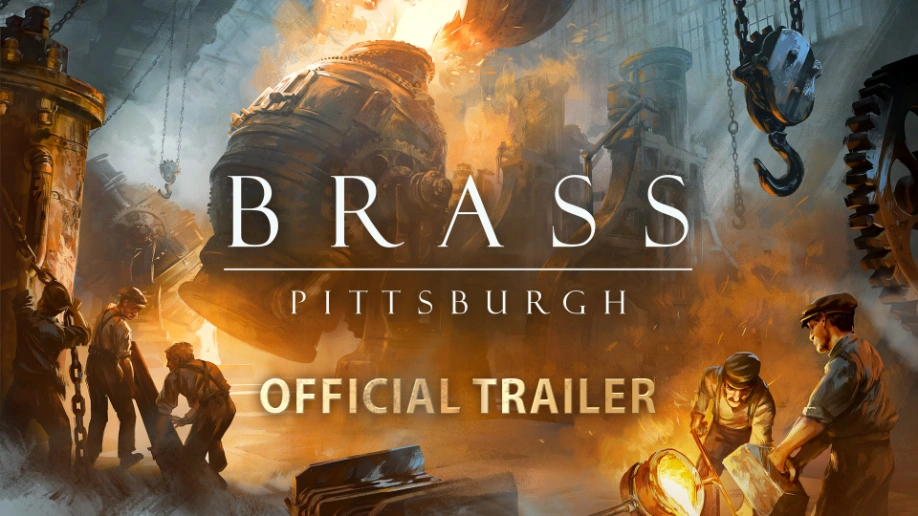
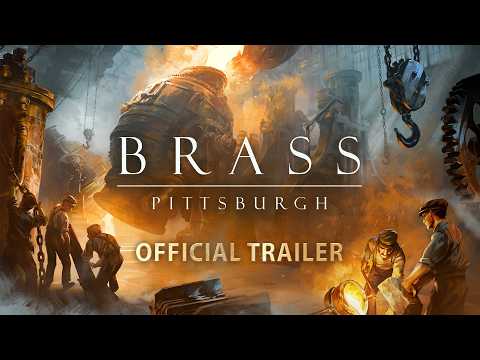
Brass: Pittsburgh has already finished its Gamefound run, and the final number is big enough that this is not just a niche tabletop footnote. When checked on Tuesday morning ET, the official campaign page showed $9,113,235.27 raised, 37,030 backers, and 62,014 followers for Roxley Games’ sequel built on Martin Wallace’s Brass system.
That does not make it the biggest tabletop crowdfund ever, and there is no reason to pretend otherwise. But it does leave Brass: Pittsburgh sitting in the zone where the result matters on its own, before you even get to the postmortem.
That extra layer is what makes this publishable now. In a fresh BoardGameWire interview published on April 27, Roxley CEO and co-designer Gavan Brown said he thought $4 million was the most likely outcome and $8 million was possible but unlikely. The campaign blew past both marks.
Why this result is bigger than a raw number
Crowdfunding stories get thin fast when the whole piece is just “look at the total.” This one has a better case than that.
Roxley is not selling a random new box with a famous label glued on top. The official Roxley page positions Brass: Pittsburgh as a sequel to the modern Brass line, with Gavan Brown and Martin Wallace credited as designers, support for 2 to 4 players, and a stated 60 to 120 minute play time. BoardGameWire adds the wider market context by framing Brass: Birmingham as the top-ranked game on BoardGameGeek and calling Pittsburgh the biggest board-game crowdfund of 2026 so far.
That combination matters. A big final total is more interesting when it lands on a sequel with obvious prestige, a recognizable system, and a buyer base that already knows what kind of game this is supposed to be.
The sharper angle is the anti-arms-race pitch
The more useful read is not just that Roxley sold a lot of expensive boxes. It is that the company is openly talking about the tabletop deluxe spiral while still posting one of the year’s loudest crowdfunding numbers.
Brown told BoardGameWire that deluxe editions have become “sort of an arms race” and said Roxley often tries to go the other way. That is where the campaign gets more interesting than a basic victory lap. Brass: Pittsburgh still had a premium collector-facing offer, but the package also included an Essentials version that Brown said was priced at the same MSRP as Brass: Birmingham at Target.
That does not magically end price complaints, and Publish should not fake consensus there. BoardGameWire explicitly notes discussion around the campaign’s high price level. But the evidence supports a narrower conclusion: plenty of buyers still showed up, and Roxley wants the result read as something more deliberate than bigger box, higher pledge, repeat.
What players and backers should take from it now
The official Gamefound page currently shows the campaign as ended, with orders not open. So this is not a late-pledge service post and not a hands-on review. It is a market signal story.
That signal is strong enough to matter:
- the final campaign total cleared $9.11 million
- more than 37,000 backers finished the run
- follower count stayed above 62,000 even after the campaign closed
- the creator-side postmortem shows Roxley itself did not expect the ceiling to land this high
GameGuideDog’s honest read is that Brass: Pittsburgh did not win by being small or cheap. It won by attaching a trusted design lineage to a campaign that still tried to argue for restraint inside a market obsessed with going bigger every cycle.
That is a more useful takeaway than vague “board games are booming” fluff. It tells backers, publishers, and watchers that prestige still converts, but the packaging argument around tabletop crowdfunding is not settled at all.
For more tabletop coverage, visit the live board-games lane, browse our latest articles, revisit Here to Slay DUNGEONS, or read the lane rollout note, GameGuideDog now covers board games too.