


Bering Tonnage’s October 17 version 1.1 adds multi-ship routes, contracts and cabotage rules; October 20’s 1.1.1 extends the routing tools again. Those developer announcements overtake the October 6 launch-support story. The single-player shipping simulator’s current buying question concerns the expanded network controls, not its expired introductory discount.
Routes need to work, but a new buyer also needs to know whether managing an automated shipping network provides the kind of challenge they want. This is launch-support reporting, not a GameGuideDog review or a test of the patched build.
How the newer routing tools change the context
The latest official five-post feed, checked October 21, describes several ships sharing one route, contract offers with late fees, port groups and new game-mode options. Version 1.1 says loading a 1.0 save converts it to 1.1. The later 1.1.1 notice adds Tramp, Sweep Star and Roaming Feeder templates and says old Fleet-menu layouts reset to the new default. These are developer-described changes, not a migration or economic-balance test by this desk.
For returning players, conversion and changed controls deserve attention before expecting an old network to look identical. For new buyers, contracts and late fees are more relevant evidence about intended economic pressure than an opening-day complaint alone. They do not prove the system now satisfies that reviewer. The original launch changes below explain the chronology rather than define the newest build.
The October 6 update notes describe an At option for Global Rule exceptions, so a rule need not apply at every port. Fleet and port menus also mark ships assigned to automated routes. For players building a network, those changes make the control and visibility of automation the immediate support story.
Antimuon reports repairs for ships getting stuck unloading after a manual shipyard visit and for autosave sometimes running three times at once. Time controls gain the 1, 2 and 3 keys, while Unlock All no longer requires the tutorial. These are reported changes, not independently reproduced fixes.
The Windows setting named Intel Graphics Fix is off by default. It promises no universal remedy for Intel GPUs. The broader performance-improvement claim also has no measured result in this reporting. A specific workaround and a clean bill of health are different things.
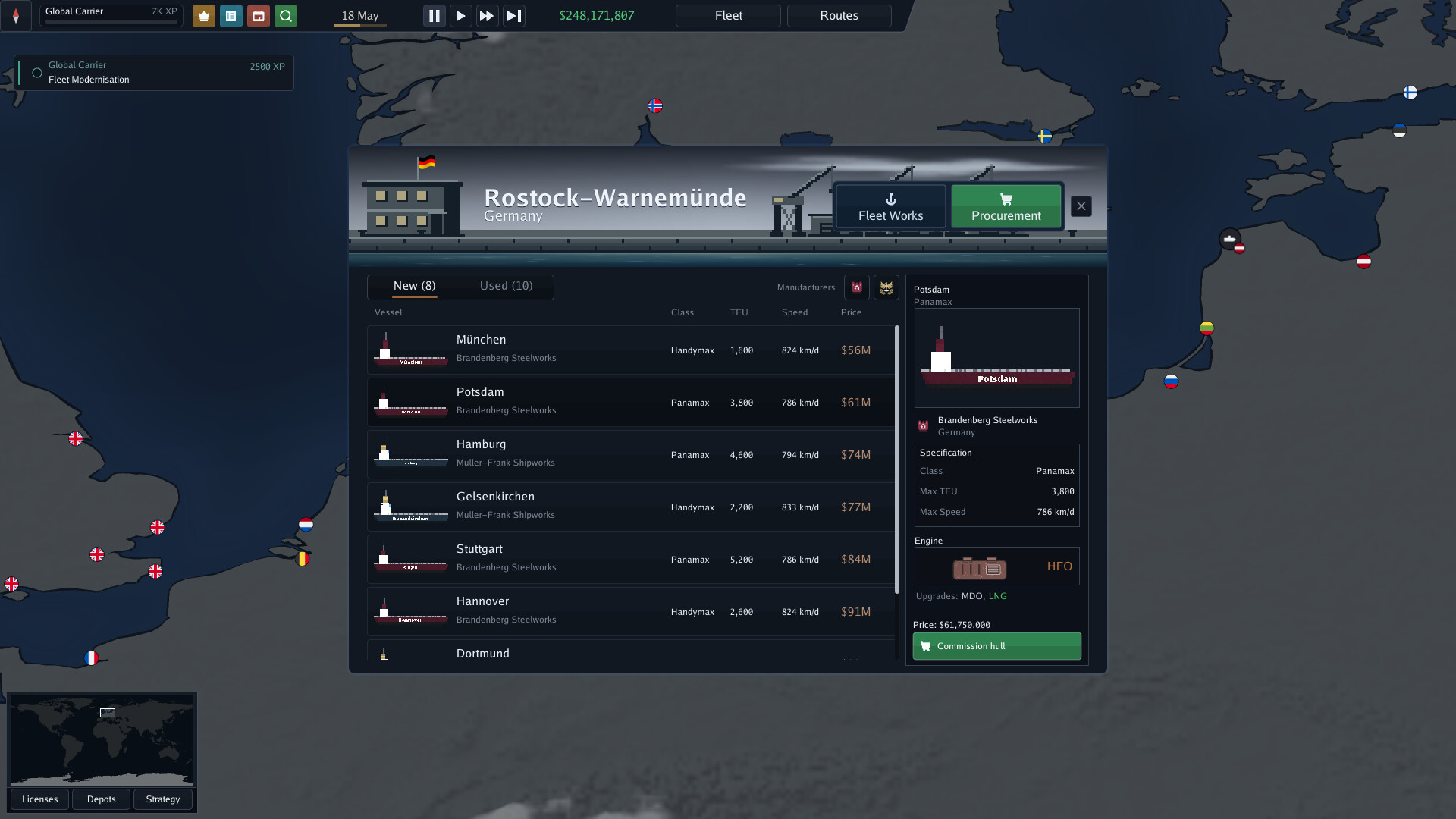
Official Antimuon Studios promotional image, supplied through Steam. Not a post-patch test capture.
Regular US pricing; macOS remains a plan
The October 21 US metadata lists $19.99 without a discount. The $16.99 introductory offer, observed October 6 with an October 12 end date, is historical. The newer roadmap places official macOS support in December 2026; this is a plan, not a shipped Mac edition or tested compatibility. No Polish price is established here.
Windows and Linux are listed platforms. The earlier launch roadmap’s undated Mac plan is superseded by the newer December target. The launch-week Steam Deck label was Unknown, which proves neither good performance nor inability to run. Single-player carrier cooperation should not be mistaken for online co-op. Current hardware performance remains untested here.
Nineteen reviews cannot settle the economy
The all-language, all-purchase Steam review API reported 13 positive and six negative reviews, 19 total, labelled Mixed at 21:16 UTC. That is a small opening snapshot, not a consensus or a measure of sales.
Two named accounts illustrate different expectations. PingPongJimmy recommended it to Transport Fever enthusiasts on October 6 with 45 minutes recorded at review time. That endorsement predates the update announcement and does not establish comparable depth between the games.
Ceramic, with 199 minutes recorded, enjoyed watching the network operate but wanted stronger economic decisions and criticized tutorial and interface friction. That negative recommendation was posted after the patch announcement; the timestamp does not prove the revised build was played. These are selected purchased, non-free accounts, not a survey.
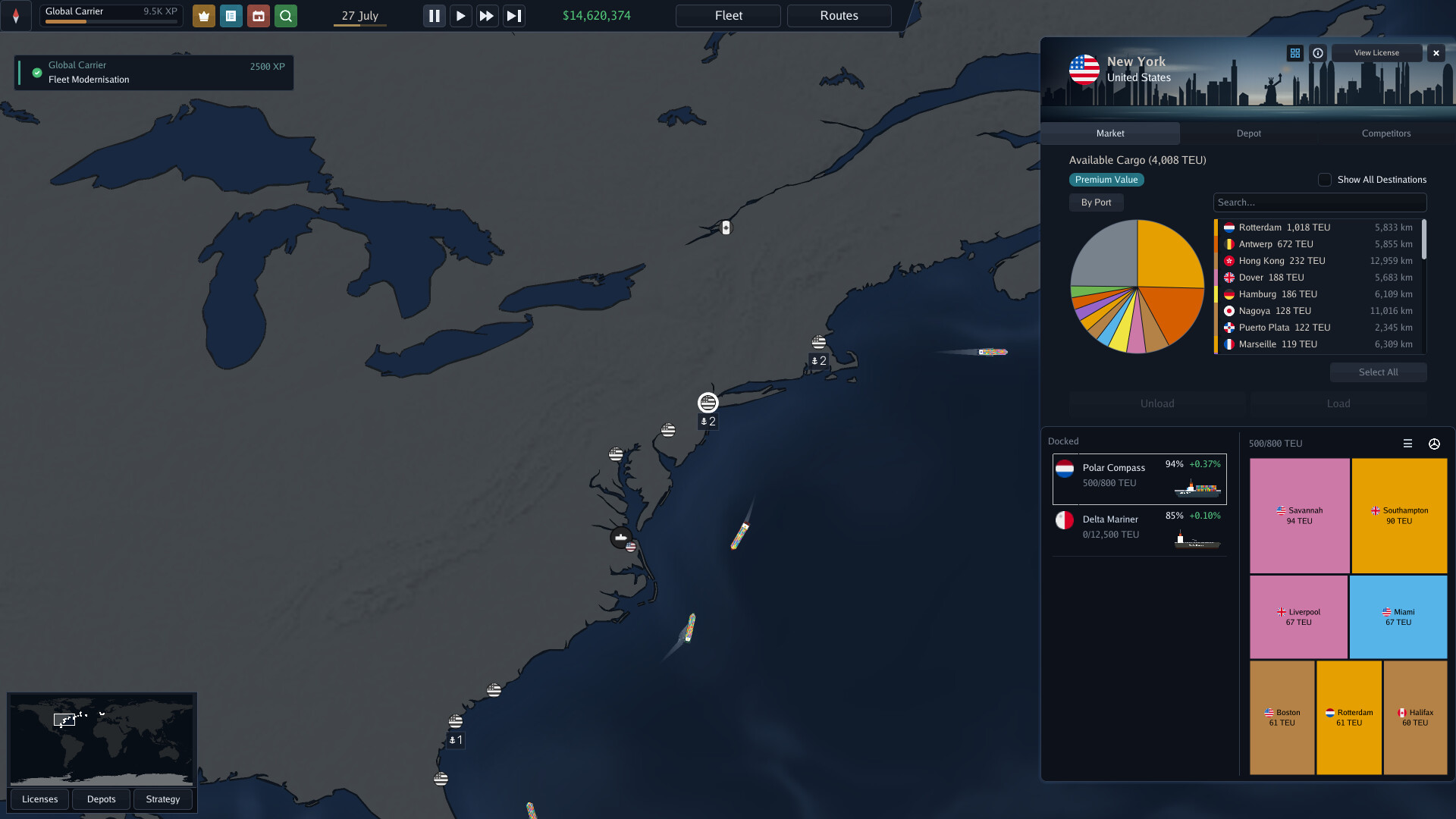
Official Steam promotional screenshot: Antimuon Studios. Displayed game money and cargo are illustrative, not proof of an economy defect.
The update addresses routing controls and reported early bugs. It does not establish that economic pressure or tutorial clarity now meet either reviewer’s expectations. Before buying, separate the appeal of building a network from its depth and behavior on your hardware. A patch list cannot answer all three. Follow our indie coverage and gaming news for other reporting.