


Respawn says EA Javelin is banning 51% more cheaters than the anti-cheat system it replaced in Apex Legends. That is the clean headline from its two-month review. The more important line sits deeper in the post: detected rage hackers could remain active for up to four hours before enforcement caught up.
That gap explains why a better ban count has not automatically repaired player trust. Detection and match quality are not the same metric. Respawn can be finding more cheaters while legitimate players still run into obvious offenders before the ban arrives.
The studio says a new enforcement path has now cut the delay to as little as one match in early cases. Useful progress, if it holds. It is not a universal one-match promise, an average response time, or independent proof that ranked play is clean.
What Respawn’s numbers actually establish
Javelin replaced Apex’s PC anti-cheat on September 29. Respawn says the system began by banning roughly 4,000 cheaters per day, partly because old cheats built to evade the previous system were suddenly exposed. Two months later, the studio reports that Javelin is currently banning 51% more cheaters than its predecessor.
Respawn also reports 25,236 hardware bans across its enforcement work since Javelin launched. That number should not be stretched into 25,236 unique people. The post does not publish a platform split, a comparable total from the previous system, or the method needed for an outside audit.
Those limits matter. A 51% increase in bans is not a 51% reduction in cheating, encounters, or ruined matches. It is an attributed enforcement metric with a missing denominator.
The rollout was deliberately conservative. Javelin operates at kernel level, but Respawn says several lower-level protections started disabled while the team watched compatibility and performance. More rules have been switched on over time. An EA App problem surfaced shortly after launch and was fixed the following day.
That makes Javelin a moving system, not one frozen configuration that can be judged only by launch-day behavior.
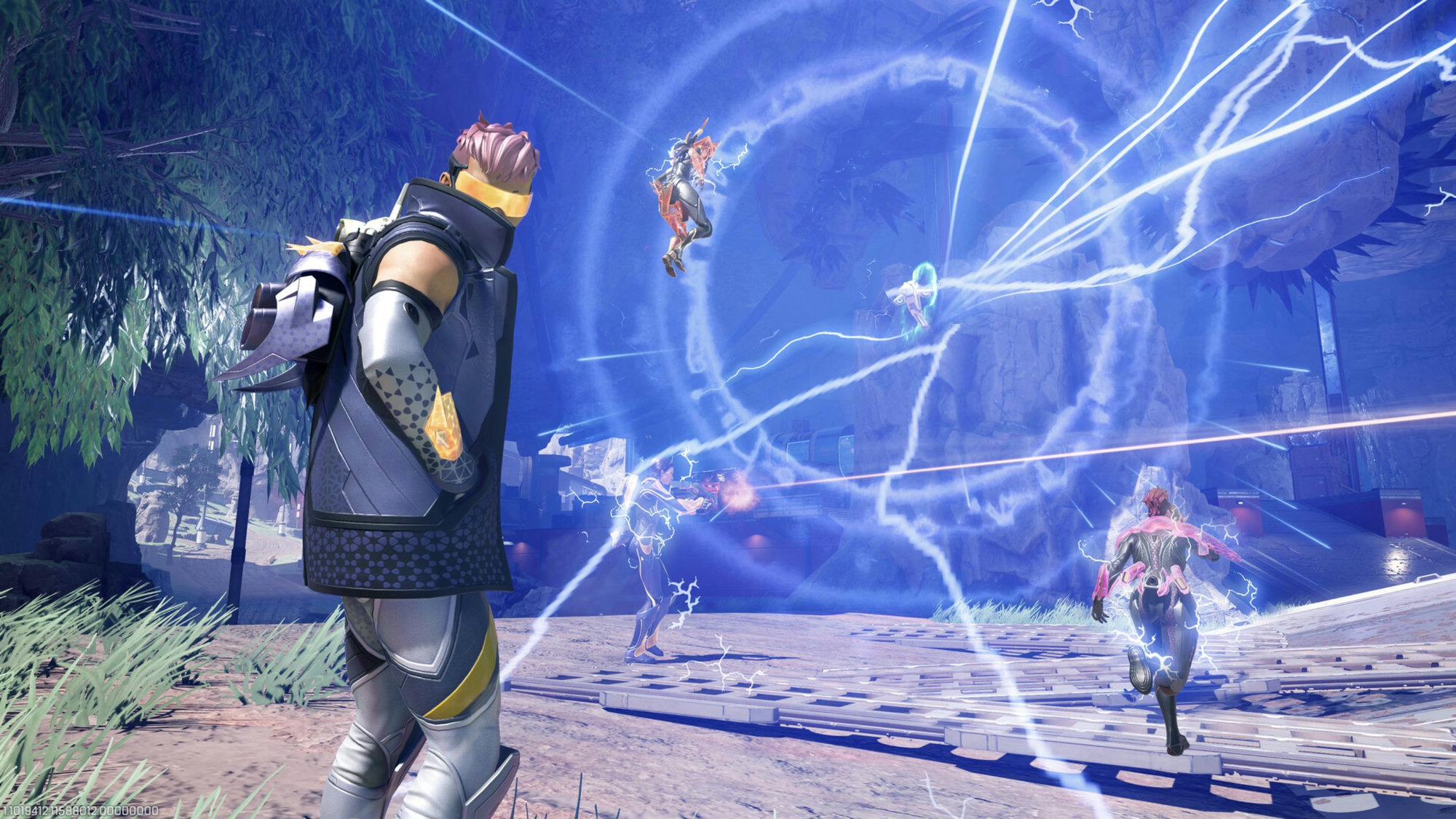
This official gameplay image illustrates the current Apex season. It is not evidence of anti-cheat performance. Respawn / Electronic Arts via Steam.
The four-hour admission matters more than the victory lap
Respawn says its detection improved faster than its enforcement pipeline. In the studio’s account, some players already identified as cheaters could keep entering matches for as long as four hours. That is enough time to poison a long run of ranked games even if the account eventually disappears.
The new path is designed to shorten that window. Respawn says early results have brought enforcement down to as little as one match. The wording is narrow for a reason: it describes the best observed turnaround, not every case.
This is the real two-month checkpoint. Javelin may be catching more accounts, but catching them is only half the job. For players, the useful result is whether a detected cheater leaves the queue before another lobby is burned.
The November 19 false-ban incident sharpens that tradeoff. Respawn says an update incorrectly banned roughly 1,000 players, disabled the affected detection, and reversed the bans. It separately found a device-flag problem tied to hardware bans and said affected accounts were being unbanned.
Faster enforcement cannot come at the cost of treating false positives as acceptable collateral. Respawn is trying to tighten both sides of the system at once, and its own disclosures show why that work is difficult.
Player reaction is a trust signal, not an audit
The Respawn-official Reddit thread is full of reports about blatant cheating, high-rank frustration, false positives, compatibility worries, missing ranked-point restitution, and console players asking where they fit into a PC-focused update. Those comments are useful because they show what the official metrics have not settled.
They are still self-selected anecdotes. They do not prove the prevalence of cheating, verify individual accusations, or establish broad player consensus. Some commenters also push back on the idea that every suspicious death is proof of a cheat. That counterpoint belongs in the read too.
At the final November 25 refresh, Steam’s official endpoint showed 169,466 players in-game. That point-in-time PC count does not measure Javelin’s effectiveness. It does show the scale of the trust problem: even a narrow enforcement delay can touch a very large competitive population.

Official Apex Legends store art. Respawn / Electronic Arts via Steam.
The honest two-month verdict
Javelin’s early numbers are promising, but Respawn has not published enough to declare the anti-cheat transition a success. The studio is banning more accounts by its own measure, issuing hardware bans at scale, and now attacking the lag between detection and action. It has also acknowledged a four-hour delay, roughly 1,000 false bans, and a separate hardware-device flag problem.
That is not a clean victory or a clean failure. It is a stronger enforcement system still trying to become a faster and more trustworthy one.
The next useful checkpoint is not another large ban total by itself. Respawn needs to show that the enforcement window stays short without another false-positive wave. Until then, the 51% figure is real news, but the four-hour admission remains the better explanation of what Apex players are feeling.
For context, read our earlier Apex anti-cheat enforcement report, the follow-up on matchmaking and anti-cheat changes, or browse the latest gaming coverage.