
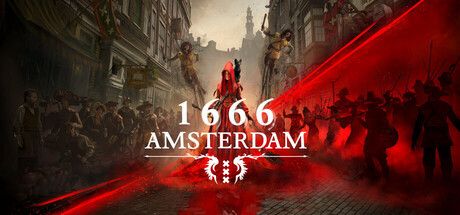
1666: Amsterdam finally looks like a real buyer-facing launch watch instead of a long-gestating curiosity with no firm handoff point. At our Monday, August 24, 2026 refresh around 2026-08-24 17:15 UTC, Panache’s August 10 blog post and the live Steam page still agreed on the practical part that matters most: the game enters PC Early Access on August 25, 2026.
That is the good news. The restraint belongs in the same sentence. Steam still showed no public user reviews and no safe live price during this check, which means the useful read is not “buy with confidence tomorrow.” It is “know what kind of Early Access pitch this is, then decide how much patience you want to spend on it.”
The launch package is more specific than a bare date post
Panache is not throwing this onto Steam with a vague promise and a cinematic trailer. The current official package is at least concrete enough to judge on its own terms.
Steam’s Early Access FAQ now says the launch build is expected to cover about 15 hours, while the full Early Access period is expected to last roughly one year. There is also a free Prologue demo live already, plus a clear feature baseline around single-player, full controller support, Steam Cloud, and Family Sharing.
That matters because it answers a simple buyer question: what exactly are you getting on day one? Not the full finished game. Not a tiny vertical slice either. Panache is clearly selling the first substantial chapter of a longer project and openly telling players that the rest is still part of the development road ahead.
There is also a small but useful contradiction worth keeping in view. Panache’s main game page still lags behind with a softer later this year field, while the blog post and Steam page pin the launch to August 25, 2026. For practical buying purposes, Steam and the dated August 10 announcement are the live surfaces that count.
The concept is strong enough to watch, and the preview read is split enough to slow down
This is where the story stops being a calendar item.
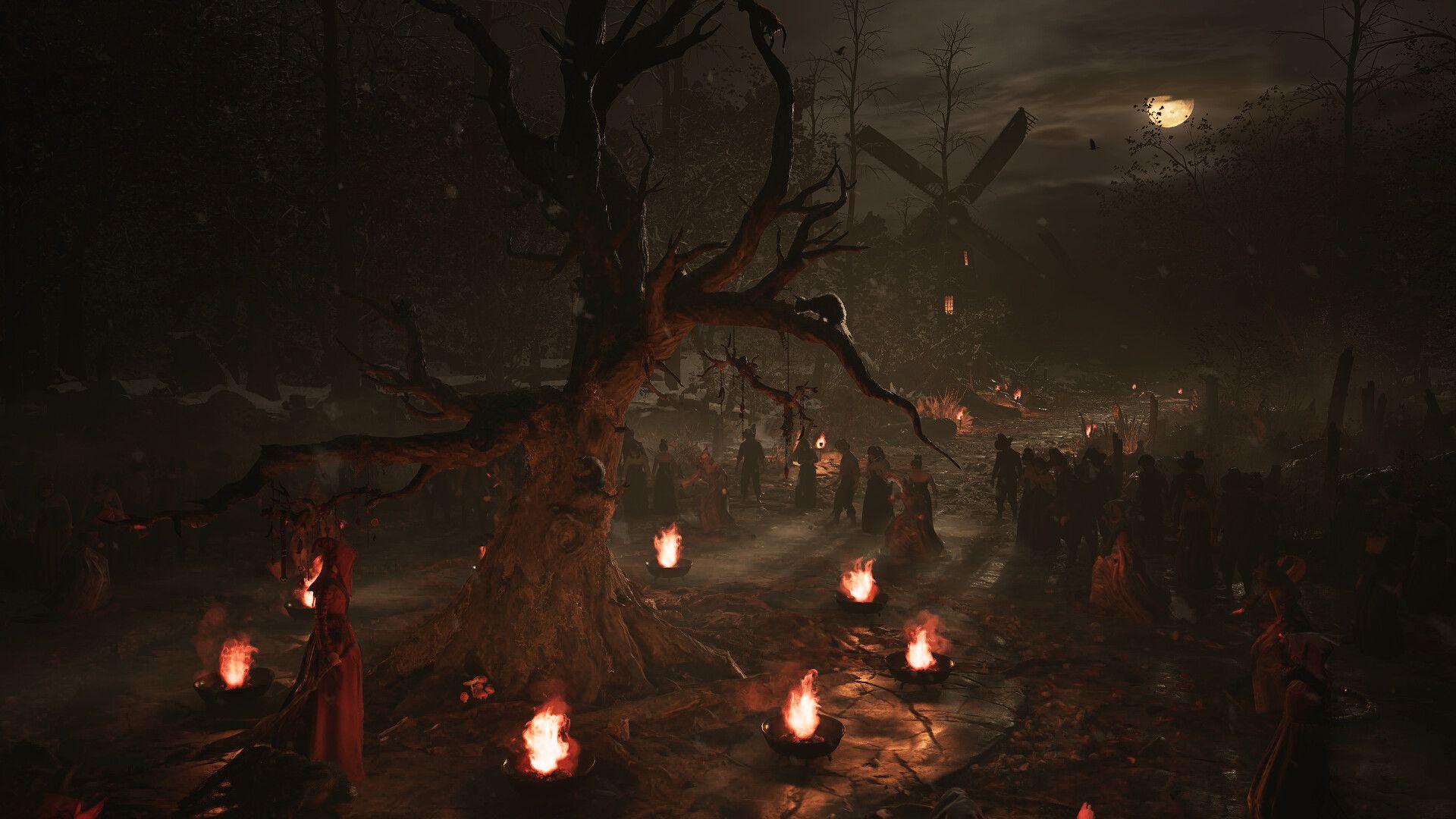
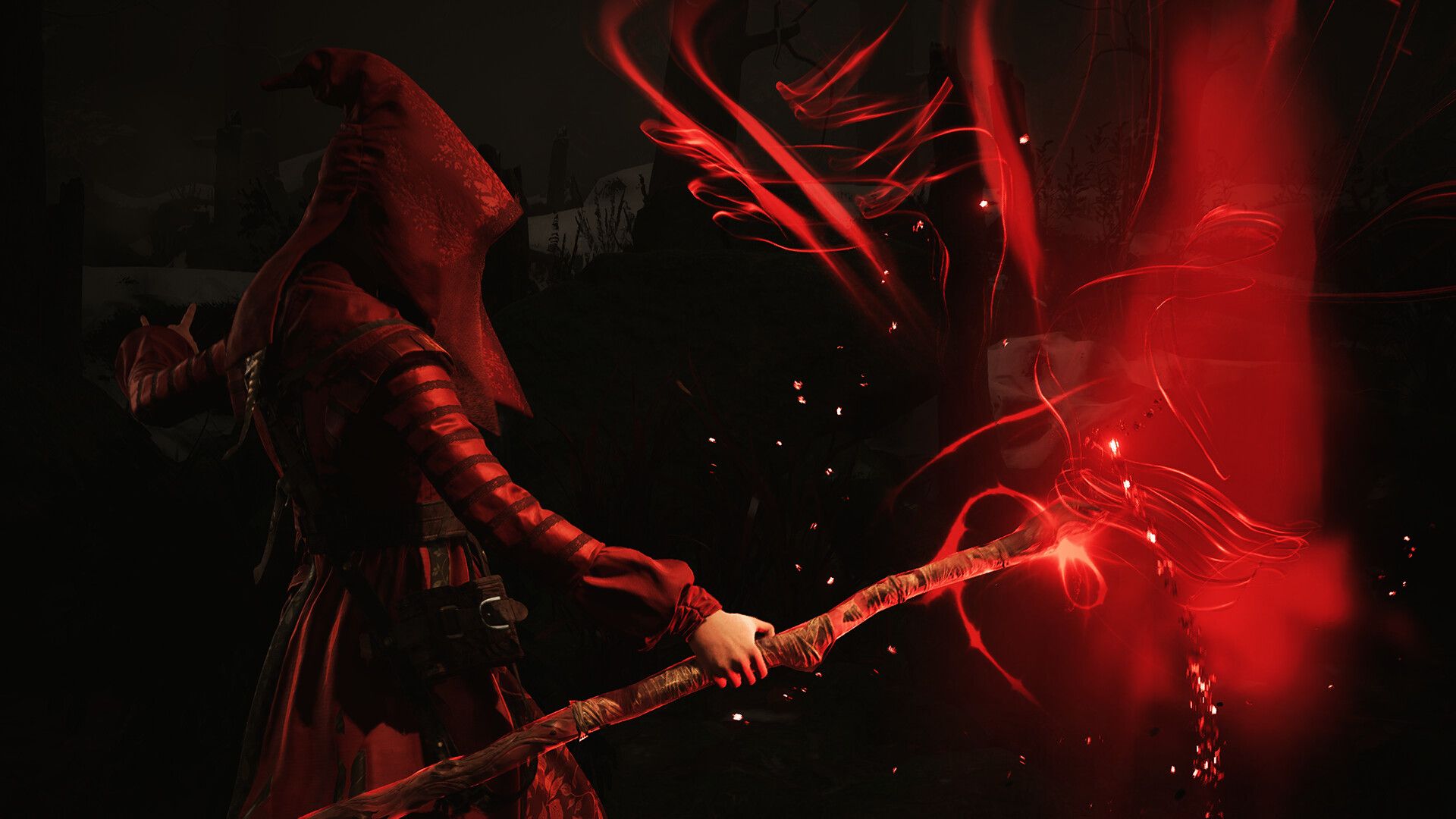
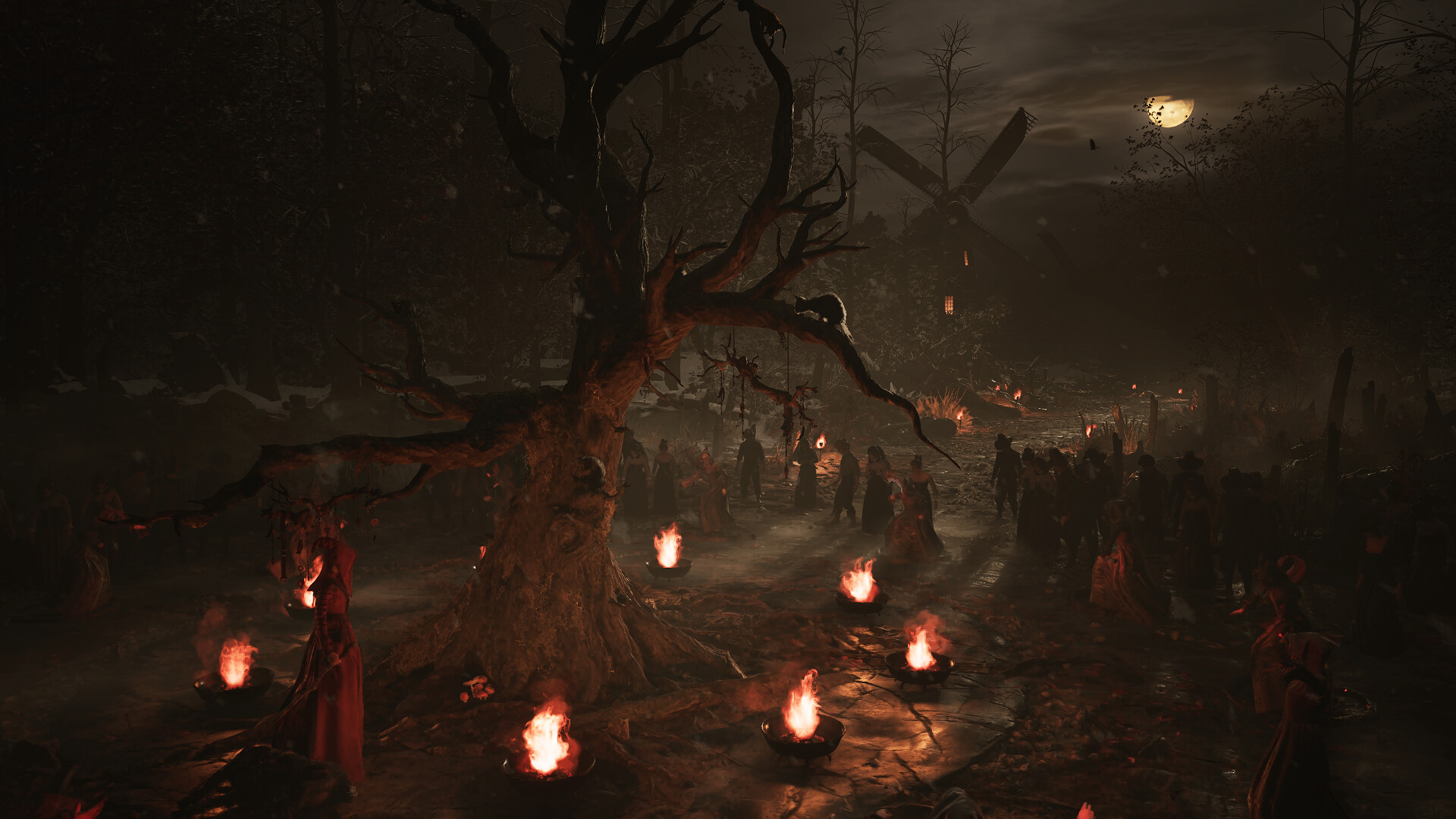
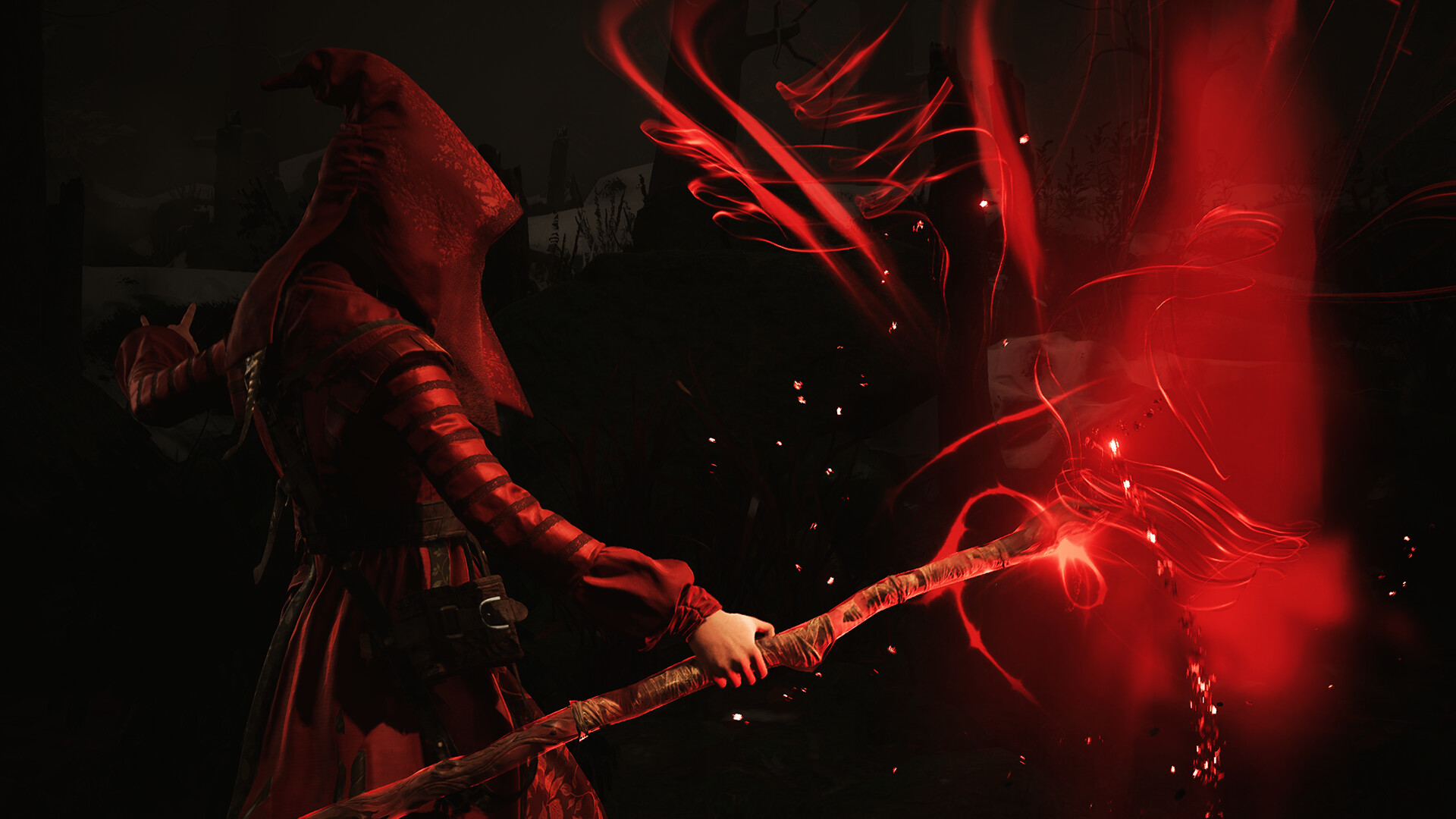
Officially, 1666: Amsterdam is pitched as a third-person dark story-led action-adventure about Noa, the Collector, using witchcraft to identify demonic entities hiding behind human faces. That is already a sharper hook than most late-summer Early Access launches get. The stranger details help too. One of the main twists is that Aaron, pulled in from 1999, moves through the world as a cat companion with his own perspective.
The outside preview context makes the buyer read more useful, but not more settled.
Game Informer framed the project as Patrice Desilets’ long-awaited passion project and useful industry context says why that matters: this is not a random new studio prototype. GamesRadar+ came away hungry for more, leaning into the tone, disguise systems, and social-stealth feel. PC Gamer, on the other hand, liked the ambition but came away worried that the build was getting too close to launch while still showing rough combat, missing difficulty settings, and at least one bugged boss encounter during the preview session.
That split is the whole reason this deserves analysis instead of hype. The pitch is real. The caution is real too. What this packet does not support is pretending that one enthusiastic preview or one skeptical preview speaks for the whole audience.

The hardware ask is a buyer story all by itself
There is another practical reason to keep this article grounded: the PC requirements are not casual.
Steam’s minimum spec still called for 16 GB RAM, an RTX 2060 Super, RX 6600, or Intel Arc 580 class GPU, 50 GB of storage, an SSD, and hardware ray tracing. The recommended spec pushes higher again to an RTX 3080 Ti or RX 7700 class GPU.
That does not automatically make the game a performance problem. It does make this a poor fit for blind day-one optimism on older hardware. If you were hoping for a lightweight occult stealth game that slips onto a middling PC, the official requirements already say otherwise.
The other missing piece is price. Steam’s Early Access FAQ says Panache expects the price to rise gradually through development, but the live storefront still did not expose a public launch price during this refresh. That is a real buyer gap, especially for a game asking players to jump in before the public review layer exists.
The honest read before August 25
1666: Amsterdam looks more serious than a thin prelaunch press rewrite. The official material is clean. The free prologue lowers the barrier for cautious players. The launch scope is finally readable. The world, witchcraft angle, and two-character setup are distinctive enough that this no longer feels like vapor waiting for a date.
The caution still leads the buyer answer. There is no public Steam review signal yet, no safe launch price yet, and the preview coverage is split between strong atmosphere praise and real polish anxiety. On top of that, the official PC spec asks a lot more than the average “just try it” indie.
So the clean GameGuideDog read on August 24, 2026 is simple: 1666: Amsterdam has earned a real Early Access watch for August 25, but the smart move for most buyers is to wait for public price and first-wave launch reception unless the free prologue already convinces you.
For more GameGuideDog coverage, browse our indie games section, compare another cautious launch-window read in our Blood Dungeon analysis, revisit a more live Early Access signal in our WE ARE SO DEAD analysis, or open the latest English stories.